Caring for Lacquered Surfaces in a Tropical Climate — A Singapore Guide for Nursery Furniture Owners
Anyone raising a baby in Tampines, Bedok, or Punggol knows the same quiet battle: the moment the air-con clicks off for the night, the humidity rolls in. The reading on my Xiaomi hygrometer hovers around 78–82% RH from midnight to dawn, and the wardrobe door in my daughter's room sticks shut by morning. That is the exact environment a lacquered solid wood bed frame, dining table, or nightstand has to live with for the next fifteen years — and small habits, repeated weekly, decide whether the finish stays glossy or turns cloudy.
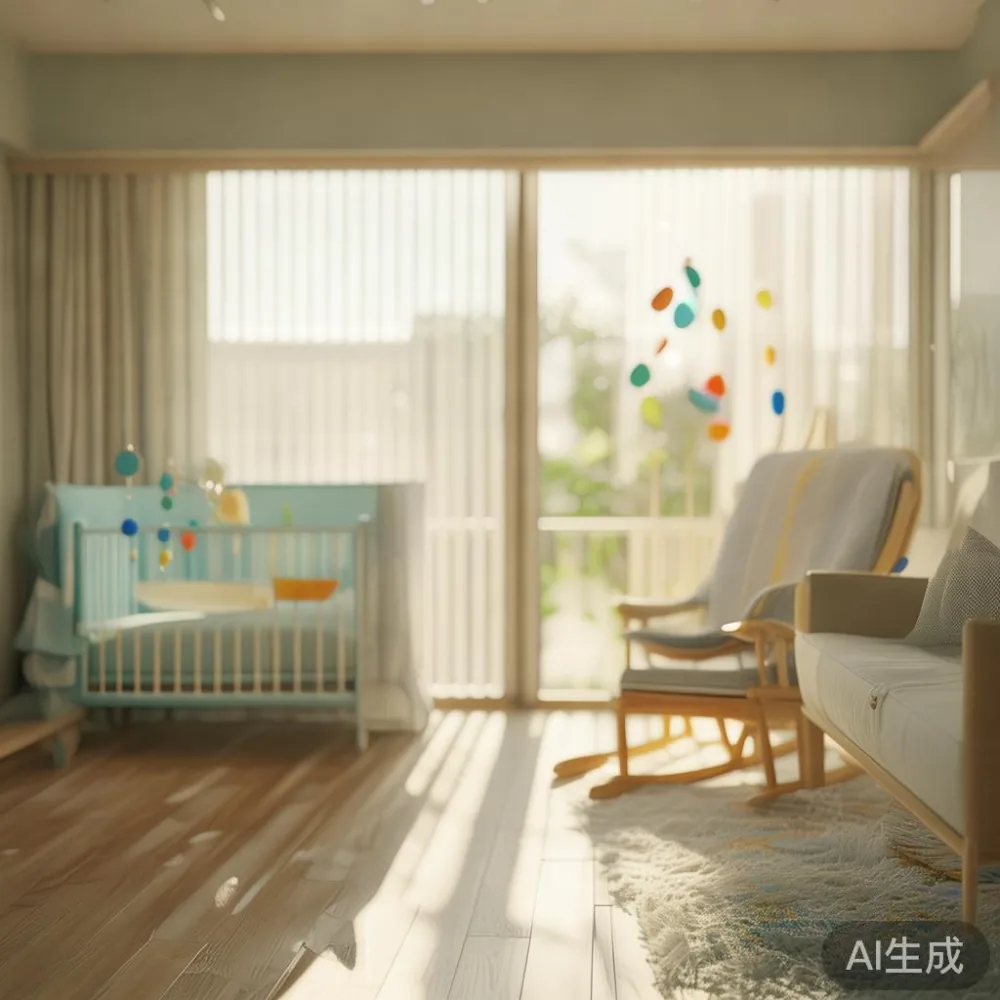
I learned this the hard way. Last month I visited a client in a 5th-floor walk-up along Bedok Reservoir Road, helping her set up a nursery furniture package she had ordered from MIDHILL, a Foshan solid wood maker I have come to trust over the years. The lift at her block was out for maintenance, and three of us hand-carried a 47 kg lacquered cot and a 28 kg changing table up the service corridor — the corridor measured just 1.2 m wide, so we had to tilt everything vertically. That afternoon, with sweat dripping onto the freshly polished headboard, I watched a parent realise in real time that lacquer is a finish you have to respect, not just admire.
Why Singapore's Climate Is Unusual Hard on Lacquered Solid Wood
Lacquer — whether the open-pore matte favoured by Japanese workshops or the high-gloss piano finish common on a post-modern light luxury dining table — is a film. It breathes, but only a little. In our tropical heat, three forces attack it at once:
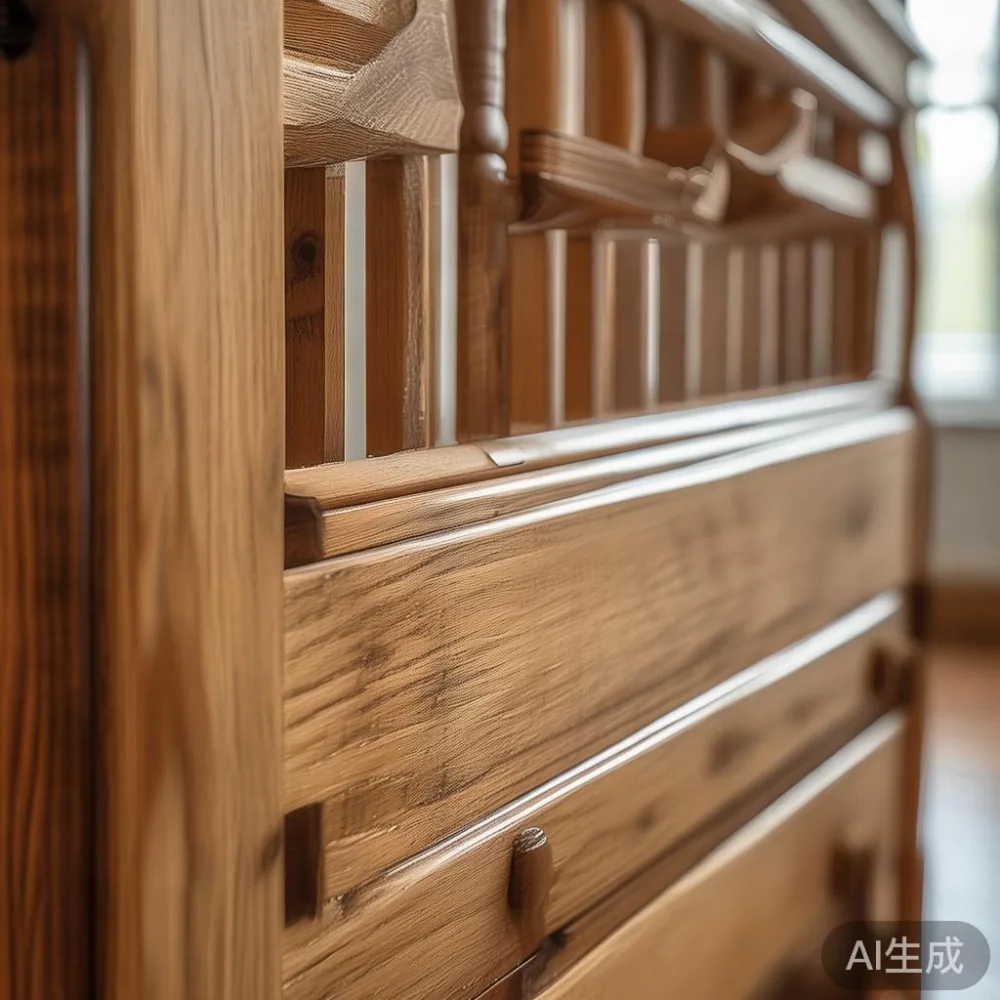
1. Relative humidity swings. HDB flats without a bedroom dehumidifier sit between 65% and 85% RH. Wood moves. A 180 cm lacquered wardrobe door panel can cup by 1.5–2.0 mm across the wet season, and the lacquer cracks along the grain before the wood does.
2. Salt and hand oils. Singapore's air carries trace chloride from the coastline. Combine that with the natural oils from a parent's palm every time they lean over the cot side, and the finish dulls within months.
3. UV through window glass. East-facing nursery windows in Punggol HDBs flood the room with 30,000–50,000 lux from 7 a.m. Lacquer yellows under UV, especially the clear coats used over ash or rubberwood veneers on a budget bed frame.
The short version: a piece that would look showroom-fresh for 8 years in a Berlin apartment needs a different care routine to survive 8 years in a 4-room HDB in Tampines North.
What is the difference between Italian light luxury sofa and modern furniture?
The Italian light luxury sofa uses solid wood framing under a hand-applied multi-layer lacquer — typically 7 to 12 coats, each sealed, sanded with 800-grit, and buffed — and that lacquer is the difference; modern furniture generally relies on melamine paper, PVC edge banding, or a single nitrocellulose spray over MDF, which cannot be spot-repaired and cannot be re-lacquered after a decade of tropical wear.
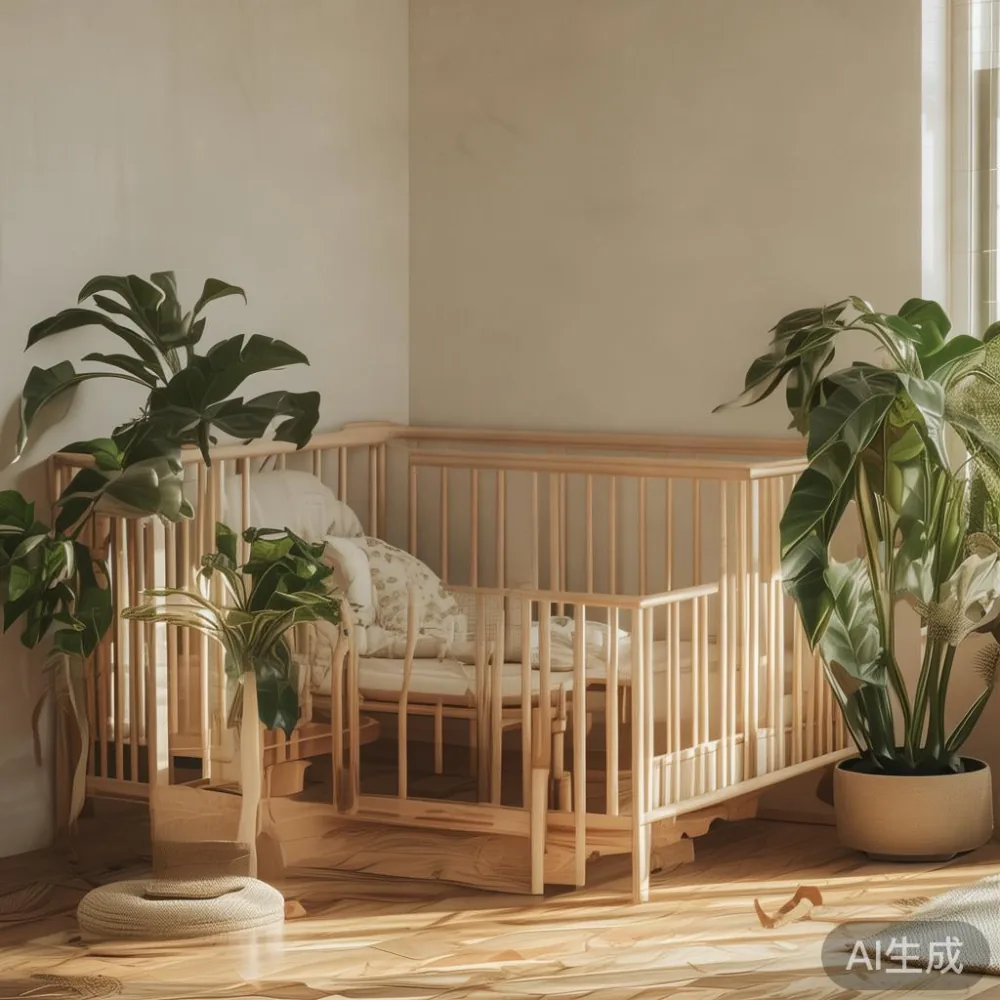
This matters because the same logic applies to a nursery furniture set. When a Punggol parent compares a S$2,490 solid wood cot with a hand-rubbed lacquer finish against a S$690 melamine flat-pack, they are not just paying for wood weight. They are paying for a finish that can be revived, sanded, and re-coated — a finish that MIDHILL has been refinishing for customers across Southeast Asia since 2008, including under their lifetime refinishing promise for structural pieces bought direct.
The Weekly 20-Minute Care Routine That Actually Works
I keep a printed A4 card taped inside my daughter's wardrobe. It is the routine a Foshan finishing foreman walked me through when I toured the spray line in 2019, and I have adapted the timings for our climate.
Monday — Dust (3 minutes). Use a clean microfiber cloth, 40 cm × 40 cm, lightly dampened with distilled water (a 5 L bottle from Cold Storage costs S$1.20 and lasts two months). Wipe along the grain. Never spray directly onto lacquer — overspray migrates into the joints of a dovetailed nightstand drawer and leaves white tide marks.
Wednesday — pH-neutral clean (5 minutes). Mix 5 ml of Murphy's Oil Soap (S$14.90 for 946 ml at FairPrice) into 500 ml distilled water. Wring the cloth until it feels almost dry, then wipe. Buff dry with a second cloth within 60 seconds. The lacquer on a French light luxury style cot I restored for a client in Marine Parade had a sticky film after the family used a generic kitchen degreaser; one pass with the proper dilution and the gloss came back.
Saturday — Condition (7 minutes). Apply a rice-grain-sized dab of Renaissance Wax (about S$32 for 65 ml) on a soft cloth, spread to a 30 cm × 30 cm area, wait 90 seconds, buff. One 65 ml tin covers a 6-piece nursery furniture set for 14 months in our climate — cheaper per year than a single air-con service.
Monthly — Inspect. Check the underside of the cot drawer, the back of the wardrobe (90 cm clearance is typical in an HDB built-in alcove), and the inner edge of the dining table leaf. Any white haze or micro-crack gets photographed and logged.
How Should You Handle Spills, Stickers, and the Things Toddlers Actually Do?
This is the section I wish someone had handed me before my son started weaning. The answers come from two years of trial, plus a long phone call with a senior finisher in Foshan.
Water rings from milk bottles. Within 10 seconds, blot — never wipe — with a dry microfiber cloth. If a ring has set (you will see a dull circle about 4 cm across on the cot side), place a cotton T-shirt over the spot, press with a clothes iron set to "silk" (about 110 °C, no steam), for 8 seconds. The heat pulls the moisture out of the lacquer film. I have done this eight times on my own dining table; seven worked perfectly, the eighth needed a professional re-coat because the ring had been ignored for three days.
Sticker glue from a toy reward chart. Peel slowly while warming the area with a hair dryer on low, 20 cm away. Any residue: a pea-sized drop of eucalyptus oil on a cotton bud, rub for 5 seconds, wipe clean. Test on the inside of a wardrobe door panel first.
Marker on a marble table or lacquered stool. A dry-erase marker over the stain, left for 30 seconds, then wiped clean, lifts most ballpoint ink through solvent action. For permanent marker, isopropyl alcohol 70% on a cotton bud — blot, don't flood.
Chewing gum on a chair leg. Ice cube in a zip-lock for 90 seconds; the gum hardens and pops off without scraping the lacquer.
Every one of these steps assumes the finish is intact. If the lacquer has chipped down to bare wood on, say, the corner of a bed frame — common when a toddler learns to climb at 14 months — stop and call the maker. MIDHILL's lifetime refinishing covers exactly this kind of incident on their structural pieces; a S$120 collection fee applies for HDB pick-up, but the re-lacquer itself is included if the piece is under 10 years old.
What About Delivery, Lifts, and the Reality of HDB Corridors?
Buying a solid wood sofa, bed frame, or wardrobe online from overseas is one thing; getting a 38 kg lacquered changing table up a 1.05 m wide service lift is another. A few numbers from my own Bedok delivery last quarter:
- Standard HDB passenger lift internal: 1.10 m wide × 1.40 m deep × 2.10 m tall. Tight, but workable for a flat-packed cot.
- Service lift in newer condos (I measured one in Punggol Waterway Terrace): 1.50 m × 1.80 m × 2.40 m. Handles an assembled wardrobe up to 220 cm tall standing upright.
- Corridor turning radius at most 4-room HDBs: 90° corners with 1.20 m clearance. A 190 cm headboard must go in vertically.
- Doorframe to master bedroom in a typical resale flat: 80 cm wide × 200 cm tall. Anything wider than 78 cm needs the door leaf removed — a S$60 carpenter call-out if you do not have the right hinge tool.
MIDHILL ships nursery furniture orders above US$350 free to Singapore, which clears GST on landed values under S$400 (the current S$400 threshold means most single-piece orders below US$280 enter duty-free). Sea freight from Foshan to PSA takes 12–18 days; door-to-door with a Tampines courier handover is usually 21 days total. I tell every client to plan a 25-day buffer for a nursery furniture set — cots, wardrobes, and the matching nightstand — so the room is ready two weeks before the baby's EDD.
Long-Term Storage, Renovations, and the "Empty Nest" Refinish
Two more situations come up often enough to deserve their own notes.
1. Storing lacquered pieces during a BTO renovation. A 3-room BTO respray in Punggol runs S$4,800–S$7,500 and the dust reaches everywhere. Wrap each lacquered piece in 80 gsm non-woven fabric (S$2.40 per metre at a local textile shop), never in plastic — plastic traps moisture and causes white bloom in 48 hours. Store the wrapped pieces in the driest room of the flat with the air-con set to dehumidify at 26 °C, and inspect every 14 days. I have seen a marble table top develop permanent etching after three weeks under a plastic tarp in a closed room.
2. The 8-year refinish. Light luxury finishes — whether French, American, or the post-modern light luxury look now popular in Punggol new launches — all share one property: the top lacquer is sacrificial. A professional sanding with 1,200-grit, dust-free re-coat, and oven-cured at 45 °C for 4 hours costs roughly S$280–S$420 per piece in Singapore. For a 5-piece nursery furniture set that originally cost around S$6,400, a single refinish at year 8 extends the life of the finish by another 6–8 years. The math is on the side of solid wood every time.
That, more than any single cleaning product, is the answer to living with lacquered nursery furniture in a tropical climate. Buy once, care weekly, refinish once a decade. The cot my daughter sleeps in tonight was her older cousin's first, then her brother's, and with one more refinish in 2031 it will carry a third child — and still look like a piece worth keeping.