Preserving the Shine: Caring for Lacquered Nursery Furniture in Singapore
For parents in Singapore, creating the perfect nursery is a labour of love. The space, often a dedicated room within a 120-square-metre HDB flat in Tampines or a compact corner of a 85-square-metre Punggol condo, needs to be both beautiful and functional. A key element in this aesthetic is nursery furniture finished with a high-gloss lacquer, prized for its sleek, reflective surface that can make even a small room feel more spacious. However, the very conditions that make Singapore a vibrant city—the constant humidity averaging 80%, temperatures hovering around 30°C, and the occasional 40°C heatwave—pose a significant challenge to maintaining that pristine finish. Unlike a solid wood sofa or a dining table that might show its character through wear, a lacquered surface demands specific, gentle care to prevent the dreaded white spots, cloudiness, or stickiness that can turn a cherished piece into a source of frustration.
Understanding Your Lacquered Finish: More Than Just a Pretty Surface?
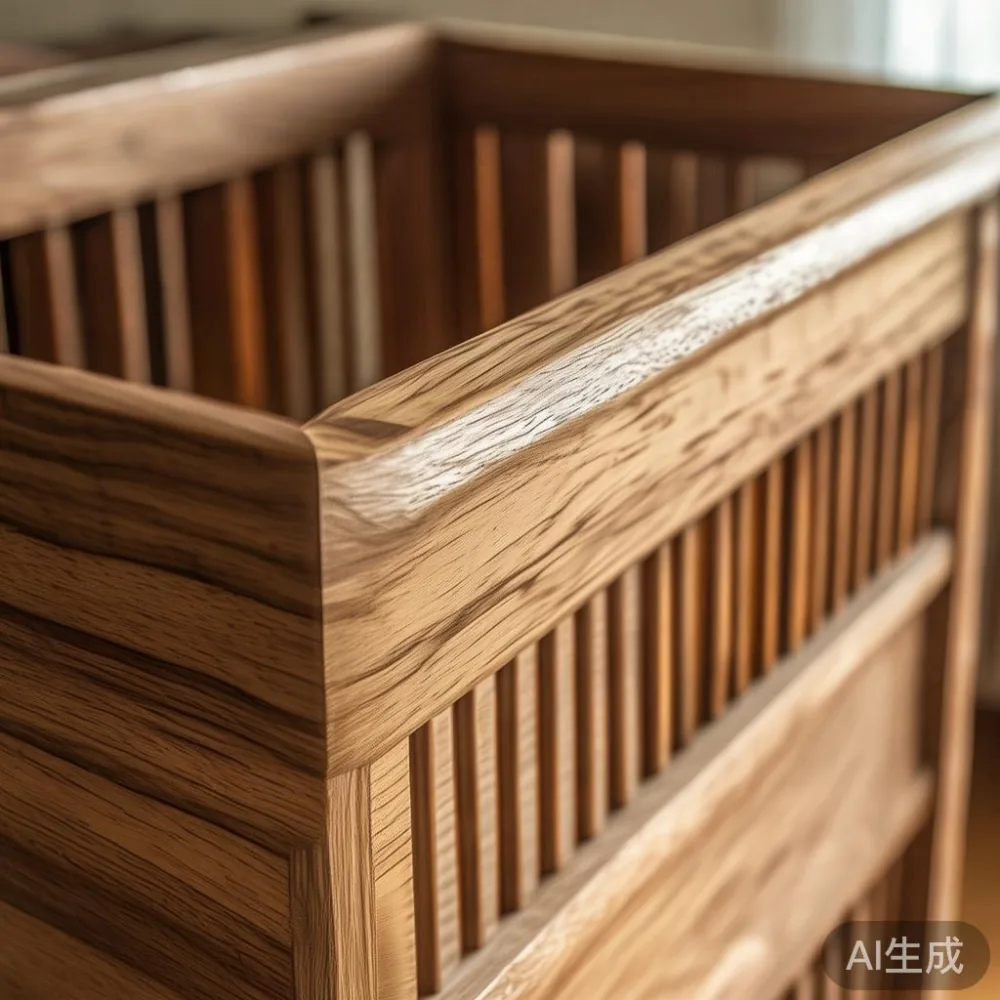
Before we discuss care, it's helpful to understand what you're working with. A lacquer finish is not a simple layer of paint; it's a complex, durable coating applied in multiple thin layers. Modern lacquers, especially those used on quality nursery furniture from makers like Midhill, are often catalyzed or converted lacquers. This means they cure through a chemical reaction, forming an extremely hard, non-porous surface. This hardness is what gives the finish its brilliant shine and resistance to everyday scuffs. The non-porous nature also makes it relatively easy to clean, as liquids and dirt don't soak into the wood underneath. However, this same hardness and chemical composition makes the finish sensitive to environmental extremes. The high humidity in Singapore can be absorbed by the wood substrate over time, causing it to expand ever so slightly. This expansion puts immense pressure on the rigid lacquer layer, leading to stress marks or, in severe cases, cracking. Conversely, sudden drops in humidity can cause the wood to contract, potentially pulling the finish away from the surface. Understanding this delicate balance between the wood and its protective shell is the first step in proper care.
Preventative Measures: Shielding Your Nursery Furniture from the Elements
The most effective way to care for a lacquered surface is to prevent problems before they start. In a tropical climate like Singapore's, this means managing the environment where the furniture lives. The ideal relative humidity for wood furniture is between 40% and 60%. While achieving this consistently in a Singaporean home is difficult, you can take steps to mitigate the extremes.
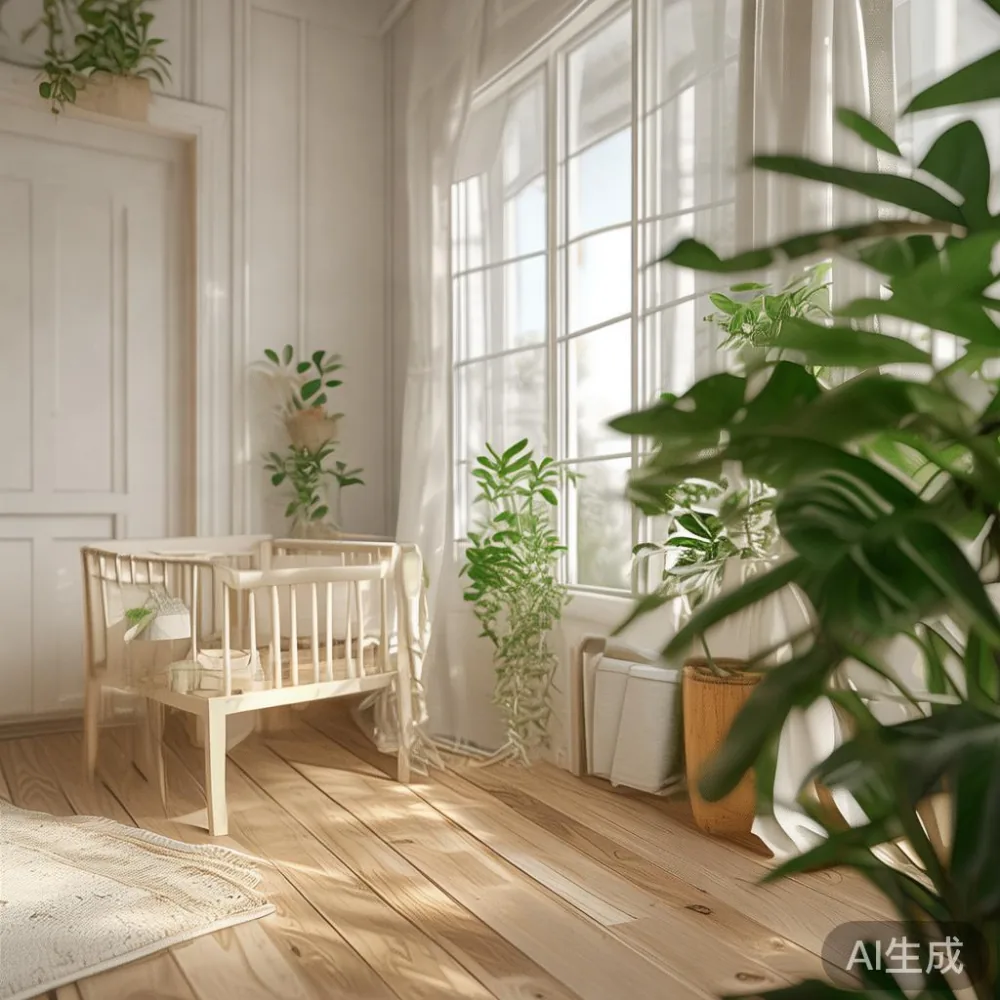
First, consider the placement of your nursery furniture. Avoid placing a nightstand or a changing table directly under or next to an air-conditioning vent. The constant, direct stream of cold, dry air can shock the finish, causing it to contract rapidly and potentially develop fine cracks. Similarly, keep pieces away from direct sunlight streaming through a window. The intense UV rays can fade the colour of the lacquer over time, causing it to look dull or discoloured. A simple cotton or linen curtain can filter the light effectively without blocking the view. For parents in older HDB flats or condos with narrow corridors, this also means avoiding placing furniture in a spot where it might be bumped or scraped as you move through the space. A corridor width of 1.2 metres, common in many Singaporean public housing, leaves little room for error.
Another simple preventative measure is to use coasters under any glass items, such as a marble table top placed on a dresser. Condensation can form on the cold glass and seep underneath, creating a ring of moisture that can damage the lacquer. Even a small, damp object left on the surface for too long can leave a permanent mark. The habit of using coasters is small but has a significant cumulative effect on preserving the finish's integrity.
How to Style an American Bed in Apartment Without Compromising on Care
Many parents in Singapore opt for a light luxury aesthetic for their nursery, inspired by American or French design principles. This often includes pieces like a solid wood bed frame with clean lines and a soft, matte lacquer finish. When styling an American bed in an apartment, the temptation is to layer it with soft textiles and plush toys. However, for a lacquered surface, it's wise to be mindful of what touches it directly. Avoid placing rough-textured items like jute baskets or wool blankets directly against the lacquered headboard for extended periods. The friction can create fine micro-scratches that will dull the shine over time. Instead, use a soft cotton or silk cushion as a buffer. This allows you to maintain the desired aesthetic while protecting the furniture's finish. The same principle applies to the floor around the bed. If you have a rug, ensure its backing is smooth and non-abrasive to prevent it from scuffing the lacquered bed frame's legs when you vacuum.
Cleaning Your Lacquered Nursery Furniture: The Gentle Approach
When it comes time to clean your nursery furniture, less is definitely more. Aggressive cleaners or rough cloths are the enemy of a high-gloss finish. For daily dusting, use a soft, lint-free microfiber cloth. A dry cloth is often sufficient, but for a quick wipe-down of sticky fingerprints, you can lightly dampen the cloth with water. Wring it out thoroughly until it is only slightly damp, not wet. Wipe in a single direction, following the grain of the wood if it's visible through the lacquer, or in long, smooth strokes. Never use a circular motion, as this can create fine swirl marks that will catch the light and become visible.
For more thorough cleaning, a dedicated wood cleaner formulated for lacquered or finished surfaces is a worthwhile investment. These cleaners are typically pH-neutral and designed to lift dirt without stripping the protective oils or damaging the finish. Apply the cleaner to the cloth, not directly onto the furniture, to prevent pooling. A single 500ml bottle of a quality wood cleaner costs around SGD 25 and can last for years with moderate use. Avoid all-purpose household cleaners, especially those containing ammonia or alcohol, as they will dull the finish over time. Also, never use wax-based polishes or silicon-based sprays. While they may provide a temporary shine, they create a filmy buildup that attracts dust and can be difficult to remove, eventually making the surface look cloudy and lifeless.
Addressing Common Lacquer Problems: What to Do When Things Go Wrong
Despite your best preventative efforts, issues can arise. The most common problems with lacquer in a humid climate are white spots (water rings), cloudiness, and stickiness. Here’s how to handle them.
White Spots and Water Rings: These are caused by moisture trapped under the finish. For very fresh, minor marks, you can try to gently buff them out. Using a clean, soft cloth, rub the spot in small circles with a tiny amount of non-gel toothpaste or a specialized furniture scratch remover. The mild abrasives in these products can sometimes wear down the white spot. However, this is a risky technique and can make the situation worse if done improperly. For more stubborn or older marks, heat can sometimes help. Using a clean, dry cotton cloth, rub the spot quickly with the flat side of a warm (not hot) clothes iron. The heat can help the moisture evaporate and the finish re-adhere to the wood. Keep the iron moving constantly and never let it touch the wood directly. If these methods fail, the damage may be too deep, and professional refinishing might be the only option. This is where a 10-year structural warranty and lifetime refinishing promise from a reputable manufacturer like Midhill becomes invaluable, offering peace of mind for your investment.
Cloudiness: A cloudy or hazy appearance usually indicates that the finish has been exposed to excessive moisture or harsh chemicals. It can also be a sign of a buildup from improper cleaning products. Start by washing the entire surface with a cloth dampened with a mixture of one part white vinegar to three parts water. Wring it out well and wipe the surface, then immediately follow with a clean, dry cloth to remove all moisture. If the cloudiness persists, it may require a more aggressive polish, which is best left to a professional to avoid causing permanent damage.
Why is My Lacquered Nightstand Sticky After a Few Months?
This is a frustratingly common question for parents in Singapore. A sticky feeling on a lacquered surface is almost always a sign of the finish breaking down. In our tropical heat, the chemical structure of the lacquer can be compromised, causing it to soften and become tacky. This is often a result of exposure to extreme temperature fluctuations or, more commonly, the use of the wrong type of cleaner. Many furniture polishes contain oils or silicones that, over time, can migrate into the lacquer and cause this reaction.
If you notice your nightstand becoming sticky, the first step is to stop using any furniture polish or cleaner immediately. You can try to clean the surface thoroughly with a cloth dampened with a mild solution of dish soap and water. Rinse the cloth frequently and ensure you wipe the surface dry afterwards. If the stickiness remains, it's a sign that the finish is compromised. At this point, DIY solutions are unlikely to work and could make the problem worse. The best course of action is to contact the manufacturer. A well-made piece of nursery furniture should stand up to the local climate, and a sticky finish is often a defect. For those who have invested in under 2000 Minimalist furniture for their nursery, ensuring it's made from quality materials and finishes is key to longevity. A professional assessment is necessary to determine if the piece can be stripped and refinished, which is a service often included with high-end warranties.
Long-Term Care and Seasonal Adjustments
Caring for your lacquered nursery furniture is an ongoing commitment. As seasons change, so does the humidity in your home. During the Northeast Monsoon season, from December to March, Singapore experiences its highest humidity levels, often exceeding 90%. This is the most critical time for preventative care. You might consider running a dehumidifier in the nursery for a few hours each day, especially if the room is on the upper floors of a condo where heat and moisture rise. A small 30-pint dehumidifier costs around SGD 300 and can significantly improve the environment for your furniture.
Conversely, during the Southwest Monsoon, from June to September, the air is drier. This is when you might need to add a bit of moisture to the air to prevent the wood from drying out too much. A simple bowl of water on a radiator or an ultrasonic humidifier can help. The goal is to maintain a stable environment, avoiding the extremes that cause the most stress to the wood and its finish.
Finally, remember that your nursery furniture is not just functional; it's part of your home's design. Whether you've chosen a Modern light luxury for apartment style with a sleek white lacquered crib or a more classic French-inspired wardrobe, the finish is what ties the look together. By understanding the unique challenges of Singapore's climate and adopting a gentle, consistent care routine, you can ensure that your nursery furniture retains its beautiful, reflective shine for years to come, providing a stunning backdrop for your growing family.