How to Care for Lacquered Nursery Furniture in Singapore’s Humid Climate
High humidity, frequent rain and condensation can make lacquered surfaces look dull within months, yet proper care can preserve their colour and sheen for many years. This guide explains how to maintain lacquered nursery furniture in Singapore HDB flats and condos, from Tampines and Bedok to Punggol and newer private developments.
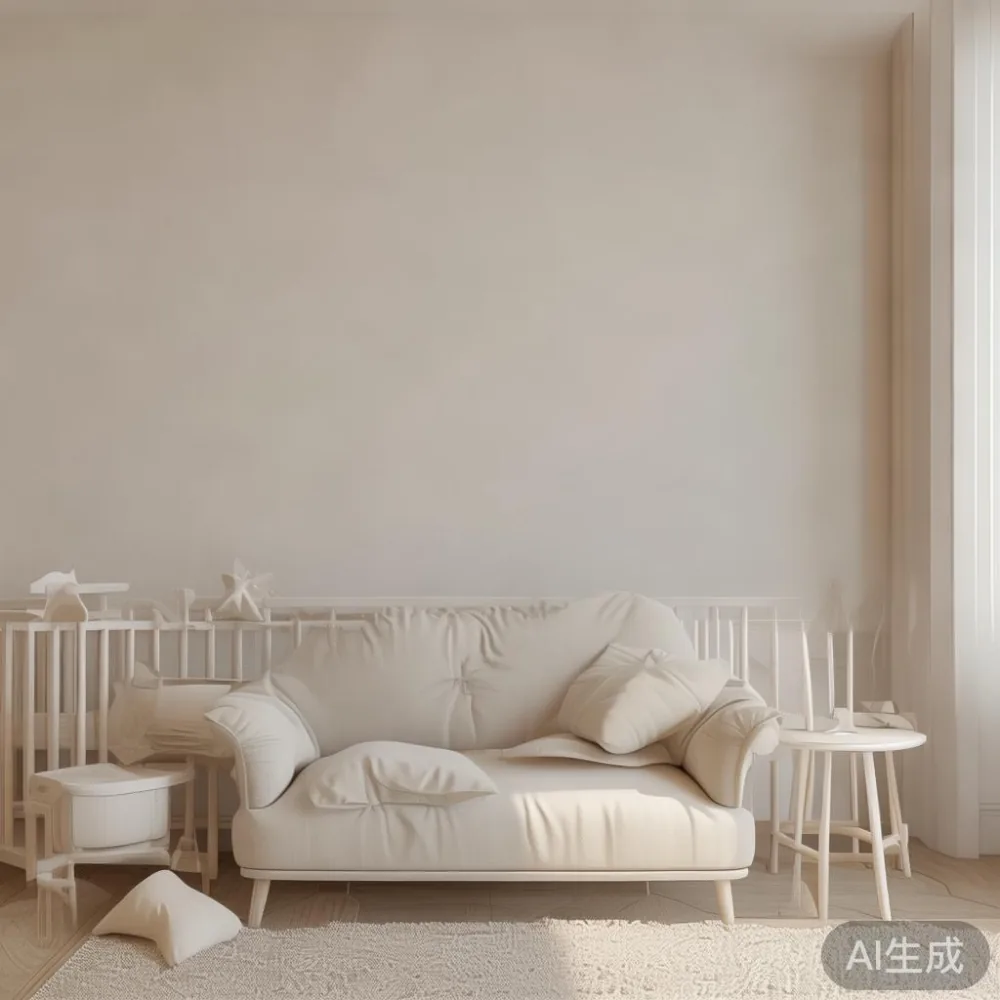
For homes where every centimetre matters, solid wood furniture should combine reliable construction with manageable care requirements. MIDHILL has manufactured solid wood furniture since 2008, exporting to more than 15 countries and offering a 10-year structural warranty, lifetime refinishing and free shipping for orders above US$350. Local prices below are stated in SGD, while qualifying orders receive GST-inclusive delivery within 14 days.
Why does lacquer need special care in Singapore?
Singapore’s climate creates a demanding environment for coated timber. Outdoor relative humidity commonly ranges around 65% to 90%, while air-conditioned interiors may sit near 50% to 65%. Lacquer is less permeable than unfinished wood, but its edges, joints and small surface defects can still admit moisture. Temperature changes of roughly 8°C to 15°C between a corridor and an air-conditioned bedroom may also encourage condensation.
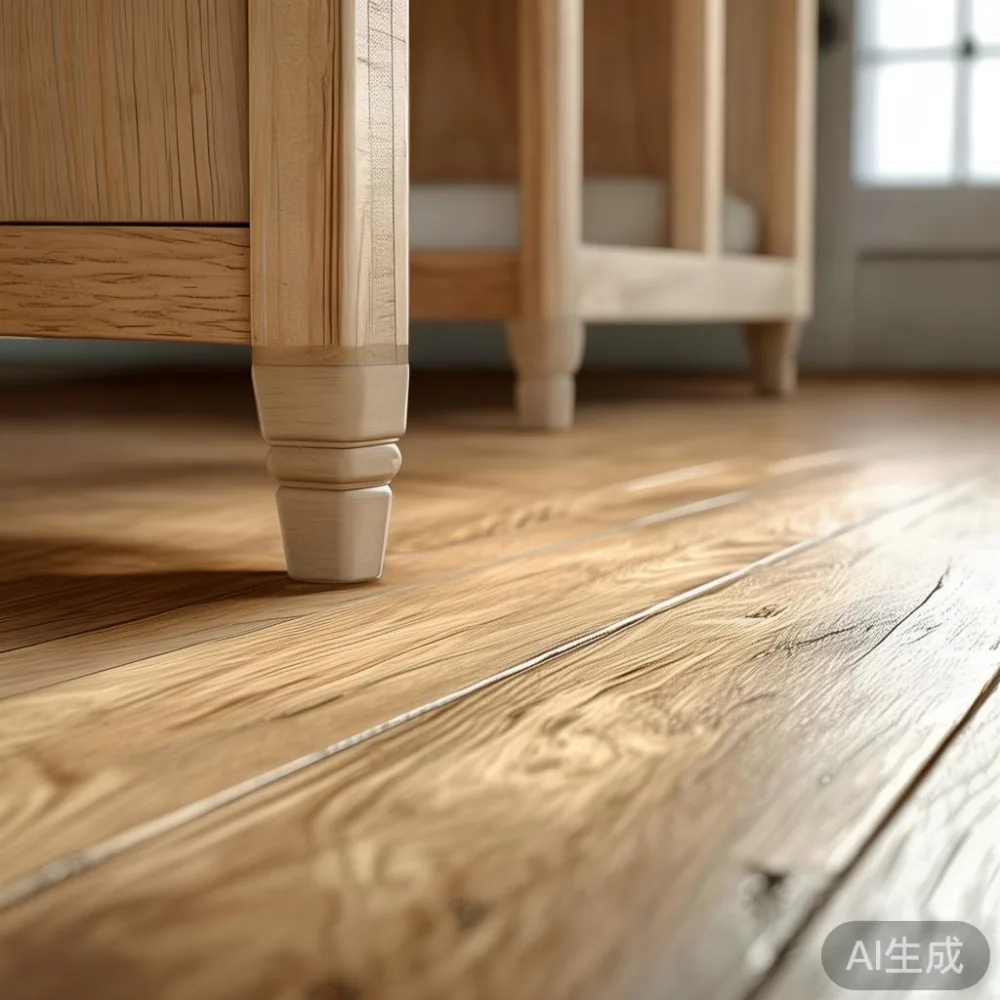
Nursery furniture is especially sensitive because young children touch, climb and spill more often. A cot rail at 85 cm above the floor can be touched many times each day, while a bedside surface may receive bottles, wet cloths and sunscreen residue. Lacquer protects the timber underneath, but it needs gentle cleaning and sensible placement to remain attractive.
Keep nursery furniture at least 30 cm away from open windows if condensation forms on the glass. Avoid placing a lacquered nightstand directly beneath an air-conditioning vent, where dust and cold airflow may settle. For wardrobes, allow 5 cm to 8 cm of ventilation space at the back where the installation instructions permit it, and check panels every 3 months for lifting around fittings.
How should I clean a lacquered surface without damaging it?
Use a soft microfibre cloth, lukewarm water and a small amount of mild dish soap. Mix about 1 teaspoon of detergent with 500 ml of water, dampen the cloth rather than the furniture, and wipe in the direction of the grain. A clean white cotton cloth can remove the remaining moisture.
Never soak the surface, flood the joints or use a household spray directly on the lacquer. Silicone, ammonia, abrasive pads and alcohol-based cleaners can cloud or soften some finishes. Test any unfamiliar product on a concealed 5 cm by 5 cm area for 24 hours before using it on a visible panel.
Spills should be removed promptly. For milk, juice or water, lift the residue with a dry cloth within 10 minutes, then clean the area using the diluted method. Do not scrub a dried mark aggressively; use a lightly damp cloth and allow up to 30 minutes for the cleaning solution to loosen the residue. Persistent marks should be assessed by a furniture professional rather than treated with metal polish or thinner.
Cleaning frequency depends on use. Wipe high-touch rails and table edges once a week, inspect them every 7 days and perform a fuller clean every 2 months. A cot used by a teething child may need wiping after every feed. Clean wardrobes and dressing tables every 2 to 4 weeks, with an immediate wipe after spills.
How do humidity and sunlight affect lacquer?
Heat and ultraviolet exposure can cause fading long before visible warping appears. In west-facing HDB bedrooms in Bedok or Tampines, afternoon sun can reach a nursery chair for 2 to 3 hours. Position the piece behind a sheer curtain with a UV rating of at least 40, or use a blind that filters direct rays while preserving airflow. Keep solid wood furniture and marble table accessories at least 25 cm from the window edge.
Check lacquer with a white fingertip. If the surface feels tacky, it may be sweating or experiencing a finish problem; move it away from direct airflow, improve ventilation and contact the supplier. If a coating has already bubbled, delaminated or developed a broad dull patch over 10 cm or more, stop using solvents and seek an assessment. A minor scratch of less than 2 cm can sometimes be treated carefully, but deep gouges should not be filled with ordinary paint.
Use a hygrometer if the nursery is regularly above 65% relative humidity. Aim for 50% to 65%, ideally with stable readings rather than abrupt changes. A compact unit costing SGD 25 to SGD 60 can provide a useful indication, although condensation and airflow still require observation. Empty HDB flats can rise above 80% during monsoon periods, so consider removing movable nursery furniture during unoccupied periods and placing protective pads beneath its feet.
Can I repair scratches, dents and peeling lacquer?
Small marks usually need less work than people expect. A soft cloth, diluted soap and patience can remove surface dust, while a clean eraser wrapped in cloth may reduce isolated scuffs on suitable hard finishes. Test the eraser on a hidden section because some decorative coatings can abrade. A 1 cm fingernail mark that does not catch should not be sanded aggressively.
For scratches, use a lacquer-safe touch-up product only after confirming the sheen and colour. Apply with a fine artist’s brush in a layer no more than 0.5 mm thick. Allow 24 hours before light use and 72 hours before heavy contact. Colour-matching is difficult across batches, so contact MIDHILL with photographs taken in daylight and close-up measurements of the affected area.
Dents in solid wood may sometimes be managed by placing a clean cloth over the depression and applying controlled steam from a handheld steamer held at least 15 cm away. Keep moisture away from lacquered edges and test the method on a hidden area. Do not use steam on peeling lacquer, as moisture can lift the remaining coating.
Lifetime refinishing refers to MIDHILL’s long-term service commitment rather than a promise that an accidental scratch will disappear without assessment. The 10-year structural warranty covers eligible structural issues, while surface treatment questions may require inspection and service terms. Clarify the scope before repair, and keep purchase records, finish samples and care notes.
How should nursery furniture be moved through HDB corridors and lifts?
Measure before delivery day. A standard HDB lift door may be about 90 cm wide, with internal dimensions that vary by block. Corridors in older estates can narrow to roughly 110 cm at turns, while modern condo service corridors may be wider but still include fire doors and tight corners. Record the narrowest point, lift height and internal diagonal, then add 5 cm to 10 cm of working clearance.
Protect the finish during movement. Wrap each lacquered panel separately in a clean blanket or foam sheet, secure it with soft straps and avoid adhesive tape directly on the surface. Carry a lacquered nightstand with two people if it weighs more than 15 kg. Remove drawers and shelves from a wardrobe before moving it; each loose component reduces weight and prevents impact against the carcass.
For European-inspired forms, a low solid wood sofa can be difficult to manoeuvre through a 90 cm lift door. Remove the seat cushions, turn the frame on its side where practical and use a furniture dolly rated for at least 1.5 times the item’s weight. A dining table may fit diagonally, but protect its lacquered corners with 2 cm foam guards. Never allow a dolly to roll across the finished face.
Can lacquered nursery furniture fit into a small Singapore bedroom?
Yes, with measured planning. A cot may occupy 70 cm by 140 cm, while a standard mattress is about 70 cm by 120 cm. Leave 75 cm to 90 cm beside the cot where possible, and keep access routes below 60 cm clear of storage boxes. A narrow nightstand with a depth of 35 cm to 40 cm can sit beside the bed without blocking a walkway.
French light luxury works well through pale timber, restrained profiles and tactile textiles rather than crowded ornament. For a complete room, a solid wood bed frame can establish the central composition, with a lacquered wardrobe and a marble table adding light, varied surfaces. Keep the marble table away from humid exterior walls and use a stable base rated for at least 12 kg to prevent tipping.
If the room measures only 2.4 m by 3 m, use low-profile pieces and avoid pushing furniture against external walls. A carefully planned solid wood sofa may suit an adjacent living room rather than the nursery itself. Searching for under 2000 Post-modern furniture can help define a budget, but the delivered dimension must remain the priority.
For an adult dressing area, European light luxury dressing table details can complement a pale nursery palette through curved edges and a compact footprint of approximately 100 cm by 45 cm. A Modern light luxury dressing table with one drawer gives useful storage without making a narrow room feel crowded. Apply the same moisture discipline used for nursery furniture.
How do I style a lacquered wardrobe and dressing table in the same room?
When learning how to style light luxury wardrobe in bedroom, begin with vertical alignment. Match the height of the wardrobe, dressing table and nightstand where practical, and repeat one material or colour across 2 or 3 objects. A pale wall, warm timber and off-white lacquer can create a calm post-modern light luxury effect suited to Singapore interiors.
A dressing table should not stand directly against a cold external wall. Leave a 3 cm to 5 cm gap for ventilation, and position a stool so it does not prevent drawers from opening. A drawer extension of 40 cm requires enough knee space for a seated adult to use it comfortably.
For the bed area, searching for how to style European bed in bedroom can reveal useful approaches to low profiles and balanced side tables. The same phrase appears in planning guides for how to style European bed in bedroom layouts, where the bed is treated as the room’s visual anchor rather than surrounded by excessive decoration. Confirm that the headboard and side surfaces will not scrape a nearby lacquered wardrobe.
For a living area connected to the nursery, Modern light luxury for small living room design depends on clearances and controlled finishes. Keep a solid wood sofa around 35 cm from a coffee table and no closer than 10 cm to a radiator or ventilation grille. Light textiles will soften lacquer without disguising marks that require attention.
What should a yearly tropical-care routine include?
Create a simple schedule based on the local climate and the child’s habits. Every week, inspect cot rails, touch surfaces and wipe visible marks. Every month, check the underside of tables, the edges of wardrobes and any place where furniture meets the wall. Every 3 months, clean reachable surfaces, inspect hinges and confirm that lacquer remains smooth and evenly coloured.
Once each year, review the finish before Singapore’s more humid months. Photograph lacquered panels under indirect daylight, compare them with earlier images and note changes near windows or exterior walls. Keep an inspection log for 10 years if the furniture carries a 10-year structural warranty. Record movement, humidity readings and corrective actions, especially after leaks or roof maintenance.
Move furniture only when necessary. Dragging a 30 kg dining table across a lacquered floor can scratch it; use felt pads rated for the actual weight and lift where safe. Replace loose pads every 6 months. For a cot or bed frame, check all screws every 3 months during the first year and every 6 months thereafter, following the maker’s torque guidance.
What is the best way to protect nursery furniture from spills and condensation?
Use trays and mats as daily barriers. A waterproof tray on a nightstand should have raised edges of at least 1 cm and fit completely within the top surface. A placemat beneath a bottle should measure 20 cm by 20 cm and leave a 2 cm margin around the base. Coasters are useful on a dining table, but select silicone or felt rather than rough cork that can trap grit.
Keep damp nappies, cloths and opened wet food away from lacquer. Store cloths in a washable basket and wipe any moisture within 15 minutes. During renovation or wet-weather flooding, move nursery furniture to a dry room and let it acclimatise for 24 to 48 hours before wiping it. Do not place it near a dehumidifier’s hot outlet.
For purchases, request lacquer-care instructions and finish samples before ordering. Confirm whether a lacquered dining table, wardrobe, nightstand or solid wood bed frame is finished on all exposed faces. Local deliveries should be timed after the room is clean and dry. Orders above US$350 qualify for free shipping, and Singapore customers can expect delivery in 14 days once the order is confirmed.
Returns remain available within 14 days under MIDHILL’s policy, subject to the applicable conditions. Photograph the furniture on arrival, retain the packaging and inspect the finish in daylight. If damage has occurred during delivery, document it before assembly. For any question about a specific finish, send measurements, clear photographs and the room conditions to midhillco@gmail.com.
How do I maintain lacquer without undermining its long-term finish?
Consistent, restrained care produces the strongest result. Use mild cleaning, control humidity, protect direct sunlight and address small marks before they enlarge. A lacquered nursery piece should not be treated as an outdoor object, but neither should it be placed next to a condensation-heavy window.
Give the finish time to settle after delivery. Keep heavy objects off a new dining table for 24 hours, avoid hanging damp laundry against a wardrobe and check nursery furniture after air-conditioning changes. A clean surface, stable room and thoughtful placement will preserve the lacquer’s depth and colour through many humid seasons.
Questions about maintenance can be answered with a photograph, the furniture model, room humidity and the location within Singapore. That information helps a specialist distinguish ordinary dust, a local spill or finish failure and recommend an appropriate next step without risking the surface.