Humidity, HDB Corridors, and Solid Wood Nursery Furniture: A Singapore Buyer's Field Guide
I will start with a confession. Last month I visited a friend's resale 4-room HDB flat in Punggol to help her set up the nursery, and within ten minutes of walking through the front door I could smell it — that faint, sweet, slightly stale note that tells you a piece of furniture has been fighting the climate for a year too long. It was a wardrobe. The drawers had begun to rub, the back panel had bowed by roughly 4 mm, and the customer service team at the original retailer had told her, in writing, that this was "normal seasonal movement." It is not normal. It is humidity, and in Singapore it is relentless. Average relative humidity runs between 70% and 90% for most of the year, indoor temperatures hover around 26°C to 30°C, and air-conditioning cycles on and off every time a child leaves the room. Any solid wood nursery furniture you bring into a Tampines, Bedok, or Punggol home is going to live inside that environment for the next decade, so it is worth understanding what is actually happening to the grain.
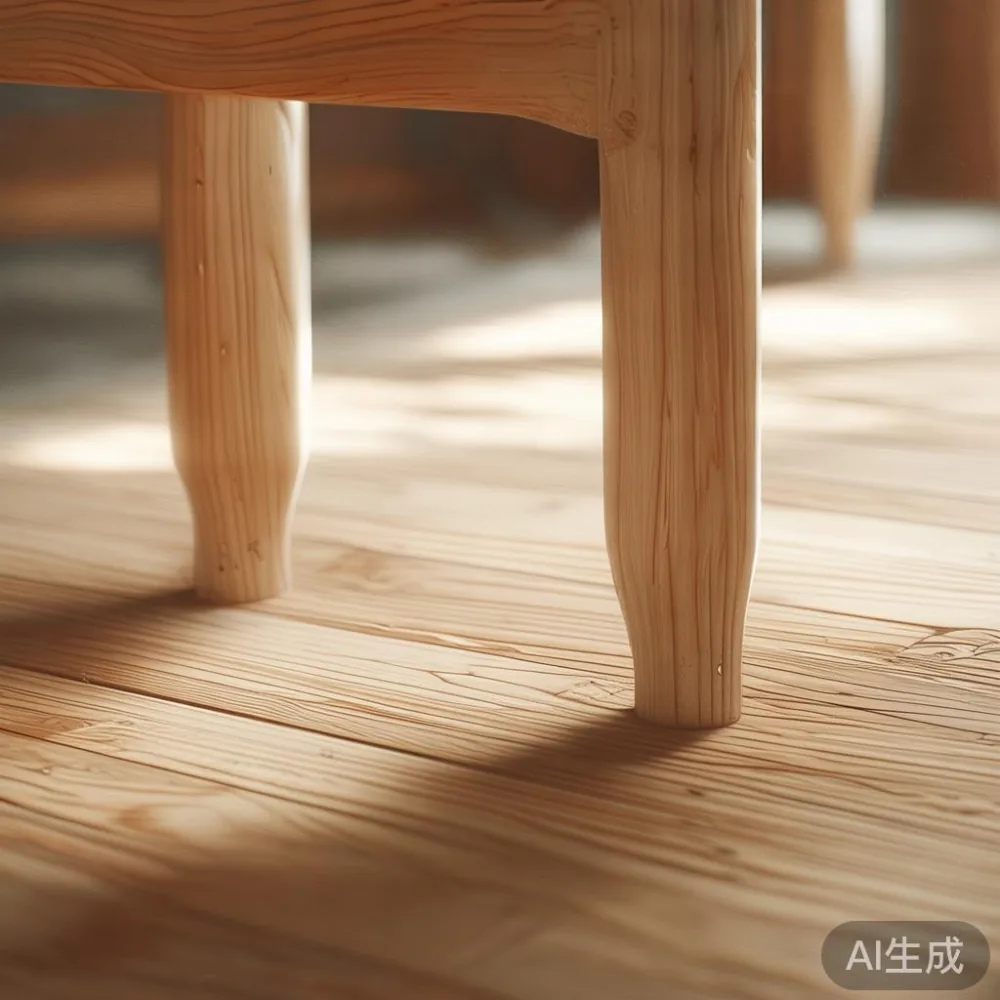
Why does Singapore humidity warp solid wood nursery furniture?
Wood is hygroscopic. That single word explains 90% of the complaints I hear from parents in HDB flats and condos. Timber absorbs and releases moisture from the surrounding air until it reaches an equilibrium moisture content, usually around 12% to 14% for indoor furniture in our region. When humidity spikes — and it does, often overnight during the monsoon months of November through January and again in June — the wood fibres swell. When the air-conditioner runs for six hours and drops the room to 55% RH, those same fibres shrink. A 120 cm wide solid wood wardrobe panel can move 3 mm to 6 mm across its width over a year. Across a 180 cm dining table top, you can see the gap at the breadboard end open and close with the seasons. This is why a flat-packed, MDF-heavy wardrobe often survives its first three years better than a beautiful solid wood one — and why parents searching for heirloom nursery furniture have to choose their maker more carefully than parents in dry climates do.
The species matters too. Rubberwood, which is common in mid-priced pieces, moves more than ash or oak. Walnut sits in the middle. Teak, properly kiln-dried, moves the least, which is one reason it has been used in boats for centuries. If you are browsing French light luxury or American light luxury designs and the spec sheet only says "solid wood" without naming the species, ask. A reputable Foshan workshop will tell you the wood, the moisture content at the time of packing, and the kiln-dry schedule. MIDHILL, for example, publishes a target 8% to 10% moisture content on its export crates and kiln-dries for 30 to 45 days depending on thickness. That single number is a better predictor of how your nursery wardrobe will behave in a Punggol master bedroom than any showroom photograph.
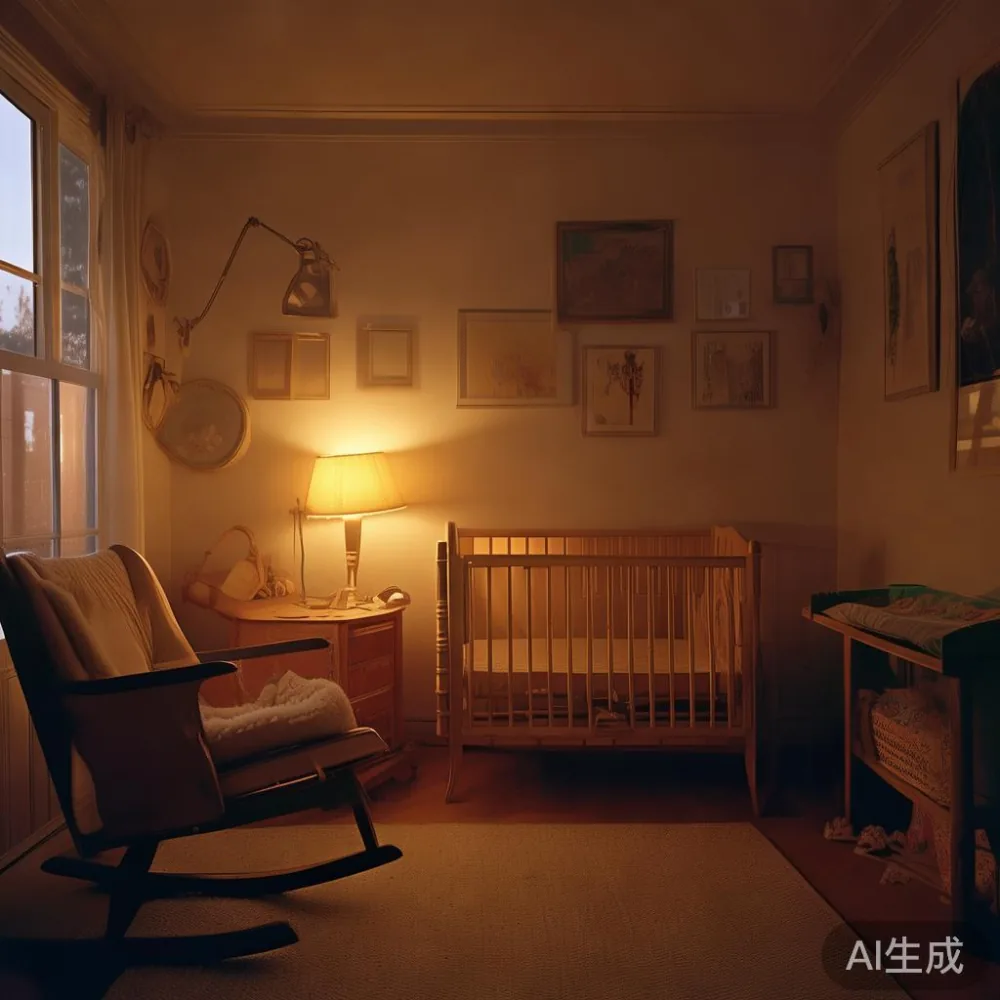
What humidity level should I keep my nursery at to protect a solid wood bed frame and wardrobe?
This is the question I get most often from new parents furnishing a small HDB nursery, and the answer is boring but important: 50% to 60% relative humidity, 24°C to 26°C, with the air-conditioner set to dry mode rather than cool mode during the wet months. A basic hygrometer costs S$12 to S$25 at any Tampines Mall electrical shop and will tell you more about your furniture's future than any warranty card. If the reading climbs above 65% for more than a few days, run a dehumidifier. A 10-litre Meaco or similar unit draws about 200 W and costs roughly S$0.04 per hour to run at the current tariff, far less than the S$120 to S$280 you would spend refinishing a bowed wardrobe door in year four.
For parents choosing a solid wood bed frame, the same rule applies, but with one extra consideration: the mattress. A pocket-spring mattress wrapped in a non-breathable PVC protector will trap moisture against the slats and create a perfect microclimate for mould. Use a breathable cotton or Tencel protector, leave 10 cm of clearance between the mattress and the wardrobe side panel, and never push a bed frame flush against an external HDB wall. The temperature differential between a concrete external wall and the room air can be 3°C to 4°C, and that cold surface condenses water vapour exactly where your child's head will be.
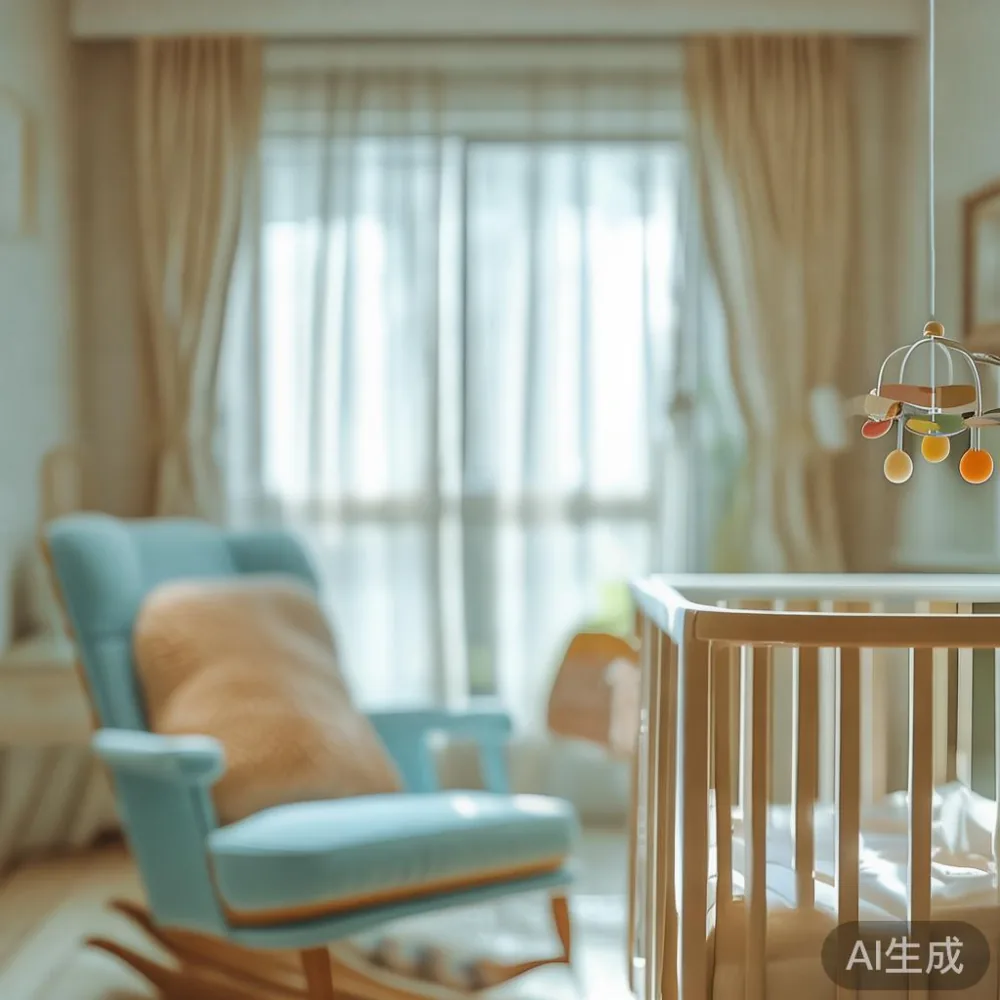
Can a French provincial wardrobe actually survive a Singapore condo nursery?
Yes, but only if the joinery is right, and this is where many first-time buyers parents get misled by showroom styling. A French provincial look — turned legs, soft curves, brass handles, that creamy painted finish — is everywhere in Singapore condo fit-out magazines right now, and it photographs beautifully. Underneath the paint, though, is usually a combination of solid wood frames and engineered panels, and the engineered panels are where the trouble starts. If the wardrobe back is a 9 mm MDF sheet and the side panels are 18 mm solid ash, the two materials will move at different rates and the back will eventually crack the paint film. When you are learning how to style French provincial wardrobe in apartment settings for a small HDB nursery, look for pieces where the back panel is also solid wood, even if it is a cheaper species, and where the drawers are dovetailed rather than stapled. Dovetails allow the wood to move as a unit; staples do not.
On the topic of styling, how to style french provincial sofa in apartment layouts is a related question that comes up because parents often want the sitting area outside the nursery to match. The honest answer is: in a 90 sqm Punggol executive HDB, you cannot fit a full three-seater french provincial sofa, a cot, a changing table, and a rocking chair without the room looking like a storage unit. Either scale the sofa down to a 180 cm loveseat or pick the post-modern light luxury direction instead — straighter lines, slimmer arms, still warm wood tones, but with a footprint that respects a 3 m x 3 m living room. Both styles work; one just asks for more square metres than most Singapore nurseries have to give.
Are marble tables and solid wood dining tables safe in a Singapore nursery or living area?
Marble has the opposite problem to wood: it does not move with humidity, but it does etch, stain, and — in a nursery context — it is unforgiving on small heads. A 120 cm round marble table weighs between 65 kg and 90 kg depending on thickness, which is fine on a ground-floor HDB slab but requires a freight lift booking of at least 1.2 m deep and 1.5 m wide if you live above the fifth floor in a newer Punggol condo. The standard passenger lift in most HDB blocks is 1.1 m deep and 1.4 m wide with a 630 kg to 850 kg capacity, so a heavy marble table will not fit. Confirm the lift and corridor measurements before you order. The 1.2 m minimum corridor width rule in most HDB blocks means a marble table longer than 2.2 m simply cannot make the turn from the lift lobby to your door.
For the dining table, the more useful question for parents is whether to choose solid wood or stone-top. A solid wood dining table in oak or ash, properly kiln-dried and finished with a hardwax oil, will forgive spilled milk, marker pen, and the occasional dropped spoon better than any marble or sintered stone surface, and it is warmer under a child's arms during mealtime. A 160 cm to 180 cm solid wood dining table seats six comfortably and weighs 35 kg to 50 kg, which is manageable through a standard lift. MIDHILL ships these knocked-down with a 3-piece leg-and-rail system that one parent and a delivery helper can carry up a single HDB staircase in under eight minutes — I have watched this done in a Bedok 5-room flat, and the only tool needed was a 10 mm hex key.
How should I measure my HDB or condo before ordering nursery furniture online?
Grab a tape measure, a phone with a level app, and thirty minutes. Measure the lift first: depth, width, and door height. Most HDB passenger lifts are 2.1 m tall, 1.1 m deep, and 1.4 m wide internally, but service lifts in newer condos such as those along the Punggol Way can be 1.6 m deep and 1.8 m wide — always measure the actual lift you will use, not the brochure. Measure the corridor turn: place a cardboard box the size of your largest furniture piece at the lift lobby and walk it through to your door. If it snags on the fire hose reel or the letterbox cluster, the furniture will too.
Next, measure the room. For a nursery, you want a minimum of 90 cm of clear walking space around the cot on three sides, and 60 cm on the fourth. A standard 60 cm x 120 cm cot against a 240 cm HDB wall leaves exactly 120 cm of usable floor — enough for a small wardrobe and a nursing chair, but not enough for a full-size french provincial style armchair. If your heart is set on that look, the nightstand becomes your styling anchor instead. A 45 cm x 40 cm x 55 cm solid wood nightstand with a single drawer and a small brass pull delivers the same provincial vocabulary at a fraction of the footprint, and it weighs 12 kg to 15 kg, so it is easy to move when the cot converts to a toddler bed in year three.
What is the real cost of owning solid wood nursery furniture in Singapore over ten years?
Let us do the math, because parents often only see the sticker price. A solid wood cot, wardrobe, and nightstand set in oak or ash from a Foshan workshop exporting to Singapore will land in the S$1,800 to S$3,400 range including GST, delivery to a mainland address, and basic installation. Add a matching 160 cm solid wood dining table for the living area at S$1,200 to S$2,000, a small marble-top side table at S$450 to S$900, and a two-seater sofa frame at S$1,500 to S$2,800, and a young family is looking at a S$5,000 to S$9,000 investment before a single mattress goes down. That sounds high against a S$1,200 flat-pack set, but spread across ten years of use and a second child, it is S$500 to S$900 per year per child — and the resale value on a solid wood wardrobe in good condition is typically 40% to 55% of new, because buyers in the resale market actively search for solid wood pieces that have already survived one HDB decade.
The hidden cost is maintenance. Budget S$80 to S$150 every 18 months for a professional hardwax oil refresh on dining and wardrobe tops, S$40 to S$60 per year for replacement felt pads on chair and sofa legs, and S$0 to S$50 per year on dehumidifier electricity if you run one 8 hours a day during the wet season. MIDHILL includes lifetime refinishing on its export-grade pieces, which means the workshop will sand and re-oil a tabletop once in the first ten years at no charge if the customer ships the top back — a service that on its own justifies a few hundred dollars of premium over a non-Foshan flat-pack competitor. Shipping a single tabletop from Singapore to Foshan and back costs roughly S$280 to S$420 by sea, so the math still works in the customer's favour.
Which nursery furniture style holds up best in a humid Singapore home?
After walking through more than forty HDB and condo nurseries over the past three years as part of my work with a few small Foshan exporters, my honest ranking is this. Nordic for small living room layouts — pale oak, soft edges, minimal hardware — copes with humidity beautifully because the species are chosen for stability, the finishes are matte hardwax oils that breathe, and the proportions are forgiving of a 90 sqm floor plan. If you are comparing a top 10 Nordic furniture shortlist for your nursery, lean towards pieces with continuous grain patterns on the wardrobe doors and avoid the very pale laminates that show tide lines within a year.
Scandinavian for small living room design is the same family of thinking, just with slightly more contrast between the wood and the painted elements. Both work in our climate because both traditions grew up in places with strong seasonal humidity swings, so the joinery was designed to move. French light luxury, on the other hand, was designed for the dry interiors of Provence and Paris apartments where 40% RH is normal, which means the tolerances are tighter and the painted finishes are less forgiving. You can still buy a beautiful french provincial cot for your Singapore nursery — I have seen several in Punggol and Bukit Timah homes that look perfect after five years — but you must choose a maker who kiln-dries aggressively and uses marine-grade finishes on every internal surface. The phrase French for small living room gets tossed around in condo brochures, and it sells, but it sells on aesthetic, not on climate suitability. Pick the maker, then pick the style.
Where can I browse and compare solid wood nursery furniture online before committing?
Start at the source. A small number of Foshan workshops now maintain English-language catalogues with live stock and Singapore delivery slots, and the largest of them carry the full range from cot to wardrobe to dining table under one roof. MIDHILL, for instance, lists its cot, six-drawer wardrobe, nightstand, dining table, and small marble table as a coordinated nursery-and-dining collection, which means the timber, finish, and hardware all match across rooms — something you will appreciate on the day you realise your toddler has wandered out of the nursery and into the living room with a marker pen. You can browse the collection at m.midhill.co and filter by Singapore HDB delivery, which adds roughly S$120 to S$280 to the order depending on the floor and the lift situation. Free shipping kicks in above roughly US$350, which a full nursery set will comfortably exceed, and GST is calculated at checkout at the prevailing 9% rate.
When comparing two catalogues side by side, look for four numbers: the species, the moisture content at packing, the finish type, and the warranty length on structural joints. Anything below 8% moisture content, kiln-dried for at least 30 days, finished with hardwax oil or conversion varnish, and backed by a 10-year structural warranty is in the right bracket for a Singapore home. Anything above 12% moisture content, finished only with nitrocellulose lacquer, or warrantied for fewer than five years, will warp within two monsoon cycles. The difference between a S$1,200 flat-pack and a S$2,800 solid wood set is, more often than not, the difference between those four numbers being honest or aspirational.
One last thing parents in Tampines, Bedok, and Punggol should know
If you are furnishing a nursery in a resale HDB flat built before 2010, check the wardrobe recess before you order. The standard recess is 60 cm deep, but I have measured recesses as shallow as 52 cm in older Bedok blocks and as deep as 68 cm in newer Punggol BTOs. A 55 cm deep wardrobe will sit inside a 60 cm recess with 2.5 cm of breathing space on each side — enough for air movement, which is what you want. A 60 cm deep wardrobe in the same recess will be tight against the wall, and any seasonal swelling will telegraph through the side panel as a bow within eighteen months. Order the smaller depth, leave the air gap, and your nursery wardrobe will outlast two children and probably a third if your family grows that way.