Humidity Impact on Solid Wood Nursery Furniture in Singapore
Singapore’s tropical climate can change the dimensions of solid wood nursery furniture in ways that are easy to overlook. Humidity enters through open windows, corridor air, bathroom spills and air-conditioning gaps; it also leaves again when a room cools at night. The result is repeated expansion and contraction, not permanent damage in every case. For families in HDB flats and condos across Tampines, Bedok and Punggol, choosing furniture that suits the local climate matters as much as choosing a colour or style.
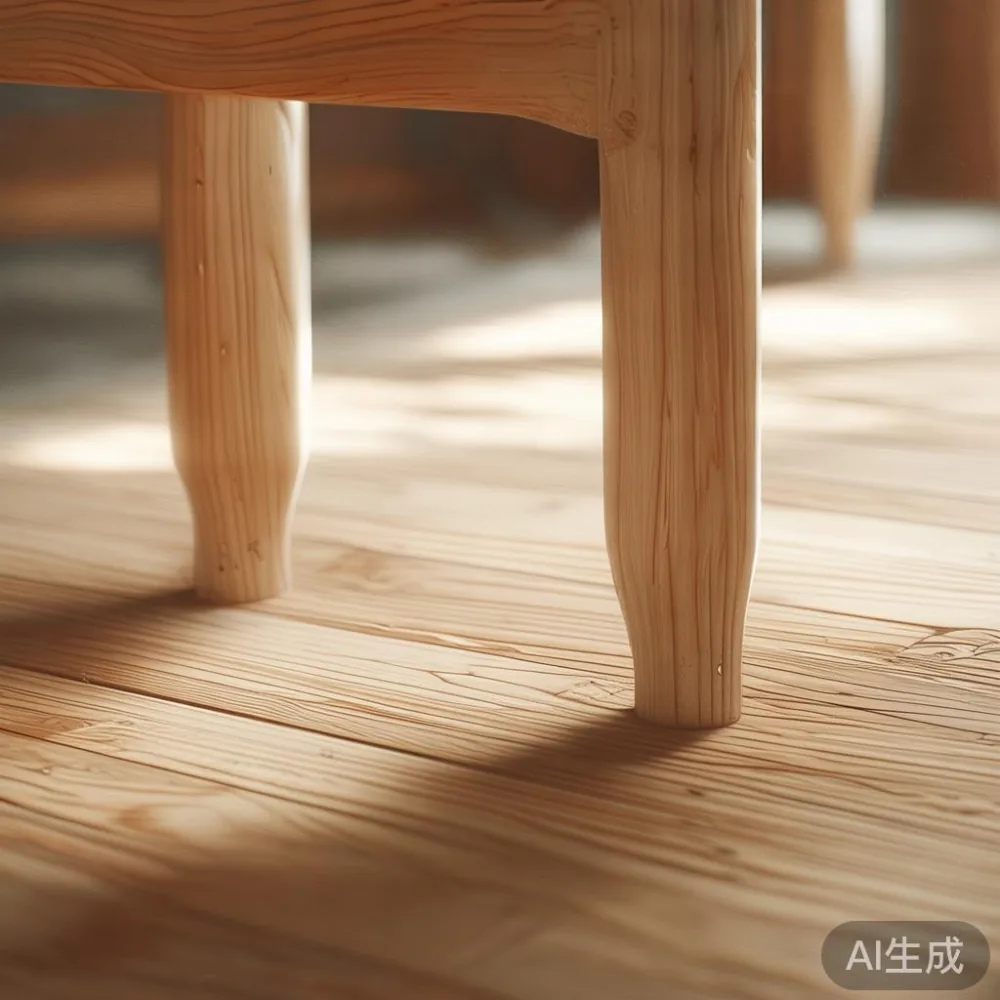
At MIDHILL, we design nursery furniture as practical pieces for humid homes: solid wood bed frames, wardrobes, nightstands and storage units with finishes that can be maintained rather than treated as disposable. A 120 cm cot converted into a toddler bed, for example, must remain stable through several humid nights. A wardrobe near a laundry balcony must also tolerate damp air without distorting its doors.
Why Singapore humidity affects solid wood
Singapore records high relative humidity throughout the year, and indoor conditions can change quickly. A west-facing Tampines bedroom might sit near 32°C and 80% relative humidity before air-conditioning begins. By midnight, it may fall to 25°C and 65%. Wood responds to that shift by gaining or losing moisture.
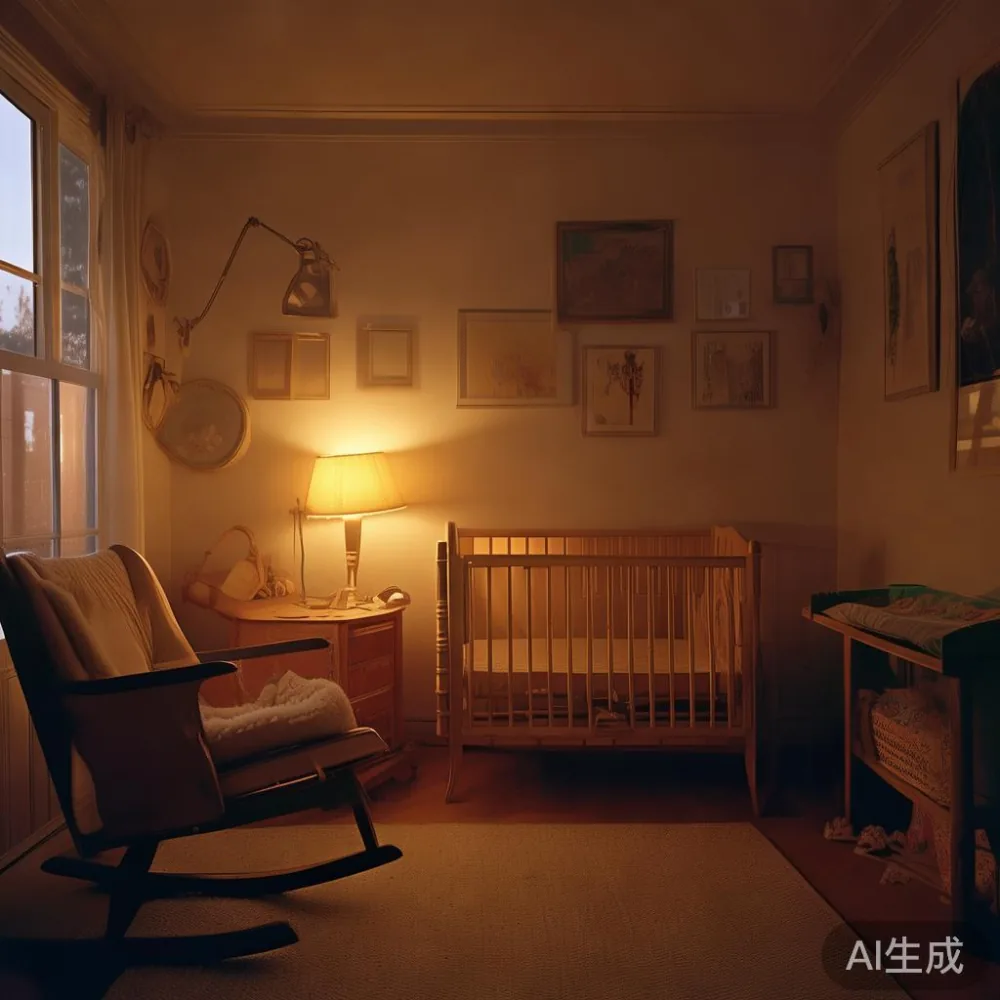
The movement is measurable. Solid hardwood can move about 0.2% to 0.3% across its grain for each 1% change in moisture content, while movement across the grain is much smaller. A 150 cm wide solid wood bed frame may therefore expand by roughly 3 mm to 5 mm across a substantial moisture change. A 180 cm wardrobe carcass with timber doors can develop small gaps if panels and door stiles have different moisture levels.
Humidity does not affect every species equally. Teak and mahogany are naturally more stable in humid conditions than many softer hardwoods, although finish, panel construction and grain direction still matter. Plywood and engineered timber can also be used in selected nursery furniture, but solid wood remains valuable where longevity, repairability and firm construction are priorities.
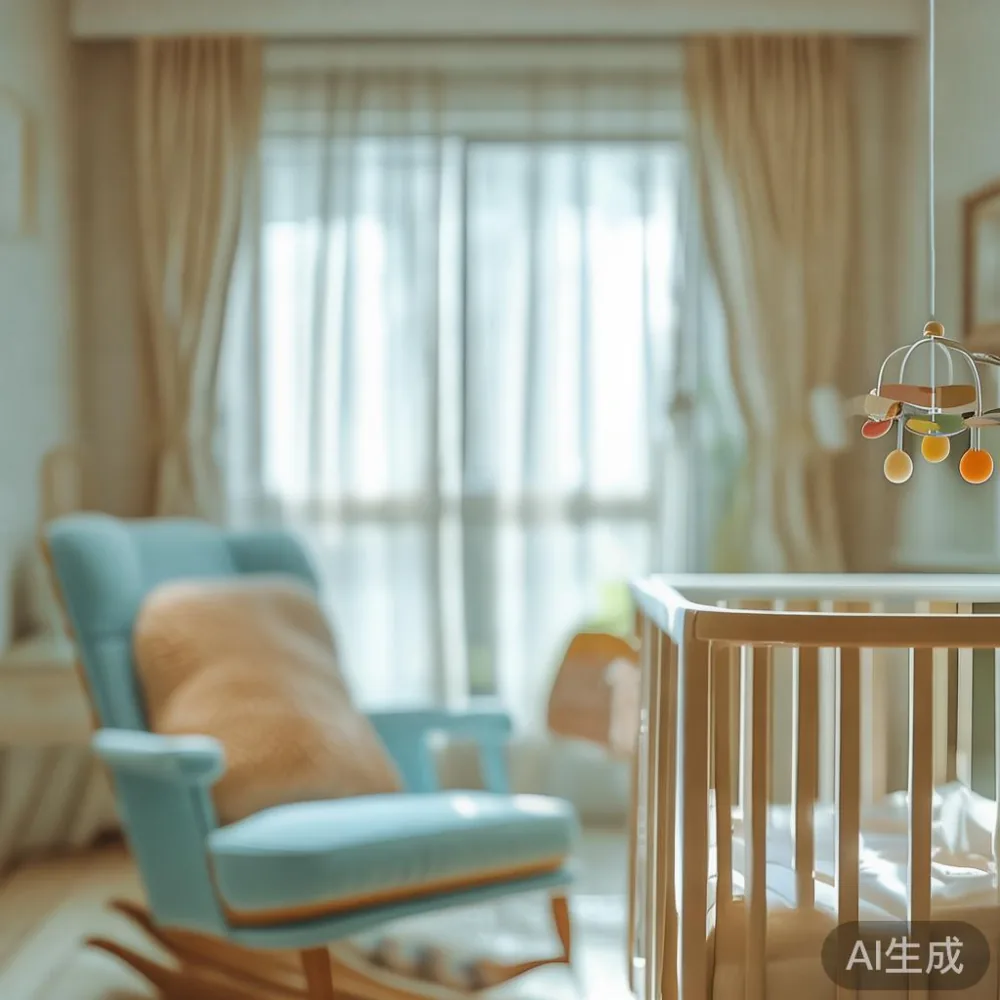
The common myth is that air-conditioning alone protects furniture. In reality, a room may be dry from 9 p.m. to 6 a.m. and humid for the remaining 15 hours. Repeated cycling stresses joints, drawer runners and veneer edges. Stable placement away from exterior walls, direct sunlight and bathroom doors reduces this movement.
How much moisture should solid wood nursery furniture have?
For furniture used in Singapore, an indoor relative humidity range of roughly 45% to 65% is sensible. Short periods near 70% can be tolerated if air moves around the furniture, but prolonged exposure above 70% increases the risk of mold on unfinished surfaces and swelling around tight joints.
A practical goal for new furniture is moisture content close to the room where it will stand. Wood manufactured in Foshan may be conditioned for humid conditions, yet a dry-air delivery from a very cold lorry can still lower its surface moisture. Allow new nursery furniture to acclimatise for 7 to 14 days before tightening adjustable parts or loading it with heavy objects.
Use a simple hygrometer rather than guessing from a weather app. Place one 20 cm above the floor and another near a wardrobe’s upper side. In a typical HDB flat, readings may vary by 5% to 10% between the corridor-facing wall and the interior partition. If possible, record readings at 8 a.m. and 10 p.m. for 3 days before deciding whether a cabinet needs adjustment.
For a cot converted into a toddler bed, check the guardrail, ladder and slats every 3 months during the first year. The frame should remain firm, with no more than about 2 mm of side play between components. Avoid forcing a swollen drawer against its runner; trapped moisture can make repairs more expensive.
What should I do before a wardrobe arrives in a Singapore apartment?
Measure the route before delivery day, including the lift, corridor turns and bedroom doorway. A standard HDB lift may offer an internal door width of about 90 cm and a depth near 140 cm, but building-specific dimensions vary. A 120 cm wardrobe may fit into the lift diagonally, while a 180 cm unit may need to be brought upstairs in 2 sections or assembled inside the room.
Leave at least 5 cm of clearance behind a tall wardrobe and around side panels where possible. This permits airflow and allows the carcass to move without pressing against a wall. If the piece stands against an exterior wall, consider a 10 cm gap at the back or a low plinth that raises the base slightly above the floor.
Keep delivery packaging intact until the furniture is in position. The instructions for how to choose French wardrobe should include the actual internal width, drawer travel, wall fixing method and finishing options, not merely decorative details. Look for adjustable shelves, soft-close hinges and ventilation slots. For a bedroom used as a nursery, a 150 cm wide wardrobe with 2 hanging sections and 4 shelves can organize baby clothes, folded blankets and a 30 cm tall changing table.
Those working on how to style European wardrobe in apartment layouts should coordinate door swings with the cot, changing station and bedside path. A corridor-facing door should not open into the cot’s sleep space. In a compact 9 m² bedroom, a 55 cm wide nightstand can stand beside a 120 cm bed frame while preserving a 60 cm path.
Does Singapore humidity damage nursery furniture?
It can, but damage is usually gradual and preventable. Watch for doors that no longer close evenly, drawer fronts that touch the carcass, a soft or musty smell, and dark patches near the floor. White marks around water rings indicate a finish that needs attention, while black specks can suggest surface mold and should be treated promptly.
Keep nursery furniture at least 60 cm from an open bathroom or laundry door. Wipe spills within 15 minutes. Use a coaster with a diameter of at least 8 cm beneath a cup, and do not place a bottle of formula or important-oil diffuser directly on a nightstand. Direct heat can dry one area while the surrounding wood remains damp.
For cleaning, use a lightly damp cloth with mild soap and dry the surface immediately. Do not soak a drawer base, use a wet mop against a wardrobe plinth, or apply oil to an unfinished panel. A dust cloth used every 2 weeks removes grit before it scratches the finish.
Solid wood repairs are a genuine advantage in Singapore homes. Small scratches can be sanded and refinished; a loose drawer runner can be replaced. MIDHILL offers lifetime refinishing on eligible solid wood pieces, which can extend the life of a bed frame or dining table through multiple nursery stages and family moves.
Which finishes work best for humid Southeast Asian homes?
Hardwax oil can give solid wood a natural appearance, but it requires more attentive care than a tougher film finish. Water-based polyurethane or polycrylic finishes create a sealed barrier that is convenient for children’s rooms and easier to wipe clean. A matte finish is less likely to show fingerprints than high gloss, though it can still mark under heat.
Seal all exposed edges, undersides and end grain where practical. For a marble table used as a nursery changing surface, keep the stone and its wooden support separate from prolonged dampness. Marble itself is not harmed by ordinary humidity, but moisture reaching the adhesive, support frame or wall can cause staining and loosening.
Color choice also affects the visual result. Pale solid wood shows water rings and dirt sooner, while mid-tone walnut and teak conceal small marks better. French light luxury styling often uses pale woods, yet American light luxury tones can suit warm humid rooms without making every stain obvious.
For European-inspired pieces, research on wholesale European light luxury furniture should distinguish solid timber from veneer and assess the humidity rating of the finish. Search results for cheap French provincial furniture may offer low prices, but a missing moisture specification or thin 3 mm back panel can reduce service life. A French provincial dressing table may use decorative carvings that trap dust, so smooth edges and accessible surfaces deserve attention.
How can a family make a Modern light luxury bed more stable?
A Modern light luxury bed can sit comfortably in a Singapore bedroom when its construction accepts seasonal movement. Look for a solid wood slat base rather than a rigid panel that traps moisture. Slats should sit within 2 mm to 3 mm of their support rails, with spacing that follows the bed manufacturer’s safety instructions.
For a child’s room, a low 28 cm to 35 cm platform can make changing easier and improve airflow beneath the frame. However, the bed should not stand in a floor recess where damp collects. Use felt pads under the legs and check them every 6 months. A 140 cm by 200 cm bed can accommodate a child up to about 6 years, depending on the occupant’s height and the manufacturer’s limit.
My colleague tested a teak bed frame in a Bedok condo last month by placing it beside a corridor wall with roughly 65% to 72% humidity for 7 days. Door gaps closed evenly, and the measured width changed by about 1.5 mm. After relocation to a room held near 55%, it returned to within 0.5 mm of its recorded width. That small test showed why a flexible frame and careful acclimatisation are more useful than treating wood as completely immobile.
How should solid wood dining tables and other family pieces be protected?
The same principles apply to a dining table, although larger surfaces react more visibly. A 200 cm solid wood dining table may expand around 4 mm to 6 mm across its grain during a substantial moisture change. Avoid trapping it between a fixed wall and a cupboard. Maintain at least 10 cm between table edges and warm walls where space allows.
Place the table away from air-conditioning vents that create rapid moisture swings. Use a broad mat beneath a hot dish, and coasters beneath drinks. If the table becomes sticky in humid weather, clean the surface rather than applying more polish. Excess finish can become tacky and collect dust.
For a nightstand, keep the back 5 cm away from the wall and avoid running electrical cable boxes directly against the timber. A 45 cm wide nightstand with 1 drawer and 1 open shelf should hold a lamp, nappy wipes and a 20 cm changing pad without crowding the bedside zone.
Humidity control is a shared household responsibility. Running air-conditioning for 2 to 3 hours can lower room humidity, while a dehumidifier may hold a bedroom near 55% to 60%. Do not aim for a sealed, perfectly constant number if that requires constantly opening doors to a corridor. Stable conditions within a reasonable range are more practical.
How do delivery, GST and installation affect a Singapore nursery project?
Singapore prices are normally shown with GST included, so compare the full invoice rather than adding tax later. A 120 cm solid wood nursery bed may retail around SGD 1,290 to SGD 1,890, while a matching 80 cm wardrobe may cost SGD 1,190 to SGD 2,090. A 100 cm French-style cot bed can range from about SGD 1,090 to SGD 1,690 depending on timber, finish and adjustable features.
Delivery timing matters because furniture should acclimatise before use. In many Singapore addresses, MIDHILL offers delivery in 7 to 14 days after order confirmation, with longer timing for made-to-order or bulky pieces. Free shipping applies above US$350, or roughly SGD 460 at a typical exchange rate; the exact local threshold and checkout terms should be confirmed before purchase.
Singapore’s 14-day return policy gives families time to check dimensions and appearance, but hygiene rules for mattresses, fitted sheets and opened children's products may differ. Inspect a wardrobe for moisture-related movement within the return window and document its condition with photographs. Do not install a 180 cm unit if the lift or doorway cannot accommodate it safely.
MIDHILL was established in 2008 and exports to more than 15 countries, giving its production team experience with multiple climate zones. Its 10-year structural warranty covers qualifying structural failures, while lifetime refinishing supports long-term care. These services matter in a humid region because good timber furniture should be maintained and renewed rather than replaced after a minor swelling issue.
What simple humidity checks should parents make every month?
Use the first weekend of each month for a 10-minute inspection. Read the hygrometer near the floor, check wardrobe doors and drawer gaps, and look beneath the bed frame with a torch. A sound wardrobe should have no mold, no damp odor and no warped base. Squeaky joints can be tightened, but swollen components should be allowed to acclimatise before force is applied.
Keep a 60 cm nursery clearance around a changing table and avoid placing wet laundry baskets against furniture. If a bathroom door faces the nursery, keep it closed during showers and leave the air-conditioning on for 20 minutes afterward. For corridors with little ventilation, move cots and toy storage away from the entrance so moisture does not settle around legs and lower rails.
Do not use a fan to “dry” a damp wardrobe at high speed. Moderate airflow helps, but a strong fan applied for several days can dry one face faster than another and encourage cracking. Move the piece only if the floor is wet or there is visible mold, then wipe and dry it gradually.
Humidity is not a reason to avoid solid wood nursery furniture. It is a reason to select stable timber, suitable finishes, ventilated placement and a maintenance routine. In Tampines, Bedok, Punggol and other Singapore homes, those decisions determine whether a nursery piece remains steady through wet seasons, dry air-conditioned nights and years of family use.