Warm Minimal HDB Style: Matching Solid Wood Furniture the Right Way
Warm minimal is the style most new parents in Tampines, Bedok, and Punggol ask me about, and for good reason. A 4-room HDB flat rarely gives you more than 90 sqm of living space, the corridor widths in newer BTOs run about 1.2 m, and your lift opening is usually 0.9 m wide by 2.1 m tall. None of those numbers love a chunky dresser or a 2.4 m wardrobe swung sideways. What they do love is slim solid wood pieces, pale tones, and one or two warm accents. This guide walks through how to pick a solid wood sofa, bed frame, dining table, wardrobe, nightstand, and the occasional marble table, so the whole flat reads calm, warm, and grown-up, even with a baby gate near the kitchen.
What exactly is warm minimal, and why does it suit a Singapore HDB?
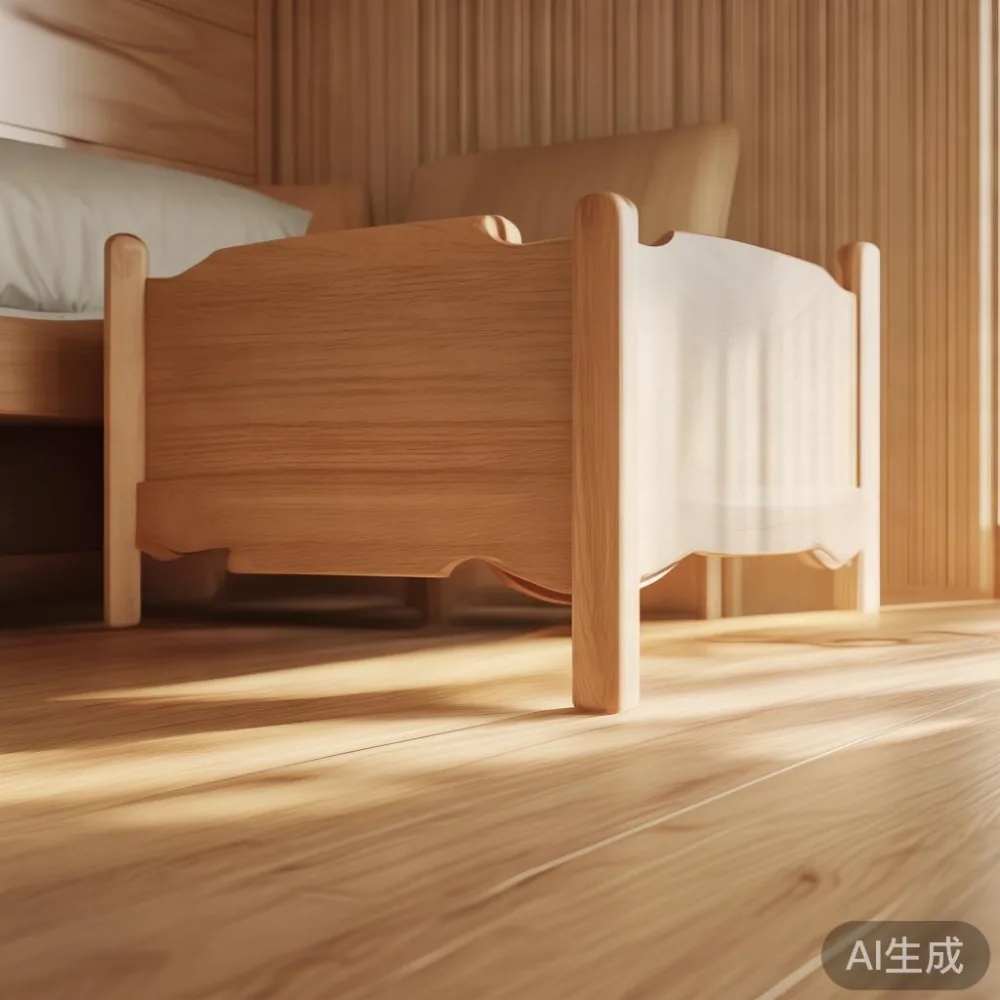
Warm minimal is the meeting point of two ideas that usually fight each other: the clean lines of Japanese and Scandinavian design, and the soft, lived-in feel of European country houses. You keep the empty space, the flat planes, the lack of skirting clutter, but you add warmth through honey-toned solid wood (oak, ash, beech, or walnut), boucle or linen upholstery, a single vintage rug, and one warm-metal light fitting. In a 92 sqm Punggol condo I visited last month, the owner had painted three walls in a warm off-white (something around NCS S0500-N), the fourth wall in a soft clay, and dropped a 1.6 m solid wood dining table in ash under a linen drum pendant. The flat felt twice as calm as the next-door unit, which had floor-to-ceiling gloss white and a glass dining set.
There is a practical Singapore reason this works. Warm minimal hides scuffs. Light cool tones show every fingerprint and dust mote; honey ash with an open-pore matte oil finish does not. With GST at 9% and furniture prices already inflated by shipping, you do not want to repaint every year.
Is a solid wood sofa a good idea for a small HDB living room?
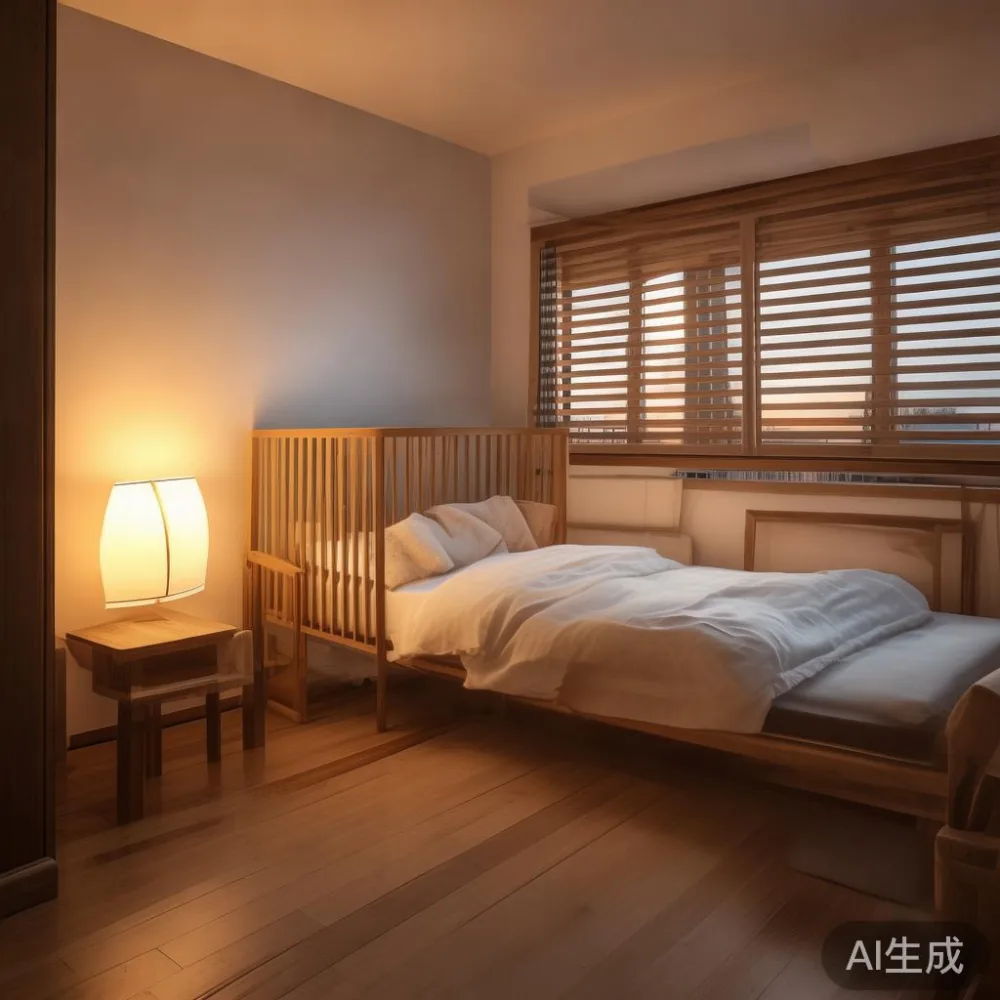
Short answer: yes, if you pick the right frame. A solid wood sofa is not the same thing as a leather recliner from a Marina Square showroom. The good ones use kiln-dried ash or beech for the inner frame, sinuous springs or pocket coils, and removable washable covers. For a 3.2 m wall (which is what most 4-room HDB living rooms give you after you account for the 20 cm skirting and the air-con ledge), look for a three-seater between 200 cm and 220 cm wide, 90 cm deep, and 85 cm tall at the back. Anything deeper than 95 cm eats your walkway. If you entertain often, a 240 cm L-shape works, but check the lift before you buy. A flat-pack solid wood sofa from a Foshan factory typically ships in two cartons of 28 kg and 22 kg, which is fine for a single trolley trip from the loading bay to your unit on the 14th floor.
For warm minimal, choose a sofa in oat boucle, sand linen, or a very pale greige velvet. Skip the cool greys, skip the charcoal, and skip anything called "ash grey" that actually photographs blue. If you want a touch of drama, a French light luxury sofa with rolled arms and a hand-tied spring base will sit beautifully in a flat with 3.5 m ceilings, but make sure the arms are no higher than 75 cm so the room does not feel chopped in half. One comparison worth making before you order: the choice between a light luxury sofa vs Italian light luxury sofa often comes down to silhouette; Italian versions lean lower and wider, with thinner arms, while French versions keep the cushioned rolled arm and a slightly taller back.
How should I pick a bed frame, wardrobe, and nightstand for a nursery-meets-warm-minimal room?
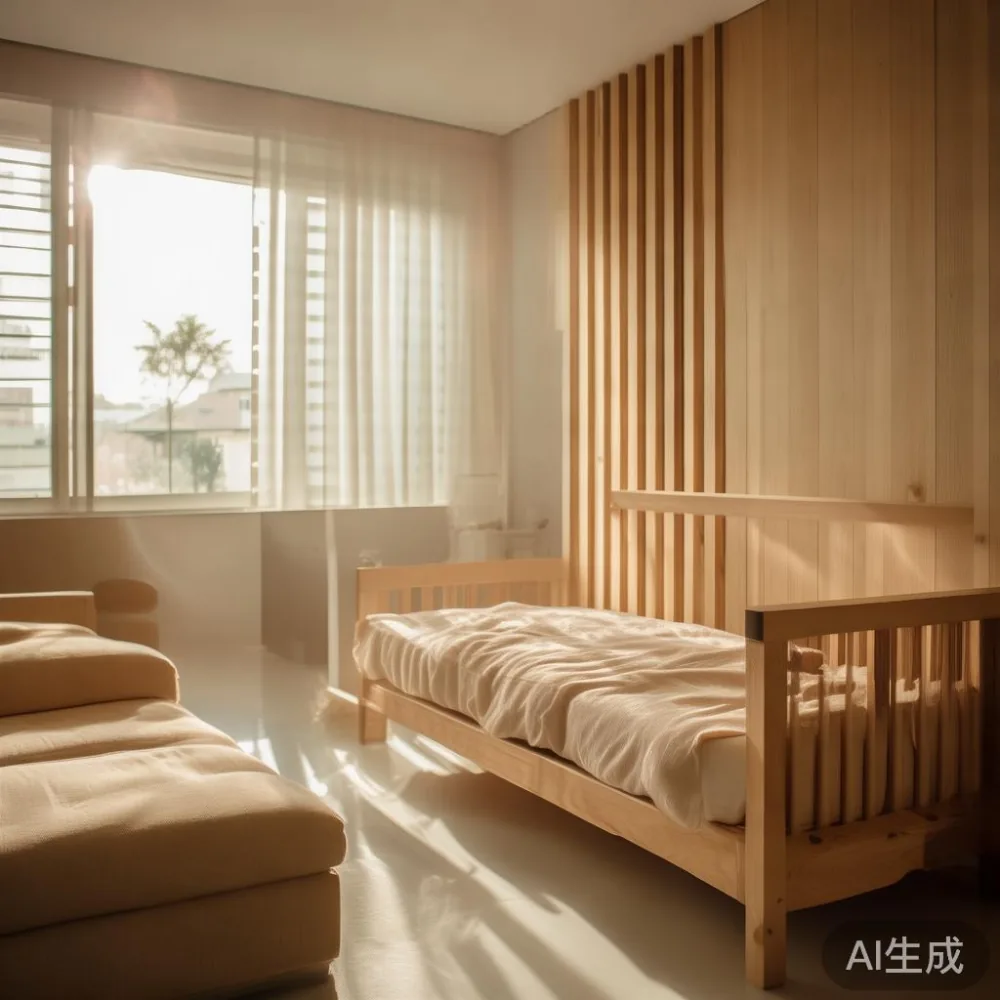
This is where most couples in their first BTO get stuck, because the room has to do three jobs: sleep two adults, hold a cot for the first 18 months, and grow into a toddler room by year two. A warm minimal room can handle all three if you stop trying to be clever with the bed frame and start being careful with the wardrobe.
For the bed frame, go solid wood. Pocket-hole joinery, not metal brackets. A queen is 152 cm x 188 cm, a king is 182 cm x 188 cm; in a typical 3.2 m x 3.5 m HDB master bedroom, a king leaves you 69 cm of walkway on each side, which is enough for a 50 cm wide nightstand plus a 60 cm wide cot when you slide it in beside the bed for the first few months. The headboard should be between 100 cm and 110 cm tall, upholstered in linen or boucle, because a tall wooden headboard makes a small room feel like a cabin. If you are torn between an American bed vs Mid-century modern bed, the practical difference is the leg height: American platform beds sit about 15 cm off the floor with a low slat base, while Mid-century versions have 20-25 cm tapered legs that let robot vacuums and storage boxes slide underneath. For HDB, taller legs are usually the smarter pick.
For the wardrobe, measure the wall behind the bed before you fall in love with a 6-door hero piece. In a 3.2 m wall, a 240 cm wide wardrobe leaves 80 cm of breathing room and fits a standard 60 cm sliding door pack. Solid wood wardrobes weigh between 110 kg and 160 kg fully assembled, so most Foshan makers, including the team I have worked with at MIDHILL, will deliver the wardrobe in two pre-assembled halves of about 70 kg each, which fits a standard service lift. Inside, plan for one long-hang section (90 cm high), two shelves at 32 cm and 48 cm for folded baby clothes, and three drawers at 18 cm deep for bodysuits. Soft-close hinges cost about SGD 12 per door extra but save arguments at midnight.
For the nightstand, the 50 cm x 40 cm x 55 cm size is the sweet spot. Anything smaller looks like a stool, anything larger blocks the cot path. A solid wood nightstand in the same ash tone as the bed frame keeps the room quiet; a marble top nightstand is tempting but adds about 8 kg and shows every water ring from a midnight bottle.
What about the dining table, a marble table, and chairs for the open kitchen?
The dining table is where warm minimal often fails in HDB flats, because people copy magazine photos of 2.4 m tables meant for 30 sqm dining rooms. In a 4-room HDB with an open kitchen, you usually have 2.6 m x 1.8 m to work with after the kitchen counter. A 1.4 m to 1.6 m table seats four comfortably and six at a squeeze, leaves 80 cm of walkway to the kitchen, and fits through the service lift in one piece if you order it unassembled. Solid ash tops weigh around 28 kg for a 1.6 m table; walnut tops run 35 kg because of the density. A trestle base with two 8 cm thick legs is more stable than a four-leg pedestal in a flat where small children will eventually climb on it.
On the question of a marble table, my rule is simple: marble belongs in the dining room only if you are willing to seal it twice a year. Carrara marble tops from Foshan makers now run around SGD 1,400 to SGD 2,200 for a 1.4 m round top on an ash base, which is competitive with Italian imports once you factor in shipping and 9% GST. If the dining table is your one warm-luxury piece, this is the one to spend on. Otherwise, keep marble out of the nursery-meets-dining space and save it for the master bedroom dressing area, where a 50 cm round marble side table next to a reading chair is enough.
Chairs are where you can relax. Solid wood dining chairs in beech run SGD 89 to SGD 140 each from Foshan factories; upholstered versions in linen add about SGD 35 per chair. Order one extra chair than you think you need, because somebody's parent will be over for dinner at some point.
How do I keep the look warm without making the flat feel like a French provincial dollhouse?
This is the most common worry I hear from couples furnishing their first HDB. The fear is that warm-toned solid wood plus curved silhouettes will tip into French provincial territory and make a 90 sqm flat feel like a Tiong Bahru shophouse crammed into a BTO. The trick is restraint on three things: carving, color, and curtain hardware.
On carving, pick furniture with one curved element per piece, not three. A bed frame with a gently arched headboard is fine. A bed frame with a carved crest, fluted legs, and a valance skirt is too much for a 3.2 m wall. The same logic applies to the wardrobe: shaker-panel doors with a 6 cm frame read warm and quiet; raised-panel doors with beading read dated.
On color, keep the wood in two tones maximum per room. A pale ash bed frame plus a slightly warmer honey oak nightstand is a complete palette. Adding a third tone, like a dark walnut dresser, usually fights rather than sings. If you want one contrast piece, make it the marble table mentioned above, or one rattan pendant, but not both.
On curtain hardware, skip the ornate brass French provincial rods with scroll brackets. A simple 19 mm black steel or brushed brass rod from a local supplier in Joo Chiat or Balestier is enough. Curtains should be linen, full length, and pooled 2 cm on the floor. The pooling reads warm without being precious.
One thing worth mentioning if you genuinely love the French provincial look: French provincial for apartment living has gotten a modern refresh in the last five years, with slimmer legs, lighter finishes, and less ornament. The trick is to choose pieces that hint at the style rather than costume it. For wardrobes specifically, a MIDHILL French provincial wardrobe with a softened cornice and brushed brass cup pulls sits comfortably in a warm minimal bedroom if you balance it with a clean-lined bed frame and a flat-weave rug.
How do I handle delivery, lift access, and the GST math on a Foshan order?
Numbers matter here, so I will be specific. A typical warm-minimal furniture set for a 4-room HDB, comprising a solid wood sofa, queen bed frame, 240 cm wardrobe, two nightstands, a 1.6 m dining table, and four chairs, ships from Foshan by sea to Singapore in 28 to 35 days, then another 3 to 5 days for last-mile delivery. Total landed weight is usually between 320 kg and 410 kg depending on upholstery and marble choices. Sea freight to Singapore for that weight runs about SGD 280 to SGD 420, plus 9% GST on the declared value, plus a SGD 60 to SGD 90 customs clearance fee if you use a freight forwarder.
Free shipping offers typically kick in around US$350, which is roughly SGD 470 at current rates. Below that threshold, expect to pay SGD 80 to SGD 180 for doorstep delivery on the main island. For upstairs carrying, most movers in Tampines and Bedok charge SGD 12 per floor per piece for the first 10 floors, then SGD 9 per floor above that. A 14th-floor unit with a service lift will save you around SGD 200 compared to a walk-up.
One piece of local context that often surprises new parents: HDB lift openings in newer BTOs are 0.9 m wide and 2.1 m tall, but older blocks in Bedok and Tampines sometimes have lifts that are only 0.8 m wide and 1.9 m tall. A 240 cm wardrobe assembled will not fit; a flat-pack in two halves will. Always ask the supplier for the carton dimensions before you pay.
How do I style a European-style sofa or armchair in the bedroom without overdoing it?
Bedrooms usually want one upholstered moment that is not the bed. A small European-style settee at the foot of the bed, or a single accent armchair in the corner near the window, gives you somewhere to sit during night feeds and somewhere to read once the baby sleeps through. For warm minimal, pick a piece with a tight back, slim turned legs in solid beech, and arms that are not wider than 12 cm. A classic rolled-arm club chair is too heavy for a 3.2 m x 3.5 m bedroom; a Victorian-inspired scroll-arm chair at 78 cm wide x 80 cm deep fits better. The question of how to style European sofa in bedroom really comes down to fabric: oat boucle, sage linen, or a soft tobacco velvet will all work; pure white and pure black will fight the warm palette.
One last piece of advice from a furniture specialist who has watched too many couples make the same three mistakes: do not buy all your furniture in one shipment if you are still finishing renovations, do not skip the sample swatch step, and do not trust a photo of a wood tone taken in a Shanghai studio to look the same under your HDB downlights. Order one swatch, tape it to the wall, and look at it at 8 am, 1 pm, and under the lights you actually use at night. Warm minimal lives or dies by that single act of attention.
For those who want to see the European light luxury and American light luxury traditions sitting comfortably next to Foshan solid wood craftsmanship, the catalogue at MIDHILL is a useful reference point. Their pieces cover the spectrum from Mid-century American lines to softened French light luxury silhouettes, all built in solid ash, beech, or walnut, with finishes that are honest about the wood underneath. If you are comparing the best Italian light luxury furniture against a more accessible Asian-made equivalent, the practical differences are usually in the joinery tolerance, the leather grade, and the lead time, not in the design language.