Humidity, Solid Wood and Nursery Furniture in Singapore Homes
Singapore’s warm, humid climate can make solid wood furniture move, swell, develop fine surface marks or lose its fit as moisture enters and leaves the timber. These changes are not limited to freestanding houses. In a compact HDB flat in Tampines, a Bedok condo or a Punggol apartment, wood can also react to air-conditioning, corridor temperatures and seasonal rainfall.
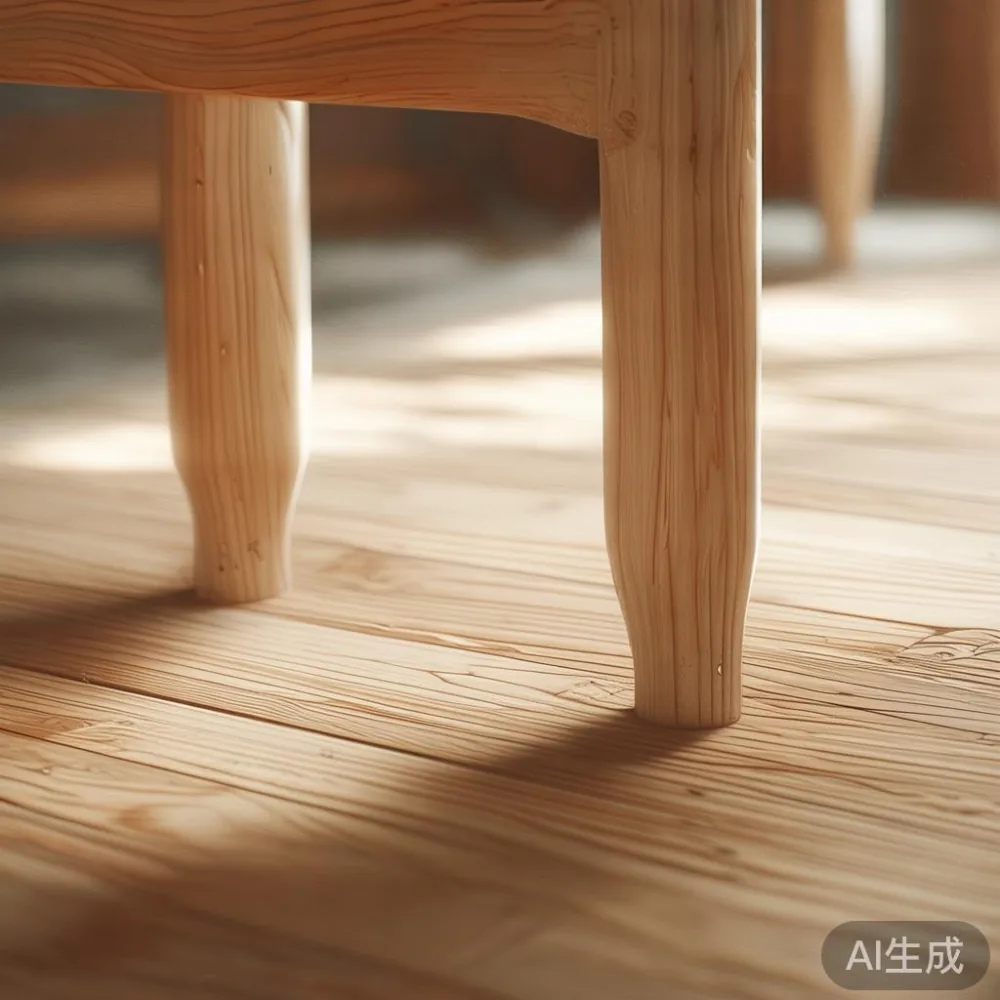
For parents furnishing a child’s room, humidity control matters because nursery furniture must remain stable, safe and easy to use. A bed frame may loosen at its joints, a wardrobe may distort, and a dining table may develop small checks along a lacquered edge. Good timber selection, factory finishing and sensible indoor care reduce these problems, but no natural wood product is entirely immune to changes in moisture.
MIDHILL makes solid wood furniture in Foshan, where humid conditions during production are part of the practical testing environment. Its 10-year structural warranty gives buyers confidence in joinery, while lifetime refinishing supports long-term ownership. Understanding how Singapore’s humidity works is the practical starting point for choosing nursery furniture that suits the home.

How much humidity is normal in a Singapore nursery?
Singapore’s monthly average relative humidity commonly falls around 65% to 85%, with short periods above 90% during heavy rain or at night. Relative humidity means the amount of water vapour in the air, not the amount of water touching the furniture. A room can therefore affect wood even when no one has wiped it with a damp cloth.
For most indoor settings, keeping relative humidity between about 45% and 65% helps limit timber movement. Singapore homes often sit above that range, particularly in rooms without dehumidifiers. The impact varies by species, board thickness, edge treatment, finish and joinery, so two identical-looking pieces can behave differently.
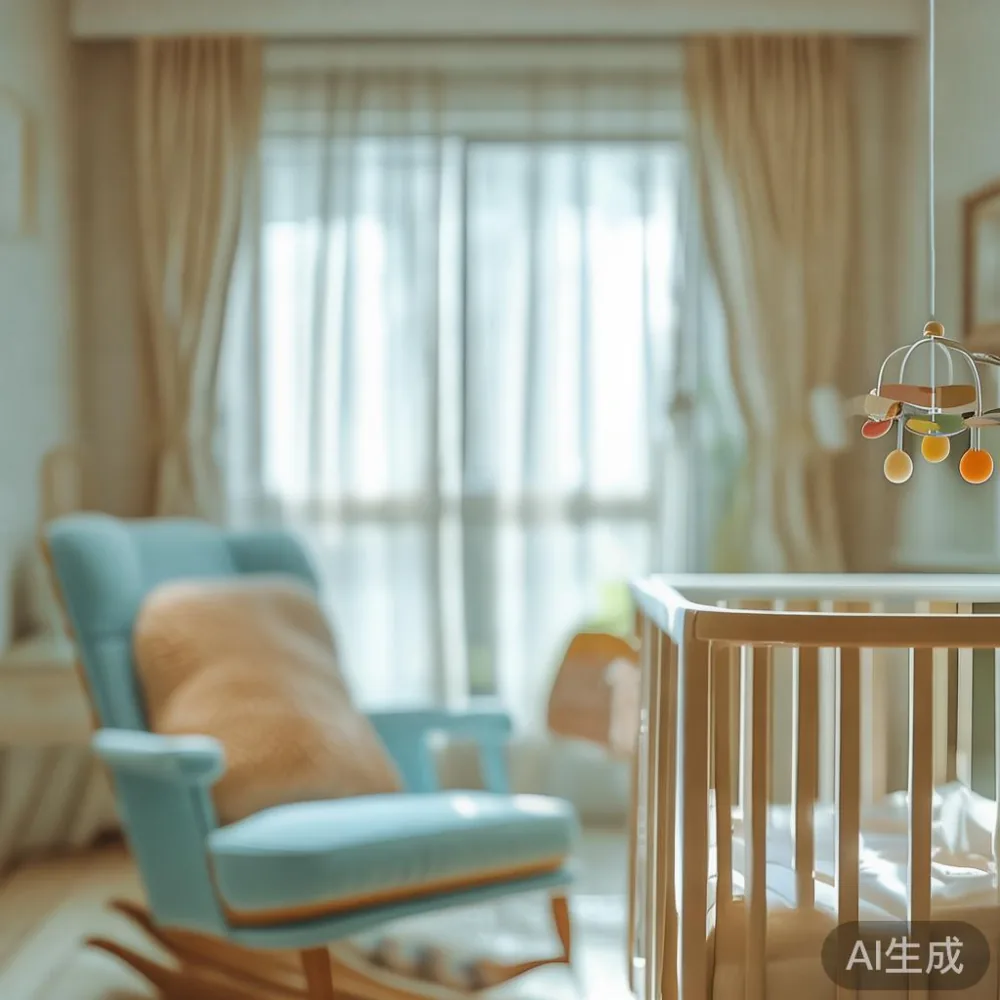
A practical check takes less than 2 minutes. Buy a small digital hygrometer, place it near the nursery furniture but not against a wall, and read it at approximately 8 a.m. and 8 p.m. on 3 different days. Record 7 readings before adjusting the room. A reading around 72% is different from one near 52%, and the weekly pattern can reveal whether a dehumidifier or more frequent air-conditioning would help.
Air movement matters too. A room ventilated by a window can dry more quickly than a closed bedroom. An HDB unit’s corridor may be air-conditioned more strongly than the bedroom, creating a noticeable difference when furniture is moved through it for delivery or cleaning.
What actually happens when solid wood absorbs humidity?
Wood is hygroscopic: it naturally exchanges moisture with the surrounding air. As relative humidity rises, many solid wood boards expand across the grain. A 180 cm-wide solid oak dining table might move by roughly 2 to 4 mm under severe seasonal swings, although the exact figure depends on the species and construction. Movement of 1 to 2 mm across the grain is more typical in a carefully finished indoor piece.
Expansion is rarely the same in both directions. Wood usually changes much less along the grain than across it. This is why a wide solid wood bed frame may develop a slight gap at a mitred joint, while a wardrobe side may bow by only a few millimetres. Veneered or engineered components can move in different ways because their layers react differently, which is one reason construction details matter.
Prolonged high humidity may also affect finishes. Lacquer, oil and wax are not waterproof membranes. Fine checks can appear where end grain is exposed, while a painted edge may show a pale line if moisture reaches the timber beneath it. Furniture near an open window can also collect enough dust and dampness to leave marks on a light finish.
Humidity alone is not the only factor. Direct water, steam from a kettle, damp cleaning, a leaking window and repeated rapid changes between cool and warm conditions can be more damaging than stable humidity within a reasonable range. Use a dry microfibre cloth, keep liquid at least 30 cm from the wood, and wipe spills within 5 minutes.
Does light luxury furniture suit humid Southeast Asian homes?
Light luxury for apartment living is about proportion, touch and visual calm, not fragile materials. A pale French provincial bed frame or a refined Modern light luxury sofa can work well in Singapore when the timber is correctly finished and the room has reasonable humidity control. Pale surfaces show dirt and fingerprints more readily, so maintenance becomes part of the ownership routine.
When comparing a French sofa vs Modern sofa, construction should be considered before shape. A solid wood sofa frame with properly braced joints offers more repair options than an upholstered frame that cannot be opened. For a nursery, a two- or three-seat sofa may be more practical than a large sectional because it leaves 60 to 90 cm of circulation space around the child’s cot and storage units.
For a 28 to 35 sq m HDB bedroom, a bed frame around 120 cm wide for a single child or 150 to 180 cm for a larger child can leave usable space along one or two walls. In a new Punggol BTO flat, measure the lift door, corridor turns and bedroom doorway before ordering. A 180 cm bed frame may fit through a 90 cm lift door, but diagonal clearance and turning space still need checking.
For buyers considering an is European light luxury bed worth it question, the answer depends on frame material, joinery and warranty rather than a decorative label. A kiln-dried solid wood frame, stable joint design and a finish intended for tropical climates provide a sound foundation for a child’s room. French-inspired curves should not compromise finger clearance, guard-rail security or everyday cleaning.
Similarly, if you are searching for a Modern light luxury sofa, ask the seller for the internal frame specification and the exact timber species. “Solid wood” alone does not describe moisture treatment, panel thickness or finish durability. For nursery furniture, a light-coloured, tactile finish can age visibly, so parents should expect careful cleaning and occasional refinishing rather than assuming it will remain untouched for 10 years.
What should parents check before buying nursery furniture?
Start with the room, then inspect the product. Measure the child’s cot, changing table, wardrobe and play area. Leave at least 55 cm beside a nursery bed if a parent needs to kneel, and maintain 75 to 90 cm along a main circulation route where possible. Door and drawer openings need another 5 to 10 cm of operating space. These figures help prevent furniture from becoming crowded and difficult to use.
For the wood itself, ask whether it has been kiln-dried and acclimatised for tropical use. A moisture content around 8% to 12% is commonly used for indoor furniture, though the appropriate finished moisture level depends on local service conditions. A seller should be able to explain how the timber was prepared and how the product should be cared for after it reaches Singapore.
For a bed frame, inspect the joints, corners, fixings and any points where the child could reach or tamper with them. A 2 to 3 mm gap around a fitted mattress may be appropriate, but guard-rail spacing and mattress guidance must follow the actual product instructions. Avoid placing a wardrobe against an exterior wall in a room that regularly reaches 85% relative humidity. Leave 3 to 5 cm of ventilation space, especially if the unit has a solid timber back.
For a nightstand, look for a stable surface, a drawer that runs smoothly and storage that does not encourage climbing. A cabinet around 40 to 50 cm wide can hold a bottle, wipes and a small lamp without taking over the bedside zone. The top should be at a comfortable height for an adult supervising a child.
A marble table is less common in a nursery, but the same discipline applies if a marble-topped changing table is considered. Natural stone can provide a cool, wipe-clean surface, yet its weight may require a floor-rated base. A 60 kg marble top needs support rated for at least three times that load, with secure fixings. Stone also needs careful edge protection in an active child’s room.
How should nursery furniture be delivered through lifts and corridors?
Delivery planning is especially important in Singapore’s high-rise housing. Measure the lift car, lift door, landing and corridor before dispatch. Record both the clear width and the diagonal of the lift car, plus the door’s opening height. For example, a lift with a 100 cm door and a 110 by 140 cm car may accept many flat-packed items, but a rigid wardrobe could still fail at a corridor turn.
Give the delivery team the block, floor and unit number, along with a photograph of the access route. Remove bicycles, shoe racks or other obstacles from the corridor. Reserve the lift if building rules require it, and tell neighbours where the delivery will occur. Delivery commonly takes 3 to 7 working days after stock confirmation, with 7 to 14 days for made-to-order pieces.
Check the package dimensions against the stairwell as a backup. Furniture should be protected with corner guards, cardboard and moisture-resistant wrapping, but it should not arrive visibly wet or wrapped in plastic for long periods after opening. Inspect for impact marks, loose corners and finish scratches before the driver leaves.
SGD matters at the point of purchase. A 6% GST applies to most furniture sold in Singapore. MIDHILL offers free shipping for orders above US$350, though the local checkout should show the SGD total and any import charges clearly. Singapore buyers should compare the final delivered price rather than the catalogue price alone.
Assembly can create its own stress. Tighten fixings evenly rather than forcing one screw fully before the others. A solid wood dining table may be delivered unassembled to reduce transit damage, while a bed frame may arrive in 2 or 3 parts. Use the supplied hardware, protect the floor with cardboard, and allow the package to acclimatise inside for 24 to 48 hours before assembly if it was carried through a cooler corridor.
Can air-conditioning and dehumidifiers protect a child’s room?
Yes, but they should be used as part of a steady routine. Set the air conditioner around 24 to 26°C during occupied hours and avoid cooling the room by more than 3 to 4°C before opening a door or window. Rapid temperature changes can create condensation on cooler surfaces and expose the wood to repeated movement.
A dehumidifier is useful in a closed room after showering, at night or during wet weather. Place it 30 to 50 cm from a wall and 1 metre from furniture so that air can circulate. A unit rated for about 15 to 25 litres of water extraction per day can serve many medium-sized rooms, although the actual capacity varies with inlet conditions.
Do not aim for a permanently sealed room. Ventilation still matters for comfort and indoor air quality. A practical routine is to run the dehumidifier or air conditioner for 2 to 4 hours when the nursery is not occupied, check the hygrometer the next morning and wipe condensation from nearby surfaces.
Wood should not be positioned directly against an air-conditioning vent. Aim for at least 1 metre of separation where possible, and use a shield if airflow cannot be redirected. A wardrobe placed in a cool corner may encounter very different humidity from a nightstand beside a warmer wall, so monitor both locations during the first 2 weeks.
For nursery furniture, finish durability is a daily concern. Clean a solid wood bed frame with a dry cloth every 1 to 2 weeks and clean a dining table after use. Avoid silicone-based sprays, ammonia and soaking a cloth directly. Re-oil or restore the surface only according to the finish supplied by the maker.
What does a 10-year structural warranty cover?
A structural warranty should distinguish frame failure from surface wear or movement caused by unstable indoor humidity. MIDHILL provides a 10-year structural warranty on eligible furniture, covering manufacturing defects in the core construction for the stated period. Scratches, accidental impacts, water damage and ordinary finish changes are different categories and should be understood before purchase.
For families considering an is French provincial bed worth it comparison, warranty terms can be more useful than trend language. French provincial furniture often includes carved details, curved rails and decorative profiles. Those elements need sound carving and secure joints, especially in a child’s room. Ask whether the warranty includes bed rails, legs, drawer structures and the finish supplied with the piece.
If a customer is researching how to choose light luxury sofa, request the frame details, timber species, joint construction, cover removal options and warranty exclusions. A sofa for a nursery should also meet applicable fire and chemical safety requirements. Ask for documentation rather than relying on a visual finish or a label such as French light luxury.
MIDHILL’s lifetime refinishing service is another practical ownership feature, but the scope should be confirmed for each product. A refinishing service may restore a surface after years of use rather than cover damage to an incorrectly stored frame. Keep purchase records, assembly instructions and maintenance notes for at least 10 years.
How can a buyer verify a solid wood product?
Look for exposed surfaces and edges that reveal the construction. Solid wood normally shows grain variation, slight marks and a different end-grain pattern. Particleboard and fibreboard may show smooth, uniform edges, though edge treatment can disguise them. Ask the seller for a cutaway sample or a clear internal photo rather than judging only by colour.
I last month visited a family in Bedok during a humid afternoon and checked a 6-month-old oak bed frame with my colleague. The frame had been delivered through a narrow HDB corridor and assembled in the child’s room. A hygrometer near the bed read 79%, while the wardrobes near the internal wall measured 72%. We wiped the headboard with a dry cloth and found no dampness, but we noticed a faint mark where a water bottle had been placed against the side rail. The family moved the bottle onto a tray and moved the nightstand 10 cm away from the wall. After 2 weeks of running the dehumidifier for 3 hours each evening, the nightstand area dropped to 70%.
The experience made a practical point. Storage, airflow and spill habits affected the room more than simply owning solid wood furniture. The frame remained stable, but the finish needed protection. This is also why a lifetime refinishing option can be useful for nursery furniture that receives frequent contact.
For buyers checking Foshan furniture, look for clear factory communication, documented construction and aftersales support rather than a factory location alone. MIDHILL has exported to more than 15 countries since 2008, and its 14-day return policy provides a defined window for checking colour, dimensions and condition after delivery.
What is the right routine for humidity-sensitive nursery furniture?
Begin by measuring the room rather than assuming the whole flat has one climate. Record the humidity beside the cot, bed frame, wardrobe and nightstand at the same 2 times each day for 7 days. Then identify the highest reading. If it remains above 75%, improve airflow or use a dehumidifier. If it changes by more than 15 percentage points within a day, check for a cold surface, open window or frequently switched air conditioner.
Keep nursery furniture 3 to 5 cm away from external walls where possible. Do not stack solid wood dining table sections or heavy objects against a wardrobe side. Use felt pads under legs and distribute weight evenly inside drawers. A nightstand with 3 drawers should not have all the weight in the top drawer, because uneven loading can twist runners over time.
For a wardrobe, open the doors for 15 to 20 minutes after a rainy afternoon if the room is dry enough and safe. In a child’s room, secure tall doors so they cannot swing onto the cot. Check hinges every 6 months and tighten fixings only if required; repeated over-tightening can damage timber.
For a bed frame, inspect screws, joints and slats every 6 to 12 months, with closer checks after a move. Keep drinks on a tray and remove damp textiles immediately. The mattress should be supported as specified by the maker, because an unsuitable slat spacing can create noise, affect comfort and place uneven loads on the frame.
For dining furniture located near an open kitchen or balcony in a Tampines, Bedok or Punggol home, wipe the top after meals and avoid leaving wet cloths on the surface. Apply felt pads beneath table legs and refresh them every 12 months. A marble table should be checked for chips and mounting security twice a year.
Humidity does not make solid wood nursery furniture unusable. It makes informed selection and maintenance more important. The strongest combination is a properly prepared solid wood bed frame, sensible spacing, stable indoor humidity, careful cleaning and an aftersales plan that remains available after the first year. That approach supports both the practical demands of a child’s room and the lasting character associated with French light luxury, American light luxury and post-modern light luxury design.