Styling a Small Singapore Apartment Without the Crowded Feel: A Practical Guide for HDB and Condo Living
I spent last month visiting a friend in a 65 sqm three-room HDB in Punggol that had, on paper, everything going against it: a narrow entry corridor, a galley kitchen, and a living room that doubled as her baby's nap space. Six weeks later, walking back in after a round of small changes, the flat felt like a different property. Nothing structural had moved. The lift on her 14th floor is 1.2 m wide, the corridor 1.5 m, so we measured every piece before delivery. That one habit, measuring twice and trusting the centimetre, did more for the feel of the home than any paint colour. This guide is built from that visit, plus a decade of conversations with families squeezing real life into 50 to 90 sqm flats across Tampines, Bedok, and the East Coast.
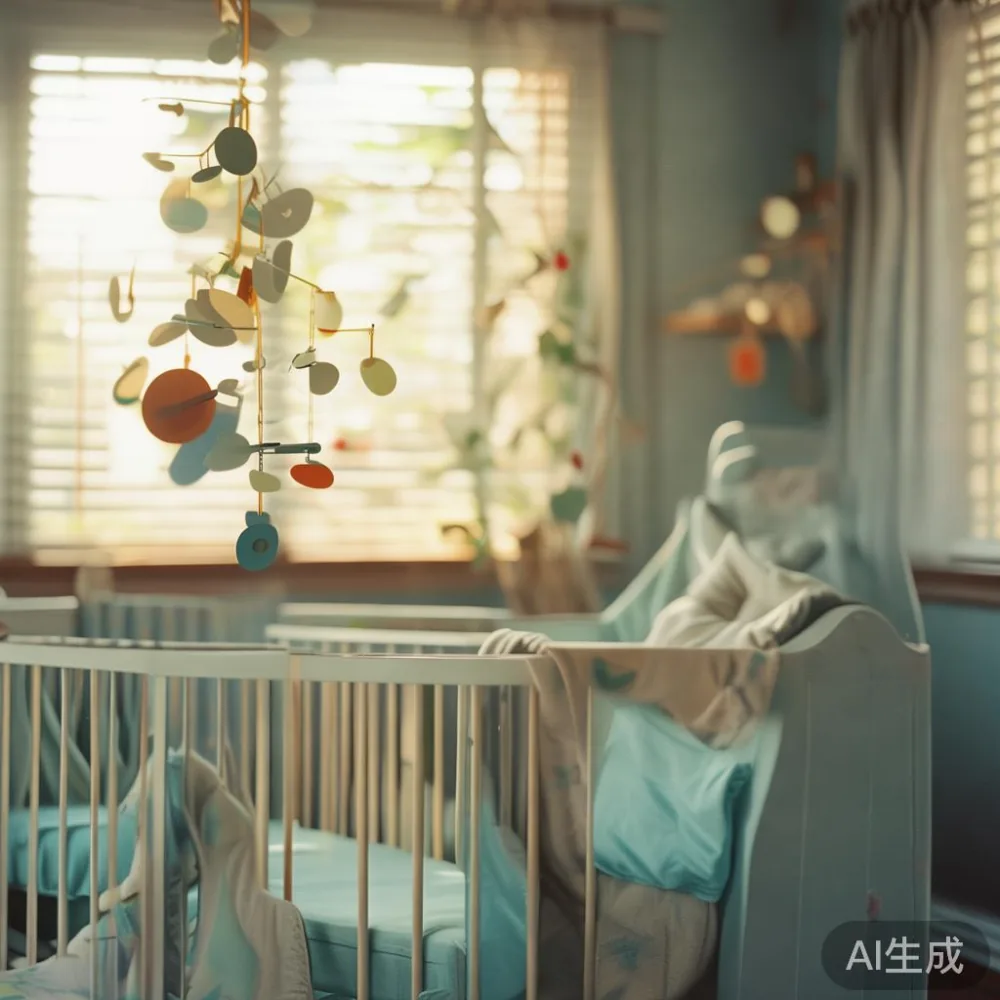
Why small Singapore flats feel crowded even when the square metres are reasonable
Most 4-room HDBs sit between 90 and 100 sqm, while a 3-room flat in mature estates often lands closer to 60 to 70 sqm. After walls, doors, and the air-con ledge claim 12 to 18 sqm, you are decorating closer to 55 to 80 sqm of usable floor. Add in a 3-seater sofa at 210 cm long, a 150 cm dining table for four, and a 180 cm bed frame, and you have placed five to seven square metres of footprint before a single chair appears. Crowding is rarely about total area. It is about visual weight, the height of your tallest piece, and the centimetres left between the corridor wall and the longest edge of your furniture. When a 240 cm wardrobe lands 8 cm from a bedroom door, the whole room tightens up, even if the wardrobe itself is a refined light-luxury solid wood piece.
Three forces tend to crush a small Singapore home: oversized seating, dark ceiling-hugging wardrobes, and a lack of contrast between floor and furniture. The fix is not always spending more. Sometimes the fix is dropping the wardrobe height from 240 cm to 220 cm so 20 cm of breathing space appears above it. Sometimes it is choosing an open-leg dining table at 75 cm clearance under a 90 cm table top, which lets the eye travel. The lift dimensions in most HDB blocks cap deliveries at around 2.1 m height and 1.0 m depth, so even a grand 220 cm European bed frame can be brought up without a crane, provided the corridor turn is wide enough. Knowing the building's actual numbers, not its brochure, is half the styling battle.
What measurements should I take before buying furniture for a 4-room HDB?
Grab a 5 m tape, a notepad, and a helper. Measure the lift door (usually 0.9 m wide in older blocks, 1.0 to 1.1 m in newer ones at Punggol and Sengkang), the corridor width at its narrowest turn, every door opening, and the actual floor area of each room after skirting. Write down ceiling height (most HDB ceilings run 2.6 m, some newer BTOs reach 2.8 m). Then subtract 90 cm of circulation space from any room where a door must open past a bed or sofa. The answer, in centimetres, is the longest piece of furniture that room can honestly hold. A family in Bedok I spoke with last spring had ordered a 220 cm Italian light luxury sofa, then discovered their living room door was only 78 cm wide after the frame, and the sofa would not pass. They returned it, lost a S$180 delivery fee, and waited 21 days for a refund. Forty minutes of measuring would have prevented the whole episode.
For wardrobe planning, leave at least 60 cm of walking space in front of sliding doors and 70 cm for hinged doors. For a 3-seater solid wood sofa, plan 95 cm behind it for a walking path, or 50 cm if it is against the wall with a side table only. A queen-size bed frame at 150 by 200 cm needs at least 60 cm on one side and 40 cm on the other, or 40 cm both sides if you use the foot-of-bed access pattern common in Singapore homes. A standard 45 cm nightstand fits in 40 cm if it has no drawer overhang. A 120 cm marble table in the entry needs 80 cm of clearance so two people can pass each other. None of these numbers are guesses; they are the minimums that keep a home feeling like a home rather than a storage unit.
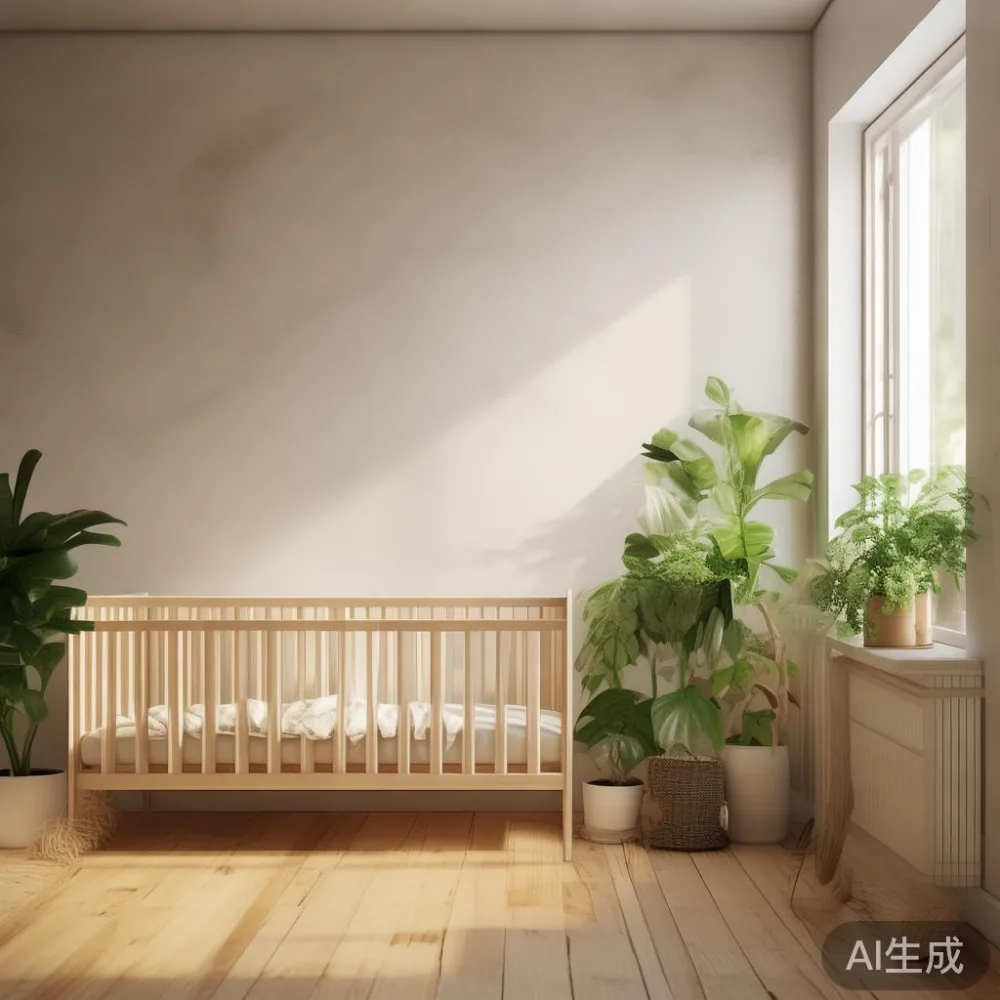
The light-luxury playbook: French, American, and post-modern light luxury in a small footprint
Light luxury, sometimes called light-luxury or light luxe, is a design language built on restraint, refined materials, and visible craftsmanship, scaled for daily use. In a 70 sqm HDB, full luxury reads as costume; light luxury reads as a thoughtful adult. Three sub-styles work particularly well in Singapore flats.
French light luxury leans on curved silhouettes, soft linen, tapered legs in walnut or ash, and brass-or-gold metal accents kept to a single focal point per room. An armchair with a 75 cm seat height, cabriole legs, and a bouclé back pairs with a slim 130 cm round marble table and a 35 cm brass floor lamp. The total footprint is around 1.2 sqm, yet the eye reads the corner as a salon. A French-leaning solid wood sofa in a bouclé or sage velvet, around 200 to 220 cm long, fits a 4-room HDB living room and leaves the room to breathe.
American light luxury is more grounded, lower, and rectilinear. Think 90 cm seat depth, rolled or square arms, performance fabric in oat or clay, and a chunky solid wood base in white oak. A 240 cm American light luxury sofa, 95 cm deep, with a 12 cm wooden plinth, anchors a 25 sqm living room without floating. Pair it with a 110 by 60 cm coffee table in oak and a pair of 55 cm side chairs in leather.
Post-modern light luxury plays with geometry and colour. A 1980s-inspired 180 cm sideboard in travertine-look veneer, a marble table with a sculptural pedestal, or a 220 cm bed frame in cream bouclé with a curved headboard all work. The trick is to keep one statement piece per room. A small HDB living room in Tampines I visited last month had exactly this: a single post-modern marble table in the corner, one arched floor lamp, a 210 cm light-toned solid wood sofa, and white walls. The result looked curated, not crowded, despite being just 22 sqm of living space.
Choosing a sofa, bed, and dining set that earn their centimetres
For a living room under 20 sqm, a 180 to 210 cm three-seater solid wood sofa is the sweet spot. Below 180 cm, two adults plus a child feel pinched. Above 220 cm, you start eating into circulation space. Seat depth matters more than length for comfort: 95 cm gives you a proper lounge, 85 cm keeps things upright. A solid wood frame, kiln-dried to 8 to 12 percent moisture content, holds shape in Singapore's 80 percent average humidity far better than particleboard frames, which often sag at year three. If you are weighing a European bed vs Mid-century modern bed, the European version tends to deliver a taller, upholstered headboard (110 to 130 cm) and a lower platform base, which works in rooms with ceiling fans, while Mid-century modern beds sit higher on tapered legs (18 to 25 cm) and offer under-bed storage drawers. In a 12 sqm bedroom with a ceiling fan, the European style's lower profile is usually the calmer choice.
For dining, a 120 to 140 cm table seats four comfortably in a 4-room HDB; a 150 cm table fits four with elbow room, six only if you skip the sideboard. Extendable tables from 120 to 180 cm are popular in Punggol young-couple flats because the standard 120 cm handles weeknight dinners, and the 180 cm extension covers a CNY gathering of six. Look for solid rubberwood or ash, not hollow-core. A 140 cm ash dining table typically weighs 38 to 45 kg, while a hollow-core copy of the same size can weigh 18 to 22 kg. The heavier table will not wobble in year five, and the difference shows up in every meal.
For the bedroom, a queen 150 by 200 cm bed frame is the practical ceiling in a 3-room HDB. A king 180 by 200 cm bed fits a 4-room master if you keep both side tables under 45 cm deep. A 220 cm wardrobe at 60 cm deep holds two adults' clothing; 55 cm deep holds one adult plus a child's wardrobe. Sliding doors save 50 cm of swing space over hinged doors, which is the single biggest bedroom win in a small Singapore flat.
Storage, light, and the vertical centimetres most people waste
Singapore ceilings of 2.6 m give you roughly 40 to 50 cm above a standard 220 cm wardrobe. That gap is the most wasted centimetre in HDB living. Three moves reclaim it: a 30 cm deep top shelf, a slim 15 cm display ledge with a 200 lumen LED strip, or simply painting the wall above the wardrobe in a soft warm white so the eye reads the gap as air, not clutter. For a nursery corner, a 60 cm wide, 180 cm tall open shelf holds baskets for diapers, towels, and small toys. Place it 80 cm off the floor so the top basket sits at adult chest height and the bottom at standing hip height. A small changing table at 90 cm long and 50 cm deep tucks against a wall and doubles as a nightstand for the first 18 months.
Lighting is the cheapest square-metre expander in any small home. Most HDBs ship with a single ceiling light in the living room and a fluorescent tube in the kitchen. Adding one 1,500 to 2,000 lumen warm-white ceiling fixture in the living room and two 800 to 1,000 lumen floor lamps brings the perceived room size up by 15 to 20 percent. For nursery furniture areas, choose a dimmable 3,000 K table lamp so a midnight feed is soft on the eyes. A pair of warm wall sconces flanking the bed frame replaces two bedside lamps and frees 45 cm of nightstand space on each side.
If you are researching the best European wardrobe for 2026, look for 220 cm height, 55 to 60 cm depth, soft-close hinges rated for 100,000 cycles, and a felt-lined top drawer. A wardrobe in solid oak or ash with a 6 mm plywood back panel will outlast a melamine one by a decade. A good wardrobe also anchors the room vertically, which is the visual opposite of crowding. One tall, calm piece reads as architecture; three short chunky pieces read as clutter. This rule applies to nursery furniture, living room storage, and entry cabinets equally. If you have a 180 cm tall changing station, consider a 200 cm wardrobe next to it so the heights line up and the wall reads as one composed surface.
How do I style a Japandi sofa in a small bedroom without losing the calm?
Japandi, the calm child of Japanese minimalism and Scandinavian warmth, is one of the most forgiving styles for a small bedroom. The question of how to style Japandi sofa in bedroom comes down to three rules: low profile, natural texture, and one or two darker accents. A Japandi-style sofa or daybed, usually 85 to 90 cm tall at the back, in oat linen or undyed cotton, sits a few centimetres below the window sill and makes the room feel grounded. Place a 90 by 60 cm solid wood bench at the foot of the bed instead of a storage ottoman. Use one 35 to 40 cm ceramic table lamp on a 50 cm nightstand, in a deep clay or charcoal, and skip the second lamp if a wall sconce is possible. A single 150 by 200 cm low-profile platform bed frame, two nightstands, one bench, and a slim 60 cm wardrobe is plenty for a 12 sqm bedroom. Anything more, and the calm disappears.
For the living room, a Japandi reading corner uses a low 180 cm three-seater, a 110 by 60 cm oak coffee table, and a single 55 cm accent chair. The palette stays within four tones: warm white walls, light oak furniture, oat textile, and one darker accent in charcoal or black. A Coastal for small living room approach works the same way, swapping oak for whitewashed timber, oat for off-white linen, and the dark accent for a soft sea-glass blue. Both styles reward restraint; both punish clutter with a feeling of pressure. If you want a small hit of pattern, one cushion in a subtle stripe is plenty. A second cushion starts to look like a sample sale.
Budgeting, delivery, and the small details that decide whether a small flat feels calm
For a typical 4-room HDB living-and-dining set in light-luxury solid wood, expect to budget roughly S$4,800 to S$8,500 for a sofa, coffee table, side table, TV console, and a four-seater dining table with four chairs. Add a queen bed frame at S$1,400 to S$2,800 and a 220 cm wardrobe at S$2,200 to S$3,800, and a three-bedroom home lands between S$9,500 and S$16,000 before mattresses and decor. That range is realistic in Singapore today, before the 9 percent GST. Delivery within mainland Singapore is usually included above a S$350 threshold, with 14 to 28 working days for made-to-order pieces, and 5 to 10 days for in-stock items. Families I have spoken with consistently say that delivery and assembly quality matter as much as the furniture itself, since a poorly built item wobbles within months and a well-built one lasts a decade.
One piece of practical advice: ask the supplier about the actual wood, the moisture content, the joinery (mortise and tenon, dowel, or just staple-and-glue), and the warranty. A 10-year structural warranty on a solid wood sofa frame is a real signal of confidence. Refinishing, sanding and re-oiling every five to seven years, is the kind of long-term thinking that keeps a S$3,000 sofa looking right in year twelve. If you are tempted by cheap Mid-century modern furniture listings under S$900 for a three-seater, weigh that against a solid wood frame at S$2,400 to S$3,200. The price gap is usually the difference between 18 mm engineered wood and 25 to 30 mm solid hardwood, with the real cost showing up in year three, not year one. Pieces from established makers such as MIDHILL furniture, a Foshan-based solid wood workshop shipping internationally since 2008, sit in that mid-range solid wood category, with the kind of construction that holds up in a humid HDB corridor and a small bedroom alike.
Styling a small apartment without making it feel crowded is rarely about buying less. It is about buying more deliberately, measuring twice, choosing light-luxury silhouettes over heavy traditional ones, and letting each solid wood piece, bed frame, dining table, wardrobe, nightstand, or marble table do real work in the room. The Punggol flat I visited last month ended up with a 210 cm light-toned solid wood sofa, a 130 cm round oak dining table, a 220 cm European-style wardrobe in the master, a 120 cm changing-and-nightstand combo in the nursery, and a 150 by 200 cm bed frame. Total furniture spend was S$11,200, delivered and assembled over two weekends. The flat still looks the same size on paper. It just feels like a home you can breathe in.