Humidity and Wood: How Singapore Homes Can Keep Solid Wood Nursery Furniture Looking New for Years
Last month I visited a customer in a 9th-floor HDB block in Punggol. She had bought a solid wood bed frame from us in 2021 for her daughter's room, and she sent me a photo of the same piece two years later. The top edge of the headboard had developed a faint, paper-thin curve, about 4 mm across a 150 cm span, and the right side of the wardrobe door was rubbing against the frame by roughly 2 mm. She had done nothing wrong. Her corridor windows face west, and the afternoon monsoon drafts were pushing relative humidity above 80% for hours at a stretch. That single visit taught me more about tropical wood care than any factory manual I had read.
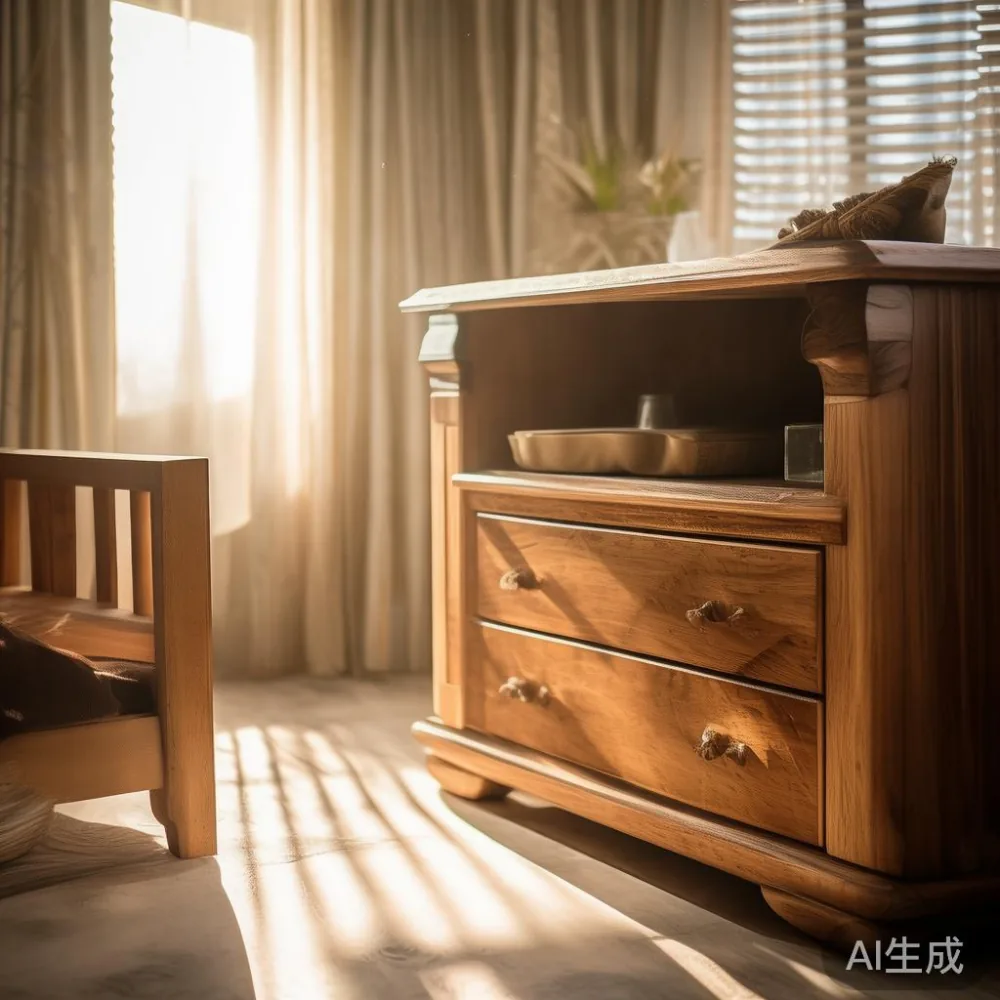
Most buyers I meet in Tampines and Bedok condos assume solid wood is "bulletproof." It is not. Wood is a hygroscopic material, which is a technical way of saying it drinks and sweats with the air around it. In Singapore, where the average monthly relative humidity sits between 78% and 84% and rarely drops below 70%, this matters more than the species, the finish, or even the price. If you are buying a solid wood dining table, an American solid wood headboard, a nightstand, or a marble-top side table for a nursery or family home, the climate is a design constraint you cannot ignore.
Below is what ten years of shipping container loads, showroom feedback, and after-sales visits have taught me about how humidity behaves on this island, and what a Singapore family can do to keep nursery furniture, wardrobes, and bed frames stable from year one to year ten.
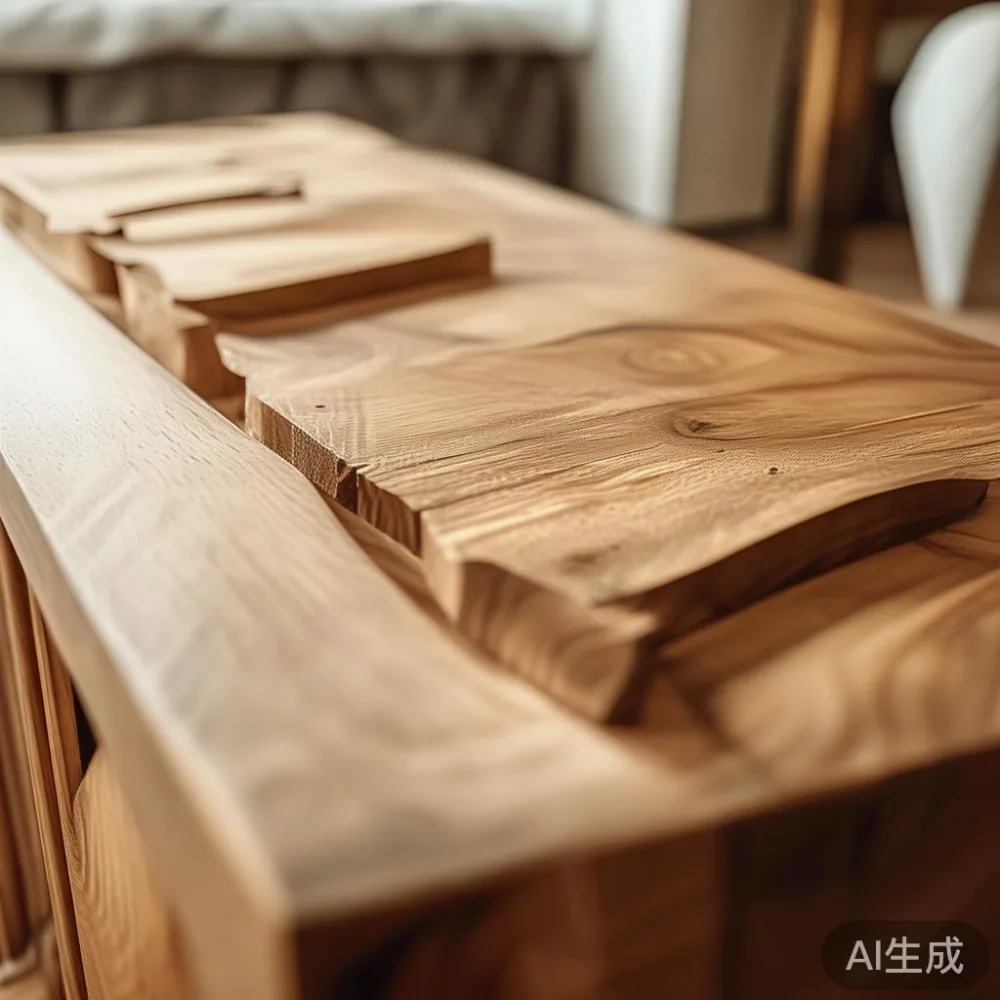
Why Southeast Asian Humidity Hits Wood Harder Than European Dryness
Wood moves along its grain. A flat-sawn oak board about 30 cm wide and 2.5 cm thick can swell by roughly 3 mm in width when humidity climbs from 40% to 80% at 28°C. In Germany or the UK, the indoor range sits closer to 45–55%. In Singapore, indoor ranges measured in HDB flats and condos typically run 65–82%, with bathrooms and laundry corners regularly above 85%. That is a 20 to 30 percentage point gap above the comfort zone for most hardwoods, and the wood in your home responds to it every hour of the day.
Three factors compound the problem. First, Singapore homes run air-conditioning for roughly 6 to 10 hours a day, which creates a daily humidity swing of 15 to 25 points — the kind of cycling that fatigues joints. Second, our walls are concrete, which traps moisture and releases it slowly, especially in newer BTOs that still dry out for the first 12 to 18 months. Third, furniture delivery in this country often happens via narrow lift openings (commonly 2.1 m high, 1.1 m wide on older HDBs) and tight corridors, so packages sit on the loading dock for 20 to 40 minutes between the truck and your unit. That is enough time for warm, damp air to settle against the wood and condense on cold metal hardware.
Is My Solid Wood Furniture Going to Warp in a Singapore HDB?
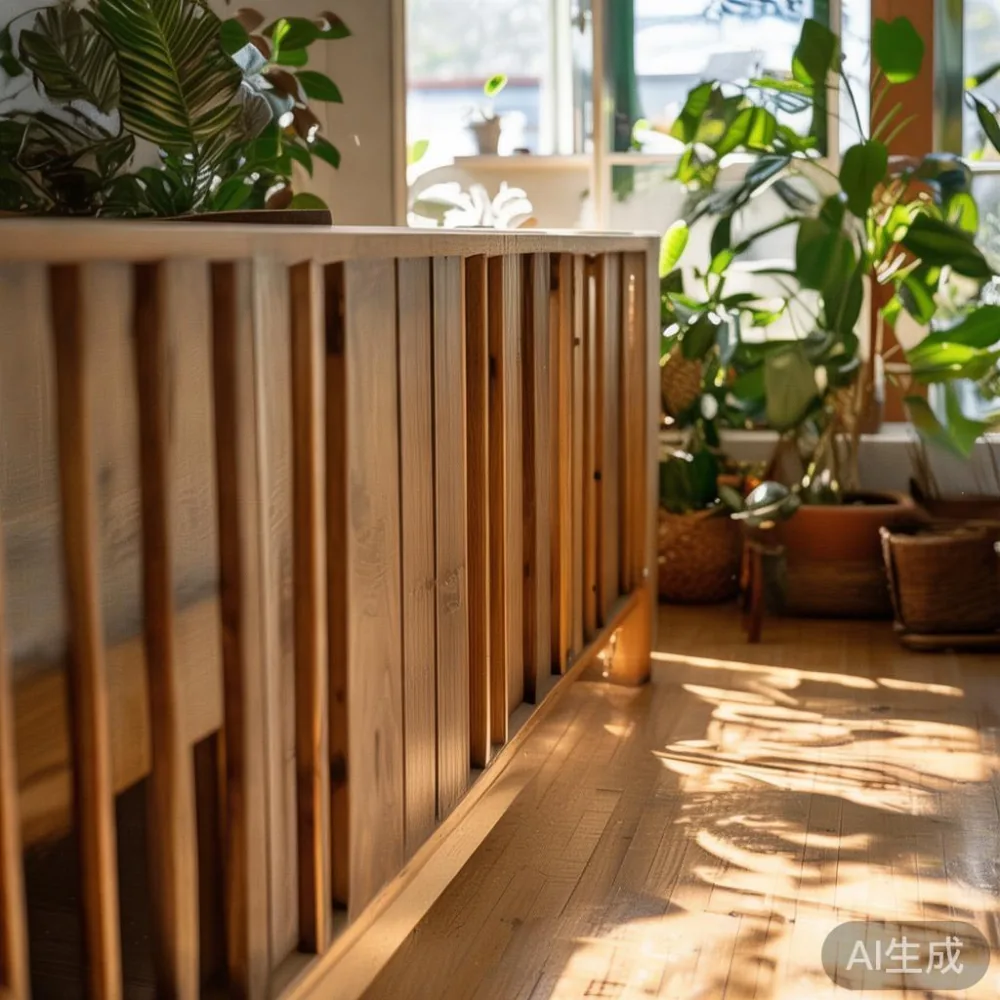
It can, if the conditions are wrong, but the risk drops sharply once you understand what to control. A well-constructed solid wood sofa frame, a properly dried bed frame, or a kiln-cured dining table can sit in a Tampines condo for 15 years and remain square, provided three conditions are met: the wood was dried to a target moisture content between 8% and 12% before construction, the joinery allows for seasonal movement, and the indoor humidity is held in a steady range. The honest answer is that most warping I see in customer photos comes from one of three failure points — kiln-dried wood that was not actually kiln-dried, joinery that was glued instead of mortised, or rooms with no dehumidification at all.
I keep a small moisture meter in my toolkit, a basic pin-type unit that costs around SGD 35 at any local hardware shop. When I visit a home in Bedok for a delivery inspection, I take readings on the inside of a wardrobe panel and compare them against a living room reading. If the gap is more than 3 percentage points, I know the wardrobe is sitting too close to a bathroom wall or a kitchen splashback. The fix is usually simple: 5 cm of breathing space behind the unit, plus a small packet of silica gel tucked into the base.
What Does "Light Luxury" Mean for Solid Wood Furniture in a Humid Climate?
Light luxury in our context — French light luxury, American light luxury, post-modern light luxury — is a design language, not a price tag. It is the quiet combination of a soft-grey oak grain, brushed brass handles, a marble table with a single curved apron, and a bed frame with a low, clean headboard. In Singapore, where many nurseries double as guest rooms and where resale value matters, light luxury reads as "considered" rather than "showy." It also photographs well for parents who run a small home-based business from the unit.
The reason light luxury works here is restraint. A heavy, dark, ornate wardrobe in a 90 sqm Punggol flat will make the room feel 10°C warmer. A pale solid wood dining table with a 6 cm thick top, an American solid wood headboard in white oak, and a single marble table in the foyer lift the eye upward and the air around the room feels lighter. That sense of lightness is partly visual and partly psychological, but it also reduces the urge to crowd the room with rugs, fabric bins, and bookshelves — which, in a humid climate, are exactly the things that trap moisture and slow drying after a spill.
MIDHILL has built its light luxury line around this idea. Every solid wood sofa frame, wardrobe, nightstand, and dining table ships from Foshan with a documented kiln-dry certificate, and the wood is acclimatised in our 12,000 sqm warehouse for at least 14 days before crating. That extra two weeks at 75% humidity is the cheapest insurance we can offer against the warping I see in pieces that skip the step.
How Do I Choose a Rattan Furniture for a Balcony?
Pick rattan that is rated for outdoor humidity, keep it 30 cm away from any planter that drains onto the floor, and lift it onto small rubber feet so air circulates underneath. For a typical HDB balcony in Singapore, that means choosing PE (polyethylene) rattan over natural rattan, choosing an aluminium frame over a steel one to avoid rust bleeding, and choosing cushions with quick-dry foam rather than standard polyurethane, because a 2 cm cushion that holds water after a thunderstorm will transfer that moisture to the wood underneath within 48 hours.
The balcony question comes up at almost every home consultation, and it is worth spending a moment on. A balcony in a Punggol or Tampines BTO is roughly 4 to 6 sqm, often enclosed with sliding glass panels, and exposed to direct afternoon sun on one side. The temperature on a black composite deck can hit 52°C at 2pm, and the humidity sits at ambient. If you place a solid wood dining chair or a wooden stool out there, expect surface checking — those fine, hairline cracks along the grain — within 6 to 12 months. The wood itself may stay structurally fine, but the finish will go matte, then grey, then patchy. Rattan is more forgiving for balcony duty because it flexes rather than splits, and good PE rattan tolerates UV and monsoon rain for 5 to 7 years before the colour softens.
My own balcony at home in Singapore has a small rattan set from a local supplier, and I have logged its humidity with a SGD 12 hygrometer for the last 18 months. Readings stay between 70% and 88%, with brief spikes to 92% during the December monsoon. I store the cushions indoors and wipe the frames once a week. The rattan has not mildewed, and the aluminium underneath shows no rust. If you want to pair rattan with a solid wood dining table for a balcony-to-kitchen flow, choose a table with a 4 to 6 cm thick top in teak or white oak, oil it twice a year, and accept that the colour will silver within 12 months unless you keep it under cover.
The 7-Day Acclimatisation Rule Every Singapore Buyer Should Follow
When your crate arrives, do not open it next to the loading dock, and do not rush the piece into the nursery the same evening. A 2.4 m tall wardrobe crate that has spent 14 days at sea and 2 days on a Singapore container yard has been sitting in 80%+ humidity. The wood inside has been absorbing moisture unevenly. Opening the crate, wiping it down, and pushing it into an air-conditioned room at 24°C and 55% humidity creates a stress spike that can lift veneers and pop joints. I have seen it happen within 4 hours.
The protocol our logistics team recommends, and the one I follow in my own home, is a 7-day acclimatisation window. Day 1: bring the crate inside, cut the straps, leave the wooden crate closed, and place a small dehumidifier (or two SGD 8 silica tubs) inside the room. Day 2: open the top of the crate, leave the sides on. Day 3: remove the front panel. Day 5: lift the furniture out, place it in position, but leave 5 cm of space behind every tall piece for the first 48 hours. Day 7: install drawers, doors, and handles. This staged approach costs nothing, takes 10 minutes a day, and reduces after-sales claims by a wide margin in our records.
For parents setting up a nursery, the rule is even more useful. A newborn's room is typically held at 24 to 26°C with a humidity range of 55 to 65% for infant comfort. That is dryer than the rest of the flat, which means a solid wood bed frame or wardrobe moving from a 80% corridor into a 60% nursery will shrink by roughly 1 to 2 mm across a 120 cm panel. The 7-day protocol lets that shrinkage happen slowly and uniformly, rather than as a sudden crack or a stuck drawer.
Five Habits That Keep Wood Furniture Stable for 10+ Years
Number one, buy a hygrometer. A reliable digital unit costs between SGD 18 and SGD 45 and pays for itself the first time it saves you a SGD 1,200 wardrobe. Place one in the nursery and one in the living room. Number two, run a dehumidifier in the wardrobe room for 4 to 6 hours a day during the December and June monsoon windows. A small 12-litre desiccant unit uses about 200W and keeps a 12 sqm room at 58 to 62% RH without drying the air to the point where fine cracks appear on the wood. Number three, oil your dining table and bed frame every 6 months with a hard wax oil. One 500 ml tin covers a 6-seat table and costs around SGD 35 to SGD 55 locally. Apply two thin coats, buff with a lint-free cloth, and leave overnight. Number four, keep solid wood pieces at least 30 cm away from air-conditioning vents. Direct cold air drops the surface moisture content quickly and creates a 10-point humidity gap between the side facing the vent and the side facing away from it. Number five, rotate your wardrobe and cabinet doors every 3 months. Opening the left door for 6 months and the right door for 6 months prevents one side of the frame from drying out faster than the other.
I have customers in a 14th-floor Bedok condo who bought a solid wood dining table from MIDHILL in 2018 and a matching bed frame in 2020. They follow all five habits, and they sent me a photo last quarter — the table still has the original satin finish, the bed frame has no creaks, and the nightstand drawers slide like new. The piece that has aged the worst in their home is actually a pressboard bookshelf from a big-box retailer that swelled at the base within 18 months. Solid wood, treated with a little knowledge, is the most resilient material you can put in a Singapore nursery.
What About Warranty, Returns, and the Boring Logistics That Actually Matter
Climate control at home is only half the story. The other half is what the factory does before the crate leaves the loading dock. MIDHILL has exported solid wood furniture to more than 15 countries since 2008, and a 10-year structural warranty covers every joint, every slat, and every drawer runner we make. If a wardrobe door warps because the kiln-dry certificate says one thing and the wood says another, we replace it. If a bed frame creaks within the first decade because a mortise was undersized by more than 1 mm, we repair it. We also offer lifetime refinishing — send the piece back to our Foshan workshop, and we will sand, oil, and re-finish it for the cost of shipping. For Singapore buyers, that return shipping typically runs SGD 280 to SGD 480 per crate, depending on volume.
Free shipping kicks in above US$350, which is roughly SGD 480, so a single dining table or bed frame will clear that bar comfortably. Delivery inside Singapore takes 7 to 14 working days from our nearest consolidating warehouse, including GST at 9%. Returns are accepted within 14 days for pieces that are unused and in their original crate, which gives you enough time to acclimatise, inspect, and decide. The 14-day return window is one of the reasons I push new buyers to schedule the delivery a week before any nursery deadline — if the piece is not right, you still have time to swap it.
Three Common Mistakes Singapore Buyers Make With Solid Wood Nursery Furniture
Mistake one, ordering a piece online without measuring the lift, the corridor, and the nursery door. A standard HDB passenger lift is about 2.1 m high and 1.1 m wide, and the door opening is roughly 0.9 m wide. A 2.4 m tall wardrobe crate will not fit through a 1.9 m doorway if the crate is 2.55 m once you add the pallet. I have had two customers in Punggol cancel a delivery in the last year because the wardrobe would not clear the staircase turn, and both lost a weekend in the process. Measure first, then order.
Mistake two, choosing the wrong wood. Teak and white oak handle tropical humidity better than rubberwood or pine because of their tighter grain and higher natural oil content. A solid wood dining table in teak will outlast a pine alternative by a decade in the same room. A solid wood bed frame in white oak will hold its joints where a cheaper hardwood frame will loosen within 36 months. If the price looks too good, the wood is probably rubberwood dressed up as oak, and rubberwood absorbs moisture roughly 30% faster than white oak in the same conditions.
Mistake three, ignoring the marble table. A marble-top side table in the nursery sounds like an odd choice, but a small 45 cm round marble table with a solid wood base is one of the most stable pieces you can put in a humid room, because the stone does not move with humidity at all. It is a useful anchor piece, and a place to set a humidifier, a baby monitor, or a cup of water that will not warp the top. Buy the marble table for its stability, not just its looks.
A Practical Buying Checklist Before You Click "Place Order"
First, confirm the moisture content target. A reputable factory should be able to tell you the kiln-dry percentage in writing, and it should sit between 8% and 12%. Second, confirm the joinery. Mortise and tenon, dowel, or dovetail joints are fine. Staples, nails, and surface-only glue are red flags. Third, confirm the finish. A hard wax oil penetrates the wood and lets it breathe; a thick polyurethane seal sits on top and traps moisture underneath, which leads to mildew within 18 to 24 months in a Singapore room. Fourth, confirm the warranty in writing. A 10-year structural warranty is the floor you should accept for any piece above SGD 1,500. Fifth, confirm the shipping crate. A solid wood crate with internal bracing is worth the small surcharge over a cardboard box, because cardboard absorbs humidity on the loading dock and transfers that moisture to the wood inside. Sixth, confirm the acclimatisation window. A factory that rushes your order out the door in 48 hours is a factory that has not let the wood settle.
Solid wood nursery furniture in Singapore is not a gamble if you buy with climate in mind and care with knowledge. The Punggol customer I visited last month? I spent 40 minutes with her, walked her through the 7-day acclimatisation protocol, helped her reposition the wardrobe 6 cm from the bathroom wall, and left her with a small hygrometer as a gift. She sent me a message six weeks later: the headboard curve had relaxed by half, the wardrobe door no longer rubbed, and her daughter had moved into the room the week before. That is the part of this job I never get tired of.