Humidity and Nursery Furniture in Singapore: What Owners Should Know
Singapore’s warm, humid climate can make solid wood furniture more than a style choice. It becomes a material-management exercise involving moisture, airflow, delivery routes, cleaning, and the dimensions of the home. For parents furnishing an HDB flat in Tampines, a Bedok condo, or a Punggol unit, nursery furniture must fit both the child’s needs and the realities of a 24–27°C indoor environment that may experience 70–85% relative humidity during wet periods.
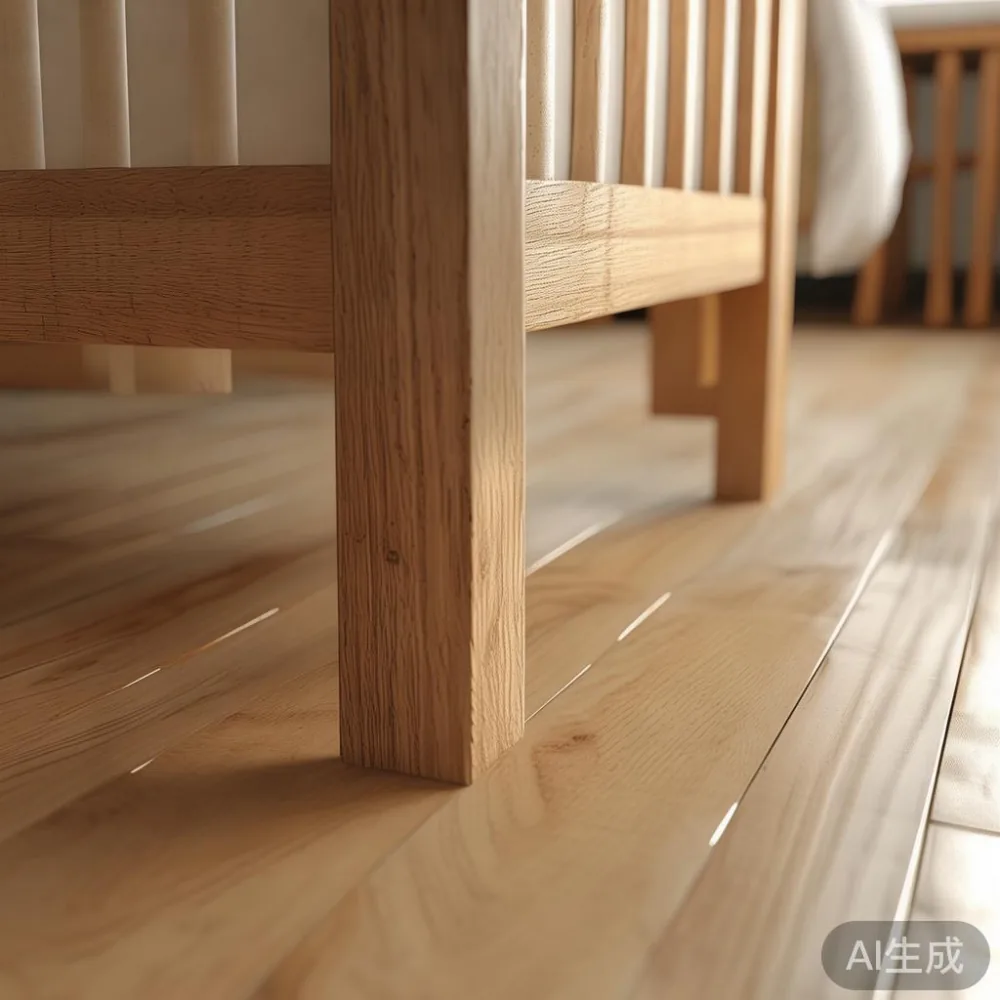
At MIDHILL, we build nursery furniture in solid wood for families who want dependable construction and restrained, light-luxury design. The humidity considerations below explain how wood moves, what to watch for, and how to keep a nursery practical without sacrificing appearance.
How much humidity can Southeast Asian weather put into solid wood?
Relative humidity means the percentage of water vapour in the air, not the amount of water absorbed by a board. Singapore frequently sits between 65% and 85% outdoors, while air-conditioned interiors may remain closer to 50% to 65%. A solid wood bed frame, dining table, or wardrobe placed near a balcony door can encounter substantial seasonal variation.
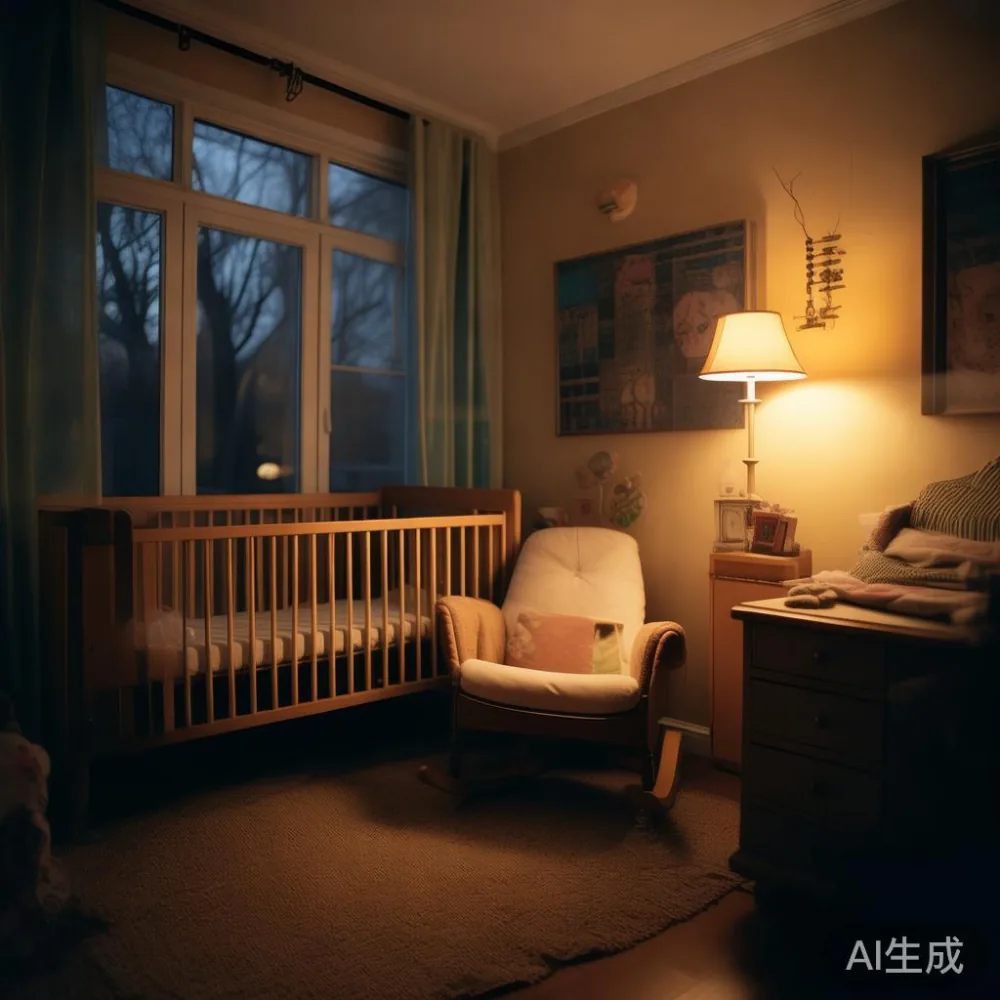
Wood reacts by expanding across its grain and contracting along it. A 180 cm solid wood dining table might move 2–4 mm in width across a wet-to-dry cycle. A 120 cm wardrobe front can shift by 1–3 mm. Small movement is normal; repeated swelling, drying, and swelling can loosen joints, cause lacquer to check, and make doors catch.
Humidity alone is rarely the problem in a well-ventilated home. Greater risk comes from direct moisture sources: leaking balcony pipes, washing machines behind the wall, wet towels left on timber, new plaster, or furniture pressed against an air-conditioning cold surface. Use a hygrometer costing about S$18–35 and check the nursery at 8 a.m. and 8 p.m. Readings should ideally stay between 45% and 65%. Above 70% for long periods, improve airflow and investigate hidden moisture.
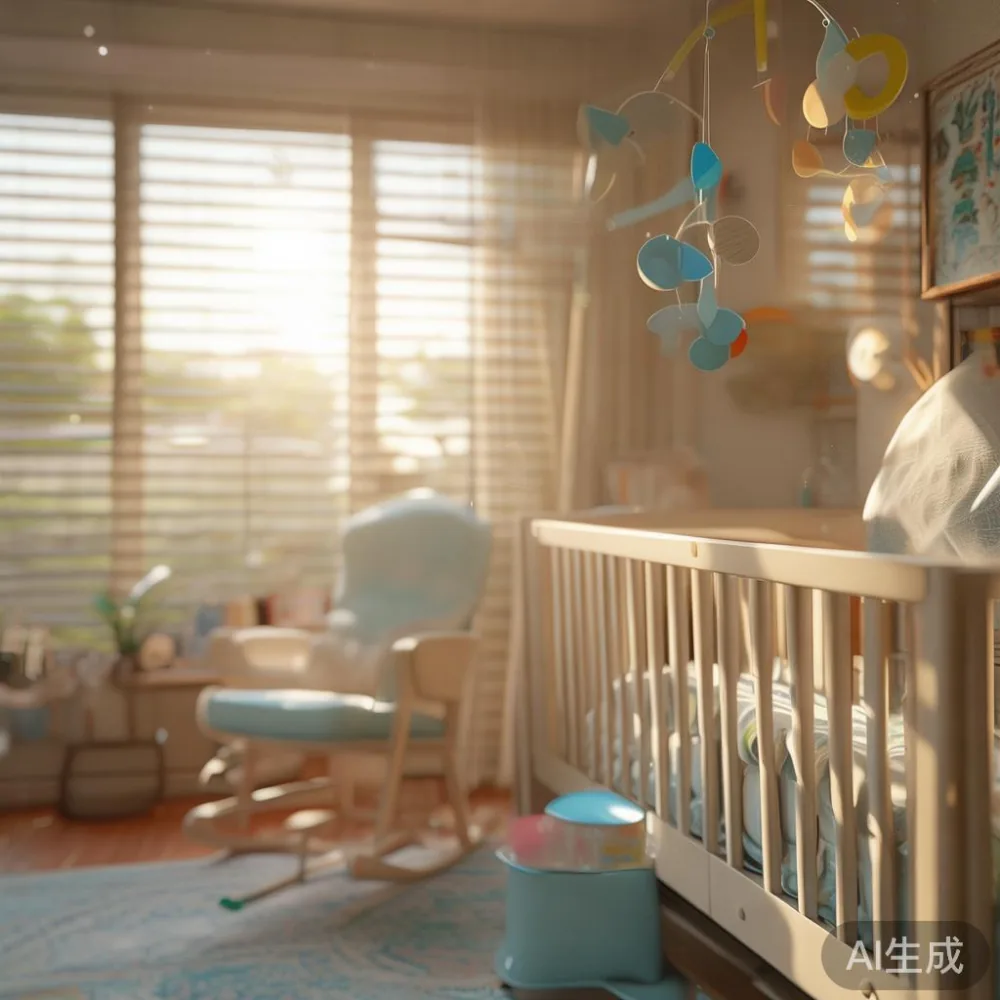
Singapore’s rainfall can reach 150–250 mm in a typical month, while equatorial storms produce short, intense bursts. Keep nursery furniture at least 30 cm from open windows and 20–30 cm from exterior walls where possible. Air movement matters more than chasing a perfectly constant number.
What should parents look for in humidity-resistant nursery furniture?
Look for furniture made from properly dried solid wood, mechanically joined where appropriate, and finished with a breathable coating. Solid wood is not waterproof, but quality seasoning and sensible placement can control movement. The finish should be described clearly: matte water-based lacquer, hardwax oil, or another system with a documented maintenance method.
Check every nursery piece for exposed edges, stable joints, smooth surfaces, and removable components. A convertible solid wood sofa can be useful in a playroom, but its moving rails should operate without binding after humidity changes. A marble table should never be placed in a nursery where a child can climb on it; its weight and brittleness require separate consideration. If a parent is also searching for for sale Boho furniture listings, humid climate performance should remain more important than decorative filters.
Allow finished furniture to acclimatise for 24–72 hours after delivery. Do not place it against a cold wall or immediately beside a humid exterior opening. Leave ventilation gaps of 5–10 cm behind a wardrobe or nightstand where space allows, and avoid stacking nursery furniture tightly against one another.
Price is only one part of the decision. A children’s wardrobe at S$1,200–S$1,800 may be reasonable, while a smaller unit at S$900 could still need replacing if its construction and moisture response are poor. Freight, GST, installation, and the available after-sales support should be compared alongside the item itself.
How do HDB corridors, lifts, and compact rooms change furniture choices?
Many Singapore families receive furniture before the child arrives, so access planning matters. Older HDB blocks may have lift doors around 70–80 cm wide and common internal lift dimensions near 110–140 cm deep. Newer blocks and private condos vary, but a measurement error of 5–10 cm can still prevent delivery. Measure the lift door, lift cabin, landing, corridor turns, stair rails, and the final doorway.
For a nursery, modular or disassembled construction is often useful. A 120 cm wardrobe may arrive as panels no wider than 60 cm, while a small nursery dresser may fit through an 80 cm opening. Record the narrowest point, add 10 cm of working margin, and note whether corridors permit a 90-degree turn. Door handles and removable shelves should be protected separately rather than forcing the carcass through.
Delivery commonly takes 5–10 working days after production in Foshan, with another 1–3 days for local scheduling. Confirm whether the quoted SGD amount includes GST. Singapore’s GST is 9%, and a S$1,600 subtotal adds S$144 in tax. Some quotations include delivery to the lift lobby; others include placement in the room, unpacking, and assembly. State these inclusions in writing.
Large-format furniture may require two delivery workers even when it fits through the lift. A 60 kg solid wood dining table may need a hoisting surcharge that differs from a 25 kg nightstand. For upper-floor homes without a suitable service lift, confirm access fees, wall-protection methods, and assembly timing before the order is dispatched.
What is the right solid wood finish for a humid nursery?
Choose a finish designed for interior timber and maintained according to its instructions. Water-based lacquers are often practical because they are thin, repairable, and less likely to feel sticky in humid conditions. Hardwax oils can provide a natural appearance, but water spotting and frequent re-oiling may be less convenient around spills and fingerprints. A high-gloss film should not be assumed to make wood moisture-proof.
For routine care, use a soft cloth slightly dampened with water, then dry the surface immediately. Clean spills within 5–10 minutes. Keep creams, crayons, coloured markers, and water-based paints away from the grain, and never use a wet mop on furniture. A nursery nightstand may also benefit from a removable tray, while a solid wood sofa with washable loose covers gives parents a practical cleaning layer.
Do not place an open diaper pail, humidifier, or damp towel on timber. Keep the distance between a cot and a wardrobe wide enough for airflow, ideally 45–60 cm. If a baby monitor, night-light, or humidifier is used nearby, ensure water cannot reach furniture or skirting boards.
Light-luxury styling works well here because pale finishes reveal dust and colour changes quickly. French light luxury nursery pieces with cream, beige, and muted oak tones can look refined without excessive ornament. Post-modern light luxury may use cleaner lines and warmer tactile finishes, but a marble table should remain outside a child’s reach. Consumers comparing broad catalogs may encounter under 2000 Nordic furniture phrases or top 10 Rustic furniture guides; style labels do not replace moisture specifications or accurate measurements.
How should solid wood be stored before a nursery is ready?
Keep furniture in its packaging or on its protective pads in a dry, ventilated space. Avoid the floor if the unit is in a basement or near a wash area. A minimum of 10 cm clearance from walls and 24–48 hours of acclimatisation are sensible before assembly. Do not tightly wrap furniture for long periods, because trapped condensation can encourage mildew or finish defects.
For seasonal preparation, inspect every 3–4 months. Check drawer runners, wardrobe hinges, crib slats, bed-frame joints, and sofa frames. Tighten screws only if required; forcing them during humid expansion can split timber. A small 5 mm gap at a moving joint is usually preferable to forcing a swollen component.
Use the hygrometer as a prompt rather than an obsession. If readings exceed 70% for several days, run the air conditioner in normal cooling or dry mode, use fans, and open internal doors to circulate air. Dehumidifiers can help in persistently damp corners. A 20 L model is suitable for many nurseries, but running cost, noise, and electrical positioning should be checked. Target 50–60% humidity where practical.
Mattresses and bedding can introduce odours and moisture. Store them separately from solid wood furniture until the room has been aired for 24–72 hours. This also gives parents time to inspect the wardrobe, bed frame, and nightstand before placing a sleeping infant nearby.
Are HDB and condo nurseries more affected by humidity than furnished rooms?
They can be, particularly when a new nursery receives concentrated use. Parents wash hands near the changing table, wet cloths collect near the cot, doors open frequently to a humid corridor, and furniture may be pushed against external walls. An air-conditioned bedroom can mask the issue during the day, while the same room becomes more humid at night.
Do not rely on one reading. I tested this during a recent visit to a Bedok family home: the main bedroom showed 61% relative humidity at 2 p.m., but the corner beside the balcony door reached 76% at 8 p.m. after rain. A pine cot frame that had touched the wall developed a damp base over 4–5 days. Moving it 25 cm away and improving airflow reduced the problem, while checking the balcony threshold revealed a slightly loose door seal.
Condo windows with floor-to-ceiling glass may create warm perimeter zones even when central air conditioning is running. Keep solid wood nursery furniture at least 20–30 cm from glass if possible, and use thermal curtains during the hottest afternoons. HDB interiors often have less direct sun but can have weaker corridor ventilation, so leave doors open for 15–30 minutes after the room has been aired.
Direct sunlight can dry one side of wood while humid air affects the other. Use blinds that reduce glare and heat without sealing the room completely. Maintain 30–50 cm between a nursery bed frame and an exterior wall where space permits, while complying with safe cot placement guidance and keeping cords out of reach.
How can families compare light-luxury wardrobes without overlooking humidity?
Measure the room and the delivery route before comparing finish options. A 150 cm HDB bedroom may accept a wardrobe 120–150 cm wide, but the corridor and lift still govern the largest possible carton. For larger family bedrooms, a 180 cm unit may be possible if the panels can be separated and assembled in the room.
Review how doors operate. Full-overlay doors may reduce required clearances but can conflict with ventilation. Sliding panels can avoid swing interference in compact rooms, although tracks must be kept clean. A nightstand with solid wood legs may show movement more clearly than a metal-frame table, so adjust it to remain level without forcing the legs.
Wardrobe shopping can become overly style-focused. A useful reference for anyone asking how to choose Japanese wardrobe is to inspect timber stability, joinery, hardware, and after-sales terms alongside style. Japanese-inspired light frames and pale finishes suit some Singapore nurseries, but humidity care still applies. Similarly, a best French provincial wardrobe for 2026 search should lead to a physically checked item rather than a trend label alone.
For buyers comparing used and new options, is Mid-century modern wardrobe worth it is a separate question from durability. Older panels may have valuable proportions but could have been stored in damp basements. Look for swelling, veneer lifting, musty odours, mould marks, and stiff doors. A low used price does not compensate for warped doors or uncertain construction.
What after-sales care protects nursery furniture over the long term?
Solid wood needs a maintenance calendar. Wipe surfaces every 1–2 weeks, inspect movement points every 3 months, and check humidity every 4–6 weeks during wetter months. Avoid steam cleaning, silicone polishes, abrasive pads, and household cleaners containing strong solvents. Use coasters and felt pads beneath drinks; replace them every 6–12 months as needed.
For families buying from MIDHILL, the 10-year structural warranty provides a defined basis for addressing frame or joinery concerns, while lifetime refinishing supports long-term surface care. The 14-day return period allows parents to assess fit and finish in the actual nursery. Orders over US$350 qualify for free shipping, but local Singapore delivery arrangements, GST, lift access, and assembly should still be confirmed before purchase. Using SGD makes the local comparison clearer: a S$1,200 wardrobe before GST is S$1,308 after tax.
Keep receipts, moisture readings, and photographs of assembly. If a door begins catching during a humid spell, let the room stabilise before treating it as a defect. If swelling continues or a joint separates, document the conditions and contact the supplier rather than applying force.
What practical checklist should a parent follow before ordering nursery furniture?
Measure the nursery, lift, corridor, doorway, and turning points. Choose solid wood construction with a clear finish specification. Keep the major item within reach of the S$350 free-shipping threshold where practical, check whether GST is included, and ask for a delivery window rather than relying on a general estimate.
Plan the furniture position before delivery day. Leave 20–30 cm from external walls, 30 cm from windows, and 45–60 cm between major nursery pieces where space allows. Confirm where electrical outlets, air-conditioning vents, and plumbing lines sit. The goal is not an empty room that looks perfect in a photograph, but a dry, comfortable arrangement that remains workable as the child grows.
After delivery, allow 24–72 hours for acclimatisation, unpack carefully, and inspect every fastener. Use a hygrometer for the first 2–4 weeks. If readings remain between 45% and 65%, wipe the furniture regularly and maintain airflow. If they stay above 70%, locate the moisture source before replacing the furniture.
Humidity does not disqualify solid wood in Singapore. It does reward careful seasoning, sound construction, restrained placement, and regular maintenance. A well-chosen solid wood sofa, bed frame, dining table, wardrobe, or nightstand can serve a family for 10 years or more, provided the home treats furniture as part of the room’s climate system rather than as a passive object.