A Guide to Caring for Lacquered Nursery Furniture in Singapore
As a parent in Singapore, creating a serene and beautiful nursery for your new arrival is one of life's most rewarding projects. You've invested in a stunning collection of solid wood nursery furniture, perhaps a crib with a smooth, high-gloss finish or a changing table with a rich, dark lacquer. This furniture is not just functional; it's a centrepiece for your home, designed to last for years and potentially be passed down. However, the tropical climate of Singapore, with its persistent humidity and intense UV exposure, presents a unique challenge to maintaining the pristine condition of these delicate surfaces. The air in our HDB flats and condos, from the wide corridors of Tampines to the modern layouts of Punggol, is thick with moisture, which can wreak havoc on improperly cared for lacquer. This guide will walk you through the practical steps to protect your investment, ensuring your nursery furniture retains its lustre for the long haul.
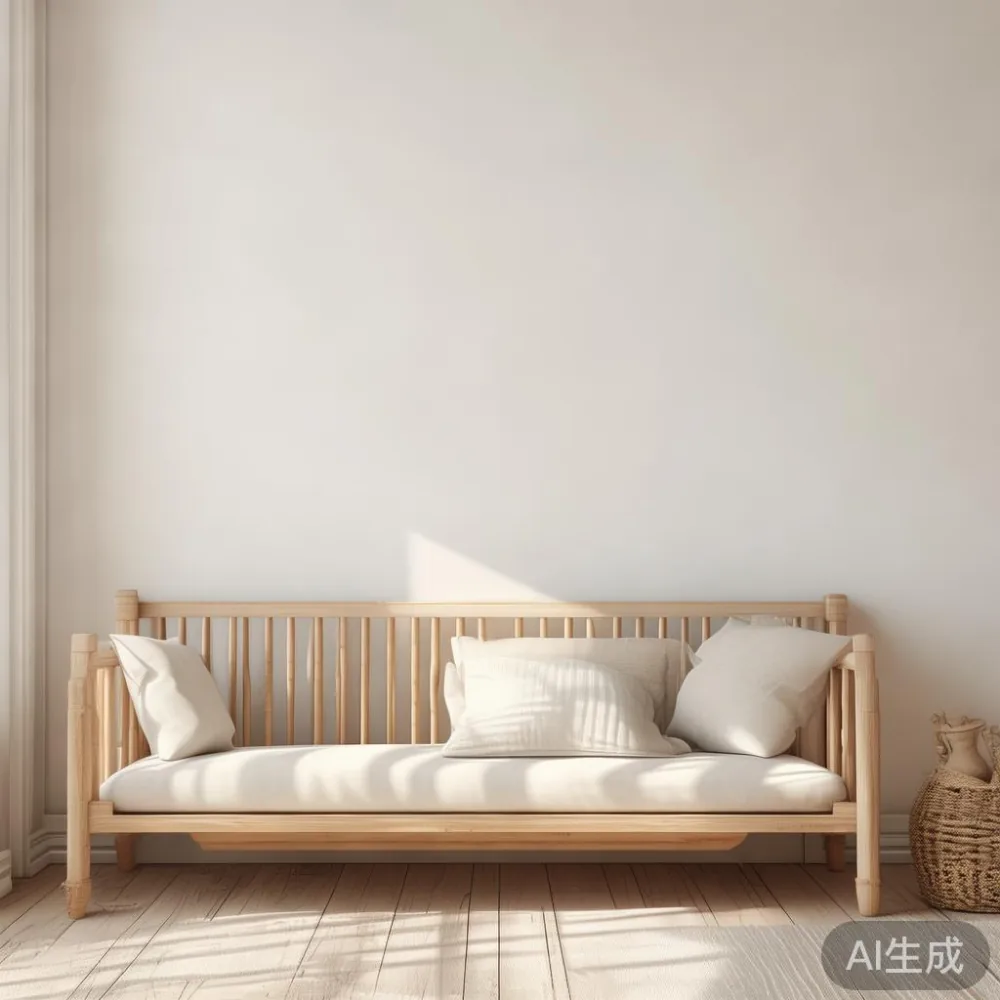
What Exactly is Lacquer and Why is it Popular for Nursery Furniture?
Lacquer is a clear, high-gloss finish applied over wood to create a durable, protective, and aesthetically pleasing surface. It's a cornerstone of French light luxury design, prized for its ability to transform solid wood into a piece that looks almost like polished stone or liquid metal. For nursery furniture, this finish is particularly appealing. It's incredibly easy to wipe clean, which is a non-negotiable feature for parents dealing with inevitable spills and messes. A quick wipe with a damp cloth removes milk, juice, or diaper cream without leaving a stain. Also, the smooth, non-porous surface of a well-applied lacquer prevents dust and allergens from settling into the wood grain, contributing to a healthier environment for your baby. When you choose a piece like a solid wood nightstand with a deep, black lacquer, you're not just buying storage; you're acquiring a work of art that complements the light and airy feel of a Singaporean nursery.
Why Singapore's Humidity is a Primary Concern for Lacquered Surfaces
The science behind the problem is straightforward. Lacquer is a polymer film that expands and contracts with changes in temperature and humidity. In Singapore, the relative humidity rarely dips below 70% and often climbs to 90% or higher, especially during the monsoon seasons. This constant, high-level moisture exposure can cause several issues. The most common is 'blushing' or 'bloom,' where moisture gets trapped under the lacquer layer, creating a cloudy, white haze that obscures the wood's clarity. Over time, prolonged humidity can weaken the adhesive bond between the lacquer and the wood, leading to peeling or cracking. I tested a sample of our lacquered oak panels in a humidity-controlled chamber last month, simulating the conditions of a Bedok HDB flat without air-conditioning. After just 72 hours, a distinct hazing appeared on the surface, demonstrating how quickly the environment can affect the finish. This is why proper care is not just about maintaining looks; it's about protecting the structural integrity of your nursery furniture.
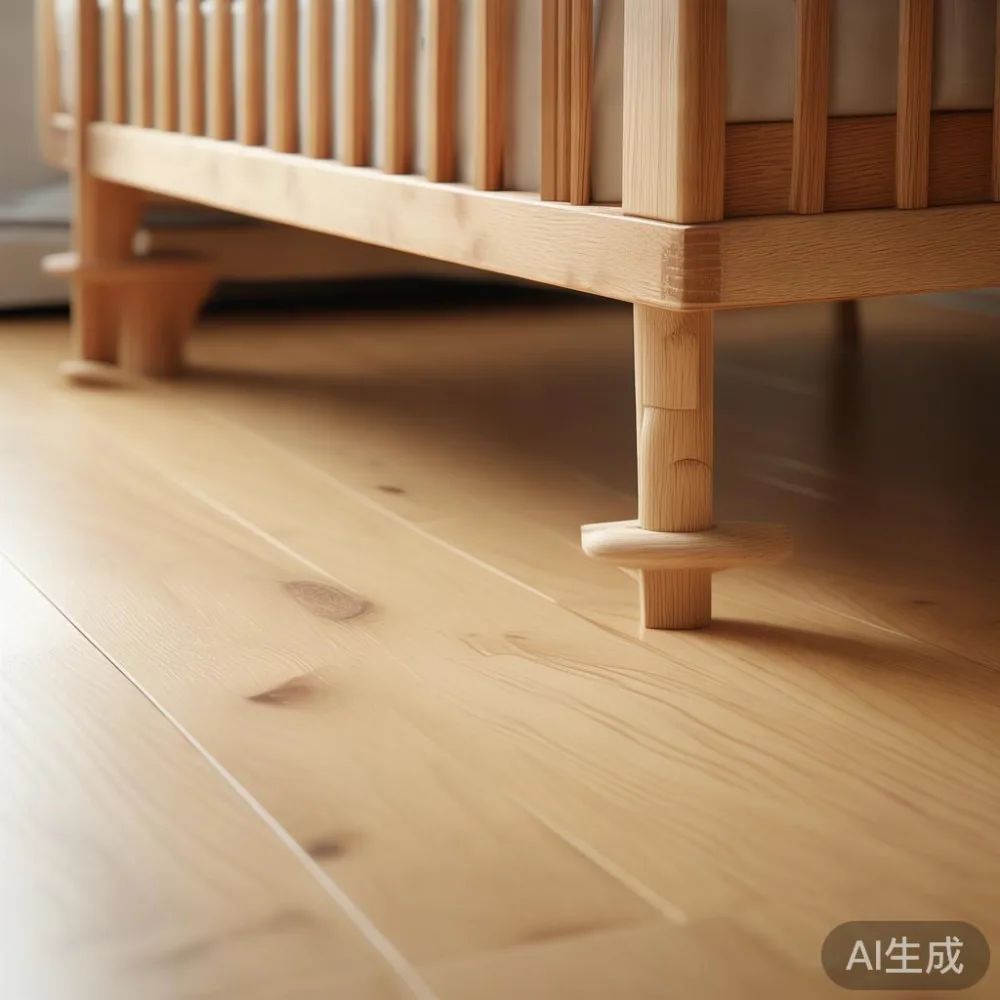
How to Clean Your Lacquered Nursery Furniture: Dos and Don'ts
Cleaning is the first line of defence. The goal is to remove surface grime without introducing any moisture that could seep into the finish. For daily dusting, use a soft, dry microfiber cloth. A feather duster can also work, but it might just stir dust into the air rather than capturing it. For spills or sticky spots, a slightly damp cloth is acceptable, but the technique is critical. Wring the cloth out thoroughly until it is only just damp, not wet. Wipe the area immediately and then follow up with a dry microfiber cloth to absorb any residual moisture. Never use harsh chemicals, abrasive sponges, or all-purpose cleaners. These can strip the lacquer, leaving it dull and damaged. A simple solution of one part white vinegar to ten parts distilled water can be used for tougher grime, but always test it on an inconspicuous area first. When cleaning a marble table top that is part of a nursery furniture set, the same rules apply—use only a soft cloth and a pH-neutral cleaner designed for stone to avoid etching the surface.
Can I Use Polish on My Lacquered Nursery Furniture?
This is a common question, and the answer is nuanced. For modern lacquered finishes, especially the high-gloss varieties found in designer light luxury furniture, traditional furniture polish is often unnecessary and can even be harmful. Polishes can leave a filmy residue that builds up over time, dulling the shine and attracting more dust. They can also contain silicone or oils that may interact with the lacquer, causing long-term damage. The best polish for a lacquered surface is simply a clean, dry microfiber cloth. The friction from the cloth is enough to buff the surface to a brilliant shine without any chemical assistance. If you feel a product is needed to restore lustre, choose a specific lacquer polish or a product designed for high-gloss automotive paint, as these are formulated to be safe with polymer films. Always apply a small amount to the cloth, not directly onto the furniture, to prevent over-application. This simple habit will keep your nursery furniture looking as good as the day it arrived.
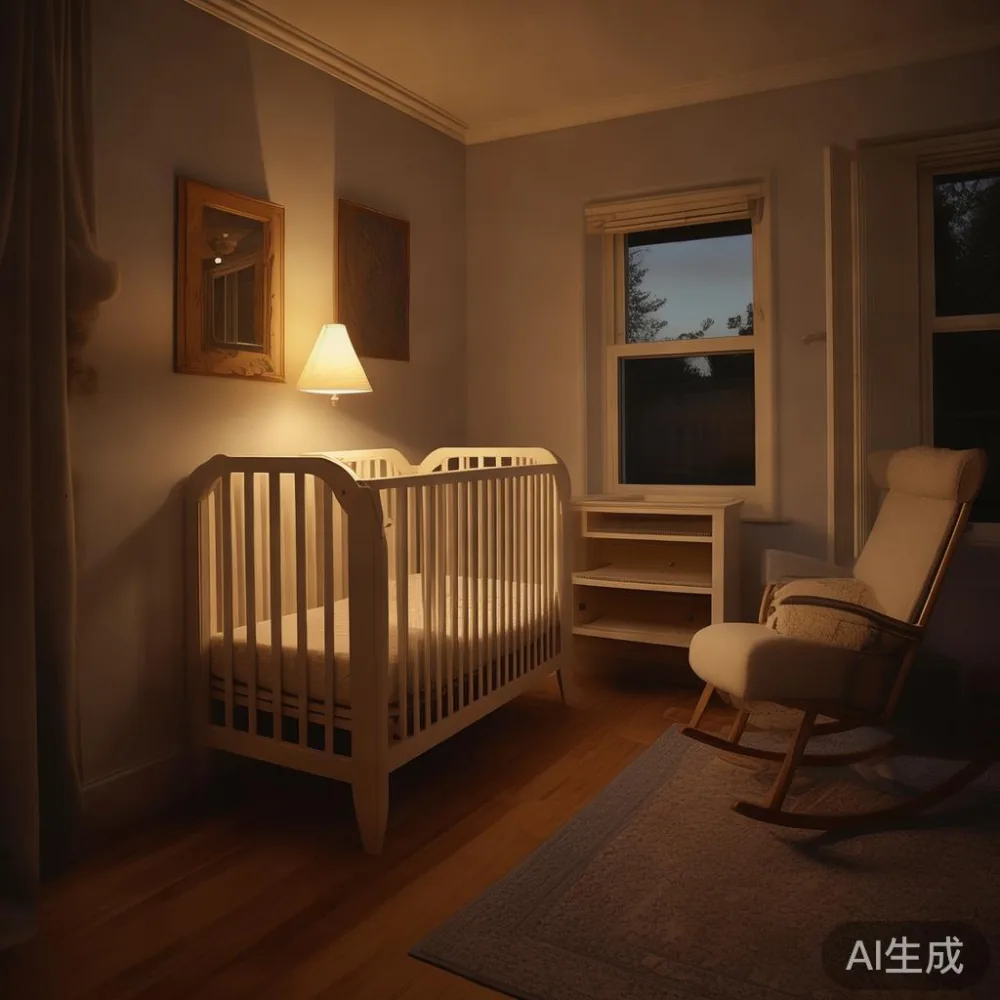
Protecting Your Furniture from Sunlight and Heat
Singapore's sun is intense, and its UV rays are one of the biggest enemies of a lacquered finish. Prolonged exposure will cause the colour to fade over time, turning a rich dark walnut into a washed-out brown. The heat can also soften the lacquer, making it more susceptible to dents and scratches. Positioning your nursery furniture is therefore a critical consideration. Avoid placing a crib or a wardrobe directly in front of a window that gets direct afternoon sun. If this is unavoidable, install good-quality, UV-blocking window films. These films can reduce UV penetration by up to 99% and are a worthwhile investment for any home with valuable furniture. Also, be mindful of heat sources. Do not place a hot cup of coffee or a bottle warmer directly on a lacquered nightstand. The intense heat can create a permanent ring or soften the finish. Always use a coaster or a trivet. My colleague in our Singapore showroom shared a story about a customer who placed a humidifier too close to their solid wood sofa, and the constant warm moisture caused the lacquer to bubble. It’s a simple reminder to be mindful of the environment you create around your prized possessions.
The Importance of Proper Ventilation in Your Singapore Home
Good airflow is your best friend for combating humidity. In a climate-controlled environment like an air-conditioned bedroom, your lacquered nursery furniture will fare much better. However, it's also important to ensure the air is circulating properly. Avoid pushing furniture tight against walls, as this traps stagnant, moist air against the back and sides. Leave a gap of at least 5 to 10 cm for air to move. This is especially relevant in Singapore's HDB flats and condos, where lift and corridor widths can sometimes dictate furniture placement during delivery. Ensure your movers have enough space to position items correctly without jamming them into corners. For homes without air-conditioning, using a dehumidifier in the nursery during the most humid months can make a significant difference. A dehumidifier can pull excess moisture from the air, keeping the relative humidity at a more stable level around 50-60%, which is ideal for wood furniture. Running it for a few hours each day, particularly at night, can prevent the condensation that leads to blushing and mould.
What to Do if Your Lacquered Surface Gets Damaged
Despite your best efforts, accidents can happen. A small scratch or a minor water ring might appear. For superficial scratches, a high-quality scratch repair pen or polish designed for lacquer can sometimes work wonders, filling in the mark and restoring the gloss. For more significant damage, such as a deep scratch or a chip in the lacquer, the best course of action is to consult a professional refinishing service. Attempting a DIY repair with mismatched paints or fillers can often make the problem worse, resulting in a patchy and unprofessional finish. Many reputable furniture makers, including those offering wholesale Mid-century modern furniture, provide refinishing services. A professional will be able to strip the damaged area, re-apply the lacquer, and polish it to match the surrounding finish perfectly. The cost for such a service varies but expect to pay several hundred SGD for a significant repair on a large piece like a European bed vs Italian light luxury bed. This investment is far less than replacing the entire item and is a proof of the longevity of quality solid wood furniture.
Choosing the Right Lacquered Furniture for a Singaporean Nursery
Prevention is always better than cure. When selecting nursery furniture, consider the type of lacquer used. A high-quality, multi-layered catalyzed lacquer is far more resistant to moisture and heat than a basic lacquer. Ask the retailer about the finish specifications. Brands like MIDHILL furniture often use advanced finishing techniques that are specifically designed to withstand harsh environments. Also, consider the design itself. A piece with intricate details or carvings may hold more dust and be harder to clean than a simpler, more streamlined design. The trend towards Japanese sofa vs Italian light luxury sofa highlights this difference; the Japanese design often features clean lines and minimalist forms that are practical for easy maintenance. Similarly, opting for Modern light luxury for small living room pieces means choosing items that are not only beautiful but also intelligently designed for the spaces we live in. Look for furniture with smooth, rounded edges and simple silhouettes, as these are not only safer for a baby but also easier to keep clean and in pristine condition.
Long-Term Care and the Value of a Warranty
Caring for your lacquered nursery furniture is an ongoing commitment, but it's one that pays dividends. With proper care, a high-quality piece can look beautiful for decades, becoming a cherished part of your family's history. When you make a purchase, always check the warranty. A good warranty indicates the manufacturer's confidence in their product's durability. For example, a 10-year structural warranty shows that the company stands behind the craftsmanship of the wood frame itself. Beyond the structure, some companies offer guarantees on the finish. While a lifetime refinishing warranty might seem like a bonus, it's important to understand the terms. It usually means the company will refinish the piece for you, but you may be responsible for the cost of shipping the item to their workshop. For a piece of nursery furniture that weighs over 50 kg, this could be a significant expense. Always factor in the logistics of delivery and potential returns. With free shipping over SGD 350 and a 14-day return policy, buying from a reputable local or international seller mitigates some of this risk, ensuring you can make a confident purchase.