Small-Apartment Styling: How to Use Nursery Furniture Without Making the Space Feel Crowded
Singapore HDB flats and condos rarely have room for furniture chosen without measurements. In Tampines, Bedok and Punggol, a 3-room unit may combine living, dining and sleeping functions within roughly 55–85 sqm of usable floor area. Even a 95 cm sofa can appear bulky if it faces a 140 cm dining table in the same visual zone. The solution is not to strip the home of personality, but to choose nursery furniture with controlled proportions, useful storage and finishes that let the walls remain quiet.
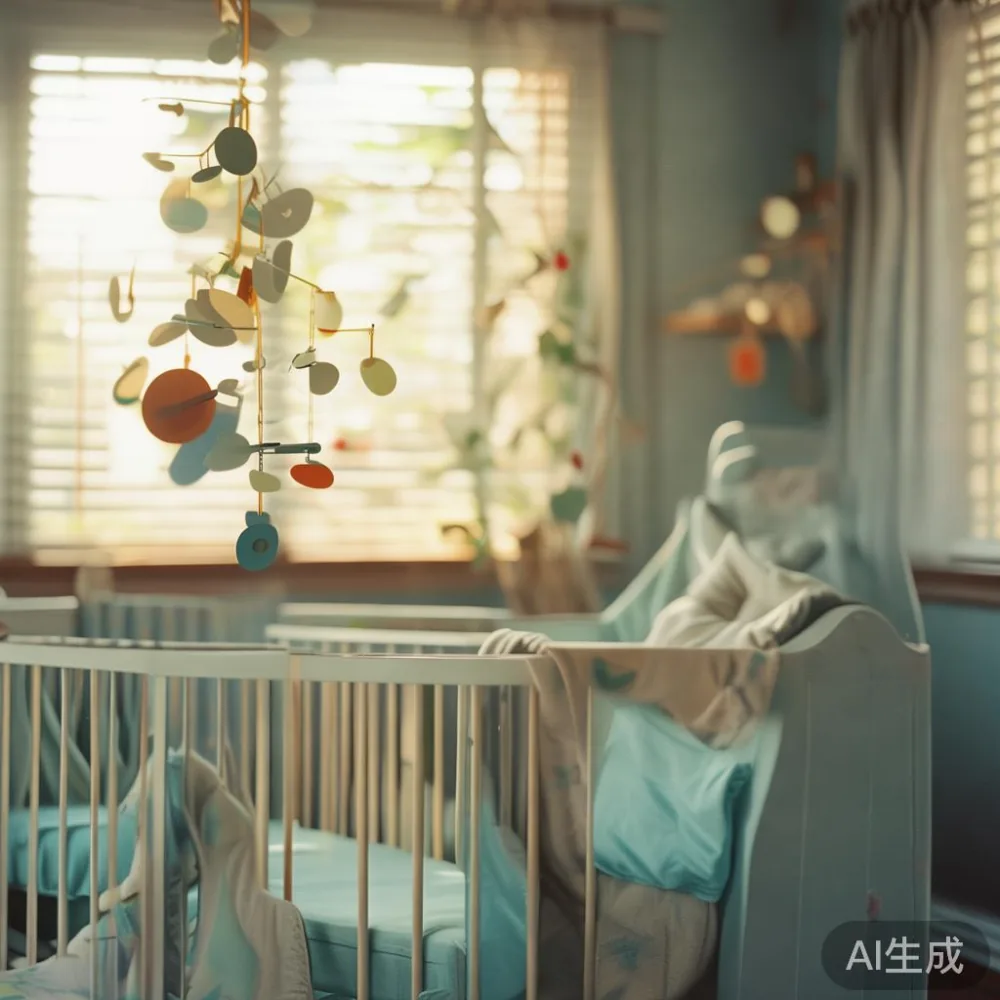
This guide explains how families can style a compact apartment with nursery furniture, including a cot, compact changing table, child-safe storage and adaptable adult pieces. A solid wood sofa, bed frame or dining table can still contribute to the scheme, but it should have a clear job and fit the circulation route. Singapore GST of 9% applies to most retail purchases, and lift, corridor and doorstep dimensions should be confirmed before ordering.
How can I make a small Singapore apartment feel less crowded?
Begin with the floor plan rather than a shopping catalogue. Tape a 90 cm-wide rectangle on the floor to represent the main passage from the entrance to the kitchen, bedrooms and lift lobby. In many HDB layouts, residents need at least 75–90 cm of clear circulation, although a specific block may require more. Furniture should not sit inside that taped area.
Next, divide each wall into two zones: a 60 cm “active” zone and a 30 cm “soft” zone. The active zone can hold a narrow nursery changing table, nightstand or low bookcase. The soft zone can receive wall shelves no deeper than 20–25 cm. Keeping large objects below eye level and using pale finishes creates visual breathing room without making the home look sparse.
For an open-plan living and dining area, set the dining table at right angles to the sofa instead of directly in front of it. A 100 × 60 cm oval dining table seats 4 people and gives chairs room to pull back by 60–70 cm. If a rectangular table is necessary, 120 × 70 cm can seat 4, while 160 × 80 cm seats 6 but needs a clearer approach.
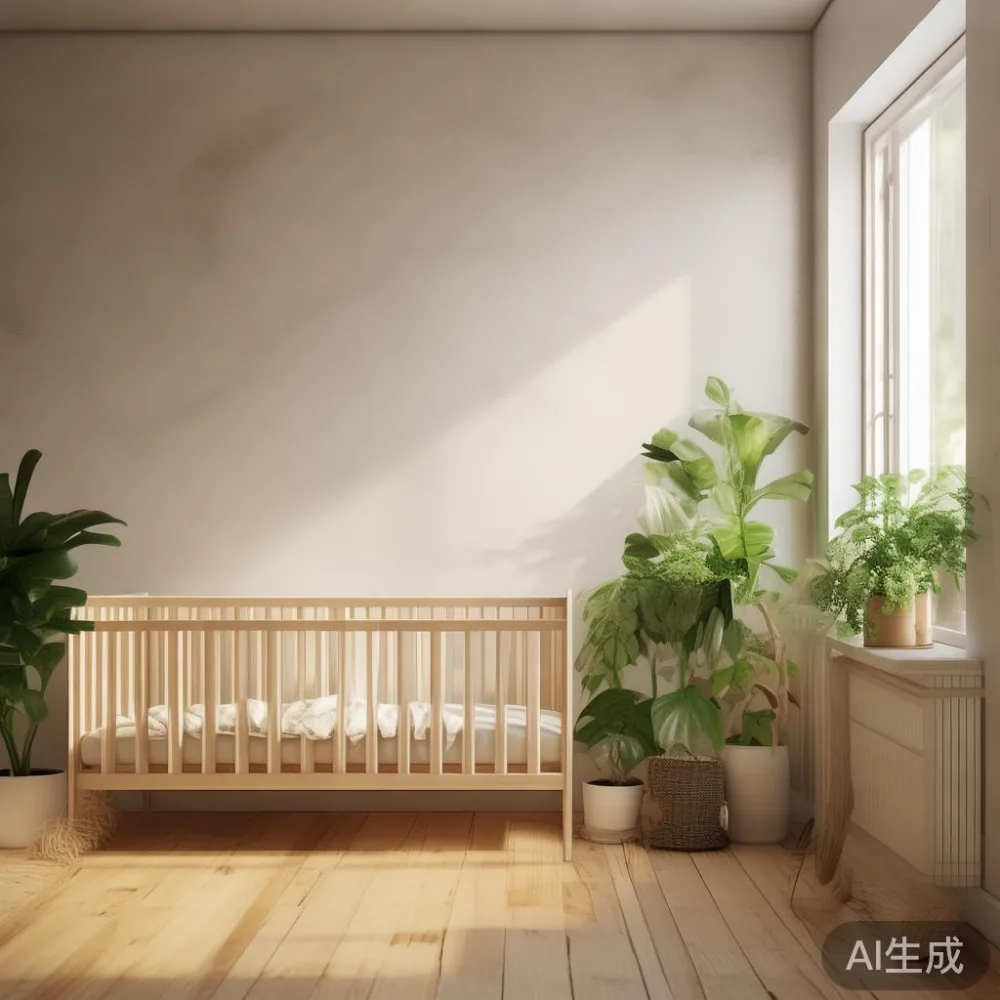
Curtains and mirrors work as spatial tools. One full-height mirror of 40–60 cm width near the entrance can reflect daylight and make a compact room appear wider. Use a sheer curtain mounted 15 cm above the window and extend it beyond the frame by 15–20 cm on each side. Avoid heavy black frames and oversized artwork, which tend to interrupt the room’s visual rhythm.
Which nursery furniture pieces earn their footprint?
Good nursery furniture earns its place through dual use. A changing table with 3 drawers can become a bedside table for a parent, a toy chest and a place to store folded clothes. A low cot with storage can later serve for books or linen. A nursery wardrobe placed beside the cot can hold outgrown clothes while the sleeping zone remains visually calm.
Measure the cot before considering its decorative impact. A typical nursery cot measures 120–140 cm long and 65–75 cm wide, while a standard mattress is about 130 × 70 cm. A 140 × 75 cm cot gives a child more room to move but subtracts a meaningful band from a small bedroom. Leave at least 60 cm beside the cot if a narrow changing table will sit alongside it; otherwise, look for a changing unit with a 45–50 cm top that can be placed at the foot of the bed.
Storage is more useful when every drawer has a defined depth. Shallow drawers measuring 25–30 cm deep suit nappies, muslin cloths and small outfits. Deeper drawers of 40–45 cm can hold folded bedding. Open shelves above the changing surface can display 4–6 frequently used items, but they should be secured to the wall and positioned beyond the reach of a climbing child.
For children over 3 years, consider a 90–120 cm-low nursery bookcase rather than a tall unit. Books can be grouped by size into 3 colour bands, leaving about 20% of each shelf empty. This prevents the corner from becoming visually heavy while keeping the room practical for a child aged 4–10.
MIDHILL’s solid wood approach is relevant here because the same construction can support everyday nursery use and later reuse. The company was established in 2008 and exports to more than 15 countries, while its structural warranty runs for 10 years. Its lifetime refinishing service can help maintain a cot, wardrobe or bed frame rather than replacing it when the finish ages.
What measurements should I check before ordering furniture?
Measure the apartment at 3 points: the lift doorway, the corridor turn and the home’s entrance. HDB lift doors are often around 80–90 cm wide, and the lift car may only be about 110–140 cm deep. Corridors can narrow to 90–120 cm, especially where handrails project into the path. A boxed dining table may be impossible to turn through a right-angled corridor even if its narrowest dimension fits.
Ask the supplier for the packed dimensions, not only the assembled dimensions. For example, a solid wood bed frame might assemble to 180 × 200 cm but ship in 2 cartons of 185 × 45 × 18 cm and 95 × 45 × 18 cm. A round dining table may arrive in a single 110 × 80 × 25 cm box. Record the diagonal of every tight turn; a 200 cm-long package may need a corridor of at least 220 cm to rotate safely.
Weight also affects delivery. A 4-person dining table in solid wood may weigh 45–70 kg, while a queen bed frame may weigh 35–60 kg. Ask whether the courier carries it upstairs or only to the ground-floor lobby. HDB blocks without a private lift may require the items to be received at the lobby or carried up a staircase by the building’s appointed contractor.
MIDHILL offers free shipping for orders over US$350, but that threshold is shown in US dollars rather than SGD, so confirm the exact Singapore qualifying total before checkout. Delivery to Singapore commonly takes 7–14 working days for in-stock pieces, while made-to-order items may require 6–10 weeks. A 14-day return window is available, subject to the stated product conditions, and customised dimensions may be excluded.
Can light-luxury styling work in a compact HDB flat?
Yes, if “luxury” is expressed through proportion, texture and joinery rather than sheer volume. French light luxury works well for a nursery changing table with tapered legs, soft-close drawers and a muted linen finish. French provincial with storage can work in a 3-room flat when the cabinet is limited to 80–100 cm wide and paired with one framed print rather than a gallery wall.
Post-modern light luxury is useful when mixing periods: a simple solid wood bed frame can sit beside a rounded nightstand, while one sculptural lamp adds contrast. American light luxury suits broad, restrained forms and deep-toned wood. Keep the palette to 3 main colours—warm white, pale greige and one darker wood tone—plus 2 accent colours.
On a local product page, the phrase Modern light luxury nightstand may describe a compact bedside table with a narrow footprint. If that term is used, check whether the drawer opens sideways and whether the unit can be fitted beside a 100 cm-wide cot. A 40–50 cm width is usually enough for a water bottle, book and phone, but 45–60 cm provides more usable surface area.
Seating also needs a deliberate scale. When comparing online options, a search for the best Japandi sofa for 2026 may return designs with low arms and clean lines, but a compact apartment should focus on the stated dimensions. A 160–180 cm sofa suits many 3-room homes, while a 140–160 cm 2.5-seater can preserve a 75–90 cm passage. The best Nordic sofa for 2026 may suit a family that wants pale timber and restrained upholstery, provided its seat depth is no more than 60 cm. Likewise, a European light luxury sofa can work if the arms are slim and the base is recessed, rather than visually floating forward.
Budget carefully. A suitable nursery set may range from SGD 1,200 to SGD 3,500 before GST, while a compact solid wood dining table may cost SGD 900–2,100. Searches for under 2000 French furniture can be misleading because currency, shipping and item dimensions may differ. Compare final delivered cost, including the 9% GST, rather than relying on a catalogue headline.
How do I create a nursery that still works as an adult room?
A nursery in a Singapore condo does not need to remain frozen in the first year. Choose furniture that can change function without tools: a cot with a removable top becomes a child’s reading bench, a nursery wardrobe becomes a linen cupboard, and a changing table becomes a display cabinet for framed photographs.
Place the cot near a window with good daylight but out of direct afternoon sun, which can raise fabric temperatures above 30°C. Keep the cot at least 45 cm from an air-conditioner’s direct airflow. Use blackout curtains during afternoon naps, and confirm that cords are secured at least 90 cm above the floor.
For a child aged 2–4, a 120–140 cm solid wood bed frame with a low guard can replace the cot. A matching nursery wardrobe should be no deeper than 50–55 cm when positioned opposite the bed. If the room is only 2.4 × 3.0 m, a 120 cm bed may leave about 60 cm on one side and 90 cm on the other, subject to door swings and window positions.
The floor should carry one washable rug rather than several. A 160 × 230 cm rug under the bed can soften the sleeping zone while extending the visual width. Avoid a rug larger than the available floor by more than 10 cm on each side, because its edge can make the room feel compressed.
Adult furniture can share the room through matching materials, not identical scale. A marble table may be reserved for the living room and paired with a light-oak nursery cabinet. Its cool surface can balance warmer timber. If the nursery needs a surface near the cot, a 60 × 40 cm nightstand with one drawer and one open shelf is more practical than a heavy marble unit, which may be difficult to move and can be harder to maintain.
What should I order for a small Tampines, Bedok or Punggol apartment?
Start with a load list and assign each item a maximum width. A practical 3-room flat might include a 140–160 cm solid wood sofa, a 100 × 60 cm dining table for 4, a 120 × 140 cm nursery cot, a 45 cm-wide nightstand, a 60 cm nursery wardrobe and a 70–90 cm changing unit. Those figures should still be checked against the actual room and delivery route.
Keep the sofa’s visual centre away from the apartment entrance. In an open-plan unit, orient it parallel to the longest wall and use a slim floor lamp of 25–30 cm diameter instead of a 50 cm coffee table. A nesting table set, with pieces measuring 45 × 35 cm and 35 × 30 cm, gives surface area without the footprint of a fixed rectangle.
For dining, remove 1 chair after the children outgrow high chairs. A 100 × 60 cm table often becomes more comfortable with 3 chairs and better circulation. In Bedok or Tampines, where sunlight is stronger, choose a UV-stable light-toned finish and rotate small objects rather than leaving them against the window for the full afternoon.
For storage, open shelving should not exceed 25 cm in depth, while closed wardrobes can go up to 55–60 cm if the wall permits. A 2-door nursery wardrobe at 80 cm wide may suit a 2.5–3 m wall; a wider 100 cm unit is more suitable for a 3.2–3.6 m wall. Door clearance should be tested at 90°.
Finish by removing 30% of visible accessories. Keep 1 tray with 5–7 daily items, 1 framed picture and 1 soft object on the changing table. Clear surfaces allow the eye to travel across the room, while fewer objects make daily tidying realistic.
How can I test a layout before spending SGD 2,000 on furniture?
Last month I visited a colleague’s 3-room HDB flat in Bedok with a compact nursery corner and a 160 cm sofa. We marked the proposed furniture with masking tape on the floor for 2 evenings. The first arrangement left only 58 cm beside the cot, making the changing area feel pinched. Moving the nightstand to the opposite wall and reducing the coffee table to a 35 cm nesting table restored a 78 cm passage. The cot remained in place, but the room felt calmer immediately.
Repeat this test at different times of day. Walk from the lift to the front door, from the dining table to the kitchen, and from the nursery doorway to the bed. Open every drawer and chair. If a child’s pushchair or laundry basket cannot pass without moving something, the layout is too tight.
Order the largest item first, then allow 2–4 weeks for the layout to settle before completing the room. Photograph the space from the entrance at eye level, about 150 cm high. Compare the image after each delivery and remove one more object if the room appears compressed.
A well-styled small apartment is not defined by having less furniture. It is defined by clearer spacing, disciplined dimensions and pieces that continue to serve the household. With accurate measurements, secure storage and light-luxury details used sparingly, nursery furniture can support a young child while preserving the visual calm that Singapore’s compact homes need.