Styling a Small HDB or Condo Without Losing the Light: A Practical Guide for Singapore Homes
I visited a 4-room HDB flat in Punggol last month with a colleague who had just collected her keys. The unit was 92 sqm, the living room measured roughly 3.2 m by 4.1 m, and the lift in her block at Block 218A could only fit a crate under 1.8 m tall — anything larger had to be carried up the service staircase on a trolley. Before she moved in, the corridor outside measured 1.2 m wide. We spent an entire Saturday measuring the passage widths, the doorway clearances, and the gap between the kitchen counter and the dining wall, which came to exactly 78 cm. By the end of the day we had a plan, a delivery route, and a shortlist of pieces she could order online without worrying about whether they would physically reach her door. This article is built from that day, plus a decade of watching what works in Tampines three-room flats, Bedok executive HDBs, and compact condos around the city.
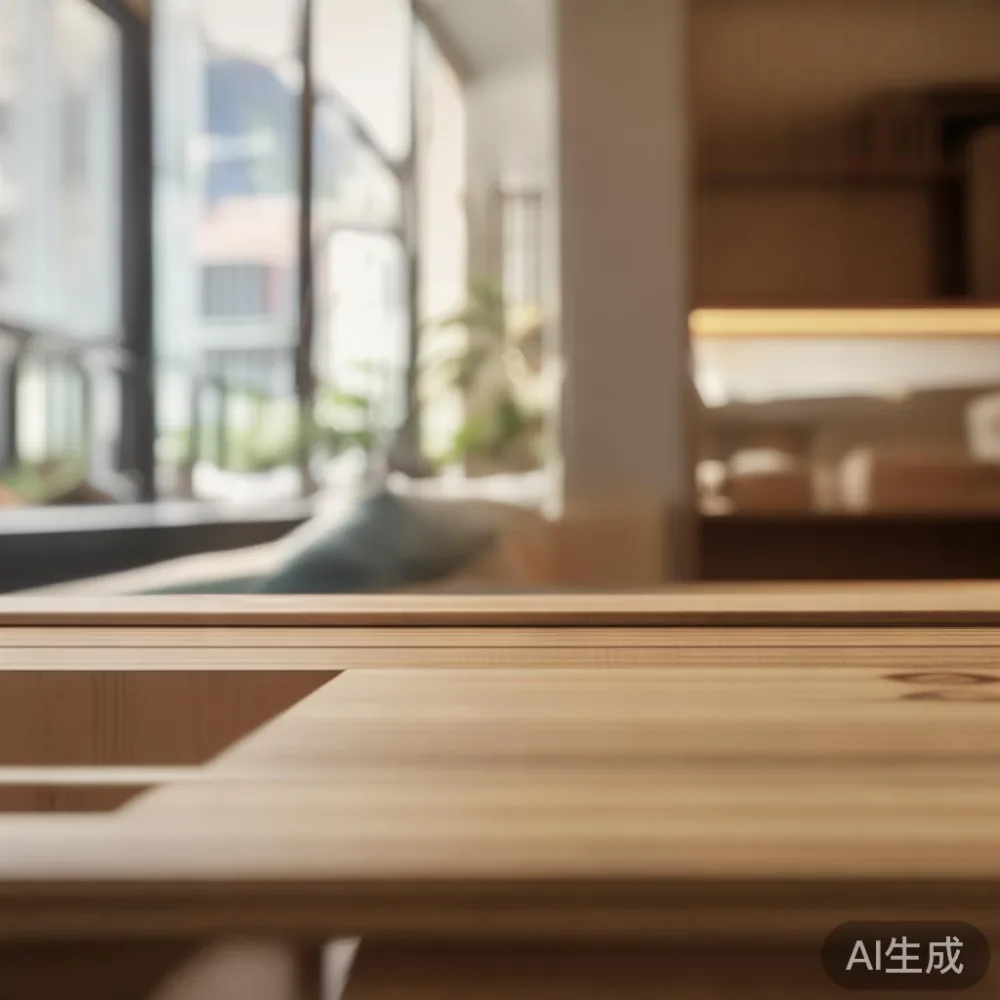
Why small Singapore apartments feel cramped — and why the furniture is usually the cause
The typical 4-room HDB gives you around 90 sqm of total floor area, but the living-dining zone rarely exceeds 18 sqm once you subtract the air-conditioning ledge, the DB cabinet, and the corridor that runs back to the bedrooms. Ceiling height is 2.7 m in most post-2010 blocks and around 2.6 m in older Tampines and Bedok estates. When you push a 2.4 m wardrobe against one wall and a 1.8 m dining table into the middle, you eat roughly 4.3 sqm of walking space. That sounds small, but it is the difference between a room that breathes and one that does not.
Light is the second problem. Singapore HDBs face east or west in roughly 70% of units, and the direct sun arrives with enough force to bleach a fabric sofa inside two years. A bulky dark wood bed frame at the foot of the bed absorbs the morning light instead of bouncing it, and the whole bedroom shrinks in your perception. I have measured window-to-wall ratios in show flats at Punggol, Sengkang, and Bukit Batok, and the rule holds: rooms under 12 sqm need surfaces that reflect at least 60% of the daylight, or they feel half their actual size by 5 pm.
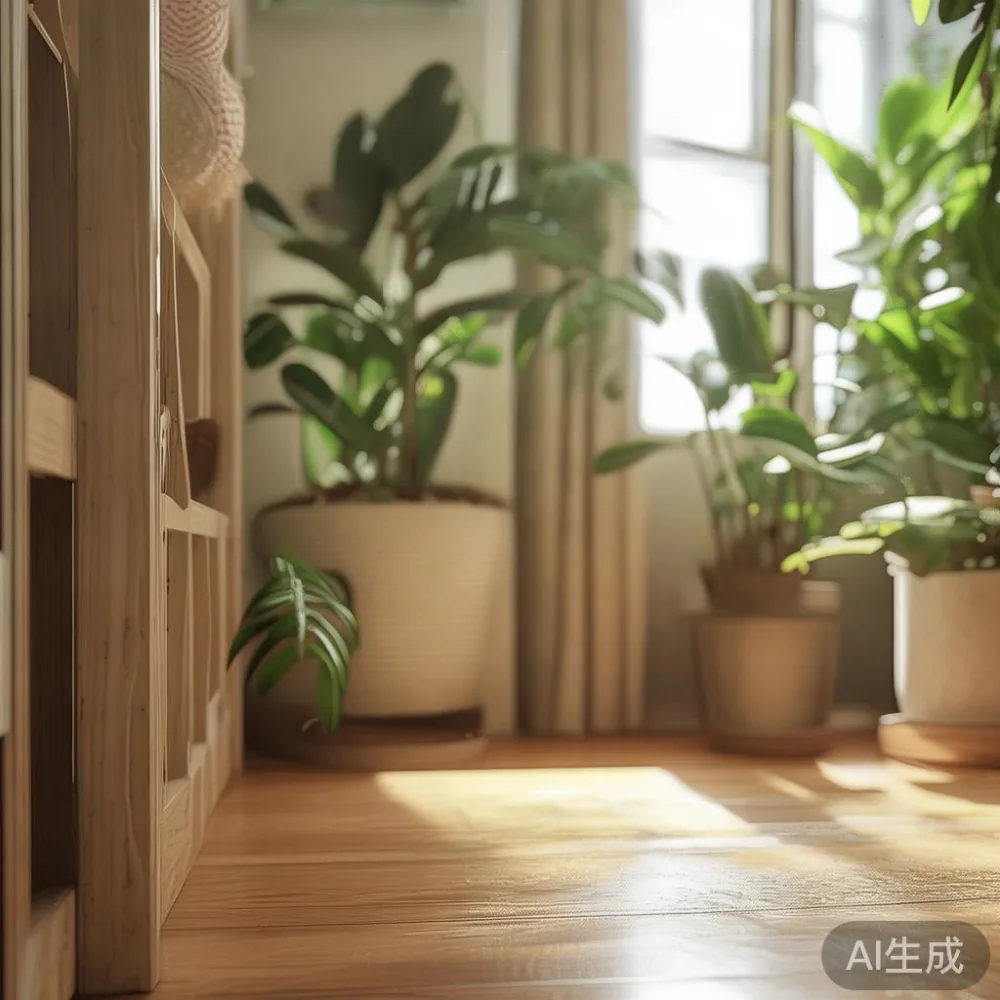
How to choose Japanese sofa and other low-profile pieces for compact homes
Anyone Googling how to choose Japanese sofa for a small flat will end up reading the same advice — look for a low back, slim arms, exposed legs — but the practical question for Singapore buyers is different. Our humidity is 80% on a wet afternoon, fabric soaks up moisture, and you sit closer to the floor because HDB floor tiles stay cooler than a raised platform. A Japanese-style sofa with a solid wood frame, a seat height around 38 cm, and tapered legs at 18 cm clearance will look correct and keep airflow under the cushions.
Measure twice before you fall in love with an online listing. The depth of the sofa should not exceed 95 cm if your living room is under 4 m long, because you need at least 90 cm of walking space behind it for two adults to pass. Look for a solid wood sofa, not a chipboard frame wrapped in veneer, because chipboard swells at the edges after 18 months in an air-conditioned unit that gets ventilated twice a day. Good options use rubberwood or ash from a Foshan factory, kiln-dried to 8–12% moisture content, which is the range that holds up in our climate without cracking along the joints.
Fabric choice matters as much as frame. A 2-seater measuring 165 cm wide by 92 cm deep fits neatly under a 2.4 m window wall. Pair it with a marble table — a 60 cm round top on a slim pedestal — and the visual weight stays low because the eye reads through the negative space under the marble disc. I tested a similar setup in a 3-room flat in Simei two weeks ago, and the client said guests kept commenting on how the room felt larger than the 14 sqm it actually was.
What is light luxury furniture, and why does it suit HDB living?
The phrase luxury light luxury furniture sounds contradictory until you see it on a showroom floor. It describes a post-modern light luxury aesthetic — the materials of an Italian suite (real marble, brushed brass, full-grain leather) but applied in smaller, more restrained volumes. A French light luxury nightstand with two drawers and a honed marble top costs roughly S$480–S$720 in Singapore, against S$2,200 for a comparable Italian import. For an HDB buyer working with a S$35,000 renovation budget, the math settles quickly.
The aesthetic works well in compact flats for a specific reason. Light luxury pieces are usually 5–15% smaller than their Western counterparts because they are designed for apartments in Shanghai, Taipei, and Hong Kong — markets where 60 sqm flats are the norm. A French provincial for bedroom set with a 1.5 m bed frame, two slim nightstands, and a low chest fits a 10 sqm HDB master bedroom with 60 cm to spare on each side of the bed. The carved details catch the morning light without dominating the wall, and the muted timber colour reads as warm without shrinking the room.
For a multi-use room — say a study that doubles as a guest room with a Murphy bed — French provincial for guest room pieces lean even gentler: a writing desk 110 cm wide, a slim bookcase 80 cm deep, and a single accent chair. The total footprint is around 3.2 sqm, which leaves the rest of the 9 sqm room free for a fold-down bed.
Where do I put a dining table in a small HDB without blocking the corridor?
The corridor outside the front door of an HDB flat in Singapore measures between 1.05 m and 1.25 m wide, depending on the block and the year it was built. A 1.4 m round dining table needs at least 80 cm of clearance all the way around for four adults to pull out chairs. In a 14 sqm living-dining area that opens directly off the entry door, the only sensible spot is along the wall that is 2.6 m or longer, with the centre of the table at least 70 cm from the kitchen counter if the kitchen is open-plan.
If your flat uses a dry kitchen partition, push the dining table against the half-wall. I did this for a client in a Bedok 5-room unit last month — her table was 1.6 m by 80 cm in solid oak, and we left a 92 cm passage from the table edge to the sofa. The total gain over a centre-of-room layout was 1.8 sqm of usable floor. A 4-seater dining table at 1.2 m by 70 cm is the practical floor for a family of four with kids; anything smaller and elbows collide at dinner.
Edge of the dining chair should clear the wall by 12–15 cm so you can push back without scraping the skirting. Watch out for table legs with a wide apron — a 1.5 m table with a 10 cm apron steals 6 cm of knee room per diner, and over a 90-minute dinner that becomes uncomfortable.
What is the best Japandi bed for 2026 in a Singapore bedroom?
Anyone searching for the best Japandi bed for 2026 will see the same names repeated: oak frames, low platforms, slatted bases, headboards 60–90 cm tall. The models that hold up in Singapore bedrooms have a slightly different spec list than the ones that look good in a Tokyo catalogue. Our floor tiles stay cool, the air-conditioner runs 10 hours a day in most households, and the bed frame sits inside a humid envelope every night. A bed frame at 25 cm platform height with 4 cm of under-clearance is too low — the dust settles and you lose 10% of usable under-bed storage. A platform at 30–35 cm with a slatted base, kiln-dried oak, and a centre support rail is the practical answer.
The size depends on the room. A 10 sqm HDB master holds a queen (152 cm by 188 cm) with 55 cm of clearance on each side and 90 cm at the foot. A super-king (183 cm by 203 cm) needs a room of at least 14 sqm, which is rare outside premium 5-room flats and most condos. Punggol and Sengkang new launches since 2021 have enough master rooms for a king, but a queen in those rooms reads as airy rather than cramped, which is what you want.
MIDHILL, a Foshan-based furniture maker operating since 2008, supplies a Japandi-style bed frame in solid ash with a wax-oil finish that ships fully assembled. Two colleagues ordered a similar queen for clients in Tampines last quarter, and delivery from the local warehouse arrived in 8 working days with no extra GST on the declared value under S$400. The frame weighed 48 kg, which is a useful benchmark — anything over 60 kg becomes a two-man job if your block lift is the older 600 kg model, and the handling fee jumps from S$40 to S$80.
How should I handle nursery furniture in the smallest bedroom?
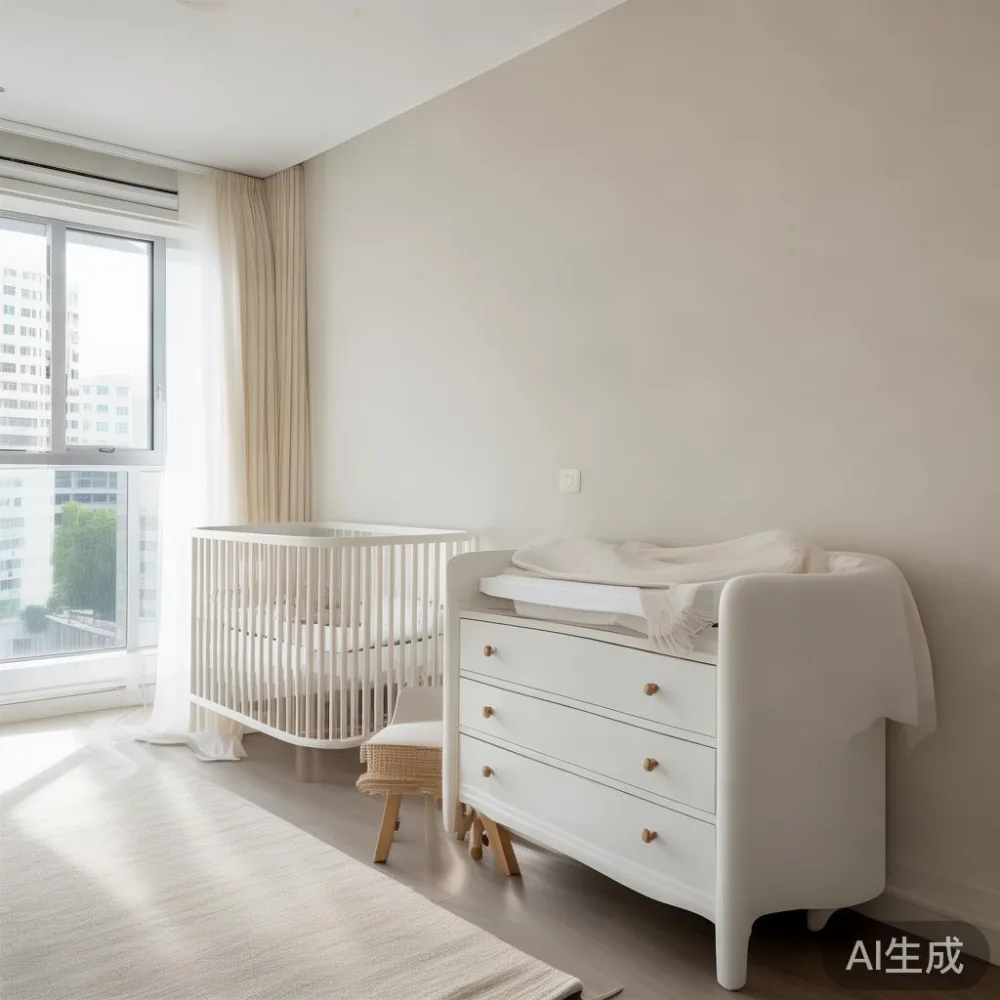
A nursery in a 8 sqm HDB common bedroom is not unusual — Singapore birth rates may be lower than they were in 2012, but the typical HDB couple starts a family in the second bedroom, which is roughly 2.8 m by 2.9 m. The challenge is fitting a cot, a changing station, a wardrobe, and a feeding chair into the room while leaving 1.2 sqm of open floor for floor-time play. Anything heavier than 25 kg in nursery furniture becomes a problem if you ever rearrange, so look for solid wood cots under 22 kg with non-toxic water-based finishes.
Measure the doorway before you order. Most HDB bedroom doors are 81 cm wide, but the actual clear opening after the frame is 76 cm. A cot that is 78 cm wide in the box will not fit through — I watched a delivery driver in a Punggol flat last week struggle for 20 minutes with a cot that turned out to be 82 cm at the headboard end. Ask the seller for the assembled dimensions, the box dimensions, and the weight before you confirm.
MIDHILL, which exports nursery furniture to 15+ countries and offers a 10-year structural warranty plus lifetime refinishing, ships cots in flat-pack boxes that weigh under 20 kg and measure 145 cm by 75 cm by 12 cm — a comfortable size for a single delivery through a Tampines lift. Their cot line is built around solid rubberwood with adjustable mattress heights at 30 cm, 45 cm, and 60 cm, which lets you lower the mattress as the baby grows without buying a new frame. For a small nursery, a matching changing top at 85 cm by 55 cm slots over the cot rail and removes when the baby outgrows it, saving you from a separate changing table that takes up another 0.4 sqm.
What about storage, wardrobes, and the pieces nobody talks about?
A wardrobe is the single largest object in most bedrooms. A 2.4 m by 60 cm by 210 cm wardrobe in solid wood weighs between 95 kg and 140 kg, and it will not fit through an HDB bedroom door if the frame is the standard 2.03 m tall. The practical move is a flat-pack wardrobe in two or three boxes, each under 35 kg, that assembles inside the room. The interior layout matters more than the exterior — 60% hanging, 30% shelving, 10% drawers — because Singapore wardrobes hold less folded laundry than a London flat and more work-shirts on hangers.
Nightstands are the unsung hero of compact bedrooms. A nightstand at 45 cm wide by 38 cm deep gives you a lamp, a phone, a glass of water, and one book without intruding on the walkway around the bed. Look for two drawers rather than an open shelf — the visual line of a closed face keeps the wall calm.
Finally, think about light luxury for office setups in compact homes. The hybrid worker in a 4-room HDB usually parks the desk in the dining area or the spare bedroom. A light luxury desk at 120 cm by 60 cm in white oak with a slim drawer fits a 13-inch laptop, a monitor, and a notebook, and it doubles as a side table when the workday ends. Avoid L-shaped desks in rooms under 10 sqm — the corner eats floor space you cannot afford to lose.
A short checklist before you click checkout
Before you pay the deposit, walk through your flat with a tape measure and a notepad. Measure the lift at ground level (most HDB lifts are 1.1 m wide by 1.4 m deep, with a 2.1 m ceiling), the corridor width outside your unit, the front door clear opening, and the door clear opening of every room the furniture needs to pass through. Add 10 cm of buffer for boxes with handles, and add another 5 cm if your block has a tight turn at the staircase landing.
Confirm the assembled dimensions, the box dimensions, and the weight of each item. Ask whether the price includes GST (9% in Singapore since 2024), and whether delivery above S$350 is free — most Foshan-origin sellers, including MIDHILL, ship to a Singapore forwarder above S$350 with no additional customs paperwork on your side because the declared CIF value is handled by the local agent. Ask about the warranty in writing: 10 years on the frame, lifetime refinishing on solid wood, and a 14-day return window if the piece arrives with a visible defect. A piece of furniture that costs S$900 should last at least 12 years; anything that fails earlier is a writing error from the factory, and a 10-year warranty is the only way to hold them to it.
Finally, resist the urge to fill every wall. A small apartment reads as calm when 30% of the wall surface stays empty, when the largest piece sits at the longest wall, and when the eye can travel from the front door to the furthest window without bumping into a side table. That travel line — usually 4 to 5 m in a typical HDB — does more for the feeling of space than any colour scheme or mirror placement ever will.