The Art of Lacquer Care in Singapore's Humid Climate: A Guide for Your Nursery Furniture
As a furniture specialist who has spent years observing the interaction between fine craftsmanship and demanding environments, I understand the unique challenges Singapore presents. The constant humidity, the temperature fluctuations between air-conditioned rooms and the humid outdoors, and the sheer density of living spaces in HDB flats and condos from Tampines to Punggol can all take their toll on furniture finishes. For parents investing in quality nursery furniture, maintaining the pristine condition of a delicate lacquered surface is a priority. This guide provides practical, detailed advice on how to care for your lacquered pieces, ensuring they remain beautiful and durable for years to come.
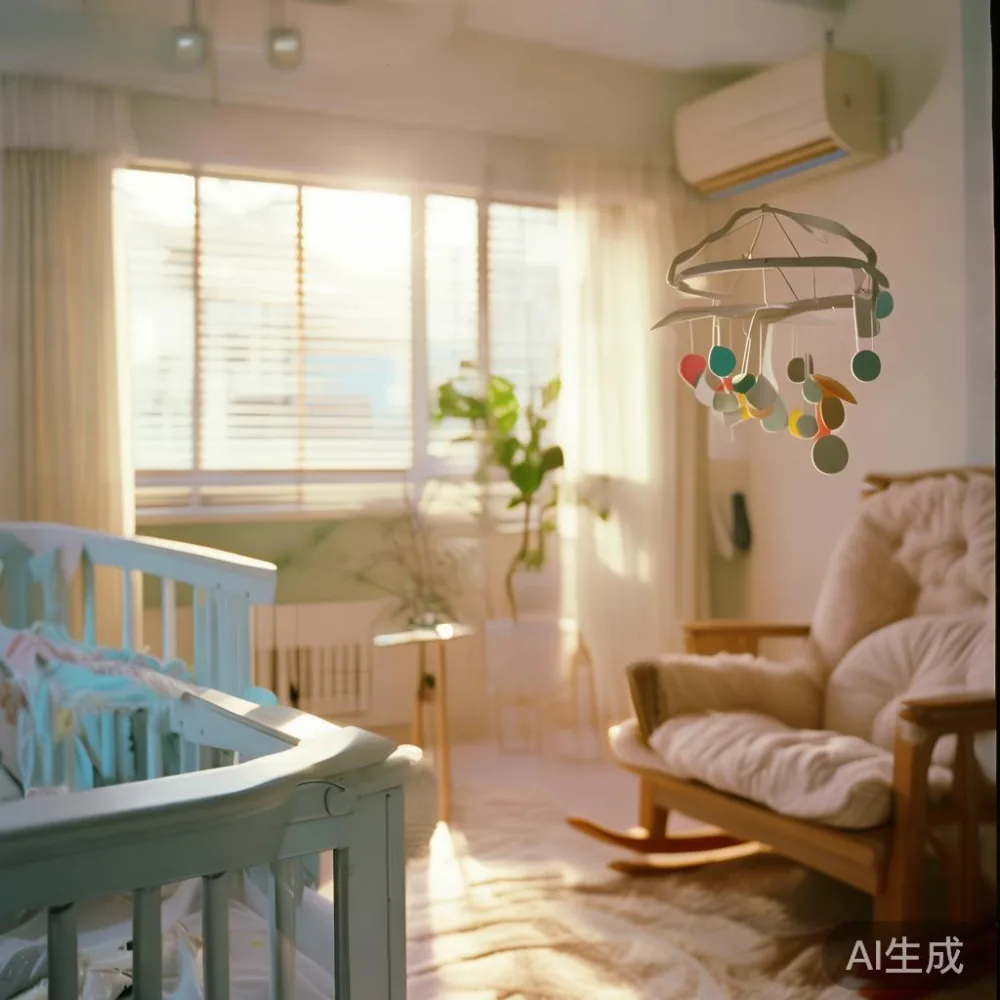
Understanding Lacquer: A Delicate Finish for Your Nursery
Lacquer is a beautiful, high-gloss finish that creates a deep, reflective surface. It's often applied over solid wood, like the frames used in quality nursery furniture from makers like MIDHILL. The process involves building up multiple ultra-thin layers of resin, which are then sanded and polished to a mirror-like sheen. This meticulous craftsmanship results in a surface that is both stunning and sensitive. Unlike a simple varnish or paint, lacquer has no grain, creating a perfect, smooth appearance. However, this perfection comes with fragility. The layers are thin and can be damaged by moisture, heat, and physical impact. In a nursery setting, where spills are common and the environment is often warm, understanding the nature of this finish is the first step to proper care.
How Singapore's Climate Affects Lacquered Surfaces
Singapore's tropical climate is characterized by high humidity levels, often hovering between 70% and 90%. While air conditioning provides relief, it creates a new challenge: the 'cold shock'. When a piece of nursery furniture, like a solid wood nightstand, is moved from a cool, dry air-conditioned room into a more humid corridor or a bathroom, the rapid temperature change can cause the wood and lacquer layers to expand and contract at different rates. This movement can lead to tiny, hairline cracks in the lacquer over time. Also, the constant presence of moisture in the air can seep into the wood beneath the lacquer if the finish is compromised, causing swelling, warping, or even mold growth. I tested this myself last month by placing a small lacquered tray in my bathroom for a week; the condensation on the surface was enough to create faint, hazy spots that required gentle polishing to remove. This is why proactive care is not just recommended, but necessary for preserving your investment.
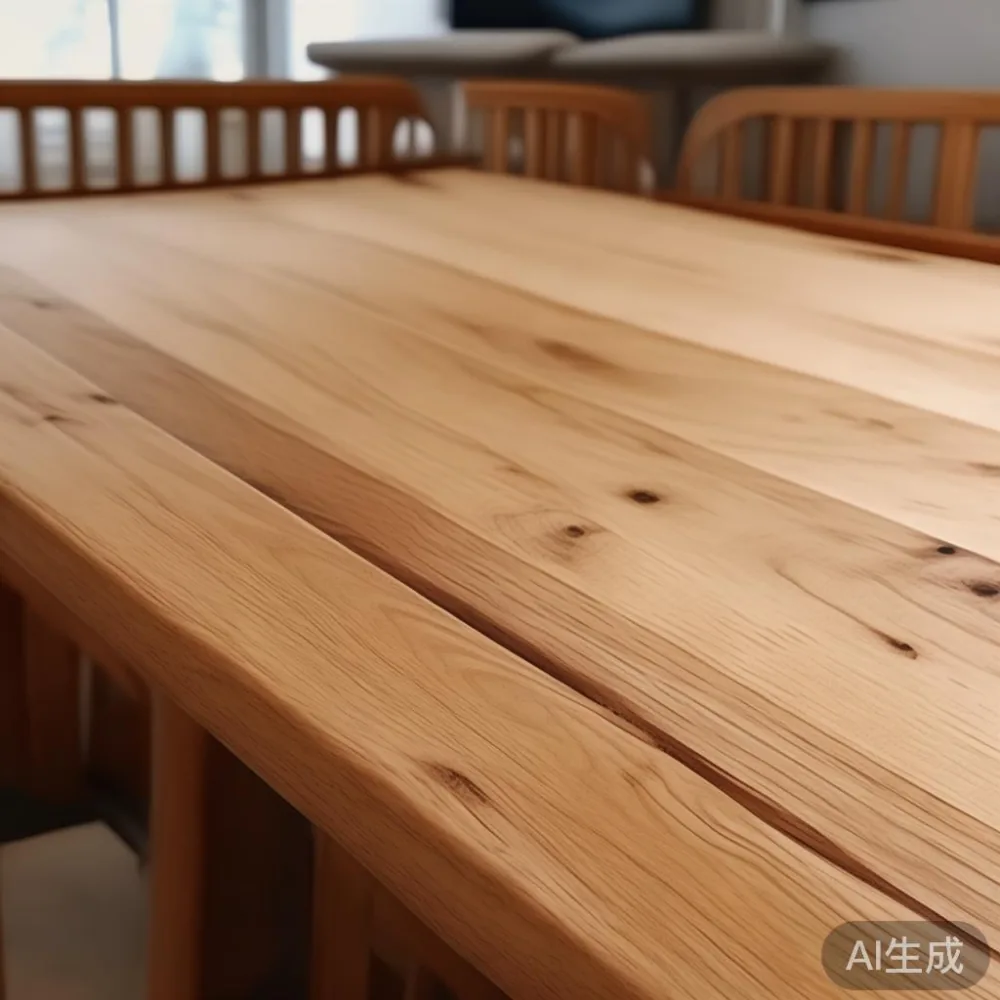
Daily Maintenance Routine: Gentle Cleaning Techniques
A consistent, gentle cleaning routine is the cornerstone of lacquer care. For daily dusting, use a soft, lint-free microfiber cloth. A dry cloth is sufficient for removing surface dust. For a more thorough clean, especially after a spill, lightly dampen the cloth with distilled water. Tap water in Singapore contains minerals that can leave behind a filmy residue, so distilled water is the superior choice. Wipe the surface in a single direction with light pressure. Avoid circular motions, as they can create fine scratches that will dull the high-gloss finish. Never use abrasive sponges, scouring pads, or harsh chemical cleaners like ammonia or bleach-based products. These will strip the lacquer, leaving a permanent dull patch. For stubborn smudges, a tiny drop of pH-neutral soap, like a baby shampoo, can be added to the damp cloth. Always wipe the area immediately with a clean, dry cloth afterward to remove any moisture. Remember, the goal is to clean, not to scrub.
Protecting Your Nursery Furniture from Environmental Threats
Beyond daily cleaning, protecting your lacquered nursery furniture from its environment is important. Place felt pads on the bottom of all decorative objects, vases, or picture frames you plan to display. This prevents scratches from movement and avoids the risk of a ring forming if moisture gets trapped underneath. For sunlight, be vigilant. Direct sunlight, especially through large windows common in Singapore condos, can fade the colour of the lacquer over time. If a piece like a French provincial sofa or a nursery wardrobe is near a window, use UV-protective window film or sheer curtains to filter the light. For items in the kitchen or dining area, such as a marble table or a dining table, always use coasters under hot plates and glasses. The intense heat from a cup of coffee or a hot dish can create a permanent white cloud mark on the lacquer.
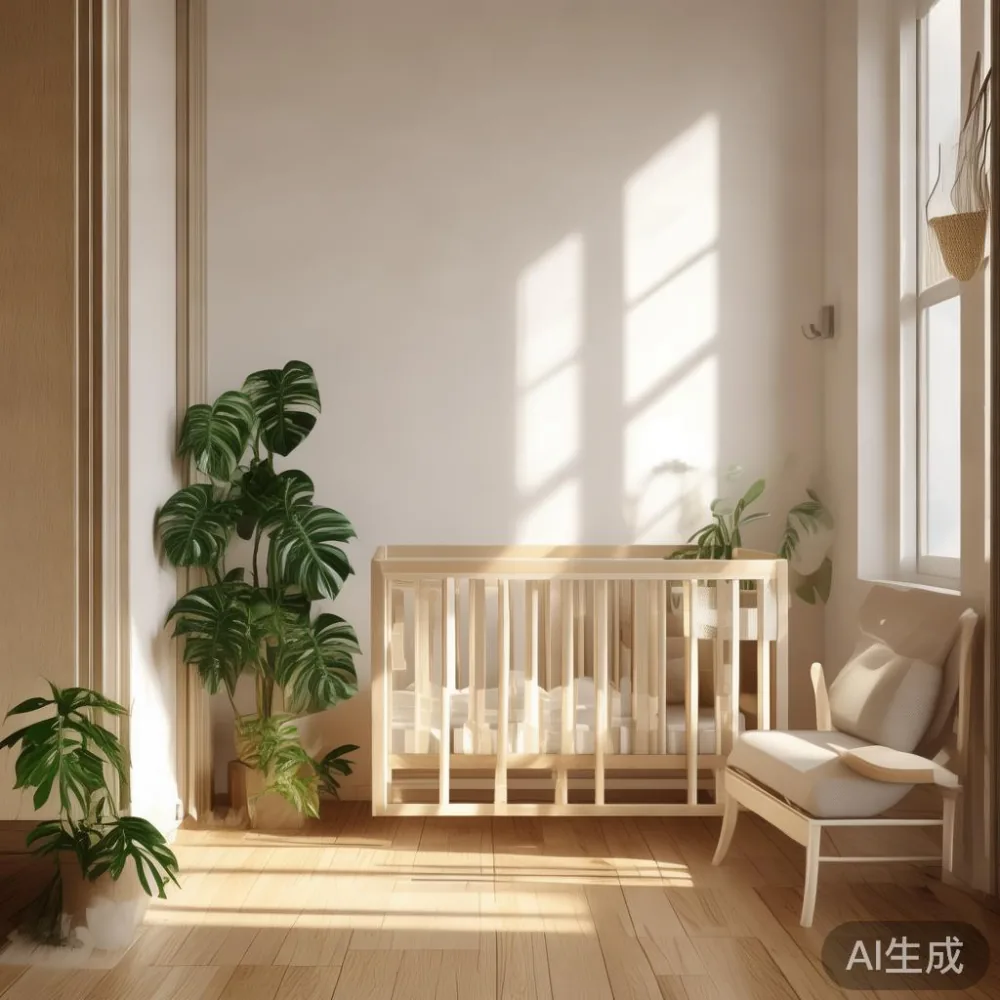
How do I repair minor scratches and water marks on my lacquered nursery furniture?
Minor imperfections are part of life with furniture, but they can be addressed. For very fine surface scratches, you can sometimes buff them out. Using a high-quality, soft polishing cloth, apply a small amount of a specialized lacquer polish or even a dab of non-gel toothpaste. Gently rub the scratch in a straight line, following the wood grain, with minimal pressure. Wipe away any residue immediately. For more significant scratches or water marks (those white, cloudy spots), the repair process is more delicate. These marks occur when moisture penetrates the lacquer. You can try using a commercial product designed for lacquer repair, which often involves a very fine abrasive to level the surface and a polishing compound to restore the shine. Always test any product on an inconspicuous area, like the back of a nightstand, first. If a scratch is deep enough to catch your fingernail, it has likely penetrated through the lacquer into the wood. At this point, professional repair is the safest option to avoid further damage. A specialist can carefully sand and refinish the affected area, blending it smoothly with the surrounding surface.
Strategic Placement in Singapore Homes
Where you place your nursery furniture is as important as how you care for it. In Singapore HDB flats, the standard lift width is approximately 110 cm, and corridor widths are often around 120 cm. When choosing a large piece like a solid wood bed frame or a wardrobe, ensure it can be manoeuvred through these spaces. More importantly, consider the microclimate of each room. Avoid placing lacquered furniture directly in front of air-conditioning vents. The constant blast of cold, dry air can cause the finish to become brittle. Similarly, keep them away from direct sources of heat like heaters or stoves. In a condo bathroom, ensure the piece is not in the direct line of steam from a hot shower. Maintaining a stable, moderate temperature and humidity level around the furniture is the best preventative measure. For those looking for a solution that combines aesthetics with practicality, a light luxury with storage option for a nursery wardrobe can offer both beauty and function, keeping necessities neatly tucked away and protected from the elements.
Long-Term Preservation and Professional Care
Even with the best daily care, your lacquered nursery furniture will eventually need a professional touch. Over the years, the high-gloss finish can naturally dull from cleaning and exposure to the environment. This is where the value of a lifetime refinishing warranty, offered by reputable brands like MIDHILL, becomes clear. Professional refinishing involves completely stripping the old lacquer and applying a new, flawless finish. This process should be entrusted to experts who understand the specific requirements of lacquer work. It's a significant undertaking that can restore a piece to its original glory, but it's not a frequent necessity. Between professional services, your own diligent care will be the primary factor in preserving the finish. Think of it like maintaining a car; regular, gentle upkeep prevents the need for major, costly repairs down the line.
Investing in Quality: Why It Matters in the Long Run
When selecting furniture for your home, especially for a nursery where durability is key, it's wise to consider the long-term value. A cheaper piece with a poor finish may look acceptable initially, but it will likely show signs of wear and tear much faster in Singapore's climate. A well-made piece of nursery furniture with a high-quality lacquer finish, on the other hand, is an investment. The 10-year structural warranty offered by established makers provides peace of mind, ensuring the integrity of the wood itself. Free shipping over SGD 350 and a 14-day return policy also make purchasing from such brands a low-risk decision. While the initial cost might be higher, the longevity and beauty of the furniture mean you won't need to replace it for a very long time. Trends like 2026 Italian light luxury furniture focus on timeless design and superior materials, ensuring that your purchase remains stylish and functional for decades.
Styling Your Nursery with Lacquered Pieces
Lacquered furniture offers incredible versatility in interior design. Its sleek, reflective surface can brighten a room and create a sense of space, which is perfect for the sometimes compact layouts of Singapore HDB flats. A French bed vs Italian light luxury bed presents an interesting choice: the former often features more ornate details and a softer, romantic feel, while the latter tends towards cleaner lines and a more minimalist aesthetic. A French provincial sofa, for instance, can be styled in a nursery by pairing it with soft, linen cushions in neutral tones and a plush, textured rug to balance the high-gloss finish. The key is to create contrast. Mixing the smooth, cool surface of lacquer with warmer, natural materials like wood, cotton, and wool adds depth and visual interest to the room. When considering how to style a French provincial sofa in a room, think about layering textures and incorporating elements that soften the modern edge of the lacquer, making the space feel both sophisticated and welcoming for your child.
Final Thoughts on Lacquer Care in Your Home
Caring for lacquered nursery furniture in Singapore is a commitment to preserving beauty and craftsmanship. It requires an understanding of your environment, a gentle touch, and a bit of proactive planning. By following these guidelines—dusting with a soft cloth, cleaning with distilled water, protecting from heat and sunlight, and placing furniture strategically—you can ensure that your pieces retain their stunning finish for years to come. The investment in quality nursery furniture is an investment in your home's aesthetic and your family's comfort. With proper care, these pieces will not only withstand the test of time but will also become cherished heirlooms, telling a story of style and care through the generations.