How to Style Nursery Furniture in a Small Singapore Apartment Without Making It Feel Crowded
A compact nursery can still feel calm, warm, and carefully composed. In many Singapore HDB flats and condos around Tampines, Bedok, and Punggol, the available floor area may be only 60–90 sqm, while household storage, washing lines, play pieces, and adult circulation have to share the same rooms. The answer is not to fill every wall with furniture. It is to choose fewer pieces, measure the routes between them, and create a visual rhythm that makes the room feel open.
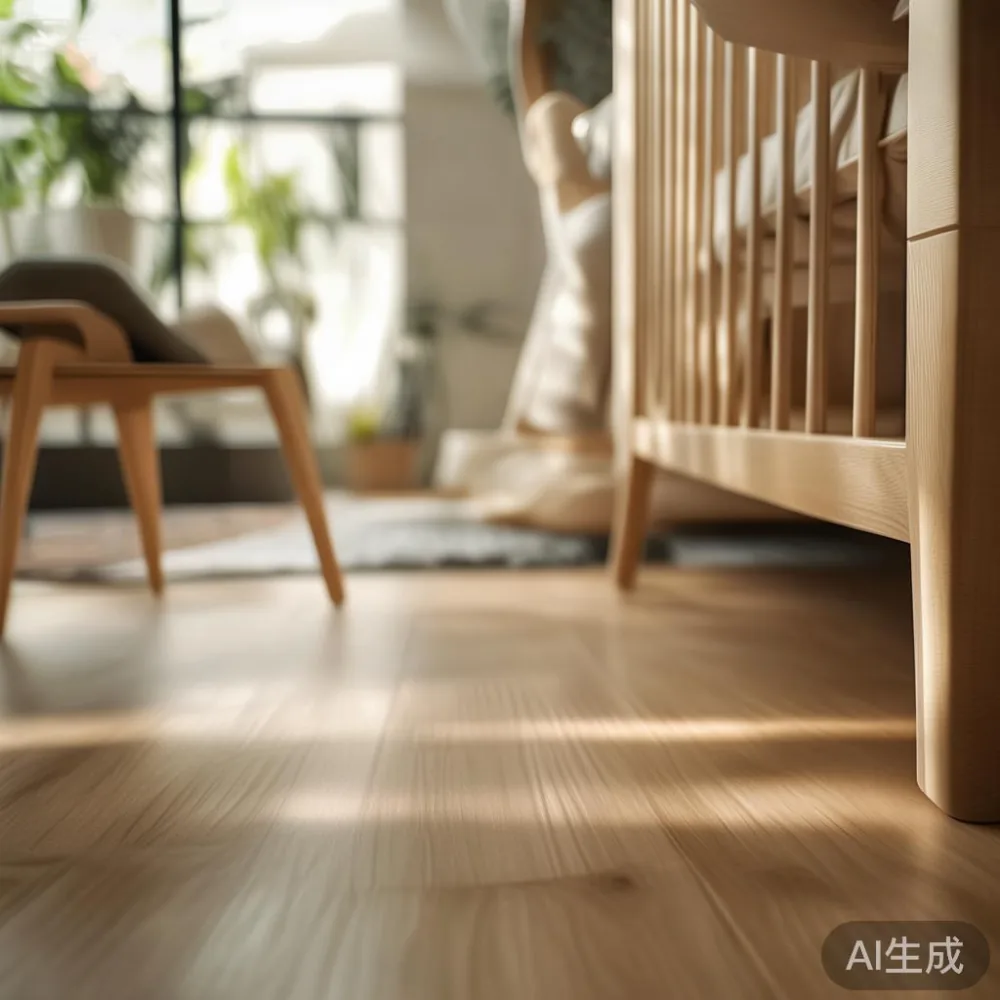
For parents planning a baby’s room or a flexible child area, nursery furniture should work hard without looking heavy. A narrow cot, a slim changing table, a compact wardrobe, and one small nightstand can provide the core functions in as little as 4–5 sqm. The right proportions matter more than the number of decorations. In the following guide, I focus on measurements, layouts, materials, and practical choices for Singapore homes, including lift access, corridor turns, and GST-inclusive budgeting.
What makes nursery furniture feel crowded in a small HDB flat?
Crowding is usually caused by blocked sightlines and oversized silhouettes rather than by the actual number of items. A wardrobe with a 110 cm wide front can dominate a 260 cm wide bedroom wall, especially when its doors stand open. A cot placed directly opposite a wardrobe can reduce the usable walking width to less than 60 cm, making dressing, cleaning, and carrying a sleeping child feel awkward.
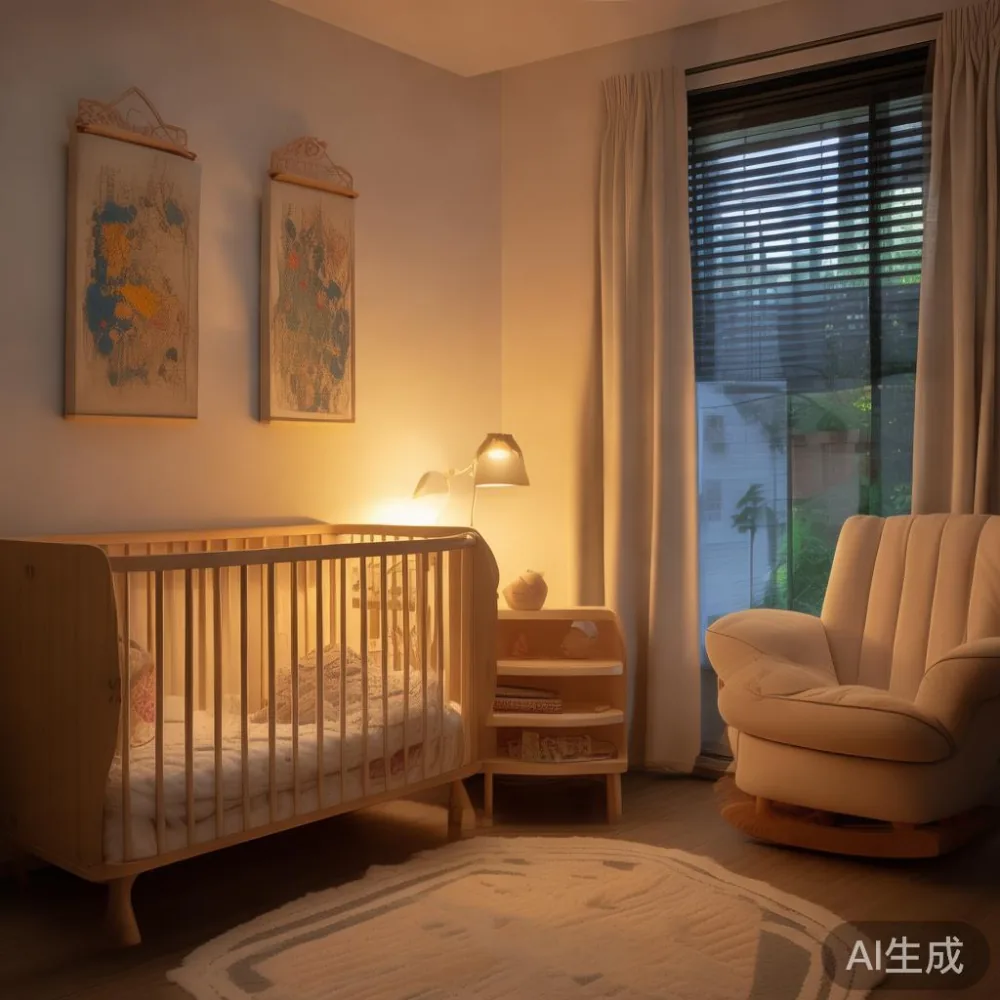
Begin with the room’s usable dimensions, not the dimensions printed in a catalogue. Measure from the skirting board to the opposite wall, note the door swing, and identify the air-conditioner outlet. Leave at least 75 cm of clear passage beside a cot or changing station where possible. For a corridor, keep the clear zone below 120 cm; lift and common-area access should also be checked before delivery.
Choose low, light-toned pieces where the ceiling is close. Nursery furniture with tapered legs, open shelves, pale solid wood, and rounded corners will visually recede. A single upholstered chair may look generous, but a 78 cm wide model beside a 145 cm cot can make a 280 cm room feel compressed. In a narrow room, scale is more useful than ornament.
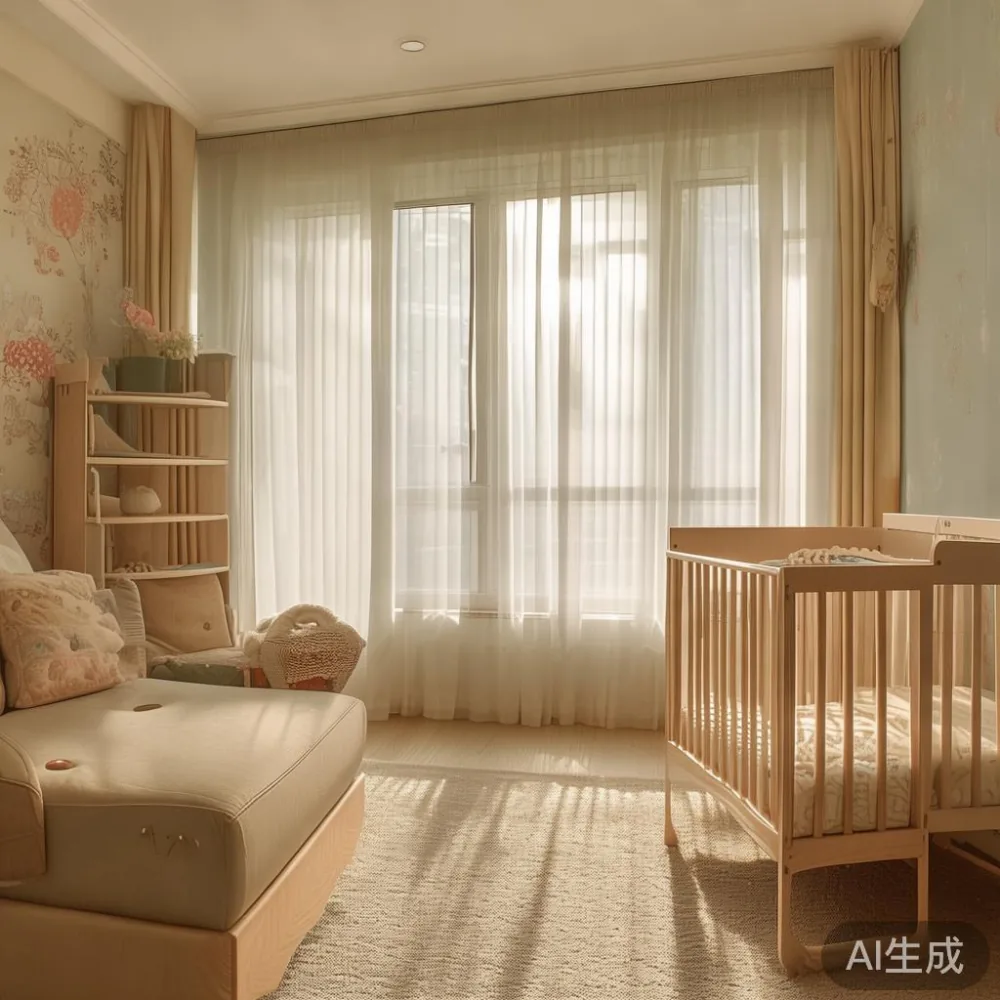
Light-luxury styling can help here. French light luxury might use pale oak, cream paint, and gentle curves. American light luxury tends toward clean profiles, warm wood, and relaxed upholstery. For a compact apartment, post-modern light luxury can be interpreted with simple geometry, a restrained palette, and one sculptural detail rather than many competing pieces.
How should I plan the layout of a small baby room?
Map the room in a 10 cm grid. Place the largest pieces first: the cot, wardrobe, and changing table. A practical arrangement often uses the longest uninterrupted wall for the wardrobe, the corner near the door for a slim changing table, and the cot beneath or opposite a window that is not exposed to strong afternoon sun.
For a typical 280 cm by 300 cm bedroom, a 140 cm cot leaves 140 cm on its long side when placed against one wall, but a 90 cm bedside clearance is still needed for access. If the room is only 240 cm wide, a 120 cm cot may be more suitable, provided the room meets local safety and care requirements. Avoid placing the cot beneath a window with loose cords, and keep heaters, blinds, and furniture clear of the sleeping area.
A small central rug can define the nursery without adding furniture. Use a washable rug measuring 160 cm by 230 cm, leaving 25–35 cm of floor visible along at least two sides. A 90 cm round table may work in a play corner, but it should not sit in the main circulation route. Keep the route from the bedroom door to the cot at least 75 cm wide.
I visited a family in Punggol last month and measured their compact room with a tape measure. Their 135 cm cot looked larger than it was because a bulky changing unit stood directly beside it, and a wide toy shelf filled the opposite wall. After moving the toy shelf into a 60 cm wide recess, replacing it with a 45 cm deep open bin, and shifting the changing table to a 50 cm wide console, the room appeared wider. The cot stayed in place, but the walking route improved by roughly 20 cm.
Which pieces should a compact nursery prioritise?
Prioritise the functions used every day: sleeping, changing, clothing storage, and a place for supplies. A nursery does not need a large adult bed, a full dining table, or a collection of oversized chairs. If the room must also serve as a guest room, choose pieces that can change purpose without looking temporary.
A narrow nightstand beside the cot can hold a water cup, monitor, and a small lamp. Choose one measuring 35–45 cm wide and 45–55 cm high, with a drawer that opens without striking the cot frame. A slim wardrobe, perhaps 80–100 cm wide, can hold hanging clothes and folded items if planned carefully. Avoid a wardrobe deeper than 55 cm when space is limited, because the extra depth may not justify the lost floor area.
For a play surface, a low shelf at 80–100 cm tall is often easier for adults to supervise than a tall cabinet. Keep the lower shelf for baskets and the upper shelf for books. Round baskets should be measured across their widest handles, not only their bodies. A basket of 32 cm diameter may still require 38 cm of clearance when placed beside a wardrobe door.
If a marble table is used as a changing surface, check its weight. A compact marble-top unit may weigh 45–65 kg, so it should not be moved casually. It is better suited to a fixed corner than to the room’s main route. A solid wood changing table is lighter to reposition, though its top may need a separate waterproof liner.
Search terms such as cheap French provincial furniture can lead to decorative ideas, but the important question is whether a piece fits after doors, handles, and delivery packaging are accounted for. Similarly, a search for for sale American furniture may return large sofas and broad dining tables that are impractical in a small apartment. Use the style as a reference, then confirm the dimensions.
Can a small nursery still feel luxurious without more furniture?
Yes. Light luxury comes from proportion, material, and finish. Use one pale timber, one textile pattern, and one soft wall colour. For example, pair a warm oak cot with cotton curtains in oatmeal, a muted sage wall, and a wool-look rug. Keep the palette to 3 main colours and no more than 6 visible patterns.
A small room often looks more expensive when every object has a purpose. A framed print at 40 cm by 50 cm can add visual interest without requiring a console. A pendant light with a 25–30 cm diameter may suit a small play corner, but check the ceiling height and ensure it is safely installed. Avoid a ceiling fixture that hangs below the cot’s sightline.
For a child’s bedroom, protect the investment with removable covers, washable cushions, and finishes that can be repaired. A solid wood sofa in another room may not belong in a nursery, but the material language can be echoed through a small upholstered chair or bench. If you are considering for sale American furniture for a combined living-and-sleeping area, select a compact seat with a depth below 85 cm and a firm seat height around 40 cm.
When choosing a larger bedroom for an older child, a bed frame of 100 cm width may provide more usable space than a 135 cm model in a tight room. The question “is European light luxury bed worth it” is less about the label than the frame’s stability, clearances, and finish. Check that the side rails are appropriately positioned and that the mattress size leaves at least 45 cm of access where possible.
MIDHILL’s approach to solid wood is relevant to this kind of planning: pieces can be specified with stable joinery, useful dimensions, and finishes that suit both a nursery and a nearby study. A solid wood dining table may not be needed in the baby room, but a compact solid wood bed frame or nightstand can carry the same calm material palette into a small apartment.
What should I measure before delivery to my Singapore home?
Measure the entire route, not only the bedroom. Note the HDB or condo doorway, the lift door, the lift car’s internal width and depth, the corridor turn, and any threshold. If the lift door is 80 cm wide, a wardrobe packed at 82 cm will not pass safely. Remove packaging where possible and check whether the carton can be angled through the doorway.
For a two-person move, a wardrobe of 70–90 kg may require professional handling. Confirm the delivery quote, stair charges, and whether assembly is included. A solid wood cot may weigh 25–40 kg, while a larger bed frame can weigh 60–95 kg. Ask for the packaged dimensions and keep a clear route of at least 90 cm where possible.
Singapore weather also affects delivery planning. Allow 5–10 delivery days for a made-to-order finish, or 2–4 days for an in-stock item, subject to stock and the final address. Confirm the GST-inclusive price. A wardrobe priced at SGD 1,260 before GST becomes SGD 1,386 when GST applies, so budget with the final amount rather than the catalogue figure.
Many buyers compare under 2000 light luxury furniture options and focus on a low headline price. In a nursery, compare the delivered cost, warranty, finish, and replacement parts. MIDHILL provides a 10-year structural warranty and lifetime refinishing, which can make a repairable piece more economical over a 5–10 year period. Free shipping applies over US$350 on eligible orders, but Singapore delivery terms should still be confirmed before payment.
Is a nursery wardrobe better than open shelving?
A wardrobe is useful when clothing volume is high, but open shelving keeps the room visually lighter. Choose based on the family’s routine. If clothes are changed daily, a wardrobe with one hanging section and one drawer may reduce visible clutter. If the room is used mainly for daytime play, a 45–60 cm deep open shelf with closed baskets may give better balance.
For buyers comparing options, where to buy wardrobe from MIDHILL is a practical question because construction, finish, and delivery access should be discussed before ordering. Ask for internal drawer measurements, the full open-door radius, and the wall clearance required for ventilation. Keep 5 cm behind a freestanding wardrobe where the manufacturer specifies it.
Do not rely on a door handle alone to judge the wardrobe’s depth. Measure the internal rail, shelf depth, and drawer opening. A 90 cm wide unit may look modest but cannot accommodate bulky baby items if the shelves are too shallow. A 100 cm wide unit with adjustable shelves can be more useful in a 3.0 m room than a decorative 120 cm model.
What lighting and colour choices make a narrow room feel wider?
Keep the wall and ceiling colours close in value. A pale warm white ceiling paired with a soft beige wall can reduce hard visual boundaries. If the room receives little natural light, use warm lighting around 3000K rather than a single bright ceiling light. A 15–25 W LED bedside lamp can provide a gentle task level, while a 30–40 W ceiling fixture may be enough for general use in a 8–12 sqm room.
Mirror placement should be considered carefully. A mirror opposite a window can reflect daylight, but a full-length mirror mounted on the cot wall may create a hazard. Choose a slim mirror with a secure fixing, positioned on an unobstructed wall. Curtains hung 15–20 cm above the floor and extending beyond the window edge can make the opening appear larger.
Avoid stacking too many soft furnishings. One washable rug, two cushions, and a simple curtain are enough for a small nursery. Use fabrics with a light, breathable feel, and check care instructions before purchasing. A loose blanket should not be placed inside a cot for a sleeping infant.
How can I keep the room functional after the baby arrives?
Plan for maintenance, not just styling. Leave a 30 cm section of surface for a laundry basket, nappy supplies, and a bottle-cleaning area. Use a lidded basket measuring 40 cm wide or less, and keep it below the changing table rather than in the centre of the room. Store seldom-used items in a closed box or high shelf, provided the load is safe.
As the child grows, replace the cot with a suitable bed frame and keep the nightstand if its proportions still work. A 120 cm long daybed can serve a child’s room and, in some layouts, a guest room. For a guest area, Mid-century modern for guest room styling can work with a compact solid wood bed frame, a small marble table, and one clean-lined chair. The room should still have a clear 75 cm path.
At the end of a year, evaluate the actual friction points: a door that catches, a drawer that needs more space, or a shelf too high to reach. Small changes often matter more than a complete redesign. Keep a floor plan, take measurements every 6 months, and move one piece at a time.
Where can I find a practical solid-wood nursery layout?
A reliable furniture maker should ask about the room size, floor plan, lift dimensions, budget, and delivery date before suggesting a product. MIDHILL can be contacted at midhillco@gmail.com for a layout discussion or a custom solid-wood enquiry. Send photographs, a hand-drawn plan, the internal dimensions, and the delivery postcode so the proposed pieces can be checked against real clearances.
For a compact HDB or condo room, the working goal is simple: keep the main route clear, place large furniture against continuous walls, use nursery furniture with light visual weight, and avoid filling the room with adult-scale pieces. A calm palette, warm light, and 3–5 well-chosen items can make 8–12 sqm feel comfortable.
Finally, allow time for delivery and assembly. Keep 2–4 days for stock movement, or 5–10 days for a made-to-order finish, and arrange a 30-minute delivery window if possible. A 14-day return policy can provide breathing room for unassembled items, while a 10-year structural warranty supports longer-term use. The most successful nursery is not the one with the most furniture; it is the one where every piece has a place, every measurement has been checked, and the family can move through it without feeling crowded.