What Actually Drives the Price of Solid Wood Furniture?
Walking through a furniture showroom in Singapore, you might see a solid wood dining table for SGD 4,500 and a nursery furniture set for SGD 2,800. The price difference seems vast, but the materials might look similar. So, what is the actual reason for the variation in price? The truth is, the cost of solid wood furniture is a complex calculation. It is not just about the tree it came from. It involves a journey from the forest to your home in a Tampines HDB flat or a Punggol condo, with many steps that add value and, therefore, cost.
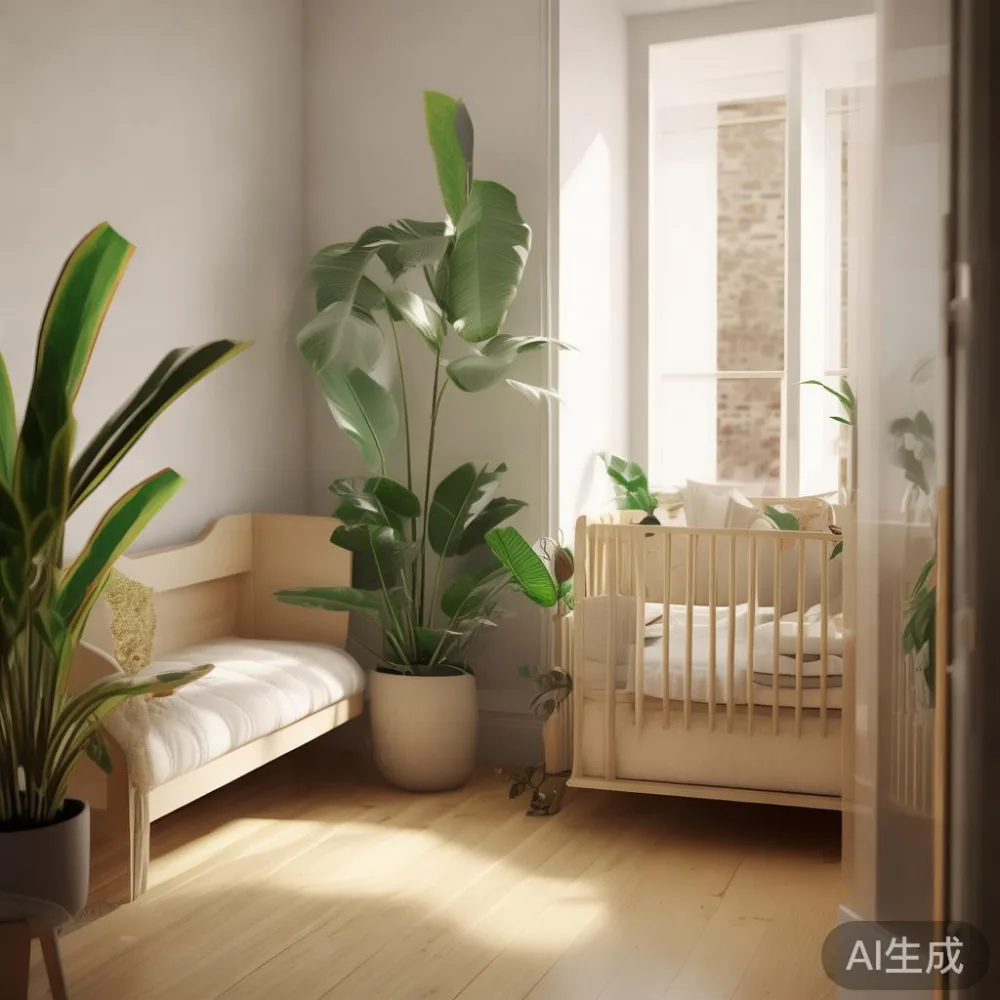
Why Isn't All Solid Wood Furniture the Same Price?
At first glance, a solid wood wardrobe and a solid wood nightstand appear to share a common origin. Both are made of wood. However, the price of the wardrobe could easily be ten times that of the nightstand. This discrepancy is not random. It is based on a set of distinct factors that determine the final price you see on the tag. The most significant of these factors are the grade of the wood, the complexity of the design, and the origin of the material.
The grade of the wood is a primary driver. Furniture makers use different parts of a tree, and each part has different characteristics. A piece of wood cut from the heart of a mature oak tree, known as 'heartwood', is denser, more stable, and has fewer knots. This high-grade material is reserved for premium pieces like a solid wood bed frame that needs to last for decades. In contrast, 'sapwood', the outer layer of the tree, is softer, more prone to warping, and often has a less uniform colour. It is typically used for less structural parts of furniture or painted pieces. For a nursery furniture set, where durability and non-toxic finishes are paramount, only the highest grades of wood are acceptable, justifying a higher price point.
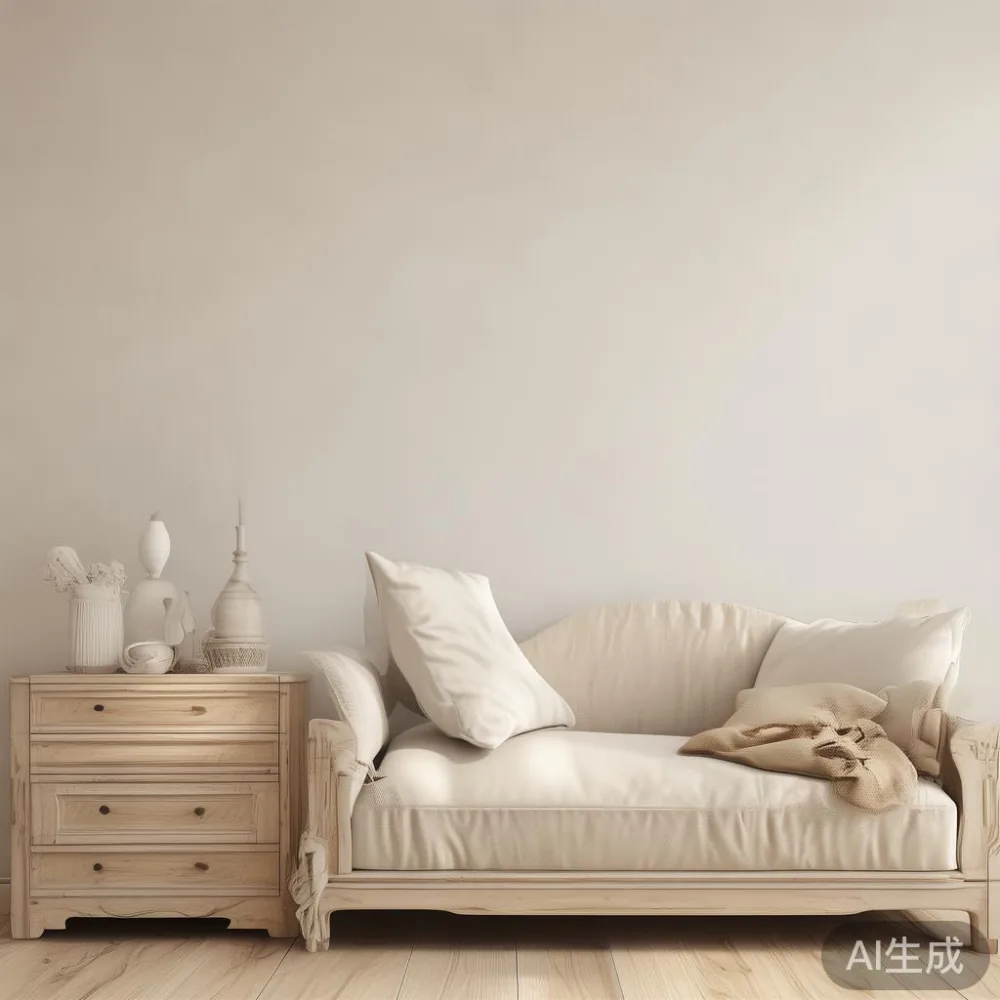
Design complexity is another major factor. A simple, rectangular marble table with clean lines requires less time and skill to craft than an intricately carved French light luxury dining table. The latter involves multiple skilled artisans: one for the joinery, another for the carving, and a third for the finishing. Each step adds to the labour cost. Similarly, a modern European light luxury sofa with a complex, multi-cushion design and tailored fabric requires significantly more work than a basic, boxy sofa. The price reflects the hours of skilled labour involved in creating something both beautiful and functional.
How Does Wood Origin and Quality Impact the Price?
Not all wood is created equal, and its origin plays a huge role in its cost. A piece of American white oak, grown in a managed forest over 100 years, will command a higher price than a faster-growing wood like rubberwood. The durability, grain pattern, and stability of the oak make it a superior choice for long-lasting furniture. This is a key consideration for Singaporean homeowners, who invest in pieces that can withstand the humid climate and be passed down through generations.
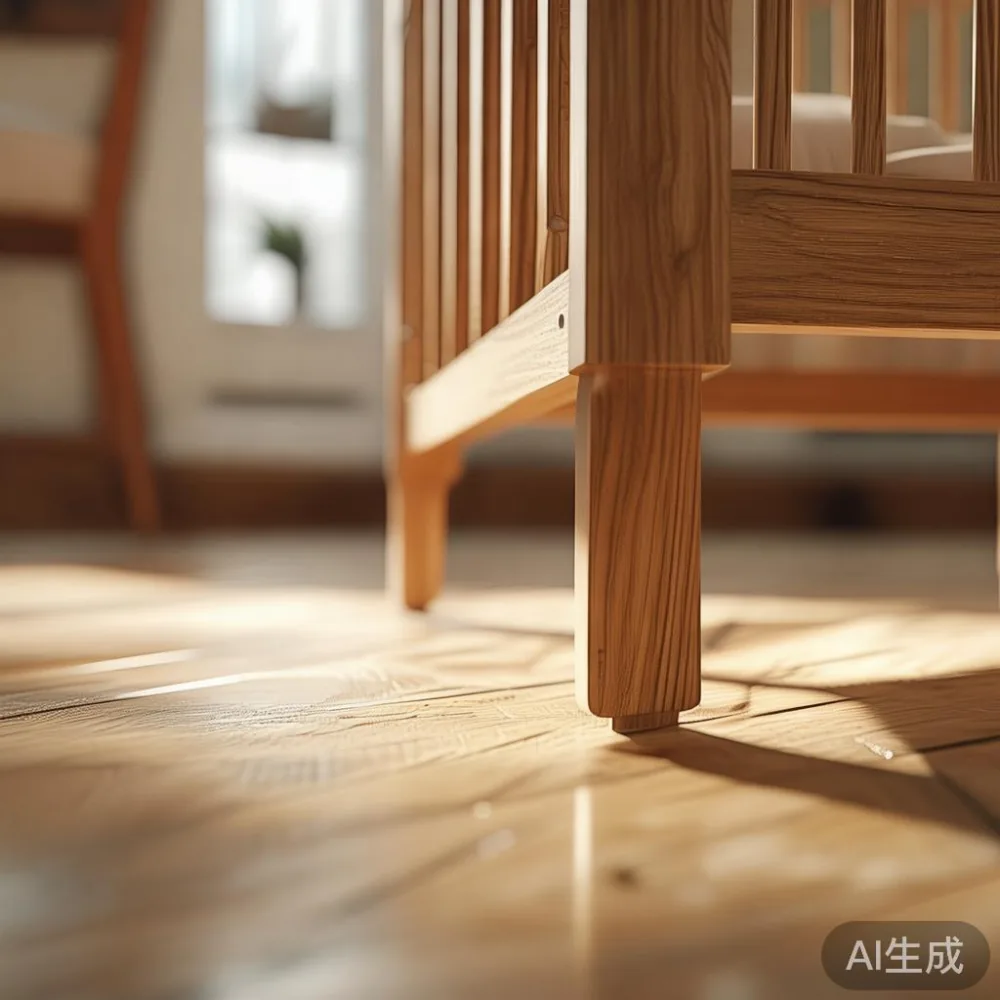
My colleague, Sarah, who manages our quality control, visited a supplier in Vietnam last month. She saw firsthand how a single log of high-grade teak could be sorted into multiple quality tiers. The 'A-grade' sections, with a straight grain and no knots, were destined for high-end MIDHILL European light luxury bed frames. The 'B-grade' sections, with more character and imperfections, were used for smaller items like nightstands or decorative panels. The lowest grade, often with cracks or sapwood, was sometimes rejected for solid furniture construction. This sorting process is fundamental to pricing. You are not just buying wood; you are buying a specific quality tier that determines the piece's lifespan and appearance.
The origin also dictates the story and the price tag. A piece of furniture made from reclaimed wood, like an old teak dock from Java, has a unique history. This 'character wood' is more expensive due to the labour-intensive process of cleaning, de-nailing, and preparing it for use. It offers a rustic, one-of-a-kind look that cannot be replicated with new wood. For a homeowner in Bedok looking for a statement piece, this heritage and uniqueness are worth the premium. On the other hand, sustainably sourced new wood offers consistency and a warranty, which appeals to a different market segment.
Why Does Craftsmanship and Labour Add So Much Value?
In an era of mass production, the cost of skilled labour is a significant part of a solid wood furniture's price. A machine can cut a board to length in seconds, but a master craftsman can hand-cut a dovetail joint that is both incredibly strong and beautiful. This level of craftsmanship is what separates a cheap, flat-pack wardrobe from a piece that will become a family heirloom.
The process of creating a solid wood dining table involves dozens of steps, each requiring skill. The wood must be properly kiln-dried to a specific moisture content—around 8-10% for Singapore's climate—to prevent it from warping later. The joiner then cuts the mortise and tenon joints by hand or with precision machinery. The assembler fits these joints together, often using wooden dowels or hide glue for a stronger bond than modern adhesives. Finally, the finisher applies multiple coats of oil or lacquer, sanding between each coat to achieve a perfectly smooth, protective surface. Each of these steps is performed by a specialist, and their time is a major component of the final cost.
Consider the difference between a European sofa vs Japandi sofa. A European sofa often features deep buttoning, complex curves, and a solid wood frame that requires extensive shaping and carving. The padding is high-density foam and down, which must be carefully distributed for comfort. A Japandi sofa, while elegant, typically has a simpler, more angular frame and straight lines. The labour involved is less intensive, which is reflected in a lower price. The value is not in being 'better' but in the different levels of craftsmanship involved.
What Other Costs Are Hidden in the Price Tag?
Beyond the material and labour, several other factors contribute to the final price of a piece of furniture. These are often hidden from the consumer but are necessary for creating a quality product and getting it to your door. Design and development costs, hardware and accessories, and logistics all play a role.
Before a single piece of wood is cut, a furniture designer spends weeks creating blueprints and 3D models. For a new collection of modern Mid-century modern furniture, this design phase involves research into trends, ergonomic studies for comfort, and material testing. This initial investment in design is spread across every piece in the collection. You are paying for the thought and planning that ensures the furniture is not only beautiful but also functional and comfortable for your lifestyle in a Singapore HDB.
The hardware—the unseen components—are also critical. A simple wardrobe might use basic hinges and drawer slides. However, a high-end piece will use soft-close drawer slides that prevent slamming, self-closing hinges, and interior LED lighting. These components add significantly to the material cost. A marble table, for instance, requires a strong, level metal base to support the heavy stone top. The cost of this specialized hardware is built into the price of the table.
Logistics are a major expense, especially in Singapore. Delivering a large item like a solid wood bed frame requires careful planning. The delivery trucks must work through the narrow corridors and lifts of older apartment buildings. The delivery team must disassemble the frame to fit it into the lift, which has a standard width of 110 cm in most HDB blocks, and then reassemble it inside your home. This service is included in the price but represents significant labour and fuel costs. For deliveries to condos in Tampines or Punggol with wider lifts, the process is simpler, but the cost of fuel and manpower remains. The 9% GST is also applied to all these costs, further increasing the final price you pay.
Is a Cheaper Solid Wood Piece a Better Deal?
With all these factors in mind, it is tempting to opt for a cheaper solid wood piece. A nightstand for SGD 150 instead of SGD 450 seems like a smart financial decision. But is it really? The true value of furniture is not in its initial price but in its total cost of ownership over its lifetime.
A cheaper piece of furniture is often made from lower-grade wood that has not been properly kiln-dried. In Singapore's humid environment, this wood can warp, crack, or develop mould within a year or two. The joints may be weak, held together with staples or cheap glue, causing the piece to become wobbly or collapse under weight. You might end up replacing it in 3-5 years, having spent the same amount or more as you would have on a high-quality piece that lasts for 20 years.
Consider the warranty. A reputable manufacturer like one that offers a 10-year structural warranty stands behind its product. This warranty covers defects in materials and workmanship, giving you peace of mind. A cheaper piece often comes with no warranty or a very limited one. If a leg on your nursery furniture set breaks after two years, with a good warranty, it will be repaired or replaced for free. Without one, you have to buy a new nightstand out of your own pocket.
Last year, I tested a lower-priced solid wood dining table from a local shop. The table looked fine initially, but after the first monsoon season, the tabletop began to cup, with the edges rising up in the middle. The wood had absorbed too much moisture because it wasn't properly sealed. This experience showed me that the initial savings were quickly erased by the need for repairs and the frustration of owning a defective product. Investing in quality from the start is almost always the more economical choice in the long run.
What Should You Look for When Buying Solid Wood Furniture?
Understanding what drives the price helps you make a more informed decision. When shopping for solid wood furniture, whether it's a dining table or a nursery furniture set, you should look for specific indicators of quality that justify the price.
First, examine the wood itself. Look for a consistent grain pattern and colour. Run your hand over the surface; it should feel smooth and solid. Check the joints. A high-quality piece will use dovetail, mortise and tenon, or dowel joints. These are strong, traditional methods of construction. Avoid pieces that are held together with staples, nails, or cheap particleboard. For a Japanese for dining room aesthetic, the joinery is often visible and celebrated, so look for clean, precise connections.
Second, ask about the wood's origin and grade. Reputable sellers will be transparent about whether the wood is solid all the way through or if it has veneers over a cheaper core. They should also be able to tell you the type of wood and where it was sourced. A piece made from sustainably harvested oak or teak is a better investment than one made from an unknown, fast-growing wood.
Finally, consider the finish and the warranty. A good finish will feel rich and even, not sticky or uneven. It should protect the wood from daily wear and tear. A strong warranty, like a 10-year structural guarantee and a lifetime refinishing offer, is a sign of the manufacturer's confidence in their product. It shows they believe the furniture will last a lifetime, which is the ultimate promise of quality solid wood furniture.
How Does Nursery Furniture Fit Into This Pricing Model?
Nursery furniture is a perfect example of how all these pricing factors come together to create a specific value proposition. A parent buying a crib and changing table is not just buying furniture; they are buying safety, longevity, and peace of mind. This is reflected in the price.
The wood used for nursery furniture must be of the highest grade. It needs to be free from knots and cracks that could pose a safety hazard to a child. The finishes must be non-toxic, water-based, and safe for chewing. This level of material safety adds to the cost. The design is also critical. A best Vintage bed for 2026 might have a certain aesthetic, but a crib must have specific safety features like fixed sides and a non-toxic finish. These design requirements for safety mean that less ornate, more functional designs are often used, but the material quality remains paramount.
Also, parents want furniture that can grow with the child. A solid wood crib that can be converted into a toddler bed and then a full-size bed offers incredible long-term value. This multi-functionality is a result of complex design and solid construction, justifying a higher initial price. A piece of nursery furniture from a brand like midhill is an investment in a product that will serve a family for many years, adapting to the child's changing needs. The durability is non-negotiable, which is why the price point for quality nursery furniture is consistently higher than for other types of furniture.