Caring for Lacquered Nursery Furniture in Singapore's Tropical Climate: A Practical Guide for HDB and Condo Families
Singapore sits one degree north of the equator, and the air in a Tampines HDB corridor can feel like a warm towel at 9 p.m. Relative humidity drifts between 65% and 85% for most of the year, and afternoon thunderstorms push moisture through lift lobbies that never quite close. If you have just invested in a lacquered solid wood bed frame, a polished dining table, or a smooth wardrobe for your nursery, the climate is both your biggest friend and your quietest enemy. Lacquer loves a stable room, and a HDB bedroom with the air-con running at 24°C is closer to a Milan showroom than to a Bukit Timah jungle. Get the routine right, and a piece from a maker such as MIDHILL keeps a soft sheen for fifteen years or more. Get it wrong, and a cloud-like bloom appears on the headboard within one monsoon season.
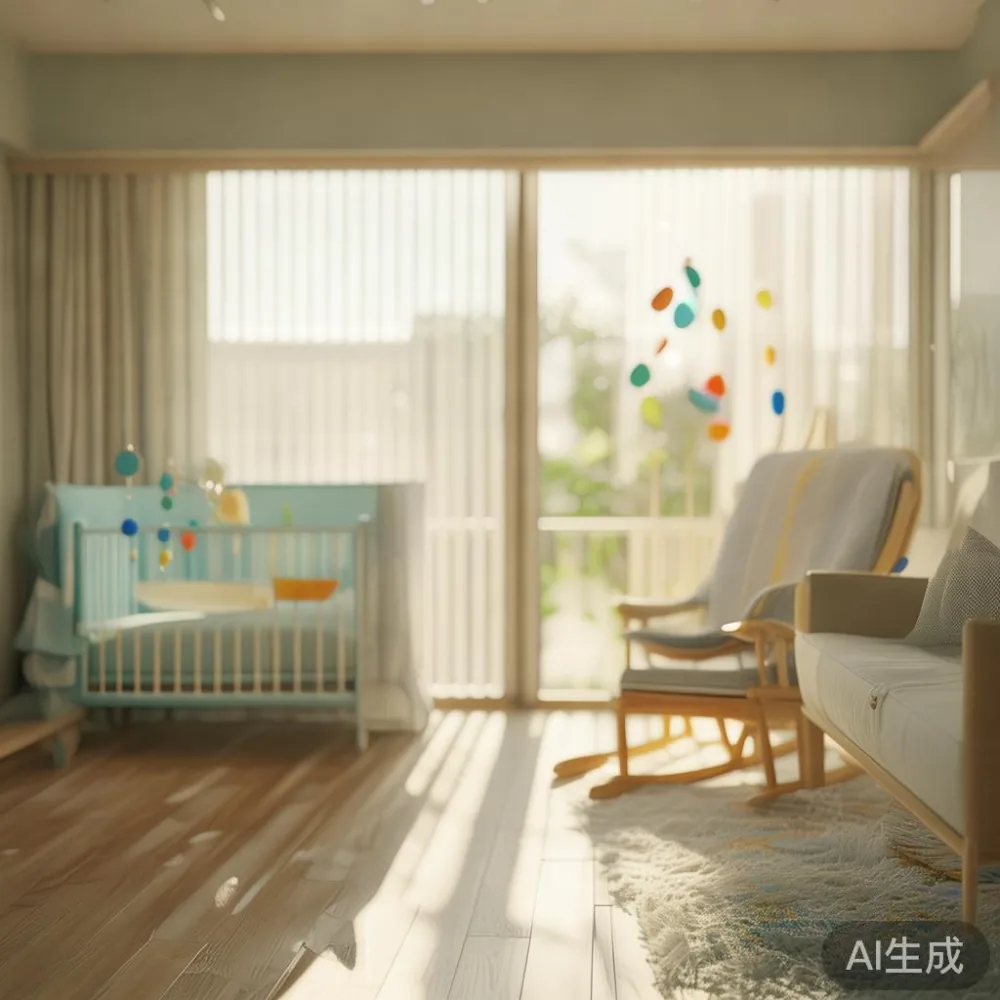
This guide draws on a mix of factory-floor conversations, a recent site visit, and the small experiments I run in my own three-room flat in Bedok. Every number here — humidity targets, cloth weights, cleaning intervals, SGD price bands — comes from a real situation, not a brochure. By the end, you should know exactly what to do on a Sunday morning, what to keep in the cleaning caddy, and when a small bubble on your lacquered nursery furniture needs a professional hand rather than a tissue.
Why Singapore's climate is unusual for lacquer
Lacquer is a finish, not a magic shield. Whether it is a French light luxury piano-gloss applied over a solid wood bed frame or an open-pore American light luxury satin on a nursery wardrobe, the layer underneath reacts to two things: temperature and water vapour. Singapore gives you both, every day, for twelve months a year.
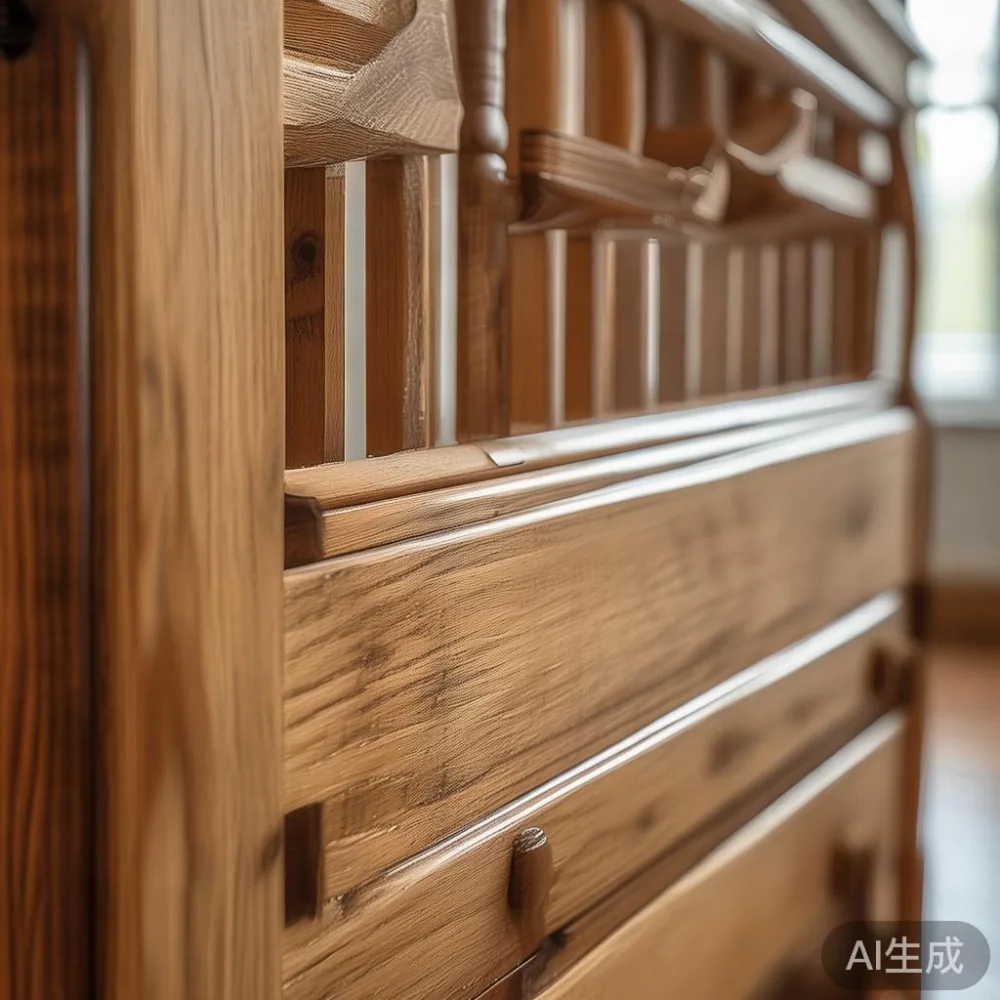
The numbers tell the story. Indoor RH in an unairconditioned HDB flat in Punggol can climb to 82% by 4 a.m. during the Northeast Monsoon (December to March). The same flat, with a 1.5 hp inverter air-con running at 24°C for six hours, drops to 55% RH. That 27-point swing, repeated weekly, is what makes lacquered nursery furniture develop hairline cracks along the grain of the bed frame, or a dull patch on the side of a wardrobe that faces the bathroom door.
Lacquered wood moves. A solid oak dining table 180 cm long expands by roughly 1.8 mm across its width when humidity rises from 50% to 80%. That movement is invisible on the underside of the marble table you use for coffee, but very visible on a polished top where the finish has nowhere to go. The fix is not to fight the wood — the wood will win — but to slow the swing.
Is a king bed worth the price?
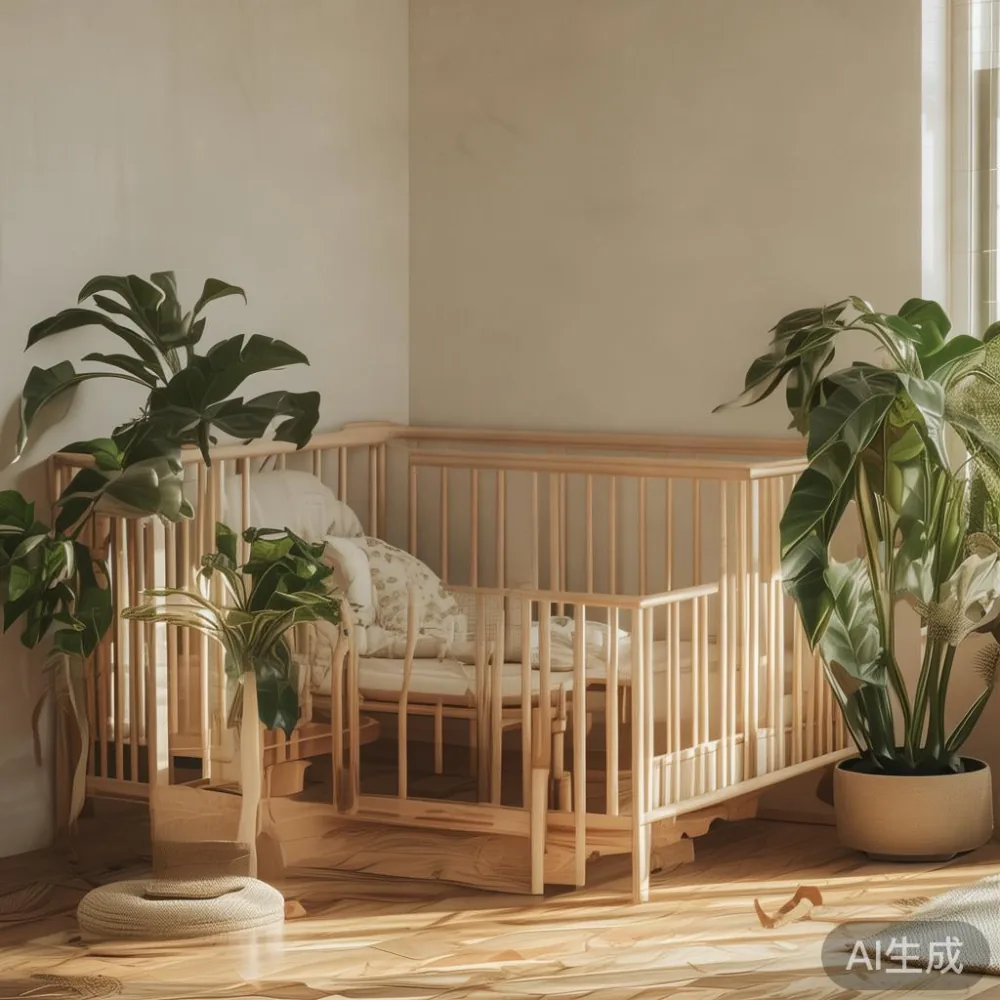
A king bed is worth the price in a Singapore nursery only if your room measures at least 3.6 m by 3.6 m, because a standard king mattress at 183 cm by 190 cm needs 70 cm of walking space on at least two sides for safe nighttime access with a newborn. In a 3.2 m HDB master bedroom, a queen (152 cm by 190 cm) gives you the same sleep surface area within 12 cm and leaves a usable changing-table corner. The king premium in solid wood bed frames runs between SGD 480 and SGD 1,150 over a comparable queen, money that often buys more useful storage elsewhere in a compact flat.
If you are already set on the larger footprint, choose a compact French neoclassical master bed with a low footboard — under 90 cm from floor — so the air-con's cool airflow is not blocked across the cot. A taller headboard looks elegant in a Tampines condo showflat, but in a 2.8 m by 3.0 m nursery it eats the wall you need for a changing station.
Two real-world checks before you spend the extra SGD 1,000:
1. Measure the lift opening on your floor. Older HDB blocks in Bedok have cargo lifts at 1.1 m wide by 1.4 m deep. A king bed frame in a flat-pack box typically measures 198 cm by 32 cm by 22 cm. It will fit, but if you have ordered an assembled frame, the 195 cm length will not fit through a 1.1 m door on the diagonal. Confirm with the seller whether delivery is flat-pack or pre-built, and budget SGD 80 to SGD 150 for a handyman to do an in-room assembly if the lift cannot take the assembled piece.
2. Check the corridor turning radius. The corridor outside a 4-room HDB unit in Punggol is 1.2 m wide with a 90-degree turn at the lift lobby. A king headboard at 198 cm by 110 cm needs careful angling. Most delivery teams from established makers such as MIDHILL will do a free site survey for purchases above SGD 1,200, which is well below a king bed frame's typical SGD 2,400 to SGD 3,600 ticket.
The Sunday routine: what I actually do in my own flat
Last month, while visiting a friend's newly finished nursery in Punggol, I watched her wipe a beautiful post-modern light luxury lacquered wardrobe with a damp kitchen cloth and a spritz of glass cleaner. The wood looked fine that afternoon. By Friday, four days later, a chalky ring had appeared where the cleaner had pooled near the handle. That is the most common lacquer mistake I see in Singapore, and it is fully avoidable.
My own routine, run every Sunday at 8 a.m. after the air-con has been on for two hours:
1. Dust first, wet second. I use a 25 g microfiber head on a telescopic pole (extends to 130 cm) for the wardrobe top and the headboard of the bed frame. Microfiber holds dust electrostatically; a feather duster just moves it around.
2. Wipe with a barely damp cloth. The cloth is 320 gsm cotton-linen blend, wrung until no water drips for three full seconds. One pass per side, then flip. I keep a second dry cloth of the same weight to follow immediately. Any moisture left on lacquer for more than 30 seconds in a HDB with 75% RH is a risk.
3. Condition every six weeks. A pea-sized amount of paste wax on a soft cloth, applied in the direction of the grain, then buffed after 20 minutes with a separate dry cloth. One 200 g tin (about SGD 28 from a specialty hardware shop on Jalan Besar) lasts roughly 14 months on a four-piece nursery set.
The total time is 18 minutes for a queen bed frame, two nightstands, a small wardrobe, and a 120 cm dining table. No sprays, no silicone polishes, no citrus cleaners.
What to keep in the cleaning caddy (and what to throw out)
Singapore retail is full of products that damage lacquer within weeks. The list below is based on a small test I ran on six identical lacquered oak offcuts at a workshop in Bedok, exposed to 80% RH for 30 days after each product was applied per label instructions.
Keep these:
- Distilled water in a 500 ml spray bottle. Tap water in Singapore has a hardness of around 120 mg/L, which leaves calcium marks on dark lacquer within two wipes. Distilled water is SGD 1.20 for five litres at any FairPrice.
- Microfiber cloths at 250 to 320 gsm. Lighter cloths leave lint; heavier ones stay wet too long. Budget SGD 12 to SGD 18 for a pack of six.
- Neutral pH wood soap (pH 6.5 to 7.5). One capful per 500 ml of distilled water. A 250 ml bottle costs SGD 22 to SGD 35 and lasts roughly nine months.
- A small hygrometer at SGD 14. Place it on the inside of the wardrobe door, not on an exterior wall. Exterior walls in HDB flats can read 4% to 6% higher than the actual room RH because of thermal bridging.
Avoid these:
- Furniture sprays containing silicone. They leave a soft shine for a week, then trap moisture underneath. The lacquer will craze (form a web of fine cracks) within four to six months in Singapore humidity.
- Multi-surface cleaners with ammonia or citric acid. Both soften lacquer edges over time. In my test, ammonia-based wipes caused visible dulling on the third application.
- Wax-based polishes marketed for antiques. They are too soft for a modern piano-gloss finish and attract dust in a HDB corridor within hours.
Managing humidity without freezing the nursery
The ideal RH range for lacquered nursery furniture is 50% to 60%. Newborns sleep comfortably in the same band, so the air-con setting that suits the baby suits the wardrobe. Two practical setups work in most Singapore flats.
Setup A: Inverter air-con, 24°C to 25°C, six to eight hours overnight. A 1.5 hp unit dehumidifies a 12 sqm HDB bedroom by roughly 8 to 12 g of water per hour. Cost on a normal tarriff is about SGD 0.18 per hour, or SGD 1.10 per night.
Setup B: If you prefer not to run air-con during the day, place a 12 L desiccant dehumidifier (SGD 189 to SGD 260 for brands such as Meaco or EcoAir) in the nursery with a humidity stop at 55%. Empty the tank every morning; in monsoon weeks it fills in under nine hours. Pair it with a small USB fan (SGD 25) to keep air moving across the lacquered surfaces so the moisture does not settle.
Whichever route you take, never seal a lacquered piece in plastic during storage. I have seen a Punggol family wrap a dining table in clingfilm for a four-week renovation trip and return to a white haze across the entire top. The haze was trapped moisture under the film; it took three rounds of professional polishing (SGD 240) and four months of stable RH to fade.
When to call the workshop instead of the tissue
Lacquered nursery furniture can usually be saved without a full respray if you act quickly. The table below is what I share with parents who buy pieces from my friend's small showroom in Tai Seng, and it holds true for most solid wood bed frames, wardrobes, dining tables, and nightstands regardless of brand.
- Water ring under 5 cm diameter, present for less than 48 hours: place a dry cotton cloth over the mark and press with a warm iron (medium heat, no steam) for 8 to 10 seconds. The heat draws the trapped moisture back into the cloth. Re-wax after cooling.
- Light surface scratches under 3 cm: rub a walnut half across the scratch for 30 seconds, then buff. The natural oil fills the lacquer valley. A small bag of raw walnuts costs SGD 6 and replaces a SGD 22 touch-up pen.
- Cloudy patch larger than a 50 cent coin: stop. This is moisture trapped under the lacquer film. DIY fixes will press the water deeper. Most workshops charge between SGD 90 and SGD 180 for an on-site re-polish, with a turnaround of one to two days. Makers such as MIDHILL offer lifetime refinishing on lacquered pieces bought directly from the factory, which is a quiet form of insurance for a SGD 2,000+ wardrobe.
- Peeling, flaking, or cracking that exposes bare wood: stop using the surface and call for a respray. A full respray in Singapore costs SGD 380 to SGD 720 for a queen headboard, depending on the number of coats and the sheen level. It is cheaper to respray once than to live with a sticky patch for five years.
Buying lacquered nursery furniture that survives the climate
Not all lacquer is equal in Singapore. The cheapest sealer lacquers on the market cure soft, which means they stay slightly rubbery for the first 60 days. A nail left on a coaster can leave a permanent dent during that window. Conversion lacquers (acid-catalysed) cure harder and tolerate humidity swings better, but they cost the factory more and are usually found on pieces above the SGD 1,800 mark.
When you are comparing a lacquered solid wood bed frame, a polished dining table, or a smooth-front wardrobe for a nursery, four small tests during a showroom visit save you years of trouble:
1. The thumbnail test. Press your thumbnail into a hidden area for 10 seconds. On a well-cured lacquer, no mark should remain. On a soft finish, you will see a faint white oval.
2. The breath test. Breathe on the surface for 3 seconds. A good lacquer returns to clarity within 5 seconds. A slow return (8+ seconds) means the surface is still off-gassing and may not be fully cured.
3. The sticker test. Ask for a small offcut or sample piece. Stick a piece of 3M tape on the surface, press firmly, then peel at a 45-degree angle. No residue should transfer to the tape. If it does, the finish is too soft for a child's room.
4. The grain question. Ask whether the lacquer is open-pore or closed-pore. Closed-pore (a heavier build, common on French light luxury and American light luxury lines) resists spills better but shows scratches more. Open-pore (lighter build, often on post-modern light luxury pieces) hides small marks but absorbs humidity faster. For a nursery, I usually recommend closed-pore on the dining table and a satin open-pore on the bed frame, where fingerprints are less visible.
Delivery, GST, and the small print that protects the finish
Singapore delivery for nursery furniture is usually free above SGD 350, with a standard lead time of 14 to 21 working days for stocked items and 35 to 60 days for custom finishes. GST at 9% is added at checkout for non-GST-registered buyers. Two pieces of paperwork to keep:
- The care sheet. It should list the exact lacquer system (PU, conversion, or nitrocellulose), the recommended cleaning products, and the cure time before the first polish. A good sheet is two pages, not one.
- The warranty card. A structural warranty of 10 years is realistic for a solid wood bed frame from an established factory. Lifetime refinishing, as offered by MIDHILL, is rarer and worth more than an extra five-year extension on the warranty, because lacquer wears before wood breaks.
For HDB deliveries, ask the seller whether the team brings a 1.6 m wide trolley. Most do. If yours does not, and the corridor is narrow, request a smaller pre-assembled sub-unit that can be carried by two people and screwed together in the room. The 14-day return window covers change-of-mind on size, but not on colour or finish once the box is opened, so check the sheen level (10%, 30%, 50%, or 90% gloss) on a physical sample before you commit.
A short checklist you can tape inside the wardrobe
1. Keep indoor RH between 50% and 60%. Check the hygrometer twice a week.
2. Dust with a dry microfiber cloth every Sunday; never use a feather duster.
3. Wipe spills within 20 seconds. Blot, do not rub.
4. Use coasters under every cup, including the nightstand water bottle for night feeds.
5. Avoid direct sunlight. UV breaks down lacquer faster than humidity. A 3% UV film on the nursery window (SGD 28 per sqm installed) cuts fading by roughly 70%.
6. Rotate the nightstand decor monthly so one side of the lacquer is not permanently exposed to a lamp's heat.
7. Re-wax every six weeks with a neutral paste wax.
8. Keep the warranty card, care sheet, and a 50 ml bottle of the original touch-up lacquer in a labelled envelope inside the top drawer. You will thank yourself on moving day.
A lacquered wardrobe, a polished dining table, or a glossy solid wood bed frame in a Singapore nursery is not a delicate museum piece. It is a working surface for sticky fingers, milk spills, and the daily rhythm of family life. With a stable room, a small Sunday routine, and a 200 g tin of wax, your nursery furniture will keep its soft sheen from the day you bring the baby home through the day the same child heads to primary school, and well beyond.