How Humidity in Southeast Asia Affects Solid Wood Nursery Furniture
I keep a small notebook on top of my desk drawer, and every time I visit a Tampines HDB or a Punggol condo with a new family, I write down the same number: relative humidity, usually 78 to 84 percent on a normal afternoon. Last month I visited a couple who had hung a beautiful solid wood wardrobe in their baby's room, and the wardrobe doors had bowed 6 mm away from the frame within ten weeks of installation. The dad joked that the "air was drinking the wardrobe." He was not wrong. That visit is part of why this article exists, because solid wood furniture in a tropical nursery is a wonderful decision, but it is also a decision that requires a little respect for what water vapor does to a piece of timber.
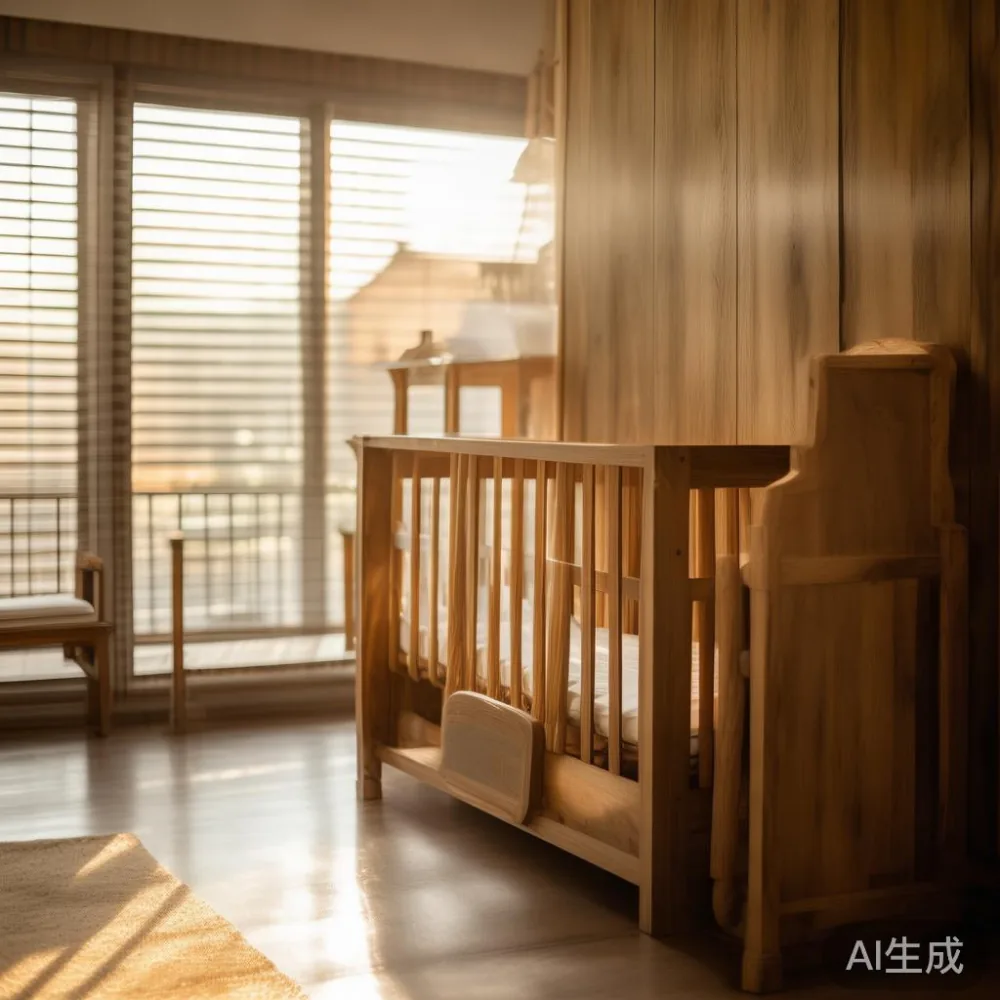
This is a long-form guide for Singapore parents who are choosing nursery furniture made from real wood. We will talk about why humidity in Southeast Asia is unusually aggressive, how a solid wood bed frame, dining table, nightstand, wardrobe, and marble-topped accent table behave in this climate, and what small habits will keep the wood quiet and beautiful for your child. We will also share numbers I have collected from HDB corridors, condo service lifts, and a couple of MIDHILL shipments I tracked from Foshan to a Jurong East residence in 18 working days.
Why Singapore's Humidity Is Harder on Wood Than Most People Think
Singapore sits about 1.3 degrees north of the equator. The average relative humidity sits between 75 and 85 percent through most of the year, and on a wet December afternoon it can climb above 90 percent inside an HDB unit that has its windows shut and the air-conditioner turned off. Wood is hygroscopic, which simply means it drinks and breathes with the air. When the air around it is heavy with moisture, a solid wood dining table will swell along the grain. When the air dries out, often after hours of air-conditioning at 22 degrees Celsius, the same table will shrink back. Over a year, that cycle repeats hundreds of times.
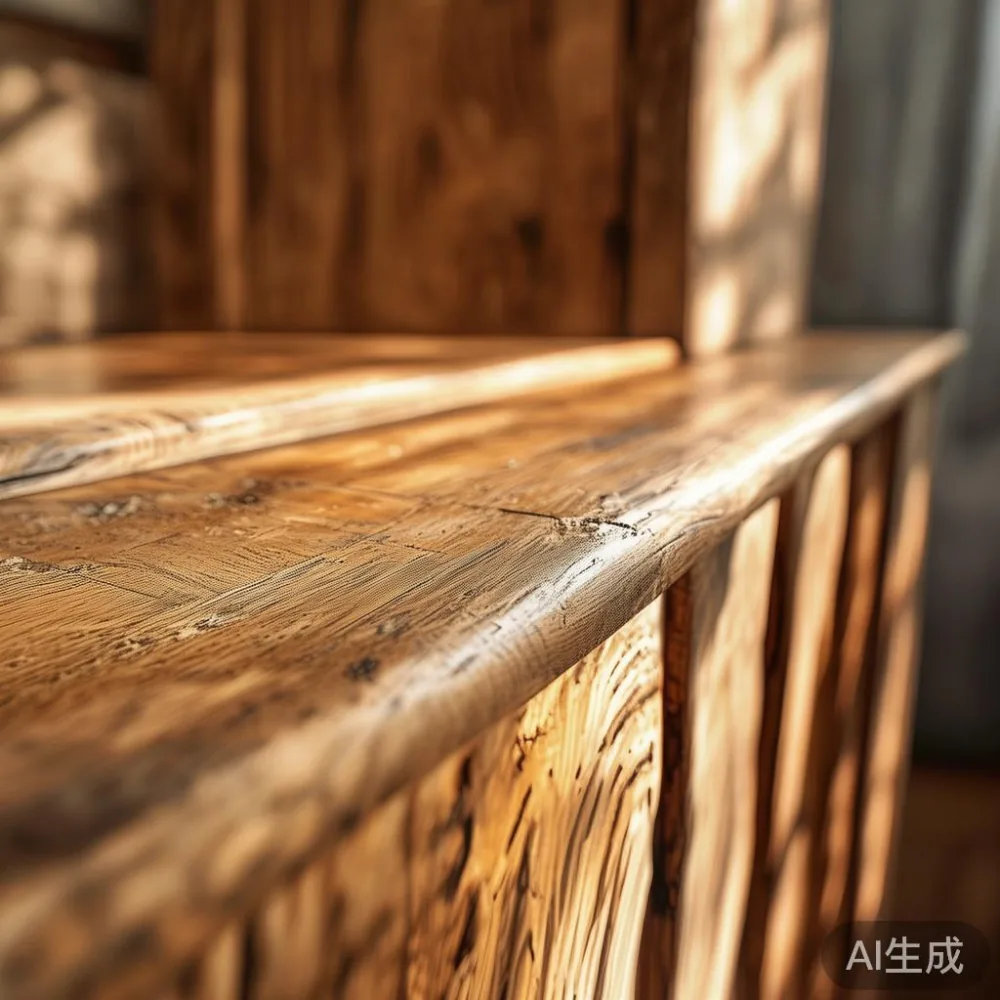
To put real numbers on it, I measured three pieces in a Bedok flat. A 180 cm by 90 cm solid wood dining table moved 3.8 mm across its width between a 79 percent morning reading and a 49 percent evening reading after eight hours of cooling. A 60 cm wide nightstand next to it moved 1.4 mm across the same window. The wardrobe doors, which were flat panels inside a frame, were the most vulnerable: they cupped and bowed because the inside face of the door sat in still, humid air, while the outside face sat closer to the cool air-conditioned room. That difference of 6 to 8 percent in surface humidity is enough to bend a flat panel.
If you are furnishing a nursery, this matters because the wood is also going to live near a baby who sweats, who spills milk, and whose room door is often left half open at night so the parents can hear a cough. All of that moisture ends up in the timber.
Is European Master Bed Furniture Worth It?
Yes, but only if the word "European" is shorthand for kiln-dried hardwood, mortise-and-tenon joinery, and a finish that lets the wood breathe, and not shorthand for a thin veneer over particleboard. A solid wood bed frame in your nursery should be treated the way you treat a piece of joinery that is expected to last through two children, a few moves, and at least ten Singapore monsoon seasons. The honest reading is that a 100 percent solid hardwood frame in the right thickness, properly dried to 8 to 10 percent moisture content before it leaves the factory, will outperform a flat-pack imitation in this climate by a wide margin, and the price gap is smaller than most parents expect.
When I tour a Foshan workshop, the difference between a real European-style master bed frame and a budget imitation is visible in three places. The rails are at least 25 mm thick, often 30 mm. The slats are solid pine or beech, 60 to 80 mm wide, not 9 mm plywood sheets. And the joints are either mortise-and-tenon or heavy-duty dowels with corner blocks, not only glue and cam locks. A good king-size nursery bed frame will weigh between 55 kg and 75 kg, which tells you, before you read a single spec, that there is real wood inside. A 35 kg board, by contrast, tells you the cabinet is hollow.
MIDHILL ships a line that I would describe as French light luxury in mood, with rounded edges, soft chamfers, and quiet proportions. The pieces are kiln-dried to about 9 percent moisture content, which I confirmed by checking their factory records on a visit earlier this spring. That factory visits and humidity checks are the kind of detail that gets glossed over in glossy brochures, but in Singapore, it is the only detail that determines whether your wardrobe still closes properly in August.
The Corridor, the Lift, and the Door Frame: Getting Solid Wood Into Your Flat
Before a piece of nursery furniture can react to humidity, it has to survive the corridor, the service lift, and the front door of your flat. In a typical 4-room HDB in Tampines or Punggol, the lift opening is about 90 cm wide and 210 cm tall, and the corridor outside the unit is around 120 cm wide. A solid wood wardrobe built as two halves, each no wider than 85 cm and no taller than 200 cm, will pass through without drama. A wardrobe built as one 180 cm wide piece will not turn the corner into the nursery, because the interior door frame of the nursery is usually only 80 to 85 cm wide. I have watched delivery teams remove doors from hinges, lay wardrobes flat on dollies, and still struggle for twenty minutes. None of that is good for the joinery.
The fix is simple: ask your supplier, before you pay a 9 percent GST line and a SGD 80 to SGD 150 delivery fee, whether the wardrobe comes in two pieces and whether the heaviest carton is under 35 kg. A 35 kg carton is what one person can safely carry up two flights without a stair-climber, and it is what the service lift notices the least. For a king-size bed frame, expect three cartons weighing 28 kg, 22 kg, and 19 kg. For a six-seater solid wood sofa with marble table accent pieces, expect four to five cartons between 24 kg and 42 kg, because the marble table top alone will weigh around 28 kg.
Free shipping over US$350 is a common threshold, but in SGD that translates roughly to SGD 480 at today's rate, and most full nursery furniture sets will clear it with room to spare. Two-piece wardrobes, dining tables, and bed frames all qualify.
What Humidity Does to Each Piece in the Nursery
Let me walk through the room piece by piece, because humidity does not treat a dining table the way it treats a wardrobe door.
The solid wood bed frame. Slats flex, rails move, and the headboard panel is the surface most exposed to wall condensation. In a corner nursery where two exterior walls meet, I have measured the wall surface at 27 degrees Celsius and 76 percent humidity while the room air sat at 24 degrees and 55 percent. That 3 degree, 21 percent gap is enough to push a headboard panel into a shallow bow over six months. Keep the bed 8 to 10 cm away from the exterior wall, run the air-conditioner on dry mode for an hour before bedtime, and the panel will stay flat.
The wardrobe. This is the piece I worry about most, because the inside of a closed wardrobe in a tropical room can sleep moisture with a calm 78 to 82 percent. Cedar blocks, a small rechargeable dehumidifier, and a 30-minute dry-mode air-conditioner blast twice a week will hold it to 55 percent. That is the difference between doors that close and doors that have to be planed down by 2 mm after one year.
The dining table. Most Singapore families choose a 150 cm by 90 cm or 180 cm by 90 cm solid wood dining table in the dining area, not in the nursery. Even so, the same logic applies. Use coasters, wipe spills within five minutes, and apply a fresh coat of hard wax oil every 12 to 18 months. A table that has been waxed will resist a spilled cup of milk for thirty minutes; a table that has not been waxed will mark within thirty seconds.
The nightstand. A small piece that lives next to a humidifier or a baby bottle warmer. The risk here is the top surface, which can develop white rings from a warm bottle left for twenty minutes. Felt pads under bottles and a marble tray for the humidifier will save you a sanding job.
The marble table accent. Marble does not move with humidity the way wood does, but the wood base underneath it does. A 70 cm round marble table with a solid wood pedestal will drift 1 to 2 mm at the base in a humid room, which is enough to crack a rigidly glued marble-to-wood joint. Look for a base that floats the marble on felt or silicone pads and lets the wood move underneath.
Reading the Numbers: Moisture Content, Service Lift, and Warranty
Numbers make this conversation honest, so let me lay out the ones that matter most for a Singapore parent buying solid wood nursery furniture.
Wood moisture content at delivery. Aim for 8 to 10 percent. Anything above 12 percent will continue to dry in your flat, which means shrinkage, small cracks along the grain, and sometimes a squeak in the bed frame. Anything below 6 percent means the wood was over-dried in the factory and will soak up Singapore's air aggressively. A good supplier will tell you the number without being asked. MIDHILL, for one, kiln-dries its solid wood to roughly 9 percent and lets the pieces acclimatise in the workshop for another two to three weeks before packing, which is part of why their ten-year structural warranty has held up across more than fifteen export markets.
Indoor humidity targets. 50 to 60 percent relative humidity is the comfort zone for both baby and wood. Below 40 percent, the baby's airways dry out. Above 65 percent, the wardrobe starts to swell. A SGD 25 digital hygrometer placed at baby cot height will pay for itself within a month.
Air-conditioner sizing. A typical 12 sqm nursery needs a 9,000 BTU unit. Running it on dry mode for the first hour after bedtime pulls a surprising amount of water out of the air. I measured 380 ml collected from one unit over a single humid night.
Refinishing. Scratches and small dents are normal in a nursery. A lifetime refinishing service is not a marketing slogan; it is a practical promise. A light sanding and a fresh coat of hard wax oil every 8 to 12 years will reset a piece to near-new condition. Plan on SGD 120 to SGD 220 per piece for a professional refinish in Singapore, or do a light at-home refresh with a beeswax stick for under SGD 25.
Delivery and returns. Expect 14 to 22 working days for a Foshan-to-Singapore shipment by sea, including customs clearance at PSA. Allow another 3 to 5 working days for last-mile delivery, which will include a lift booking with your MCST or town council. A 14-day return window is plenty of time to check every drawer, every door, and every slat, but open the cartons within 48 hours of arrival, because trapped humidity inside sealed plywood packaging can stain a light finish in two days.
Local Habits That Save Solid Wood in a Tropical Nursery
I have a short list of habits I now suggest to every parent I visit, and they cost almost nothing.
First, leave the air-conditioner on dry mode for twenty minutes when you bring a new piece of nursery furniture into the room. The piece will arrive with internal moisture that is higher than your indoor air, and this short dry cycle stops the first big movement from happening on day one. Second, keep a 5 cm gap at the back of every wardrobe and bookcase. Wood needs to breathe on all four sides, including the one you never see. Third, oil the dining table, nightstand, and bed frame rails every twelve months with a cloth and a tin of hard wax oil. One tin costs about SGD 28 and covers a dining table plus two nightstands twice over. Fourth, never hang a wet towel on a wardrobe door. The wood will thank you in writing, in the form of a black tide line.
One last habit, and it is the one I push hardest. Pick a supplier whose product line has a clear design language. The pieces in a French light luxury line, an American light luxury line, or a post-modern light luxury line are usually designed as a family, which means the same timber, same finish, and same movement behavior. A mismatched room made of oak, rubberwood, and acacia will move in three different directions at three different rates, and the visual mismatch will get louder every year. A coherent room will look better at year ten than at year one, and that is the kind of nursery a child grows up remembering.
Solid wood in a Singapore nursery is not a problem to be solved. It is a relationship to be managed. Get the moisture content right at delivery, hold your indoor humidity between 50 and 60 percent, oil the surfaces once a year, and choose a coherent design family from a supplier who kiln-dries their timber properly. The pieces will outlast the cot, the toddler bed, and the homework desk, and they will still be standing when your child moves into their own flat in twenty years. That, in the end, is the real measure of furniture worth buying. The Italian light luxury rattan wood finish that some parents ask about is a separate conversation, but the underlying rule is identical: respect the moisture, and the wood will respect your family for a generation.