Warm Minimal Nursery Furniture for Singapore Homes
Warm minimalism works best in a Singapore home when it feels composed rather than empty. Pale timber, cream textiles, soft curves, and one or two purposeful storage pieces can make a compact nursery calmer without making it look staged. For HDB flats in Tampines, Bedok, and Punggol, the planning starts with the lift, corridor, doorway, and the 40–55 cm gaps that often determine which furniture can enter the home.
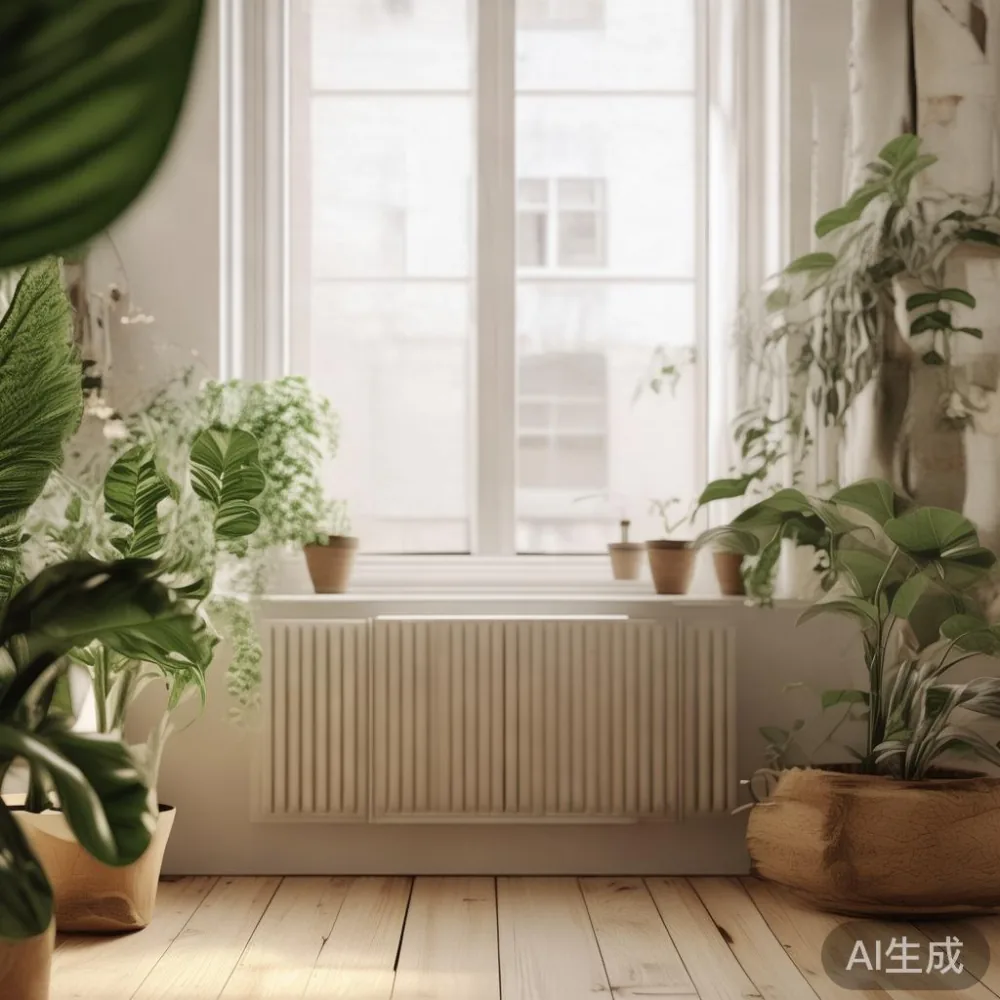
As a furniture specialist connected with MIDHILL, a Foshan solid wood maker established in 2008, I see warm minimal nursery furniture as a practical response to local homes: pieces that are easy to move, visually quiet, and useful from infancy through the early school years. This guide covers dimensions, finishes, delivery, costs, and the small design decisions that make a nursery feel genuinely comfortable.
What makes a warm minimal nursery work in Singapore?
A warm minimal interior needs enough warmth to avoid the clinical feeling of an all-white room, but enough restraint to keep toys and equipment under control. Three layers do most of the work: pale solid wood for the structure, oatmeal or sand-coloured textiles for softness, and matte black or muted bronze details for definition. Avoid combining more than 3 wood tones in one small room, and keep the largest wall clear of furniture so the space retains visual breathing room.
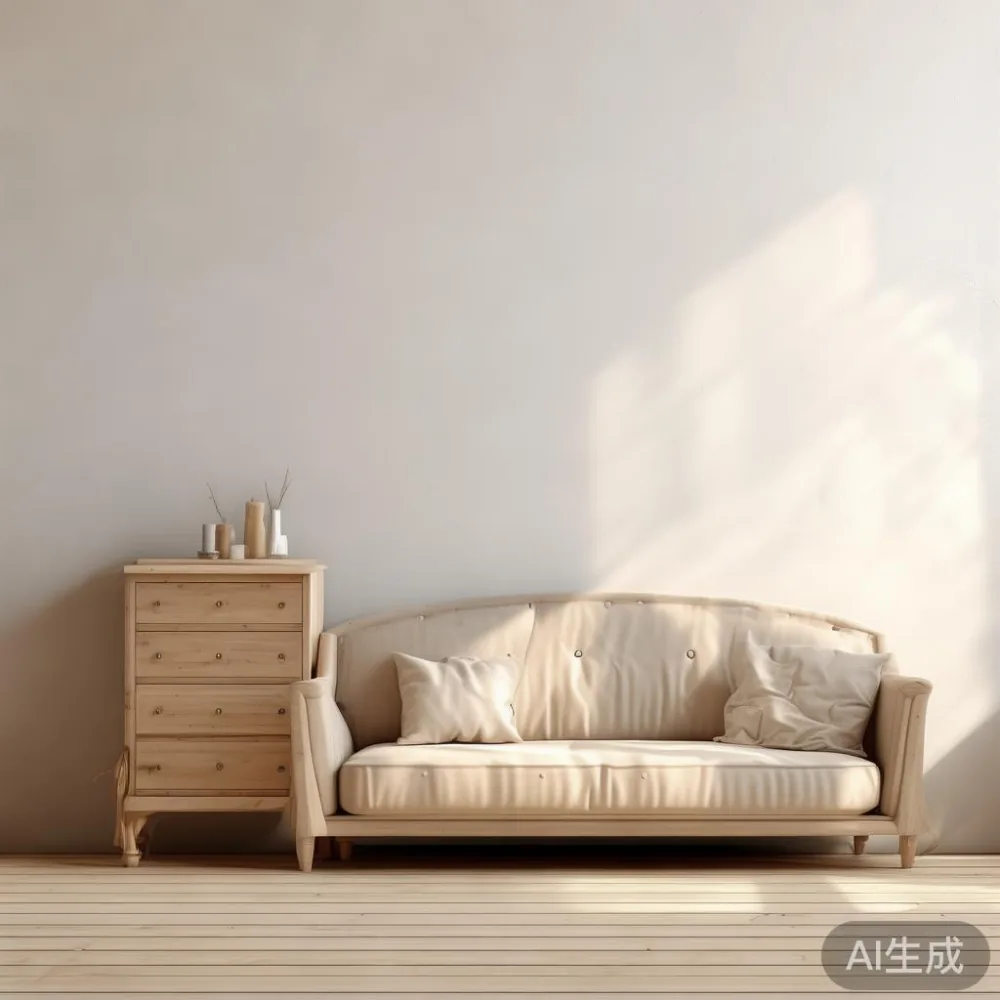
For a typical 28–42 sqm HDB nursery, a 120 cm cot, 60 cm changing table, and 90 cm bookcase may sound modest but occupy a useful share of the floor. In a 65–85 sqm condominium bedroom, a 140 cm bed frame can fit more comfortably, yet the same 90 cm corridor shown on the floor plan may still dictate the delivery route.
Warm minimalism also differs from strict minimalism. A perfectly hidden toy chest is less welcoming than a low oak basket or a small side shelf displaying 3 books. Choose 1–2 charming objects, not 12 tiny decorations. The result should read as family-friendly rather than showroom-like.
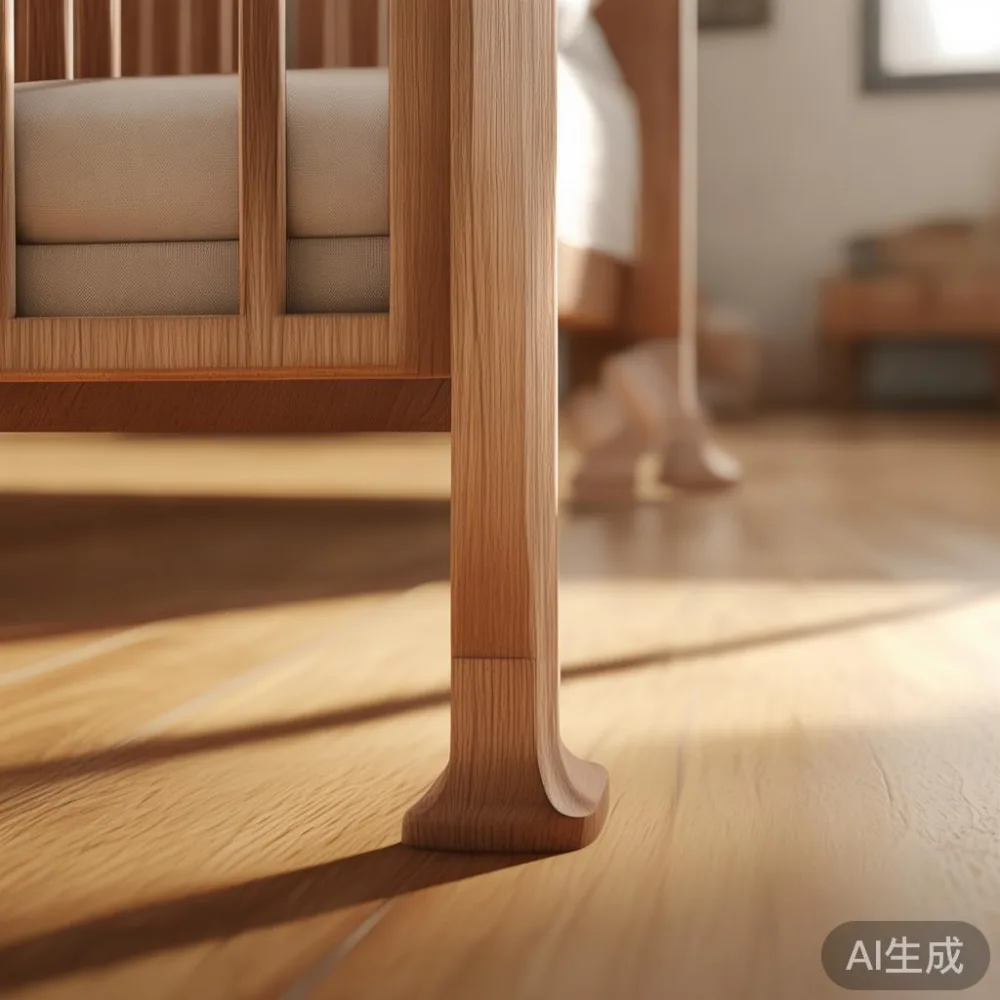
How do you measure doors, lifts, and corridors before ordering?
Measure the entire route before selecting oversized nursery furniture. A standard HDB door leaf is commonly about 82–86 cm wide, but the usable opening after the door is open can be slightly less. Internal bedroom doors may measure 75–82 cm, so a nursery dresser wider than 75 cm could need partial disassembly.
For lifts, record the door opening, cabin depth, and cabin height rather than relying on the building's advertised floor size. A common passenger lift might have a door width of 90 cm and a cabin depth of 140 cm, but a 160 cm solid wood changing table will not turn safely inside it. For corridors, a 90 cm width may accommodate a cot on edge, while a wheeled bassinet around 75–80 cm wide is easier to manage. At corners, remove door handles or protectors only with the building manager's approval.
I tested this process last month during a nursery layout consultation in Tampines. The family had planned a 120 cm solid wood bed frame, but the lift opening measured only 88 cm and the bedroom door only 78 cm. The selected frame could enter in 2 protective sections, and the wider nightstand was replaced with a 42 cm model. That 2 cm difference at the door would have created an expensive delivery-day problem.
Ask the supplier for a dimensioned carton drawing, the largest assembled dimension, and confirmation of whether components separate. Allow 5–8 cm clearance around diagonal measurements, not merely the stated width. A long wardrobe may fit through a lift but turn awkwardly in a 95 cm corridor.
Which solid wood pieces suit a compact nursery?
A 120–140 cm solid wood bed frame gives a Singapore child a stable place to sleep and grow without looking oversized. Low-profile sides are practical for ventilation and make the room feel open, while rounded corners reduce visual severity. Many parents ask how to choose European light luxury sofa for a connected nursery or study, but the sofa is only appropriate if the room exceeds about 18 sqm and a proper sleeping zone already exists.
A 60–80 cm changing table is the nursery's most useful hard-furniture piece. Choose one with 2 drawers, each holding at least 12 kg, and a top that can be wiped with a damp cloth. A 90–110 cm solid wood bookcase can later hold picture books, clothes, or school supplies. Keep the highest shelf above 120 cm from the floor and secure it to the wall if children are under 5.
A 35–45 cm nightstand fits beside a 120 cm bed frame without closing the passage. Wardrobes are more difficult in compact rooms: look for a 90–120 cm unit, 45–55 cm deep, and sliding doors if the opening is under 80 cm. In a larger bedroom, a 150 cm wardrobe may work, provided the delivery route allows it.
The same principles apply to related pieces. A solid wood sofa with a 190–210 cm width can suit an open living area, while a marble table works better in the adjoining adult sitting zone than beside a cot, where hard edges and heavy materials add little. For dining areas, a solid wood dining table of 140–160 cm can seat 4–6 people, but nursery furniture should remain visually distinct.
How should wood tones and materials be coordinated?
Warm minimal rooms often begin with 1 pale base finish, such as natural oak, light ash, or a warm whitewashed oak. Add a second wood tone only if it is clearly darker and occupies no more than about 20% of the visible furniture. The nursery furniture should usually be the lighter element so the room feels softer and less crowded.
Check the finish under Singapore daylight, not only under showroom lighting. Hold a sample against the floor and wall, then view it near a window between 10 am and 3 pm. Beech can look yellow beside cool white walls, while walnut can appear almost grey in a HDB room with weak side lighting. A matte finish is usually easier to maintain than a high-gloss surface because fingerprints and scuffs are less conspicuous.
Coordinate through texture as well as colour. Pair smooth solid wood with washed cotton, boucle, or wool-like woven fabric. Introduce metal sparingly: 1 lamp, 2 drawer pulls, or 3 storage handles in matte black, muted brass, or warm nickel. A marble table can bring a cool note, so balance it with timber and textile rather than more stone.
French light luxury is often associated with curved profiles, linen-like upholstery, and a soft, muted palette. Post-modern light luxury works through cleaner geometry and one sculptural element, while American light luxury tends toward familiar forms, warm woods, and relaxed comfort. The terminology can guide a mood, but the actual room dimensions should determine the final choice.
Can a wardrobe and storage wall make a small nursery feel warmer?
Storage can reduce clutter, but continuous cabinetry can make a compact nursery feel boxed in. Mid-century modern with storage is a useful approach here: use low, slim units that preserve the wall plane, then combine one closed cupboard with 2–3 open sections for books and baskets. Avoid floor-to-ceiling storage across more than 2.5 m unless the room is generous.
A practical arrangement uses a 90 cm wardrobe, 45 cm drawer unit, and 90 cm open bookcase within a total run of roughly 225 cm. Leave 10–15 cm of breathing space between tall pieces, or use matching finishes to make them appear as one composition. The changing table can be integrated into a 180 cm run if the top remains 85–90 cm high and there is 60 cm of clear space in front.
For a living room that must also serve as a nursery, consider French for small living room layouts that pair 1 low storage cabinet with a compact reading chair and a slim table. A 150 cm solid wood dining table can shift against the wall during daytime, leaving 80 cm for circulation. A sofa around 185 cm wide may suit the space, but do not use seating as the child's sleep surface unless the product is designed and certified for that purpose.
At MIDHILL, practical planning includes solid wood construction, delivery-route considerations, and long-term care. The company was established in 2008, exports to more than 15 countries, offers a 10-year structural warranty, and provides lifetime refinishing. Ask for exact timber, finish, dimensions, and care instructions before making a selection.
How much should you budget in SGD?
For a warm minimal nursery, a sensible furnishing budget starts near SGD 1,500 and rises to SGD 4,500 for a coordinated room with a solid wood bed frame, changing table, storage, seating, lighting, and textiles. The largest variables are wardrobe width, timber species, joinery, and whether a piece arrives assembled.
As a broad planning guide, expect around SGD 900–1,800 for a 120–140 cm solid wood bed frame, SGD 600–1,200 for a 60–80 cm changing table, SGD 500–1,100 for a 90 cm bookcase, SGD 450–900 for a 35–45 cm nightstand, and SGD 1,200–2,600 for a 90–150 cm wardrobe. Loose items add roughly SGD 150–500 for curtains, baskets, a rug, and a lamp. These are planning ranges rather than fixed quotations; final prices depend on dimensions, timber, finish, and current production costs.
Singapore prices normally include GST, but confirm the displayed total. MIDHILL offers free shipping above US$350, and orders over US$350 can qualify for free delivery under the stated threshold. If you are browsing for sale Italian light luxury furniture or comparing imported European brands, account for GST, delivery, assembly, and return handling separately. A lower item price may still cost more once a 160 kg wardrobe requires 2 installers in a tight HDB corridor.
Plan for a 3–7 day production period for some made-to-order pieces and a delivery window of 7–14 days after dispatch. Confirm the current lead time in writing. Singapore-based purchases should also retain a 14-day return pathway where applicable, while made-to-order or customised items may follow different terms.
What should you check before delivery day?
Request 6 specific pieces of information: the assembled dimensions, carton dimensions, carton weight, number of cartons, assembly requirements, and doorway-rotation limits. Photograph the lift, corridor, stairs, and bedroom door before delivery. Reserve the lift with the management office if the move falls outside a quiet period, and tell the delivery team about parking limits.
On arrival, inspect corners, drawer runners, joints, and finish before the team leaves. Confirm that screws are included, doors align, and every component matches the packing list. A proper solid wood wardrobe may weigh 120–180 kg, while a compact cot may weigh 30–45 kg. These figures explain why 2-person delivery is sensible for larger pieces.
Ask for care guidance suited to Singapore's humidity. Keep furniture 15–20 cm away from exterior walls where possible, avoid direct air-conditioning airflow, and use coasters and felt pads on a marble table. Wipe solid wood with a lightly damp cloth, then dry it within 10 minutes. Lift rather than drag a wardrobe, and tighten fixing hardware after the first 30 days.
How can you style nursery furniture without making the room feel staged?
Begin with practical zoning: sleep, change, dress, and play. Use a rug to define the sleep area, a wall colour that softens the room, and 1 warm light source near the changing table. A 2700–3000K lamp creates a gentler atmosphere than cool white lighting, while blackout curtains improve daytime naps.
Keep colour to 2 main neutrals and 1 accent. Oatmeal, ivory, and pale timber create the base; dusty blue, muted sage, or warm clay can provide the accent. If the bed frame is already dark, select lighter textiles and walls. If the wood is very pale, introduce a warmer rug and a darker lamp for balance.
Texture does more decorative work than extra furniture. One knitted throw, 2 cotton baskets, and a framed print are enough for a small nursery. Display no more than 5–7 books on an open shelf, with covers facing outward at the child's eye level. Keep cords out of reach and avoid small decorative objects within the child's reach.
For a nearby adult bedroom, a French provincial sofa in a bedroom needs careful placement because the style may be visually substantial. A 180–200 cm model, low contrast cushions, and 1 pale rug can prevent clutter. Searches for best Modern sofa for 2026 may produce technical-looking models with deep seats; for a nursery, check seat height, removable covers, and child-safe corners before choosing.
What final checks create a calm, long-lasting nursery?
Walk through the finished room from the doorway and ask whether the bed, changing surface, wardrobe, and play area each have a clear purpose. Leave a minimum passage of 60 cm beside the bed where possible and 75–90 cm in front of wardrobes. Check that the cot or bed frame sits away from blind cords, heaters, windowsills, and unsecured shelving.
Choose furniture that can change function. A low bookcase becomes a toy display, a changing table becomes a child's desk, and a dresser stores clothes before becoming a school-supply cabinet. This avoids buying a new set of nursery furniture every 2–3 years and keeps the room flexible as the child grows.
Most importantly, compare the room rather than the photograph. Take your measurements, bring 2–3 finish samples home, and imagine the pieces in ordinary evening light. Warm minimal design succeeds when the room remains usable, repairable, and visually calm—not simply when every surface looks neutral.