Understanding Nursery Furniture Warranties in Singapore
A furniture warranty can look generous on a website and still leave a Singapore family with a difficult claim. The catch is rarely the length of the warranty. It is what counts as a defect, which parts are covered, how proof must be supplied, and whether “warranty” means repair, replacement, refund, or simply a discount on future service.
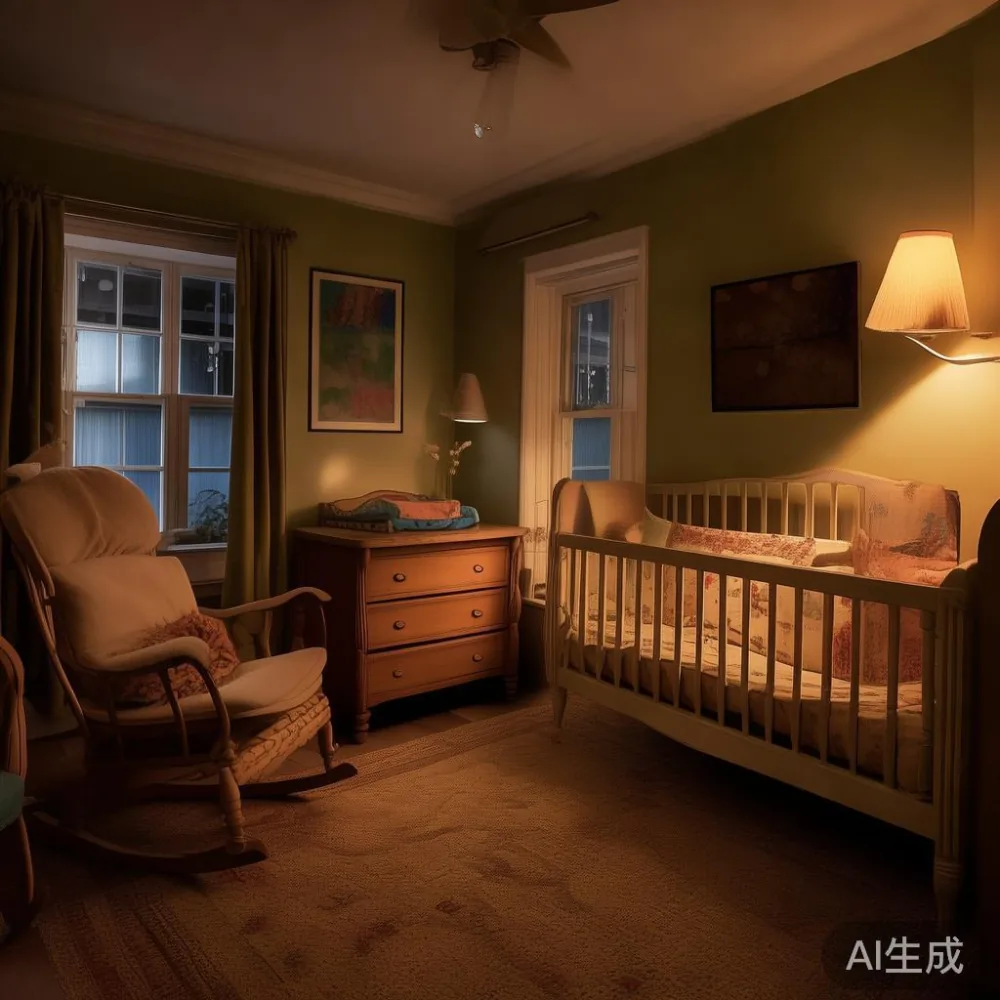
That matters even more when furnishing a nursery. A changing table, cot, child’s wardrobe, or solid wood bed frame may need to fit through an HDB flat’s lift, survive daily use, and be moved when a family changes home. Last month I visited a colleague in Tampines with a newly delivered nursery furniture set. One drawer runner had already shifted. The retailer said the product was covered, yet the family still needed to remove the runner, photograph the fix, and wait 9 days for a part. A written warranty would have made that process much clearer.
This guide explains how to read the terms using practical questions, measurements, and Singapore conditions in mind. It also explains why American light luxury and French light luxury can describe a visual style rather than a warranty standard, and why a solid wood sofa, dining table, wardrobe, nightstand, or marble table should never be judged by the word “premium” alone.

What does a 10-year furniture warranty actually cover?
A 10-year structural warranty usually addresses defects in the load-bearing frame or structure, not every visible change. Check whether it covers the frame, joints, drawer boxes, bed slats, supports, and the finish applied to those components. A finish warranty may have a shorter period, such as 1, 3, or 5 years, while moving parts, cushions, electrical parts, and commercial use may be excluded.
Look for the exact repair remedy. “Replacement” can mean a replacement component rather than a replacement item. “Repair” can mean a local carpenter tightens a joint rather than sends the whole bed frame back. “Store credit” is another outcome and should not be treated the same as a refund. Ask whether the company pays labour, transport, and installation, or only supplies the part.
MIDHILL states a 10-year structural warranty and a lifetime refinishing policy, but the document should define both. Lifetime can mean the period the item remains in service, not a lifetime of ownership by one family. Refinishing also needs boundaries: how many refinishes are included, which colours are available, whether veneer and marble surfaces are eligible, and whether pickup is free. Confirm these points in writing before ordering.
For a nursery furniture purchase, usage language matters. A cot intended for a baby is used differently from a guest bed. Check load limits, mattress sizes, slat spacing, and whether the product is approved for children’s use. A warranty written only for residential furniture may be less useful if the piece is used in a childcare setting or rented for events.
Does the warranty apply to solid wood, veneer, marble, and moving parts?
“Solid wood” is a material description, not a single construction standard. A solid wood sofa may combine a timber frame, foam, fabric, springs, and timber legs. The frame might be covered for 10 years while the springs are covered for 3 years and the fabric for 1 year. Ask for the complete component list.
Natural solid wood can move as humidity changes. Singapore’s high humidity, air-conditioning, and frequent condensation may cause small expansion, checking, or surface variation. These are not always structural defects. A responsible warranty should distinguish between a crack that compromises the joint and a minor finish change caused by normal environmental exposure.
Veneer needs different wording. Ask whether the warranty applies to the substrate, the edge banding, peeling veneer, or delamination caused by adhesive failure. Scratches, chipped edges, and water marks may sit outside the structural claim. Marble tables raise another issue: a crack can be structural, while a stain, dull polish, or damaged edge can be cosmetic. Confirm whether a marble tabletop replacement is offered after 5 years and who pays the freight and lifting charge.
For moving components, check what “moving parts” includes. On nursery furniture, this could cover drawer runners, wardrobe hinges, cot mechanisms, changing-table slides, and bed slat supports. One useful question is: “Does coverage include labour to dismantle and reinstall the affected component?” A 2-year mechanism warranty can still be helpful if labour is included.
What proof of purchase and reporting deadlines do I need?
Keep the order number, invoice, product photograph, delivery note, and warranty registration. Take dated photographs before use and again when a defect appears. Record the room, floor level, and approximate installation date. For a nursery, include a wide photograph showing the piece in place and a close image of the damaged joint or mechanism.
Check the claim deadline. A 10-year warranty with a “notify within 30 days of discovery” clause is different from a 10-year warranty with no stated reporting limit. Also check whether the item must remain in its original location. If a cot must be dismantled because the building lift is too small, ask how photographs should be taken and whether disassembly affects the claim.
Ask for an incident report number, an email acknowledgement within 2 business days, and a stated inspection period of 3 to 7 business days. For larger items, confirm whether the company collects the product, sends a technician, or asks the customer to arrange transport. If no response is received within 10 business days, the customer should know the next escalation step.
Compare that process with delivery promises. A claim process without realistic timelines leaves both sides guessing. Clear dates matter because a damaged nursery chest may need to be made safe before the child uses the room.
Will the replacement fit my HDB flat, condo, lift, and corridor?
A warranty replacement is only useful if it can enter the home. Measure the delivery route before accepting a large wardrobes replacement, dining table, bed frame, or nightstand. For a typical HDB lift, measure the lift door width and depth, the internal diagonal, the cabin height, and the turning space at the landing. Add at least 5 cm of clearance for packaging, or more if the item is delivered in a rigid carton.
Corridor widths and stair turns need the same attention. A 180 cm corridor can still be too narrow for a rectangular wardrobe that must pivot around a 90-degree corner. Record the narrowest doorway, handrail projection, ceiling height, and any sharp turns. Check whether the original delivery included assembly and removal of packaging.
For a Bedok or Punggol condo, ask whether the replacement can be delivered during building access hours, such as a 2-hour slot confirmed 24 hours ahead. Check loading-bay booking, elevator reservation, and whether the mover must provide a certificate of insurance. A replacement delivered to a loading bay is not the same as one carried to the nursery door.
Prices should also be clear. Include GST at 9% for consumer purchases shown in Singapore, and ask whether the warranty deposit, collection fee, or installation charge is refundable. A $120 replacement service fee can be more significant than the price of a new drawer runner.
Are exclusions for misuse, moisture, and assembly written clearly?
Most furniture warranties exclude damage from accidents, unauthorised modification, improper assembly, and use beyond the stated load. Read those clauses against the actual installation instructions. “Customer assembly required” can become disputed if the instructions are missing, the hardware is incomplete, or the instructions show a different joint from the delivered model.
Moisture exclusions need particular care in Singapore. A cot near an open window, a changing table beside a bathroom doorway, or a wardrobe next to a laundry area may encounter dampness. Ask whether the warranty covers peeling caused by moisture from an adjacent leak or only exposure to humidity within a stated range. A written maximum relative-humidity figure can be more useful than a vague reference to “normal indoor conditions.”
Children create ordinary conditions that adults may forget to report. Measure and record the child’s height and weight against the furniture’s load rating. A changing table rated to 15 kg, for example, is different from one rated to 30 kg. Bumping, climbing, and rocking can stress a piece beyond ordinary use, but a product marketed for children should state the intended age range and usage limits.
Ask whether insect damage, chewing, and cleaning with an unsuitable chemical count as misuse. Check whether silicone spray, solvent, or abrasive pads are prohibited on the finish. That is not just a warranty issue: the care instructions also affect the product’s appearance and lifespan.
How do I compare “lifetime” claims with realistic replacement support?
Look for a named company behind the promise, a Singapore contact method, and a document that can be downloaded or saved. A warranty should identify the legal entity, the covered product range, the purchase channel, the claim territory, and the address for service. Check whether an authorised dealer has its own terms that replace the maker’s policy.
“Lifetime refinishing” can be valuable if the refinishing scope is substantial. Ask whether it restores scratches, water marks, fading, or only manufacturing defects. Check the number of refinishing services per item and whether there is a fee. A service valued at $600 could include disassembly, sanding, 3 coats of finish, and reinstallation, while a low-cost touch-up may address only 1 small scratch.
For comparison, one European light luxury bed vs Mid-century modern bed may share the same 10-year frame term even though the profiles and finish choices differ. Likewise, a MIDHILL light luxury sofa may have a solid wood frame covered for 10 years while its cushions and textile have separate terms. Compare the component, not the style label.
Check that free shipping over US$350 can be used directly for a Singapore order and confirm how it converts to SGD. International thresholds do not automatically reveal the local delivery fee or GST treatment. The order confirmation should state the final payable amount in SGD, expected delivery in days, and any lift or access surcharge.
What should I ask before ordering nursery furniture?
Ask these 8 questions and save the answers:
1. Is the 10-year term for all parts or only the structural frame?
2. Which surfaces and mechanisms have different terms?
3. What remedy applies: repair, replacement, refund, or credit?
4. Are collection, labour, GST, and installation included?
5. What evidence and photos are required?
6. How many days does inspection and resolution take?
7. Does the replacement item come with a fresh warranty?
8. Can the item pass the measured lift and corridor route?
These questions are useful across several products. They help someone comparing top 10 Scandinavian furniture lists, since the visual shortlist often omits service terms. They also matter when researching how to choose French wardrobe, because hinge coverage, finish restoration, and interior fittings can be more important than the door profile.
Style references should support, not replace, the warranty review. A French light luxury design may use tapered legs, soft upholstery, and a calm palette. Post-modern light luxury may combine clean lines with warmer materials. The frame, joints, drawers, and finishes still need separate terms.
The same approach works for a marble table, solid wood sofa, dining table, nightstand, and bed frame. If the product page shows a refined European silhouette but the warranty document says “frame only,” the customer should price the risk accordingly. For apartment placement, a practical guide to how to style European bed in apartment or how to style European light luxury sofa in bedroom helps with visual proportions, but only the written policy protects the purchase.
How do returns, delivery, and the warranty work together?
A 14-day return policy and a 10-year structural warranty answer different questions. Returns usually cover a change of mind, whereas the warranty handles defects after use. Read the return condition for assembled furniture. Some retailers deduct collection, restocking, assembly, or damage fees. A returned nursery wardrobe may need to be disassembled before it can pass through the lift.
Confirm the delivery window in days, the time of the delivery call, and the maximum number of attempts. A stated 7-to-14-day delivery period for Singapore can be reasonable for stocked items, while made-to-order nursery furniture may take 6 to 10 weeks. The quote should distinguish production time from courier transit.
Check what happens if an item is visibly damaged on arrival. Photograph the carton, record the time, and note any refusal instructions. Do not let a driver sign “no damage” without checking. After delivery, assemble according to the guide, retain all hardware in a labelled bag, and complete the warranty registration within 7 days if requested.
MIDHILL’s 14-day returns, free-shipping threshold, structural warranty, and lifetime refinishing policy can give a Singapore buyer several practical protections. Their usefulness still depends on the fine print, local delivery charges, and the route through the HDB lift. The strongest purchase is not the one with the longest headline; it is the one whose coverage, deadlines, remedy, and delivery access are written in terms a parent can use at 8:30 on a Tuesday morning.