Humidity and Solid Wood Furniture in Singapore: A Practical Guide for Nursery Furniture
As a specialist in solid wood furniture with a decade of experience, I've seen firsthand how the unique climate of Southeast Asia, particularly in Singapore, interacts with our craft. The high humidity, often hovering between 70% and 90%, is a constant companion for Singaporeans living in HDB flats and condos from Tampines to Punggol. This environment presents a fascinating set of challenges and opportunities for furniture made from natural materials. For parents investing in nursery furniture, understanding this relationship is key to ensuring their child's room remains a beautiful and safe haven for years to come.
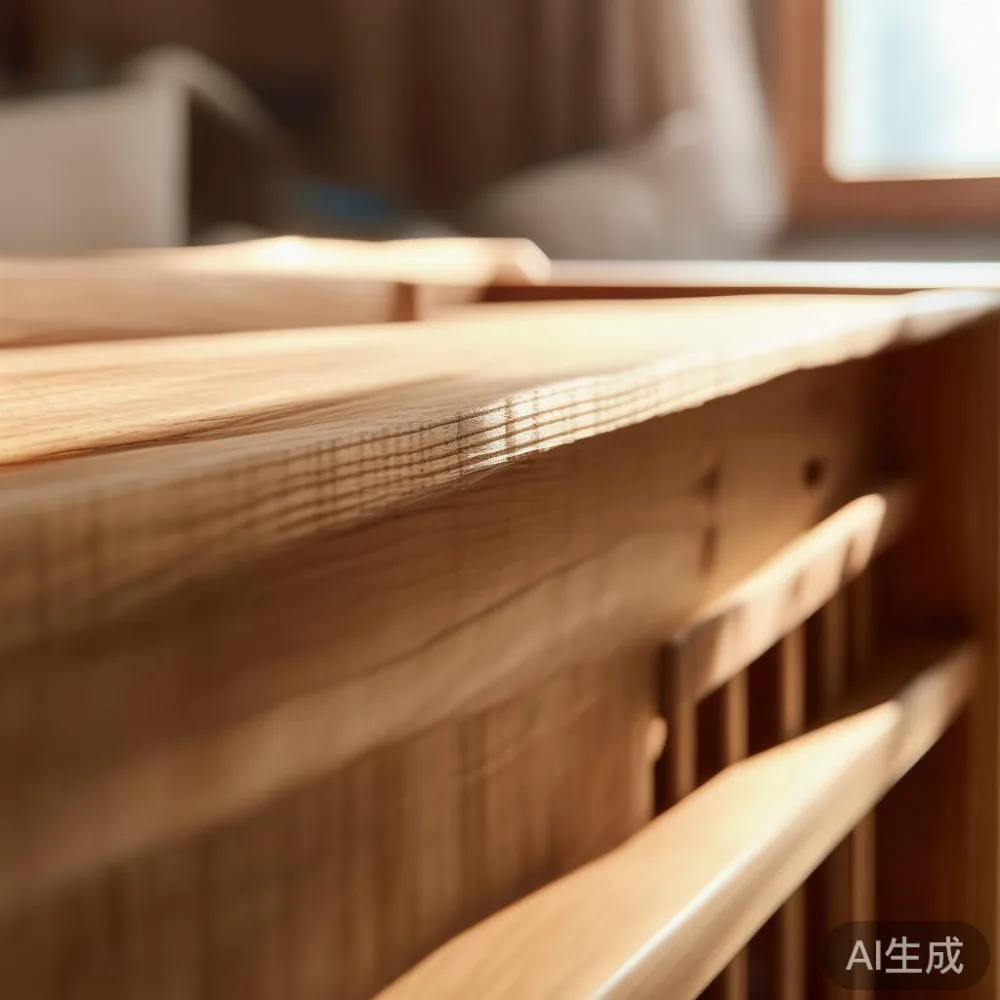
How Does Singapore's Humidity Actually Affect Your Solid Wood Furniture?
Wood is a hygroscopic material, which is a scientific way of saying it absorbs and releases moisture from the air. In Singapore's climate, this means wood is constantly absorbing water vapour. This process causes the wood fibres to expand. Conversely, during a rare dry spell or when the air-conditioning is running constantly, the wood will release moisture and contract. This natural cycle of expansion and contraction is the fundamental reason why humidity affects wood furniture.
For a solid wood wardrobe or a solid wood bed frame, this movement is most noticeable at the joints. You might see tiny gaps appear between panels during a dry period, which then close up when the humidity rises. In a nursery, this is less of a structural concern and more of an aesthetic one. For a solid wood sofa or dining table, the expansion can sometimes cause drawers in a nightstand to fit more snugly, or even become difficult to open if the humidity spikes suddenly. The key is not to fight this natural process, but to manage it with the right materials and construction.
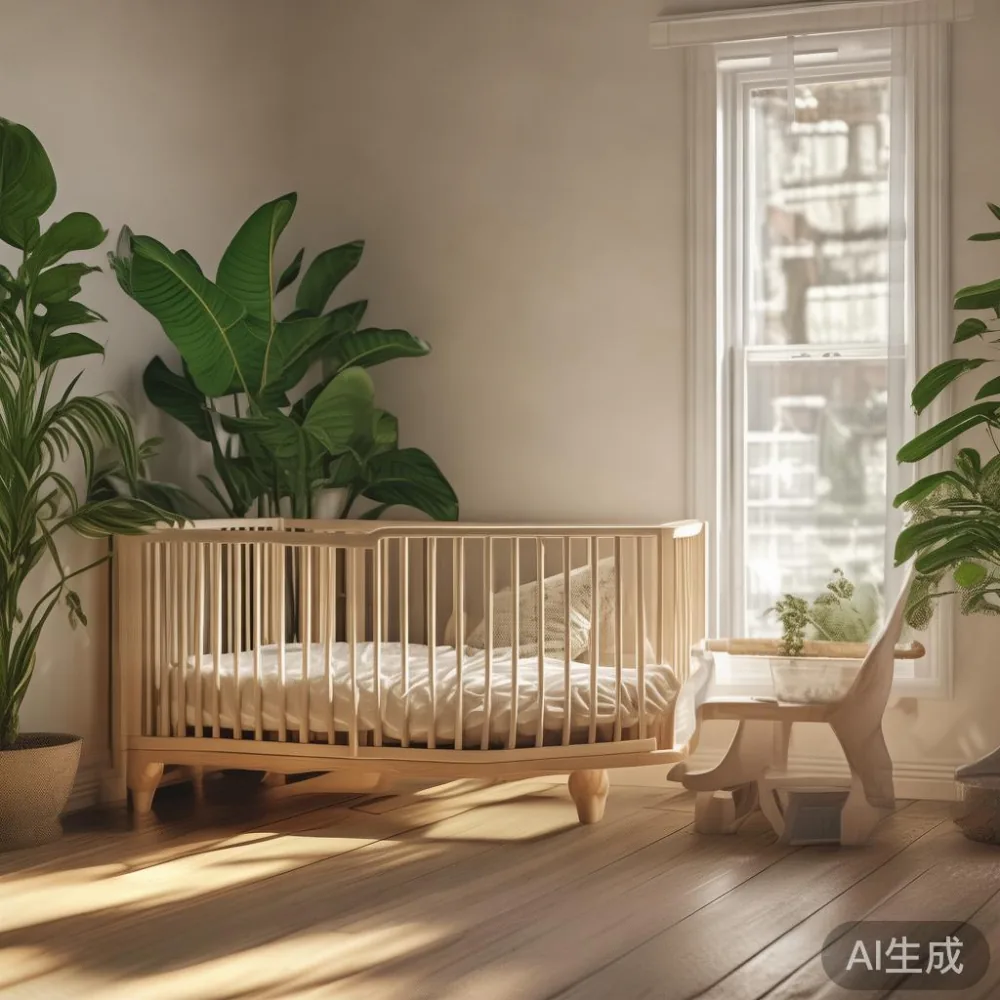
Is All Wood Furniture Equipped to Handle Singapore's Humidity?
The simple answer is no. The quality and type of wood, combined with the construction technique, determine how well a piece of furniture will withstand our climate. Mass-produced furniture, often made with engineered wood like MDF (Medium-Density Fibreboard) or particleboard, is particularly vulnerable. These materials are in effect wood particles glued together under pressure. When they absorb moisture, the glue can weaken, causing the boards to swell, warp, and eventually lose their structural integrity. A cheap wardrobe made from MDF can become unusable in a humid Singaporean nursery within a year or two.
At MIDHILL, we focus on solid wood furniture, which behaves much more predictably. Hardwoods like oak, walnut, and teak are denser and have a more stable cellular structure, making them more resistant to the extreme humidity swings. The construction method is equally important. A well-made piece uses techniques like mortise and tenon joints or dowels, which allow for the natural movement of the wood without compromising the frame's integrity. This is why a solid wood dining table from a reputable maker will last for decades, while a cheaper alternative might falter.
What Are the Common Signs of Humidity Damage in Nursery Furniture?
Recognising the early signs of humidity stress can help you address the issue before it becomes a major problem. For nursery furniture, these signs are often subtle but important to notice. The most common indicators include:
- Sticking Drawers and Doors: If a drawer in your nursery nightstand or a door on your wardrobe starts to stick, it's often a sign that the wood panels have expanded due to humidity. While frustrating, this is usually a normal part of the wood's life cycle.
- Visible Gaps and Cracks: The opposite can also happen. You might notice small, hairline cracks appearing on the surface of a solid wood bed frame or on the panels of a wardrobe. This occurs when the wood contracts during a drier period.
- Warped Surfaces: A solid wood dining table top or the top of a chest of drawers might begin to warp, developing a slight curve or cup. This happens when one side of the wood absorbs more moisture than the other.
- Discolouration or Mold: In extreme cases, persistent high humidity in a poorly ventilated room can lead to mould or mildew on the wood surface, especially on the back of a piece of furniture or in corners.
My colleague visited a client's apartment in Bedok last month to inspect a custom nursery furniture set. He found that the solid wood crib had developed a slight warp on one of its slats. The issue wasn't a flaw in the wood itself, but the client had placed a humidifier directly next to the crib, creating a microclimate of extreme moisture right against the furniture. This is a perfect example of how external factors can accelerate the natural effects of humidity.
How Can You Protect Your Solid Wood Nursery Furniture?
Protecting your investment in nursery furniture is about creating a stable environment and performing simple, regular maintenance. The goal is to minimise rapid, extreme fluctuations in humidity rather than trying to eliminate moisture entirely, which is impossible in Singapore.
First, ensure your nursery has good air circulation. Use a dehumidifier or air conditioner to maintain a humidity level between 50% and 60%, which is ideal for both the baby and the wood. Position furniture away from direct sources of moisture, such as windows that are frequently opened during a rainstorm or air-conditioning units that drip. Placing coasters under the legs of a solid wood sofa or dining table can also protect the wood finish from condensation. For your nursery furniture, this means keeping the crib and changing table away from any external walls that might feel damp during a downpour.
Regular care is just as important. Dust your furniture with a soft, dry cloth every week to remove any abrasive particles. For a deeper clean, use a slightly damp cloth followed immediately by a dry one. Never let water sit on the surface. Applying a high-quality furniture wax or oil every 6 to 12 months creates a protective barrier that helps the wood retain its moisture more evenly. A simple wipe-down with this product can make a huge difference in preserving the finish of your solid wood bed frame or nightstand.
Why Should You Invest in High-Quality Solid Wood for Your Nursery?
For furnishing a nursery, the choice of material has implications for safety, durability, and aesthetics. High-quality solid wood furniture, while requiring a bit more care, offers unparalleled benefits that make it a superior long-term investment.
From a safety perspective, solid wood is non-toxic and free from the formaldehyde and other volatile organic compounds (VOCs) often found in cheaper, engineered wood products. This is important for a nursery, where a baby will spend a significant amount of time. Durability is another key factor. A well-constructed solid wood wardrobe or crib can be passed down to younger siblings or even future generations. It's an investment that grows in sentimental value. In terms of aesthetics, the natural grain and character of solid wood cannot be replicated. It creates a warm, timeless, and calming environment that is perfect for a baby's room.
Understanding the relationship between humidity and wood also allows you to appreciate the craftsmanship. A piece like a solid wood sofa or a marble table top designed for a Singaporean home is built with this climate in mind. The joinery, the choice of wood, and the finishing process are all tailored to ensure the furniture remains stable and beautiful despite the challenges of our environment. This thoughtful approach is what distinguishes a truly well-made piece of furniture.
What Kind of Wood Finishes Work Best in Humid Climates Like Singapore?
The finish on your furniture is its first line of defence against humidity. A good finish seals the wood pores, slowing down the rate at which moisture can enter and exit the wood. For Singapore's climate, certain types of finishes perform better than others.
Oil-based finishes, such as tung oil or Danish oil, penetrate deep into the wood grain. They provide excellent protection while allowing the wood to breathe, which is ideal for handling our humidity fluctuations. These finishes are also relatively easy to repair and maintain, which is a practical advantage for busy parents. Varnishes and lacquers, which form a harder, more film-like layer on the surface, also offer excellent protection. They create a durable barrier that is highly resistant to moisture and scratches, making them a great choice for high-traffic areas like the space around a nursery changing table.
When selecting nursery furniture, it's worth asking the manufacturer about the type of finish used. A reputable brand will use a high-quality, multi-layered finish that has been specifically tested for durability in humid conditions. This attention to detail ensures that the beautiful finish on your solid wood bed frame or nightstand will not only look stunning but will also protect the wood for the life of the product.
How Does Furniture Delivery and Assembly Work in Singapore's High-Rise Apartments?
Purchasing furniture is one thing; getting it into your HDB flat or condo is another. The logistics of furniture delivery in Singapore are unique due to our high-density living. Most new apartments have standard lift sizes, typically measuring around 110cm wide by 140cm deep. Corridors are often narrow, usually about 120cm wide. This means that large items like a solid wood dining table or a wardrobe need to be carefully planned for delivery.
Reputable furniture companies understand these constraints. They will often use smaller service lifts or disassemble items for easier transport. For example, a wardrobe might be delivered in two parts to fit through the lift, and then assembled inside your home. When you place an order over SGD 350 with a company like MIDHILL, you get free shipping, which includes handling these logistical challenges. The delivery team will coordinate with you to ensure the furniture arrives on time and is brought into your home with minimal fuss. For a nursery furniture set, this means the crib, changing table, and chest of drawers can all be delivered and assembled professionally, saving you the stress of handling bulky items yourself.