The Humidity Factor: Protecting Your Solid Wood Nursery Furniture in Singapore's Climate
As a parent in Singapore, creating a perfect nursery is a priority. You've spent weeks choosing the perfect colour palette, the softest linens, and the most comfortable chair for late-night feedings. But have you considered the silent, invisible force that can affect your new furniture? Humidity, a constant companion in our tropical climate, plays a significant role in the longevity and appearance of solid wood pieces, especially delicate nursery furniture. Understanding this relationship is key to ensuring your investment remains beautiful and functional for years to come.
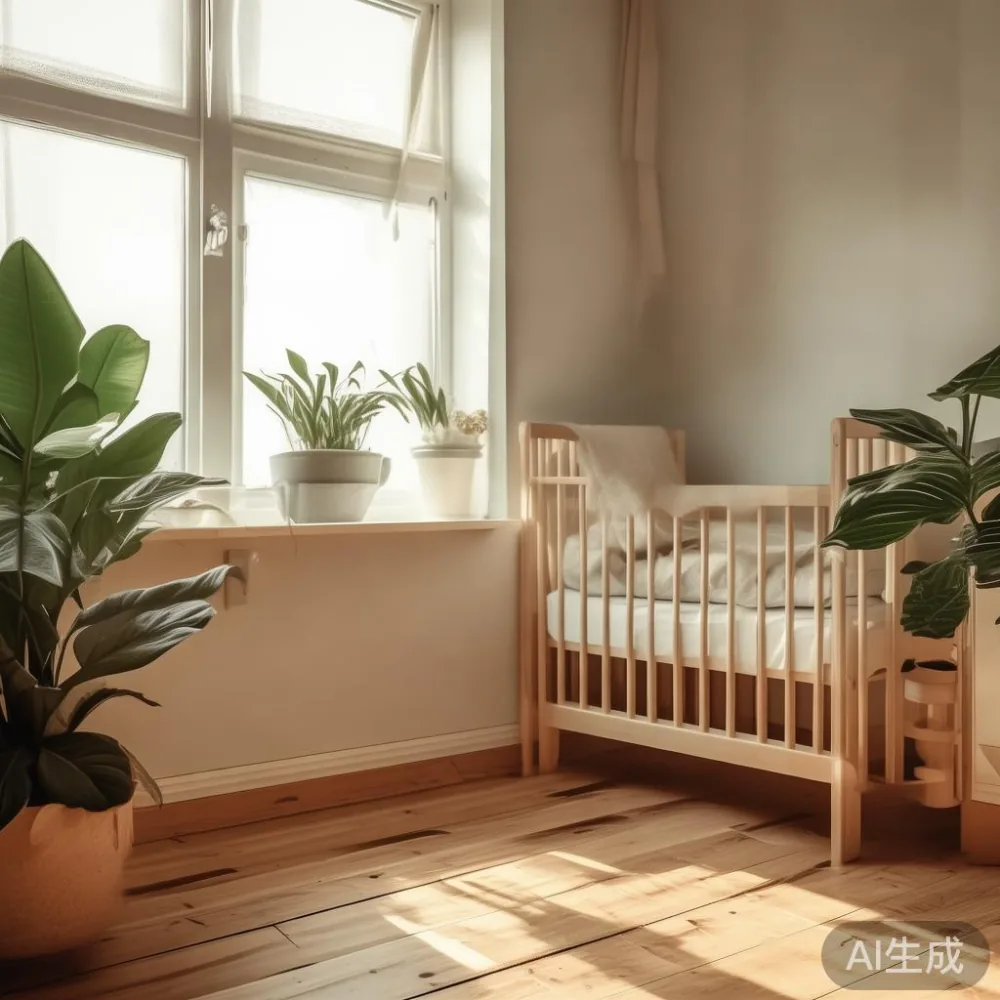
Why Does Humidity Affect Solid Wood Furniture So Much?
Solid wood is a natural, hygroscopic material, which means it absorbs and releases moisture from the air. Think of it like a living organism that breathes. In Singapore, where relative humidity often hovers between 70% and 90%, wood constantly absorbs moisture. This causes its fibres to swell. Conversely, on drier days, or in air-conditioned rooms, the wood releases moisture and contracts. This natural cycle of expansion and contraction is completely normal. The challenge arises when the changes are too rapid or extreme, leading to problems like warping, cracking, or joints loosening.
Consider a solid wood crib or a changing table. These are substantial pieces of nursery furniture. A sudden shift in humidity can cause the wood panels to expand at different rates. This uneven stress can lead to panels bowing or the frame of the crib becoming misaligned. For a piece like a wardrobe, which has large, flat doors, this expansion can cause the doors to stick or not close properly. The goal isn't to stop this natural process, but to manage it so the furniture can adapt gracefully to the environment without damage.
How Singapore's Unique Housing Impacts Your Furniture
The way we live in Singapore directly influences the microclimate around our furniture. HDB flats and condominiums, common in areas like Tampines, Bedok, and Punggol, present specific conditions. Many homes rely on air-conditioning, which creates a significant humidity differential between the cool, dry indoors and the warm, humid outdoors. This constant shift is a major stress test for wood.
Take a typical 4-room HDB flat. The master bedroom, often where the nursery is located, might be kept at 22°C with 50% humidity by the air-conditioner. During the day, when windows are open for ventilation, the humidity can spike to 80%. This daily swing can be more damaging than a consistently high humidity level. Also, the placement of furniture matters. A nightstand placed directly against an exterior wall, which can feel damp from rain, will experience more moisture than one in the centre of a room.
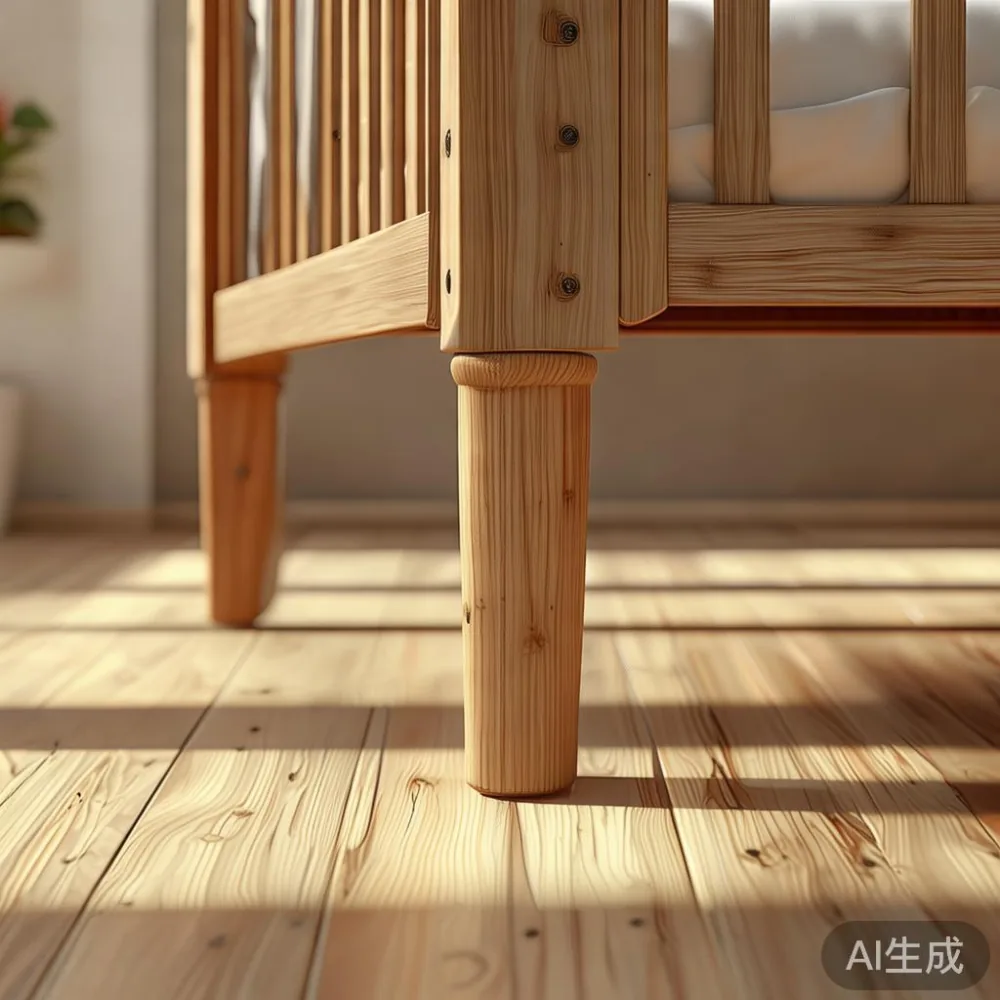
My colleague, Sarah, who lives in a Punggol condominium, recently shared her experience. She bought a beautiful solid wood bed frame last month. For the first week, she kept the windows open to let the sea breeze in. The wood felt slightly damp to the touch. After switching to air-conditioning full-time, she noticed the wood became much drier and the grain felt more pronounced. While this is a normal response, it highlighted for her how sensitive her new furniture was to these environmental changes.
Protecting Your Investment: Practical Care Tips for Humid Climates
Protecting your nursery furniture doesn't require complex equipment, just a few mindful habits. The first and most important step is consistent humidity control. Using a dehumidifier in the nursery, especially during the wetter months from November to January, can help maintain a more stable level, ideally between 45% and 60%. This reduces the extreme swings that cause the most stress.
Placement is another critical factor. Avoid placing solid wood nursery furniture directly against external walls or in areas where condensation can build up, such as next to a frequently opened window or bathroom door. Ensure there is at least 10-15 cm of space between the back of a wardrobe or bookshelf and the wall to allow for air circulation. This prevents moisture from getting trapped against the wood.
Regular care is also key. Dust your furniture with a soft, dry cloth once a week. This removes any abrasive particles that could scratch the wood. Every 3-4 months, apply a high-quality furniture wax or polish. This creates a protective barrier that helps seal the wood's surface, slowing down its rate of moisture absorption. For a nursery, choose a non-toxic, baby-safe polish. A small 250ml bottle of quality wood polish costs around SGD 45 and can last for over a year with regular use.
How to Spot Early Signs of Humidity Damage
Being proactive can save your furniture from irreversible damage. Regularly inspect your pieces for tell-tale signs. Small, hairline cracks on the surface or ends of panels are often the first indicators. These are usually cosmetic but can deepen over time. More concerning are sticking doors or drawers; this is a clear sign that the wood has swollen.
Look for gaps between panels that have closed up, or conversely, gaps that have appeared where panels have contracted. A wobbly chair or a crib that feels slightly off-kilter can also be a sign of joint movement due to humidity changes. If you notice any of these issues, it's important to address them promptly. A simple adjustment in the room's humidity or the furniture's placement might be all that's needed to prevent further problems.
Is Solid Wood the Right Choice for a Humid Nursery?
Given the challenges, you might wonder if solid wood is the right material for your nursery furniture. The answer is a resounding yes, provided you choose the right type of wood and care for it properly. Not all woods react the same way to humidity. Hardwoods like oak, maple, and walnut are denser and more stable than softer woods like pine or rubberwood. They are less prone to warping and can better withstand the humidity cycles.
When selecting a nursery furniture set, look for pieces made from kiln-dried hardwood. Kiln-drying is a process that removes excess moisture from the wood in a controlled environment, making it more stable for indoor use. A well-constructed piece will also use techniques like mortise and tenon joints, which are mechanically stronger and more resistant to movement than simple glued or nailed joints. For a light luxury aesthetic, a French provincial style crib with its elegant curves and soft finish can be a stunning choice, offering a timeless look that complements a variety of nursery decors.
Ultimately, the natural beauty, durability, and non-toxic nature of solid wood make it an excellent choice for a baby's room. It's an investment in quality and safety that, with proper care, will last through your child's early years and beyond. The key is to understand the material and work with the environment, not against it.
What is the Best Type of Wood for Singapore's Humidity?
While many woods can work, some are better suited to Singapore's specific climate than others. Teak is often lauded for its natural resistance to moisture due to its high oil content, making it an excellent choice for outdoor furniture as well. For indoor nursery furniture, however, its rich, dark colour might not fit every aesthetic. Mango wood is another fantastic option. It's a hardwood known for its beautiful grain patterns and good stability. It's also a more sustainable choice, as it's often sourced from old mango trees that no longer bear fruit.
Rubberwood, while a softer wood, is a popular and economical choice. When properly kiln-dried and finished, it performs well in indoor environments. It has a light, neutral colour that works well in modern nurseries. For those seeking a light luxury feel, an American light aesthetic might favour clean lines and lighter woods like maple or ash, which are stable and have a bright, airy appearance that can make a small nursery feel more spacious.
When you're shopping, don't just look at the style. Ask the retailer about the wood type and the drying process. A reputable manufacturer will be transparent about this. For example, a nursery furniture set made from sustainably sourced mango wood with a child-safe, low-VOC finish offers both peace of mind and durability. The price for a complete nursery set, including a crib, changer, and nightstand, can range from SGD 2,500 to SGD 5,000, depending on the wood and craftsmanship.
MIDHILL's Approach to Humidity-Resistant Furniture
At MIDHILL, we have been crafting solid wood furniture since 2008, exporting to over 15 countries. Our experience has taught us that durability is paramount, especially in diverse climates like Southeast Asia. Our process begins with selecting high-quality, kiln-dried hardwoods. This initial step ensures our raw materials have a stable moisture content before they are ever crafted into a piece of furniture.
We employ advanced joinery techniques, such as dowel and cam-lock systems, which create strong, flexible connections. These joints are designed to allow for the natural expansion and contraction of the wood without compromising the structural integrity of the piece. This means a crib from our collection will remain sturdy and secure for its entire 10-year structural warranty period, regardless of the humidity fluctuations in your Tampines apartment or Bedok condo.
Our commitment extends beyond the workshop. We understand that the journey to your home is just as important. That's why we offer free shipping for orders over SGD 350 and a 14-day return policy, allowing you to experience our quality firsthand. For our customers in Singapore, we also factor in local considerations like GST and the standard lift and corridor widths in HDB blocks to ensure a smooth delivery process. We believe that beautiful, long-lasting furniture should be accessible and worry-free, which is why we offer a lifetime refinishing service, so your nursery furniture can always be restored to its original glory.