Adapting Wood Furniture to Southeast Asia's Humidity
Singapore’s warm, humid climate can change solid wood furniture faster than many buyers expect. In a compact HDB flat or condo, nursery furniture must cope with frequent mugginess, air-conditioning swings, narrow lift corridors, and daily handling. At MIDHILL, we design solid wood pieces for real family spaces, from a 120 cm nursery bed frame to a 45 cm nightstand that needs to fit beside a changing table. Understanding how moisture moves through timber helps a family choose furniture that remains stable, handsome, and practical for years.
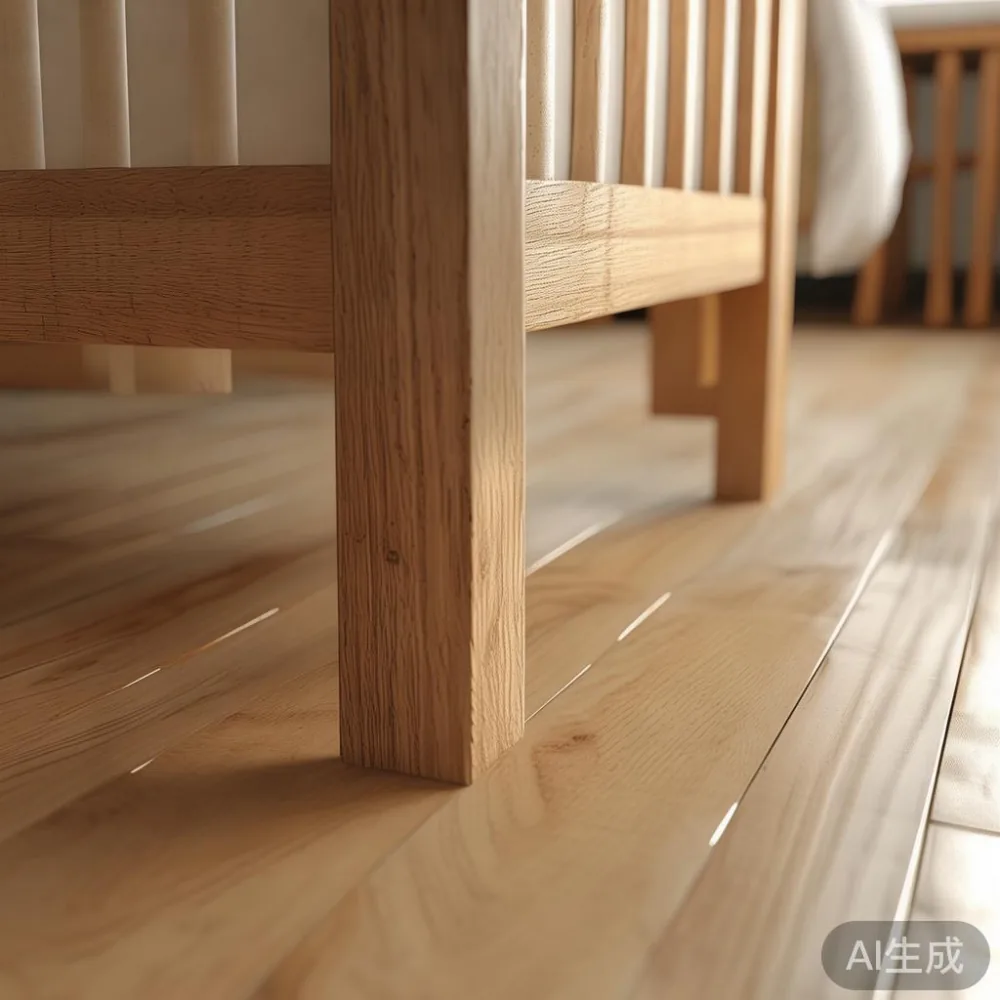
This guide explains the effects of humidity on nursery furniture in Tampines, Bedok, Punggol, and other Singapore districts. It covers solid wood construction, finishes, placement, cleaning, delivery, and the small measurements that make a large difference in local homes.
Why does humidity make solid wood furniture swell, shrink, or warp?
Wood is hygroscopic: it naturally absorbs and releases moisture according to the surrounding air. Singapore’s relative humidity commonly ranges from roughly 65% to 85%, especially during wet periods, while an air-conditioned bedroom may fall below 55% for several hours each day. Repeated changes of this scale can stress joints, drawer boxes, door panels, and veneer-adjacent surfaces.
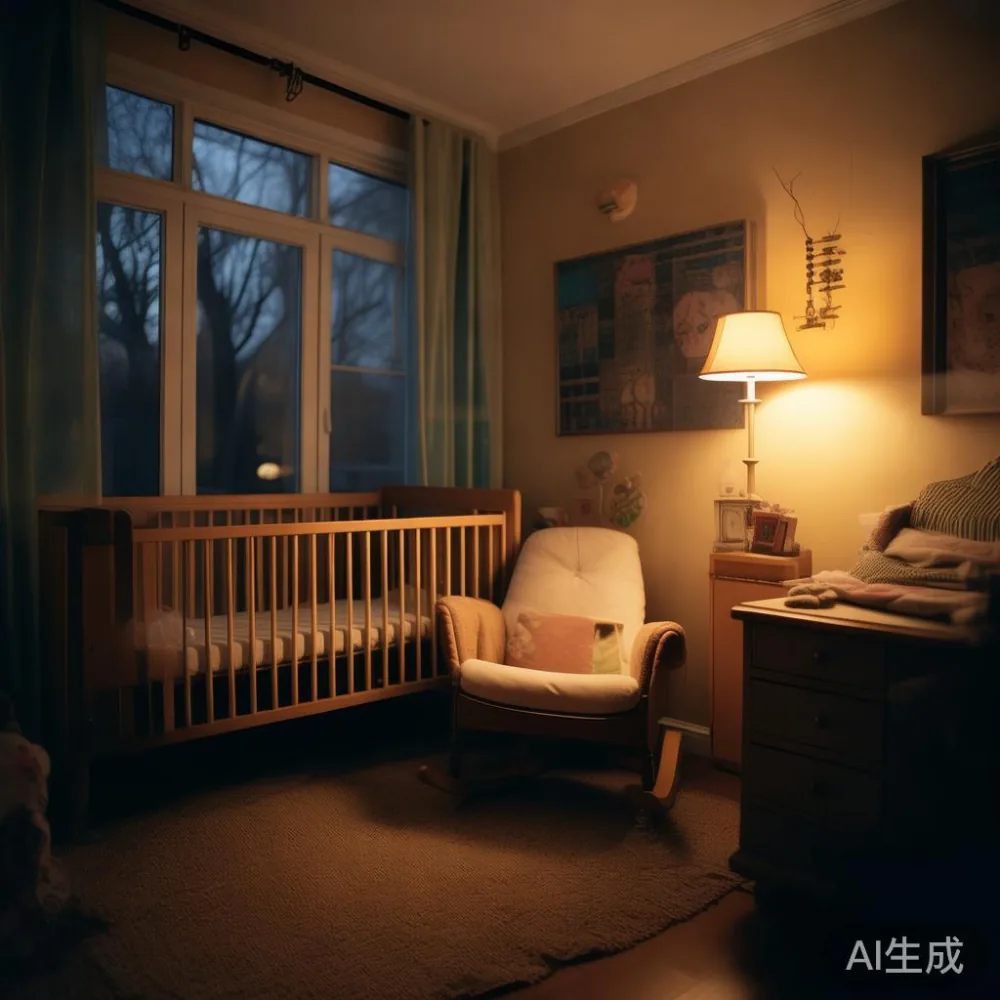
The movement is measurable. A 100 cm solid oak board can change dimension by approximately 1% when its moisture content moves substantially, creating about 1 cm of expansion or contraction. A wardrobe door measuring 45 cm by 120 cm can become difficult to align if its frame or panel moves unevenly. A dining table may develop small gaps along a mitred joint or a slightly uneven surface. Cracks, cupped panels, sticky doors, and squeaking drawers are possible warning signs, although good construction reduces the risk.
Humidity alone rarely ruins sound timber. Problems are more often connected to poor drying, unsealed end grain, thin panels, excessive direct sunlight, or a piece placed against an exterior wall. Nursery furniture deserves particular attention because children’s rooms can become damp after baths, spills, and wet nappies, and because low, heavy furniture can trap moisture against floor tiles.
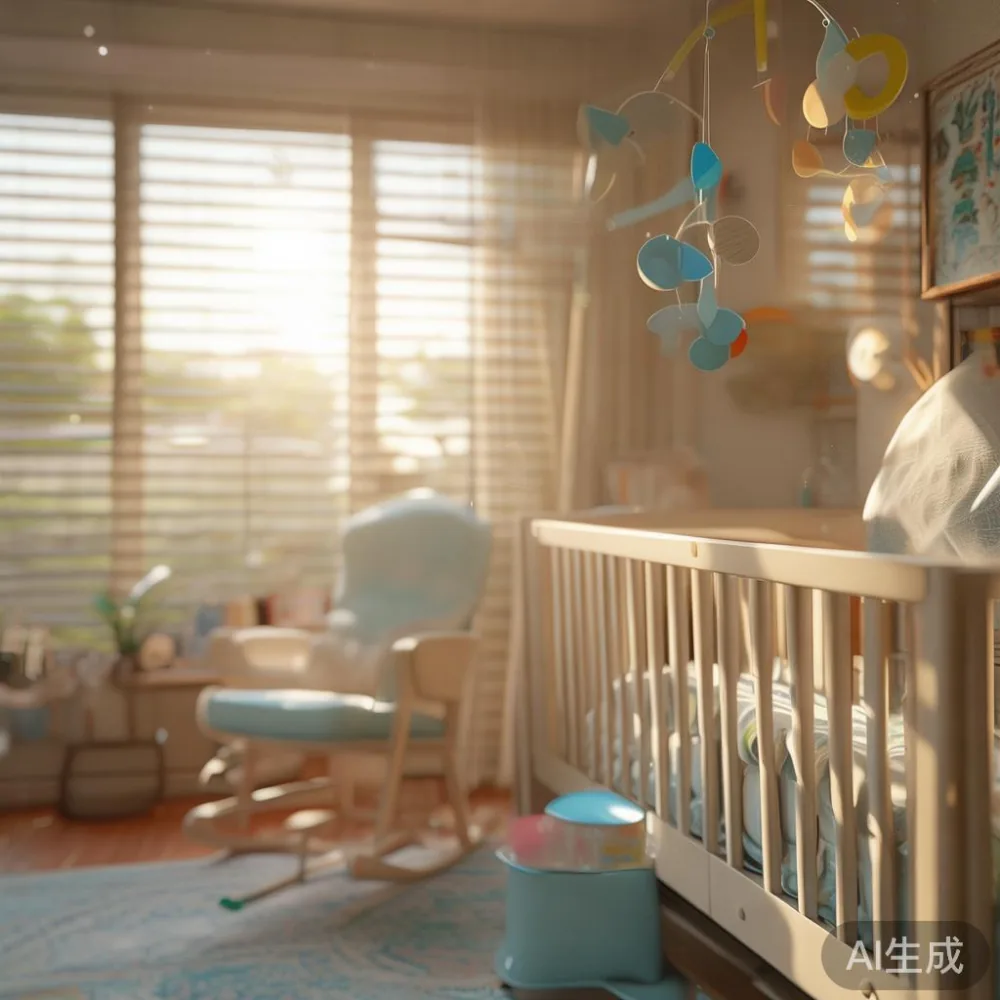
Which solid wood is more suitable for Singapore’s humidity?
For nursery furniture, stable hardwoods with tight, consistent grain are usually easier to manage than very soft, highly reactive species. Teak performs well because it contains natural oils and has a reputation for dimensional stability. Ash, beech, maple, and American walnut can also work when the maker controls drying, joinery, and sealing. White oak offers a strong option for heavier pieces, while rubberwood and other locally common hardwoods can provide practical value with careful finishing.
Species is only one part of the specification. Look for kiln-dried timber with a moisture content near 8% to 12% for air-conditioned interiors. For furniture likely to encounter greater moisture variation, a documented manufacturing process and a sound protective finish matter more than a fashionable label.
Solid wood sofa frames, bed frames, dining tables, wardrobes, and nightstands each require different construction. A solid wood sofa benefits from stable rails and well-seasoned joints. A bed frame must resist movement at the head and foot ends. A dining table needs a flat top and controlled movement across its width. A wardrobe requires aligned doors and durable runners, while a nightstand must tolerate small spills around a changing table.
MIDHILL uses solid wood construction where the product calls for it and practical joinery designed for repeated household use. Its 10-year structural warranty gives buyers a clear point of reference, while lifetime refinishing provides a route to restore the surface rather than replace the whole piece. The finish still needs sensible care; a warranty is not a reason to leave a nightstand permanently beside a damp window.
What should buyers inspect before accepting nursery furniture delivery?
Measure the route before the furniture leaves the workshop. Singapore lifts in many HDB blocks have internal widths of about 90 cm to 110 cm, while corridor turns can be tighter than a trolley’s diagonal footprint. A crib or child’s bed that looks manageable in a showroom may not clear the lift door once its carton and protective packaging are included.
Record the lift door width, corridor width, staircase dimensions, turning radius, and the final doorway. For example, a 140 cm long nursery cot may need to be brought in vertically. A 60 cm wide changing cabinet can pass through a 70 cm doorway, but its packaging may add 4 cm to 6 cm on each side. Confirm the packaged dimensions rather than relying on the assembled dimensions alone.
At delivery, inspect all visible surfaces under daylight and under the building’s warmer lighting. Check that doors open evenly, drawers run without force, bed joints sit tight, and table tops are flat. On a marble table, inspect the stone corners, support brackets, and underside for chips. On a solid wood sofa, inspect the frame, feet, and suspension points before covers hide them.
Singapore buyers should also confirm the GST-inclusive price. A nursery bed frame priced at SGD 1,290, for example, becomes SGD 1,388.70 after 7.8% GST. MIDHILL offers delivery over US$350, with delivery to Singapore generally requiring 7 to 14 business days after production. An address surcharge or remote-area fee should be disclosed before dispatch. Keep the order number, finish details, and care instructions for future claims.
Can a wardrobe or changing cabinet fit into a compact HDB nursery?
It can, but planning begins with the room rather than the catalogue photograph. A typical child’s room in an HDB flat might offer only 2.4 m by 3 m, with a door swing of 70 cm to 85 cm and a usable wall run interrupted by sockets, vents, and windows. A wardrobe should leave a 60 cm aisle where the door opens, or use sliding panels if the room is narrower.
When comparing how to choose light luxury wardrobe options, begin with usable depth. Most adult wardrobes are 55 cm to 60 cm deep; a compact nursery version may be 45 cm to 50 cm deep. A 90 cm-wide unit can hold folded clothes, nappies, and hanging garments, but hanging space may be limited. A 120 cm unit offers more flexibility, yet it may dominate a 2.4 m wall and interfere with cot placement.
French provincial styling can suit nursery furniture through curved details, soft cream tones, and restrained profiles. French provincial for office design often uses similarly refined proportions, but a child’s cabinet needs safer corners, durable hardware, and lockable storage. In a Singapore room, French provincial inspiration works best when it is translated into practical dimensions rather than ornate decoration.
For light-luxury character without visual clutter, pair one sculptural piece with simple walls and pale textiles. American light luxury favours clean lines, warm woods, and tactile upholstery. Post-modern light luxury can add gentle asymmetry or sculptural forms while preserving practical storage. In all three approaches, the finish should be calm enough for a nursery and solid enough for fingerprints, scuffs, and toy collisions.
How should a nursery bed frame be protected from damp floors?
Keep timber at least 10 cm from tiled floors and 20 cm from an external wall where possible. Use a moisture-reading meter to check the room instead of guessing from a weather forecast. Aim for approximately 40% to 65% relative humidity inside the child’s room. Air-conditioning can help during humid afternoons, but avoid a direct cold airflow onto the bed frame.
Place the cot or bed away from a bathroom door and shower splash zone. If a nightstand sits beside a changing table, allow 5 cm of airflow behind it and wipe spills promptly. A 45 cm-wide nightstand with a 40 cm top is useful for a bottle, lamp, and folded muslin, yet it should not touch a skirting board or exterior wall.
Use a damp cloth with mild soap, not a soaking wet pad. Dry the surface immediately with a clean cotton cloth. Avoid silicone-based polish on unfinished or oiled wood because it can build up, attract dust, and complicate future refinishing. Re-oil oiled surfaces only as needed, often every 12 to 18 months depending on use and exposure.
For families considering a larger statement piece, the MIDHILL French provincial bed demonstrates how decorative shaping can be adapted to a bedroom setting. Check that decorative rails and posts leave no sharp projections and that the frame fits the mattress pocket securely. A French provincial bed may suit a master bedroom more readily than a small nursery, so its dimensions should be checked against the cot or child’s bed before ordering.
Does Singapore’s humidity affect dining tables and marble tops?
Yes, although a well-built dining table can remain stable if it is kept away from standing water. Wipe a marble table after spills rather than allowing water to sit along an edge. Marble is not sensitive to humidity in the way timber is, but its support frame, brackets, and fixing points still require protection. Do not lift a heavy stone top by its edge; remove detachable sections only if the manufacturer permits it.
For dining tables, place protective pads under warm dishes and hot pots. A dining table near an open kitchen or balcony can collect grease and airborne moisture, so wipe it weekly. Solid wood dining tables should not be positioned where an air-conditioning vent or fan blows directly across the grain. The same room in a Tampines condo may feel very different from a Bedok HDB flat because of solar gain, window orientation, and the level of air-conditioning use.
Room styling can make a practical table feel more considered. Japanese for dining room styling often centres on low visual clutter, balanced spacing, and natural materials, although a nursery-adjacent dining area still needs safe clearance around high chairs. A table 140 cm by 80 cm can seat 4 to 6 adults but may reduce circulation in a compact flat. A 120 cm round table can ease movement near a play area and allow more flexible seating.
For larger furniture inspiration, a curated top 10 Mid-century modern furniture list offers useful ideas for tapered legs, clean silhouettes, and warm timber finishes. Select examples that suit the actual room rather than copying a showhome. A mid-century dining table with a 150 cm top needs at least 75 cm of clearance on the longer sides for chairs and movement.
What changes when a nursery furniture piece moves between bedroom and living room?
Moving solid wood nursery furniture can reveal issues that stationary pieces hide. Lift by the frame rather than by drawers, rails, or decorative panels. A bed frame should be disassembled where the design allows, with mattress, bolts, and fittings labelled before transport. Moving a wardrobe from a dry bedroom to a more humid living room can expose seasonal movement, so allow the timber to acclimatise for 48 to 72 hours before tightening or adjusting fittings.
For a solid wood sofa, remove cushions first and carry the frame with two people if it weighs more than 35 kg. A child’s version may be lighter, yet its low position makes it awkward to grip. Protect corners with 2 cm foam, wrap the piece in breathable material, and avoid plastic pressed tightly against timber for more than 24 hours.
How to style American bed in apartment layouts can be approached through proportion, light, and material balance. A low-profile bed placed against the longest wall frees a 60 cm path, while a slim 45 cm nightstand can sit opposite without blocking the main door. If the bedroom is 2.7 m wide, a 150 cm bed leaves about 60 cm on each side, but that calculation does not include a mattress frame or bedside access.
Plan the cot, changing station, and storage before placing decorative furniture. Keep at least 75 cm beside a cot where a parent needs to bend and reach. A 90 cm changing table needs about 60 cm of working clearance in front. These figures help prevent crowded rooms from becoming frustrating during late-night feeds and morning routines.
How can families keep wood furniture stable through Singapore’s wet seasons?
Create a simple maintenance rhythm rather than waiting for visible damage. Check the child’s room every month with a hygrometer, especially from October to March. Keep windows and doors closed during heavy rain, run air-conditioning when indoor humidity remains above roughly 65%, and use a dehumidifier if the room regularly exceeds 70%. Aim for steady conditions rather than abrupt changes.
Inspect moving parts every 6 months. Tighten bed bolts if required, adjust wardrobe hinges, and lubricate drawer runners with the hardware maker’s recommended product. Vacuum wooden surfaces every 1 to 2 weeks. Clean fingerprints promptly, and use coasters, mats, and felt pads under decorative objects.
Choose furniture with a clear warranty and repair pathway. MIDHILL’s 10-year structural coverage and lifetime refinishing policy are useful commitments for a child’s room because furniture often survives several layout and decor changes. Families can also use MIDHILL’s 14-day return window to check fit, finish, and comfort after delivery. For a room where every centimetre matters, that period is best spent measuring the delivered item against the cot, wardrobe, and bedside clearance.
Humidity does not demand the absence of solid wood furniture. It demands stable timber, careful sealing, sensible placement, and regular attention. In Singapore’s HDB flats and condos, the most successful nursery furniture is not merely attractive in a catalogue; it is proportioned for the route into the home, tolerant of seasonal moisture, and easy to maintain as a child grows.