The Art of Care: Protecting Your Lacquered Nursery Furniture in Singapore
For parents in Singapore, creating a serene and beautiful nursery is a cherished part of preparing for a new arrival. The selection of nursery furniture, often with a delicate and gleaming lacquered finish, transforms a simple room into a sanctuary. However, the island's unique tropical climate, with its high humidity levels and intense, year-round sunlight, presents a distinct set of challenges for maintaining the pristine appearance of these pieces. The constant moisture and heat can, over time, affect even the most well-crafted surfaces. This guide provides practical, detailed advice on how to protect your investment and ensure your nursery furniture retains its showroom-quality finish for years to come.
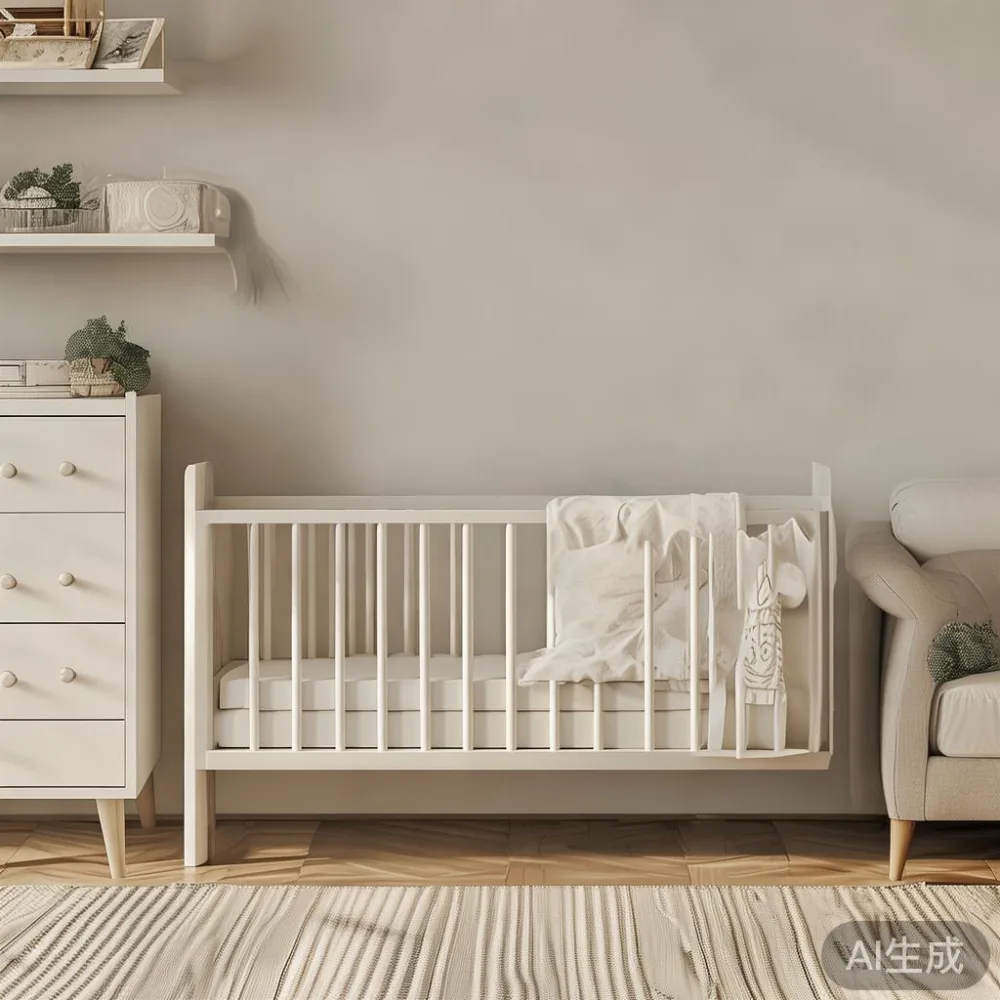
Understanding the Singapore Climate's Impact on Wood and Lacquer
Singapore's weather is characterised by two monsoon seasons, from December to March and June to September, with relative humidity often hovering between 70% and 90%. This persistent moisture is the primary enemy of wood furniture. Solid wood, like the teak or oak used in many nursery pieces, is hygroscopic, meaning it absorbs and releases moisture from the air. In a humid environment, wood can expand. When the air conditioning is switched on, it contracts. This constant cycle of expansion and contraction can, over many years, lead to stress on the joints and, in some cases, even cracks in the wood itself.
The lacquer finish, a clear, hard coating applied over the wood, is designed to be a protective barrier. However, it is not immune to the elements. High humidity can cause the lacquer to become slightly 'plasticised,' making it softer and more susceptible to scratches or the formation of a white, cloudy haze known as 'bloom.' Simultaneously, the intense UV radiation from Singapore's sun can cause the lacquer to degrade, leading to a loss of gloss, a yellowing of the clear coat, and fading of any underlying wood stain. This is why a proactive care routine is not just recommended; it is necessary for preservation.
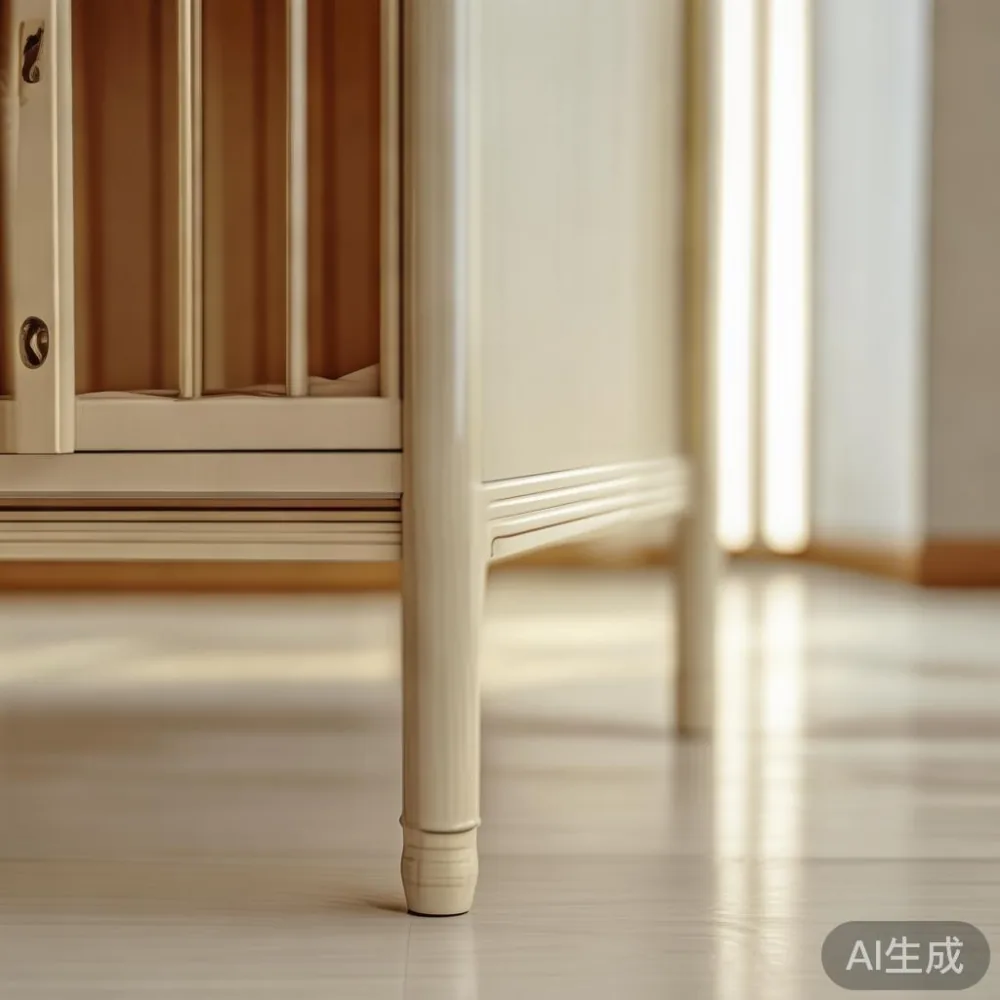
Preventative Care: The Foundation of Longevity
The most effective way to care for your lacquered nursery furniture is to prevent damage before it starts. A few simple habits, integrated into your daily life, can make a significant difference. The first line of defence is controlling the environment within the nursery. While it's impossible to control the weather outside, you can manage the conditions inside the room.
Air conditioning is your best friend in Singapore. It not only cools the room but also dehumidifies the air, keeping the relative humidity at a more stable level, ideally between 45% and 60%. If you live in an HDB flat in Tampines or a condo in Punggol, ensure your AC unit is correctly sized for the room's dimensions (typically a 3m x 4m nursery requires a 1 to 1.5 horsepower unit). Running the AC consistently, even at a slightly higher temperature like 24°C, is far better for your furniture than turning it off and allowing the room to become a sauna. Consider placing a small digital hygrometer in the nursery to monitor the humidity levels accurately.

Positioning is another critical preventative measure. Avoid placing your nursery furniture, such as a solid wood crib or a nightstand, directly in front of a window that receives direct sunlight for more than an hour or two a day. The UV rays will bake the lacquer, causing irreversible damage. If possible, use UV-blocking window film or heavy curtains to filter the light. Similarly, keep furniture at least 30 cm away from any air conditioning vents. The direct, cold blast of air can create a microclimate of condensation on the surface, which is just as damaging as humidity.
Why Does My Lacquered Nightstand Feel Sticky After a Humid Day?
This is a common and understandable question for many homeowners in Singapore. The sticky or tacky feeling you might notice on your lacquered nightstand or other furniture pieces is a phenomenon known as 'blooming' or 'blushing.' It occurs when moisture from the humid air gets trapped beneath the surface of the lacquer. The lacquer itself is not melting; instead, tiny water droplets form between the finish and the wood, creating a cloudy, sticky film.
This effect is particularly noticeable in coastal areas or during the wet season when humidity spikes. The sticky surface not only feels unpleasant but also attracts dust and can become a magnet for fingerprints. To resolve this, the moisture needs to be removed. The best approach is to gently wipe the surface with a soft, dry microfiber cloth. For more persistent cases, you can use a cloth lightly dampened with a specialized furniture polish designed for lacquered surfaces. Avoid using water or generic household cleaners, as they can exacerbate the problem by introducing more moisture or stripping the protective oils from the lacquer. If the issue persists, it may indicate a problem with the lacquer's application or the wood's seal, and consulting a professional refinishing service would be the next step.
Gentle Cleaning Techniques for Your Nursery Furniture
For cleaning lacquered nursery furniture, less is more. A regular, gentle routine is far more effective than occasional, aggressive cleaning. For daily dust and light cleaning, a soft, lint-free microfiber cloth is your best tool. These cloths are excellent at trapping dust particles without scratching the delicate surface. Always wipe with the grain of the wood to avoid creating fine scratches that can catch light and become visible over time.
For occasional, deeper cleaning, a dedicated wood cleaner is recommended. Look for a product specifically formulated for lacquered or high-gloss finishes. Apply a small amount to the microfiber cloth, not directly onto the furniture, to prevent over-saturation. Wipe the surface gently, working in small sections. After cleaning, buff the area immediately with a clean, dry microfiber cloth to restore the shine and remove any cleaner residue. This process should be done no more than once a month, or as needed, to avoid over-cleaning and potentially damaging the protective finish.
Spills are inevitable in a nursery, especially with a baby around. The key is to act quickly. If a liquid spill occurs, use a soft, absorbent cloth to blot the area immediately. Do not rub, as this can spread the liquid and push it into the wood grain or seams. For sticky spills like milk or formula, a slightly damp cloth with a drop of mild, pH-neutral soap can be used, followed immediately by a thorough drying with a dry cloth. Never use abrasive sponges, steel wool, or harsh chemical solvents like acetone, as they will strip the lacquer, leaving a permanent dull spot.
When to Seek Professional Help and Understanding Your Warranty
Despite the best preventative care, accidents can happen. A deep scratch, a stubborn stain, or significant water damage can mar the beauty of your nursery furniture. This is where professional help becomes necessary. A professional furniture restorer has the tools and expertise to repair lacquer finishes, from simple buffing out of minor scratches to complete refinishing of a surface. For a piece like a solid wood wardrobe or a marble table top, this level of expertise is invaluable. While the cost of professional restoration can be significant, it is often far less than the cost of replacing a high-quality piece of furniture.
This brings us to the importance of understanding the warranty that comes with your furniture. Established brands like MIDHILL, a Foshan-based maker with a strong presence in Singapore, often offer comprehensive protection. A typical warranty might cover structural defects for 10 years and provide a lifetime refinishing service. This means that if the lacquer on your nursery furniture degrades due to manufacturing defects—not general wear and tear from the climate—the company will often cover the cost of refinishing it. This is a critical piece of information for any buyer. It provides peace of mind, knowing that your investment is protected against unforeseen manufacturing issues, even as you care for it against the elements yourself. Always keep your proof of purchase and warranty documentation in a safe place.
Real-World Experience: A Test of Durability in a Bedok Condo
Theory is one thing, but real-world experience offers the most compelling proof. Last month, I visited a client in her Bedok condominium to assess the condition of her nursery furniture. She had purchased a solid wood crib and a matching nightstand from a reputable brand five years ago. Her main concern was the finish, given the condo's location near the coast and her reliance on natural light in the room.
Upon inspection, I was impressed. The crib's white lacquer finish was glossy and free of the yellowing or hazing I often see. The nightstand showed only minor signs of use. My client attributed this to a strict care routine. She religiously wiped down the surfaces with a microfiber cloth every other day and kept the blinds drawn during the sunniest parts of the day. She also mentioned running a dehumidifier in the nursery for a few hours each evening, especially during the Northeast Monsoon when humidity in her 110-square-meter condo would peak at 85%. Her experience is a perfect example of how consistent, gentle care can preserve a lacquered finish even in one of Singapore's more challenging environments. It demonstrated that with the right approach, beautiful nursery furniture can look new for years, not just months.
Integrating Care into Your Singapore Home Lifestyle
Caring for your nursery furniture should feel like a natural part of maintaining your home, not a chore. Integrating these practices into your daily and weekly routine makes them sustainable. For instance, make it a habit to dust the furniture surfaces as part of your general tidying-up. Keep the necessary supplies—a few high-quality microfiber cloths and a bottle of wood cleaner—in a small, discreet basket in the nursery or nearby storage.
When considering new furniture for your home, think about the climate from the outset. If you are looking for a guest room solution, you might explore a Japandi for guest room aesthetic, which often features natural, untreated woods that can breathe more easily in humid conditions. For your own bedroom, you might wonder how to style American bed in bedroom to create a focal point that is both stylish and practical. For storage, a MIDHILL wardrobe or a best Japandi wardrobe for 2026, with its smooth, sealed surfaces, can be an excellent choice as long as the preventative care measures outlined here are followed. The key is to make an informed choice that aligns with both your aesthetic preferences and the practical realities of your living environment.
In essence, caring for lacquered nursery furniture in Singapore is about understanding your environment and respecting the materials. It’s a partnership between you and your furniture. By controlling the climate, cleaning with gentle products, and acting swiftly on spills, you can protect the lustrous finish that makes your nursery a special place. This attention to detail ensures that the pieces you choose, whether it's a sleek marble table or a classic solid wood crib, will remain a beautiful and functional part of your home for a lifetime, becoming a cherished part of your family's story.