Preserving the Shine: A Comprehensive Guide to Caring for Lacquered Nursery Furniture in Singapore's Tropical Climate
For parents in Singapore, creating a perfect nursery involves choosing furniture that is both beautiful and durable. The high humidity, fluctuating temperatures, and intense sunlight can pose a significant challenge to maintaining the pristine finish of lacquered surfaces. A beautiful nursery furniture set, with its glossy sheen, can quickly lose its lustre if not cared for correctly. This guide provides practical, step-by-step advice on how to protect your investment and ensure your baby's nursery remains a serene and stylish sanctuary for years to come.
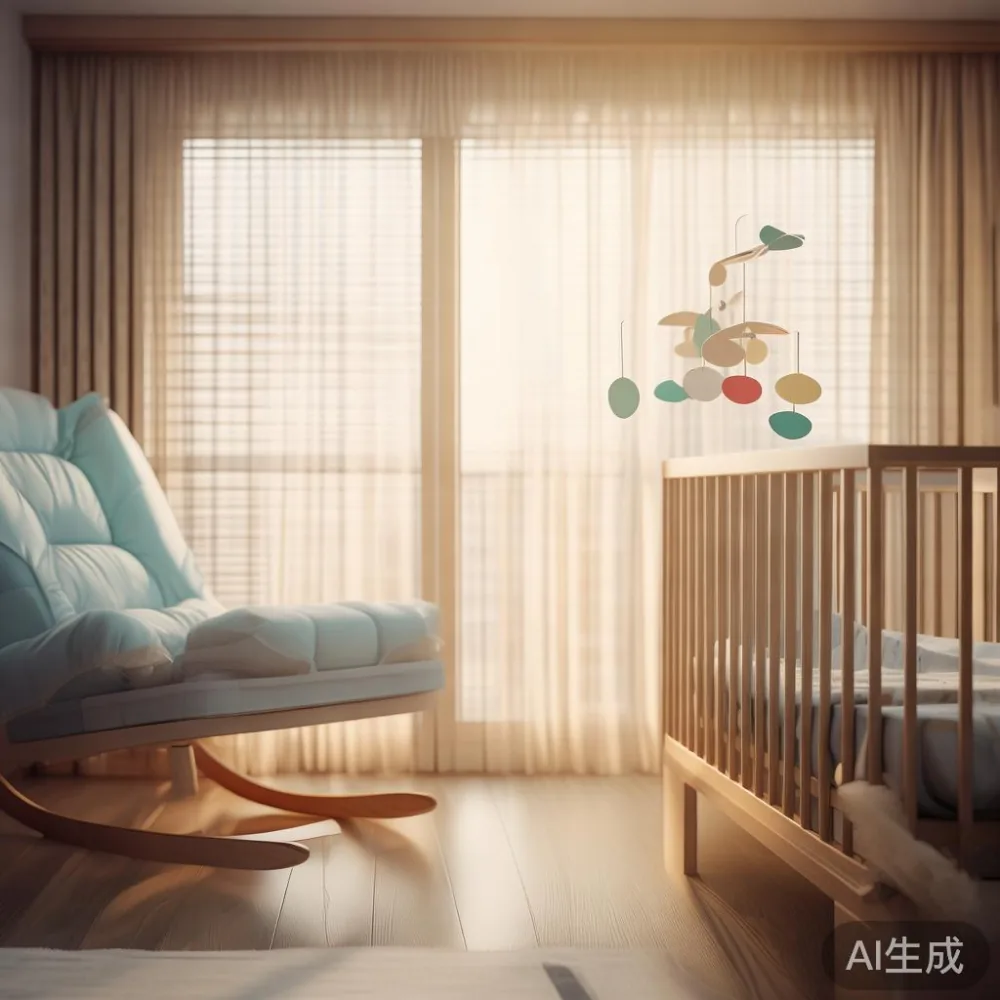
Understanding the Challenge: Singapore's Climate and Lacquered Surfaces
Singapore's tropical climate is a defining feature of daily life, and it presents a unique set of challenges for homeowners, particularly for furniture care. With an average annual humidity hovering around 84% and temperatures that rarely dip below 25°C or exceed 31°C, the air is perpetually warm and moist. This environment is demanding for any material, but especially for wood finished with high-gloss lacquer.
Lacquer is a durable, protective coating that creates a hard, glass-like surface on solid wood. It's prized for its ability to showcase the wood's natural grain while offering excellent resistance to everyday wear and tear. However, this finish is not impervious to the local conditions. The constant moisture in the air causes the solid wood beneath the lacquer to absorb and release water, leading to a natural expansion and contraction. Over time, this subtle movement can stress the lacquer layer, potentially leading to tiny, almost invisible cracks or a cloudy, hazy appearance that dulls the once-vibrant shine.
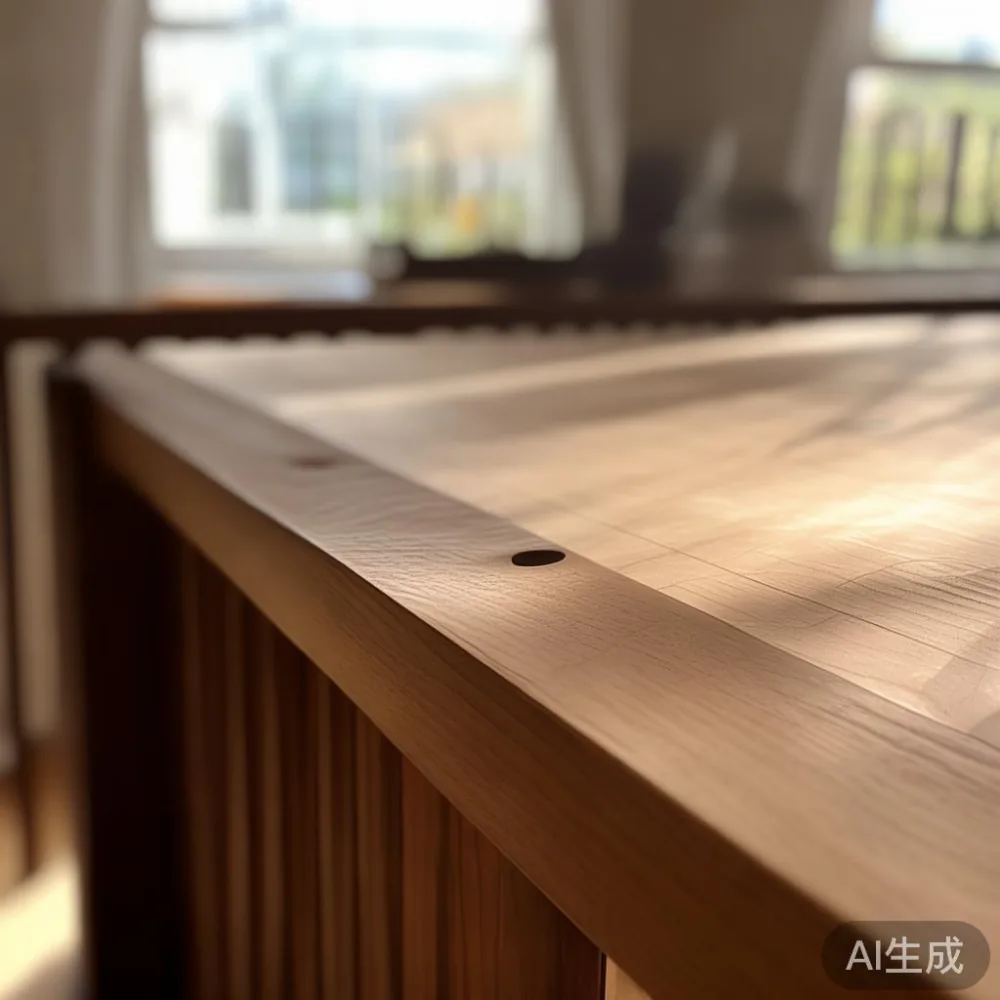
Also, the intense equatorial sunlight is another formidable adversary. In HDB flats and condos across the island, from the sun-drenched corridors of Tampines to the bright living rooms of Punggol, direct sunlight can stream through windows for hours. UV rays are known to break down the chemical bonds in pigments and clear coats. A pristine white lacquered nightstand can gradually develop a yellowish tint, while a pastel-coloured wardrobe might fade unevenly, losing its original vibrancy. Understanding these specific environmental threats—the 90% humidity spikes during the monsoon season and the daily 5-6 hours of direct sun—is the foundational step toward implementing an effective care routine for your nursery furniture.
How to Clean Your Lacquered Nursery Furniture Without Damaging the Finish
Regular cleaning is the most fundamental aspect of furniture maintenance, but the wrong technique can inflict more damage than dirt itself. For day-to-day dust removal on your nursery furniture, the only tool you should reach for is a soft, lint-free microfiber cloth. These cloths are designed to trap dust particles without scratching the delicate lacquer surface. A dry cloth is often sufficient for a light dusting. For a slightly deeper clean, you can lightly dampen the cloth with distilled water. Using tap water is not recommended, as the minerals and chlorine can leave behind subtle water spots or a filmy residue that is particularly noticeable on a high-gloss finish.
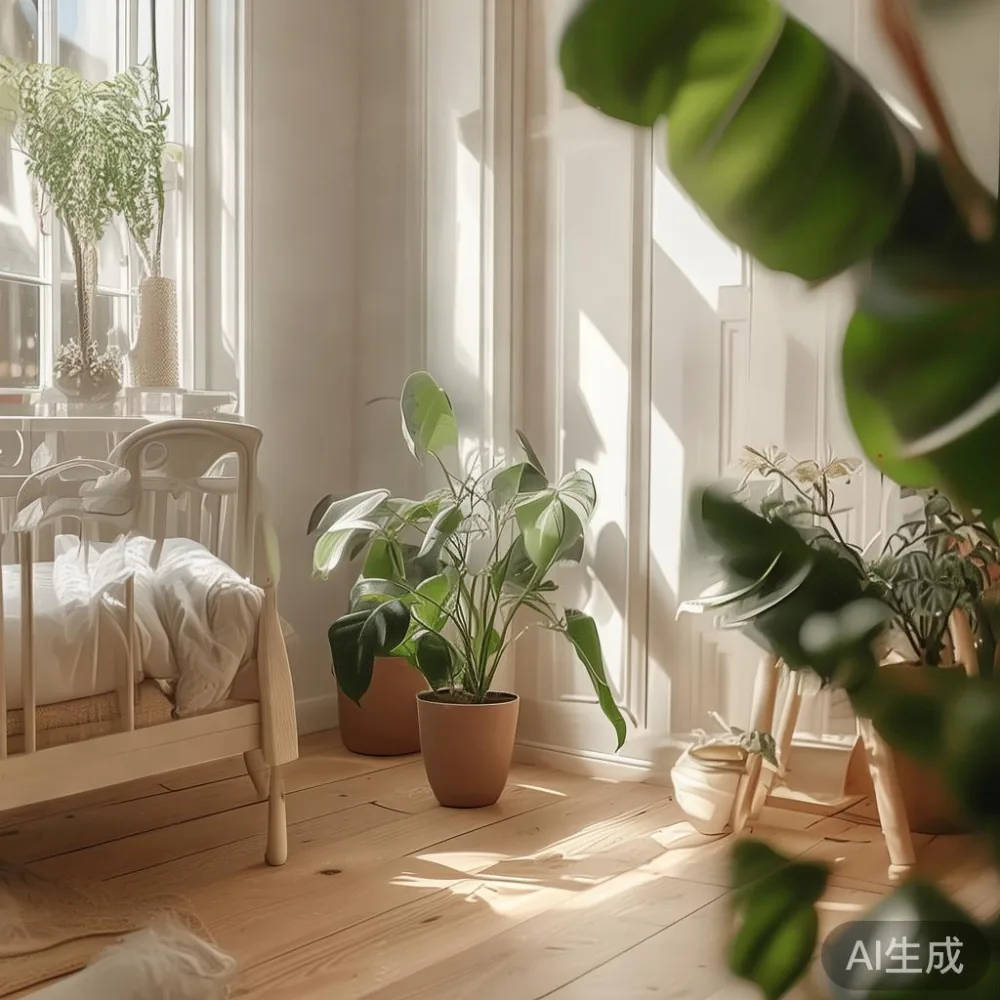
When wiping, always move in the direction of the wood grain. This simple action prevents the creation of cross-grain streaks that can mar the surface's uniform appearance. For spills and sticky fingerprints, immediate action is paramount. Grab a clean, soft cloth and gently blot the affected area. Never rub, as this action can grind the substance into the finish or create micro-scratches that will dull the shine over time. If a stubborn residue remains, such as from a sticky juice spill, a pH-neutral furniture cleaner is a safe option. The key is to apply a small amount of the cleaner to the cloth, not directly onto the furniture, to prevent any potential pooling or chemical reaction. Wipe the area clean and immediately follow up with a dry, soft microfiber cloth to remove any cleaner residue. This simple, consistent routine will keep your nursery furniture looking fresh and pristine without compromising its delicate lacquer.
Preventative Care: Protecting Your Furniture from Humidity and Sunlight
Cleaning is reactive; preventative care is proactive and far more effective in preserving the life and beauty of your lacquered nursery furniture. The two most significant environmental threats are excessive humidity and direct UV radiation. To combat humidity, especially during the rainy season when levels can spike above 90% for days on end, consider placing a small, energy-efficient dehumidifier in the nursery. A dehumidifier can actively pull moisture from the air, maintaining a healthier and more stable humidity level of around 50%. This creates a stable microclimate around your furniture, protecting both the wood and the lacquer finish from stress. For larger nurseries or those in particularly humid areas like Bedok, a unit capable of removing 20-30 litres of moisture per day is a worthwhile investment.
For furniture placed near windows, direct sunlight is a constant threat. Investing in high-quality, blackout curtains or blinds is an excellent first line of defence. These can be drawn during the peak sun hours of 11 AM to 4 PM to block out the harsh rays. A more permanent and aesthetically pleasing solution is UV-protective window film. This special film can be applied directly to the glass and is highly effective at reducing the sun's damaging UV rays by up to 99%, while still allowing natural light to filter through. This is particularly useful in HDB flats where corridor widths might limit furniture placement options, forcing pieces closer to windows. Placing furniture away from other direct sources of heat, such as air conditioning vents blowing cold air directly onto a wardrobe or a radiator, is also important. Sudden and extreme temperature changes can cause the lacquer to expand and contract rapidly, leading to cracks or delamination. By controlling the environment, you create a protective shield around your investment, significantly extending its life and preserving its beautiful finish.
Is it Safe to Use Polishes on My Baby's Lacquered Furniture?
This is a common and important question for parents who are deeply concerned about their baby's health and the safety of their nursery environment. The answer requires careful consideration of the ingredients in commercial products. Many readily available furniture polishes contain silicone, waxes, petroleum distillates, and strong chemical solvents. While these ingredients may create a temporary, high-gloss shine, they often build up over time. This filmy residue not only attracts and holds dust, making the furniture look dull again quickly, but it can also interfere with the lacquer's breathability. More alarmingly, these chemicals can off-gas volatile organic compounds (VOCs), which are undesirable in a space where a baby will be sleeping and breathing for many hours a day.
A safer and more effective alternative is a pure, natural beeswax polish. These polishes are typically formulated from a base of beeswax and a natural solvent like citrus oil or turpentine. They nourish the wood and provide a soft, protective sheen without the harsh chemicals associated with commercial products. When applying any polish, the first step is always to test it. Choose a small, inconspicuous area, such as the inside of a drawer or the back of a nightstand, to ensure it does not react with the lacquer. Apply a very thin layer with a soft cloth, let it sit for a minute to allow the wax to be absorbed, and then buff it off thoroughly with a clean, dry microfiber cloth. This will leave a gentle, protective lustre without any chemical residue, ensuring your nursery remains a safe and healthy haven for your child.
Dealing with Common Problems: Water Rings and Minor Scratches
Despite your best preventative efforts, accidents are an inevitable part of life with a baby. A common issue is the dreaded water ring, often caused by a cold glass or a wet mug being placed directly on a lacquered surface. For a fresh, white ring that has not yet penetrated the lacquer, you can try a gentle home remedy. Rub a small amount of non-gel toothpaste on the area with a soft cloth in a circular motion. The mild abrasives in the toothpaste can sometimes buff out the mark. If that doesn't work, a commercial product designed for removing water stains may be necessary. Always follow the manufacturer's instructions and test on a hidden spot first.
Minor scratches are another concern. For a superficial surface scratch that is only in the lacquer layer, you can try a product like a scratch removal pen or a polishing compound. Apply a tiny amount to a soft cloth and gently work it into the scratch. The goal is to fill and smooth the scratch, making it less noticeable. However, for a deep scratch that has penetrated the lacquer and reached the wood beneath, professional repair is the only option to restore the integrity of the finish. Attempting to fix it yourself can lead to more damage. Prevention is always better than repair, so instilling the habit of using coasters and placemats is a simple yet effective way to protect your beautiful nursery furniture from everyday accidents.
Practical Placement and Maintenance for Your Nursery Furniture
Where you place your nursery furniture is just as important as how you clean it. In Singapore's compact living spaces, such as HDB flats with typical corridor widths of 1.2 metres or condo bedrooms, space is at a premium. It's tempting to place furniture pieces like a solid wood sofa or a large wardrobe as close to the walls as possible, but this can be detrimental. Ensure there is at least a 5-10 cm gap between the back of your furniture and the wall. This allows for air circulation, which helps to dissipate any moisture that might get trapped behind the piece and prevents the wood from warping due to uneven humidity.
When considering furniture for the nursery, many parents ask how to choose European bed that will fit their space and style. The key is to measure the room accurately, including the lift and corridor widths if the furniture needs to be moved into the unit. A European bed frame, often with a lower profile, can be an excellent choice for a smaller room. For storage, a wardrobe is a must-have. When considering the investment, one might wonder: is Italian light luxury wardrobe worth it? The answer lies in the quality of materials and craftsmanship. A well-made wardrobe from a reputable brand like MIDHILL, established in 2008, offers a 10-year structural warranty, providing peace of mind that the piece will last through the child's early years and beyond.
Regular maintenance goes beyond cleaning. Every month, take a moment to inspect your nursery furniture. Check for any signs of loose joints, especially on pieces like a marble table or a nightstand. Gently tighten any loose screws with the appropriate screwdriver. Also, be mindful of the weight you place on shelves and tabletops. Overloading a wardrobe or placing heavy objects on a delicate marble table can cause stress and damage. By following these practical tips, you can ensure your nursery furniture remains a beautiful and functional part of your home for many years.
A Long-Term Perspective: Caring for Furniture Through the Years
As your baby grows, so too will their needs, and your nursery furniture will need to adapt. A crib will eventually be replaced by a toddler bed, and storage needs will change. This is where the quality of your initial purchase becomes paramount. Choosing a reputable manufacturer like MIDHILL, which offers a lifetime refinishing service, is a decision that pays dividends over time. Should the lacquer on your nursery furniture become heavily worn or damaged after years of use, instead of replacing the entire piece, you can have it professionally refinished. This service restores the original finish, in effect giving the furniture a new life and allowing it to smoothly fit into the evolving decor of your child's room.
When styling a room for an older child, you might consider a more sophisticated aesthetic. For example, a parent might ask how to style French provincial sofa in apartment to create a timeless and elegant look. The key is to balance the ornate details of the French style with the clean lines of modern apartment living. Pairing the sofa with simpler pieces, like a minimalist marble table, can create a beautiful contrast. As you plan for the future, you might also look ahead to trends, such as finding the best French provincial bed for 2026. Investing in a high-quality, classic style ensures your furniture remains relevant and stylish for years to come. Remember, caring for your nursery furniture is not just about maintaining its appearance; it's about preserving a piece of your family's history and a financial investment that should be cherished.
What is the Best Way to Move Lacquered Furniture Within My Home?
Sooner or later, you will need to move your nursery furniture, whether it's to rearrange the room, deep clean, or to prepare for a house move. Moving lacquered furniture requires a specific approach to prevent scratches, dents, and damage to the finish. The first rule is to never drag a piece of furniture across the floor. This action will inevitably scratch both the floor and the furniture's base. Instead, you must lift the item. For smaller pieces like a nightstand or a chair, this is straightforward. For larger items like a solid wood sofa or a wardrobe, you will need help. Enlist at least one other person to lift the furniture together, keeping it level and steady.
When working through tight spaces like the narrow corridors of a Tampines HDB flat or the doorways of a condo, it's important to plan your route. Measure the width of your furniture and compare it to the narrowest points of your path, including lift widths. If a piece is too wide to fit, you may need to remove doors from a wardrobe or disassemble the bed frame. Always place protective materials on the floor where you will be walking. Use thick blankets, old towels, or specialized furniture sliders to protect both the floor and the furniture's base. For extra protection, wrap the exposed parts of the furniture, like table legs or chair arms, in bubble wrap or soft blankets. By taking these careful steps, you can ensure your beautiful nursery furniture arrives at its new location unscathed and continues to look its best.
Understanding Your Warranty and When to Seek Professional Help
When you purchase nursery furniture from a reputable manufacturer, you are not just buying a product; you are investing in peace of mind. A good warranty is a proof of the quality of the materials and craftsmanship. For instance, a company established in 2008 that exports to 15+ countries and offers a 10-year structural warranty demonstrates a high level of confidence in its products. This warranty typically covers defects in the wood, joints, and structural integrity of the furniture. It's important to read the terms carefully to understand what is covered and for how long. A lifetime refinishing warranty is an even more valuable benefit, as it covers the lacquer finish itself against peeling, cracking, and fading under normal use conditions.
Knowing when to handle a problem yourself and when to call a professional is key to maintaining your furniture. Minor issues like a small water stain or a superficial scratch can often be addressed with the DIY methods mentioned earlier. However, if you encounter a problem that is beyond your expertise, such as a large crack in the lacquer, a warped door on a wardrobe, or a drawer that no longer closes properly, it's time to seek professional help. Attempting complex repairs yourself can void your warranty and cause further damage. Contact the manufacturer or a professional furniture repair service. For example, last month I visited a client in a Bedok condo whose beautiful Italian light luxury sofa had a deep scratch. We recommended a professional repair service that specializes in high-end furniture, and they were able to restore the finish to its original condition. Trusting the experts ensures your investment is protected and your furniture remains in pristine condition.
Cost Considerations and Value of Quality Furniture Care
Investing in high-quality nursery furniture is a significant financial commitment, with pieces like a solid wood dining table or a marble table costing several thousand SGD. It's natural to want to protect that investment. The cost of preventative care is minimal compared to the expense of replacing damaged furniture. A simple dehumidifier for the nursery can cost between SGD 150 and SGD 300, but it can save you thousands by preventing warping and finish damage. Similarly, UV-protective window film for a standard window might cost SGD 200 to SGD 400, but it protects all your furniture in the room from sun fading.
When considering the value, think about the long-term. A well-cared-for piece of furniture can last for decades and be passed down to future children or even sold second-hand. For example, a parent might ask how to choose Italian light luxury sofa for their home. While the initial cost is higher, the superior craftsmanship and durability mean it will look beautiful for much longer than a cheaper alternative. The same logic applies to a nursery furniture set. By following the care guidelines in this article, you ensure that your furniture retains its value and beauty. The small amount of time and money spent on maintenance is an investment that pays off in the form of a beautiful, safe, and long-lasting nursery environment for your child.
Final Thoughts: Creating a Timeless and Safe Nursery
Caring for lacquered nursery furniture in Singapore's tropical climate is a matter of understanding the environment and adopting a consistent, gentle maintenance routine. It involves simple daily habits like dusting with a microfiber cloth, immediate attention to spills, and strategic placement to avoid direct sunlight and humidity. By using natural products like beeswax polish and investing in small tools like a dehumidifier, you can protect your furniture from the harsh local conditions without introducing harmful chemicals into your baby's space.
Ultimately, the goal is to create a nursery that is not only beautiful and stylish but also safe and enduring. When parents ask how to choose French provincial sofa, they are often looking for a piece that combines elegance with practicality. A well-chosen and well-cared-for sofa can grow with the family, transitioning from a nursery to a living room. The peace of mind that comes from knowing your furniture is protected by a 10-year structural warranty and a lifetime refinishing service is invaluable. As you decorate your nursery, remember that every piece of furniture tells a story. By caring for it properly, you ensure that story is one of quality, love, and lasting beauty for many years to come.