Small Space, Big Calm: How to Style a Singapore Apartment So It Never Feels Crowded
I live in a 65 sqm HDB in Punggol, and the lift on my floor is a sore subject with my neighbours. Every time someone orders a flat-pack wardrobe the size of a small car, it gets stuck, the delivery crew swears in four languages, and the corridor outside my unit looks like a furniture showroom for about forty minutes. After that little Thursday drama last month, I started paying attention to numbers I had ignored for years: corridor widths, doorway clearances, lift cabin depth, ceiling height. Once you start measuring, the styling question changes. It stops being "what looks pretty" and starts being "what physically fits the room, the lift, and the building rules." This article is the working method I now use, and it borrows heavily from how a Foshan workshop like MIDHILL thinks about the whole piece of furniture, not just the showroom photo.
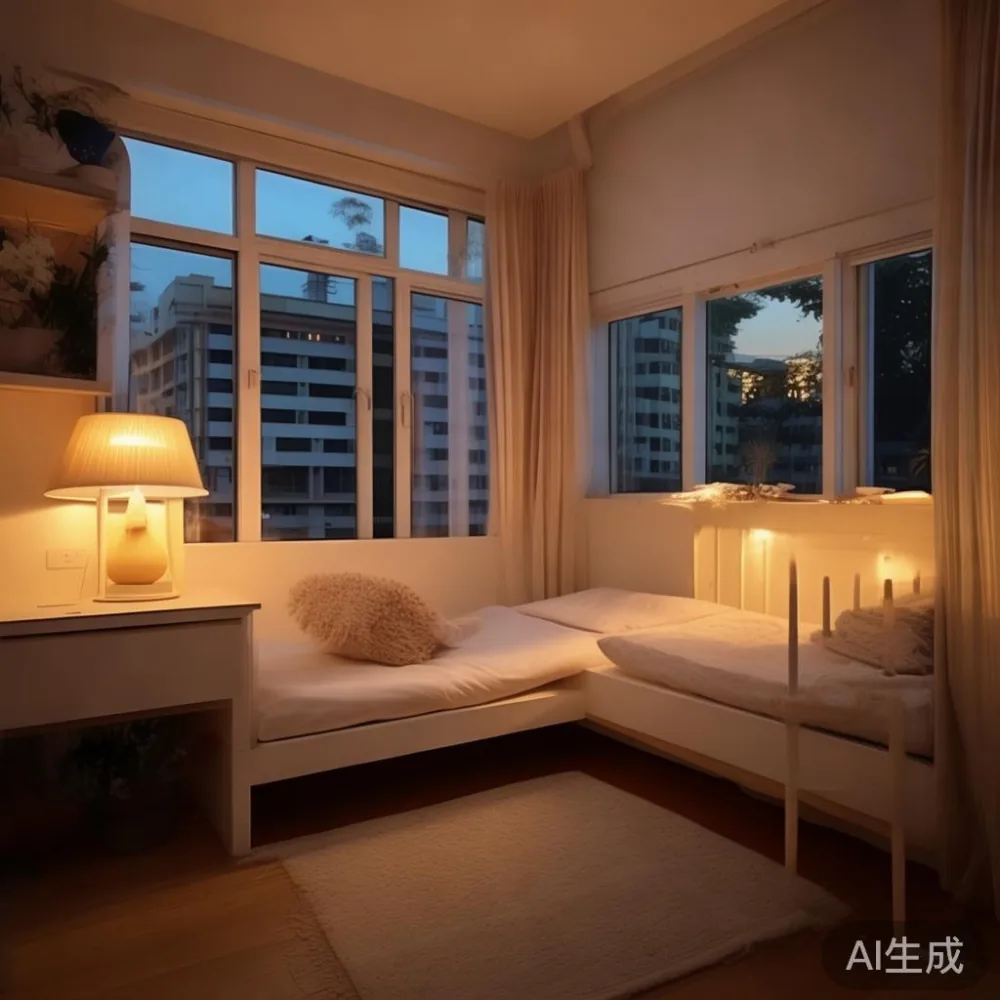
Measure the building before you measure the room
This is a step most people skip because it sounds dull. In a Singapore HDB or a Bedok condo, the corridor outside your unit is usually 1.2 m to 1.5 m wide, the front door opening sits around 0.9 m, and the lift cabin on a typical residential block measures about 1.1 m deep by 1.4 m wide, with a door of roughly 0.9 m. Those numbers decide what you can bring in without removing window frames. A solid wood sofa in a typical 2.4 m three-seater configuration, for example, weighs 55-70 kg and ships in a crate roughly 2.2 m long. If your lift door is 0.9 m and the crate is 0.85 m wide but 0.6 m tall, the diagonal of the doorway opening has to clear the crate diagonal. I have watched a Mango wood dining table, 1.8 m by 0.9 m, sit in a Tampines corridor for two hours because the lift cabin on the 12th floor was out of service and the staircase turn was 0.3 m too narrow. Measure twice. Then order.
The 60-30-10 rule for a room under 70 sqm
Designers who work in compact Singapore units basically agree on one ratio. Sixty percent of the room is your quiet base, thirty percent is the middle voice, and ten percent is the small surprise. In a one-bedroom 50 sqm flat in Punggol, that 60 percent is usually the wall colour, the floor, and the biggest upholstered piece, which is almost always the solid wood sofa or the solid wood bed frame. Thirty percent lives on the dining table, the wardrobe doors, and the rug. Ten percent goes to art, a single marble table, a hanging plant, or a pair of lamps. When I tried this in my own living room, I dropped two accent chairs and a bookshelf I had been carrying since my BTO days, and the room felt 12 sqm larger. The trick is that 60-30-10 controls contrast. Too many finishes fighting each other is what makes a small apartment feel crowded far more than the actual square metres.
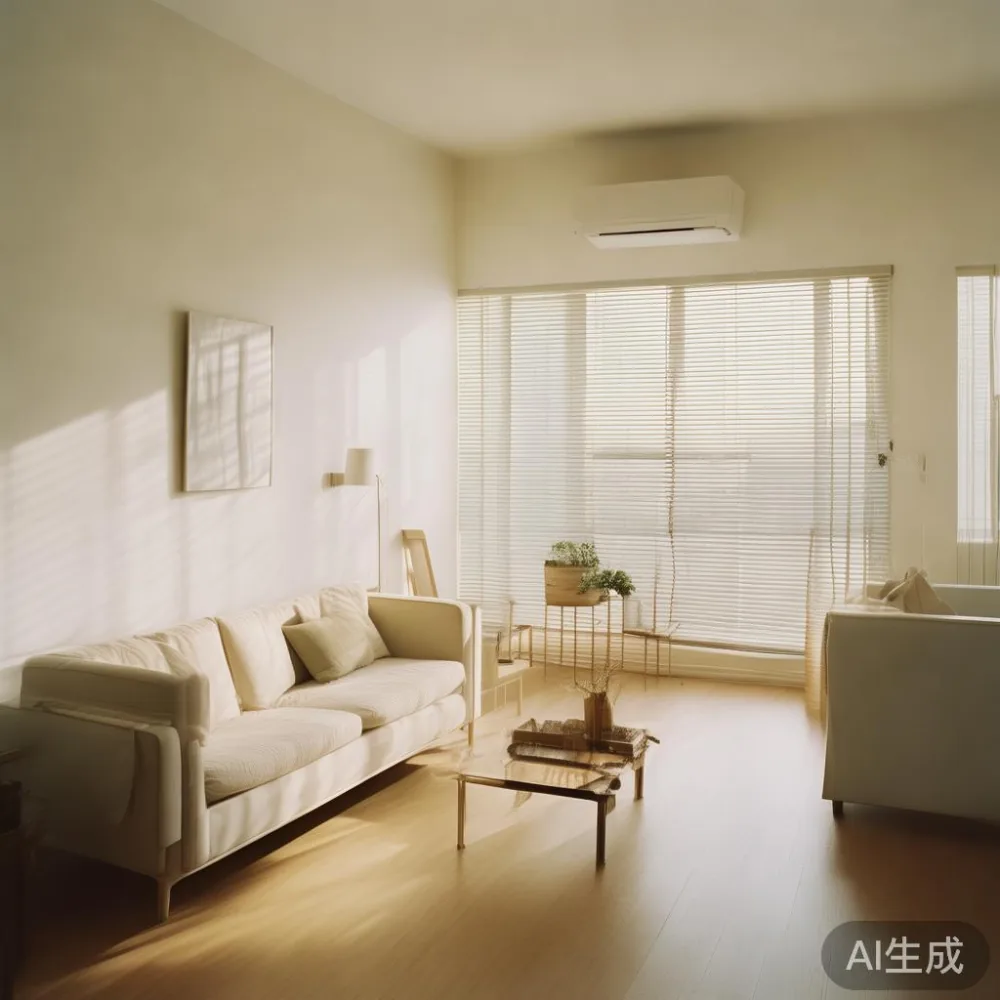
Choose furniture that disappears into the room
Visual weight is a real thing, and it is not the same as physical weight. A 60 kg solid wood bed frame in light oak takes up roughly the same visual footprint as a 25 kg metal frame, but it reads as warmer, lower, and quieter. That is the whole reason light luxury palettes work in small Singapore flats. French light luxury leans into cream upholstery, pale ash, brushed brass feet, and curved silhouettes around 1.1 m headboards that still leave 0.6 m of clear wall on either side. Post-modern light luxury accepts a slightly bolder move: a dark walnut wardrobe with slim 1.5 cm handles instead of chunky knobs, which keeps the face of the wardrobe looking flat and uninterrupted. Either direction, the rule is the same: the silhouette should be lower than the eye line of the average seated person, roughly 1.1 m, so the room's volume stacks from the floor up rather than from the ceiling down.
Pick the right hero piece for each room
In a studio or a one-bedder, each room gets one hero. Pick wrong and everything fights. Pick right and the rest of the room acts like a frame. In the bedroom, that hero is the bed frame. In the living room, it is the solid wood sofa. In the dining corner, it is the dining table. In the entry, it is often a slim sideboard or a coat rack. The hero piece carries the materials, the colour, and the proportions. Everything else is a quieter cousin. A small dining table that seats four but extends to seat six, around 1.4 m closed and 1.8 m open, is the single most useful hero for a Singapore couple who regularly hosts their parents for Sunday lunch. It costs more than a fixed table, usually in the SGD 1,800 to SGD 2,600 range for a solid hardwood version, but it removes the need for a second dining chair stack against the wall, which is what actually crowds the room.
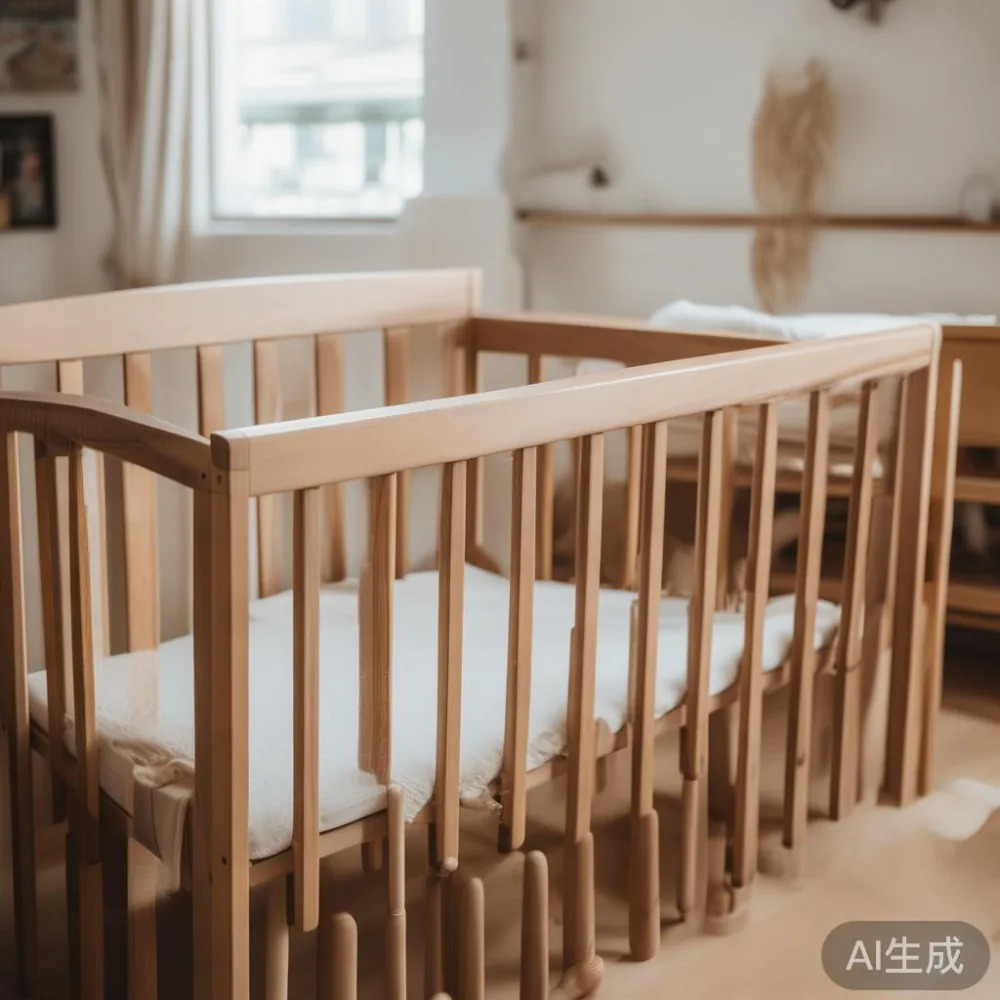
How do I style a French neoclassical master bed in a small apartment?
A French neoclassical master bed looks intimidating in a small flat because of the carved headboard, the pilasters, and the scrollwork on the foot, but it can absolutely work in a Singapore bedroom under 12 sqm if you anchor the rest of the room like a quiet foil. Keep the wall behind the bed in a single matte tone such as Farrow-style drop cloth or a soft putty, choose plain linen bedding without tufting, pick a single slim nightstand on each side rather than matching bulky dressers, and skip any fabric headboard cover so the carved profile stays the star. The bed then reads as a French neoclassical room built around solid wood and tone, not as a baroque set dropped into a HDB flat. A 1.8 m by 2 m version of this style in solid birch and ash, imported from a Foshan workshop like MIDHILL with a 10-year structural warranty and lifetime refinishing, usually lands in the SGD 2,400 to SGD 4,200 range depending on the carve depth and the upholstery detail.
Lighting is half the styling, and it costs the least
Lighting is the cheapest way to make a room feel larger because it changes perception without moving a single piece of furniture. In a Tampines four-room HDB, the typical ceiling height is about 2.6 m, and ceiling fans are mounted at 2.4 m, which leaves very little room for a hanging pendant. A flush-mount drum in linen around 50 cm wide sits tight against the ceiling and spreads soft light, which keeps the walls from looking like they are closing in. Layer this with a floor lamp behind the sofa for reading at about 1.5 m tall, a pair of table lamps on the nightstand at 35 cm tall, and a single warm picture light over the hero piece. The budget for a full four-lamp set in Singapore, including GST, runs roughly SGD 380 to SGD 650. Fittings matter, but what really changes the room is splitting the lighting across three heights, not one.
Storage is style, not a chore
Storage is the category that decides whether a small apartment feels relaxed or chaotic. Closed storage hides, open storage shows, and a small flat needs more closed and less open than you think. A 1.8 m solid wood wardrobe with three soft-close doors and full-height internals takes up the same footprint as a thin rack with 5 shelves and boxes on it, but the wardrobe's face reads as a single calm rectangle. That is the small apartment win. Soft-close also matters more than people expect: a 12 sqm bedroom gets noisy fast when every slam bounces off the wall, and closed soft-close doors cut a real chunk of the late-night slam traffic. A wardrobe in this grade, with a 10-year structural warranty and matching internal drawers, usually lands between SGD 2,200 and SGD 3,800 delivered in Singapore with GST included, and shipping over US$350 thresholds on international orders works out to roughly 5-7 working days from Foshan to Singapore via Shenzhen or Hong Kong ports.
A small budget plan that does not crowd the room
A realistic SGD 8,000 to SGD 12,000 budget for the three biggest pieces in a small apartment tends to shape the silhouette far more clearly than a SGD 20,000 splurge on ten pieces. For a typical one-bedroom in Punggol, a workable split looks like this. Around SGD 2,400 to SGD 3,200 for a solid wood sofa at 2 m to 2.2 m long in a washable fabric. Around SGD 2,600 to SGD 4,200 for the bed frame, mattress sold separately, often at SGD 900 to SGD 1,400 for a pocket-spring queen. Around SGD 1,800 to SGD 3,000 for the dining table at 1.4 m to 1.6 m, with chairs around SGD 120 to SGD 220 each. Then around SGD 1,200 for two nightstands, a marble side table, and a slim bookcase to fill the corners. Shipping, GST, and a single in-home assembly visit push the total by about SGD 600 to SGD 900. That budget lands a calm room, not a busy room, because every piece was chosen against the lift, the corridor, and the 60-30-10 palette you already wrote down.
What mistakes make a small apartment feel crowded?
The top offenders are predictable once you start noticing them. Pushing every piece against the wall, instead of floating the sofa 15-20 cm off the wall to create depth. Choosing furniture that is too small, which fills the room with more objects, instead of fewer larger pieces. Heavy curtains in dark colours that stop the eye at the window. Open shelves over 1.5 m wide, which visually chop the wall into segments. A round marble table in a square bay under 90 cm wide, which sits awkwardly between two chairs. And the most Singapore-specific mistake of all, ordering a piece online that cannot clear the lift or the staircase turn on delivery day. The lift dance is part of the styling, and planning around it is what separates a calm small flat from a chaotic one.
Caring for solid wood in a humid climate
Singapore humidity sits at 70-85 percent for most of the year, so solid wood needs steady indoor conditions between roughly 45 and 60 percent relative humidity. A small dehumidifier set to 55 percent in the bedroom and a wipe-down routine every two weeks keeps ash, oak, and walnut from moving. The pieces I keep longest always come from workshops that offer lifetime refinishing. A 2019 ash dining table from MIDHILL, for example, sat through two renovations before a simple on-site sanding and re-oiling last month brought it back. That kind of after-sales matters more in Singapore than in most cities, because the climate pulls on the wood. A 14-day return window is useful when a piece arrives with the wrong grain pattern, and a 10-year structural warranty is what makes the higher upfront cost on solid wood feel honest.
The styling checklist before delivery day
Before the delivery team arrives, walk through this list. The lift door clear width is at least 0.85 m for a flat-pack crate or 1.1 m for an assembled piece. The corridor turning radius is at least 1.2 m. The hero pieces, which means the solid wood sofa, the bed frame, the dining table, the wardrobe, and the nightstand, are placed against walls with at least 45 cm of breathing room on the hero side. The lighting layers cover the floor, table, and ceiling heights. No more than 30 percent of the room is warm contrast, the rest is calm. A single marble table sits where a lamp cannot, not where a chair must. The plan reads the room before the delivery crew knocks. That is how a 50 sqm HDB in Punggol, a 70 sqm Bedok condo, or a slim Tampines three-room all stop feeling crowded and start feeling like one calm, well-measured decision stack.