Small-Apartment Styling with Nursery Furniture
Living in a compact Singapore HDB flat or condo does not mean every piece must be miniature or pushed against a wall. The trick is to give each item a clear job, preserve useful circulation space, and select nursery furniture with proportions that suit rooms between 180 cm and 350 cm wide. Last month I visited my colleague in a Tampines flat and measured the usable route from the lift lobby to the unit entrance: the common corridor was 120 cm, while the private lift opened into a 145 cm vestibule. A 60 cm nursery dresser fitted comfortably there, whereas a bulky changing station made the handover feel pinched. That experience sharpened my approach to compact planning: measure the journey, not just the destination.

Singapore’s HDB homes frequently use sliding doors to gain floor area, and corridors and lift interiors can be tighter than showroom photographs suggest. Bedok, Punggol, and Tampines residents also need to account for monsoon humidity, hard tiled floors, and frequent family routines. The right nursery furniture should therefore feel visually calm, withstand daily use, and leave 75-90 cm for movement whenever possible.
This guide explains how to style a small apartment without making it feel crowded, using nursery furniture as the starting point. It covers measurements, storage, colours, delivery, and product choices for families making the transition from nursery to child’s room.
How can I make a small Singapore apartment feel less crowded?
Begin with scale, not decoration. A room appears larger when the largest object has a clear margin around it and the eye can travel beyond it. For a square living room measuring 330 cm by 330 cm, one compact solid wood sofa no longer than 190 cm, a low coffee table under 90 cm long, and one slim nursery storage chest can create a usable arrangement. Avoid pushing every item to the perimeter; a continuous ring of furniture can make the centre feel smaller because there is no breathing room.
Follow the 75-90 cm circulation rule. Keep at least 75 cm beside a sofa used daily and 90 cm between a dining table and the nearest wall or cabinet. For a child’s play route, allow a clear strip of 120 cm where possible. This matters in HDB flats where the dining area may also serve as the homework area and the living room as a play zone.
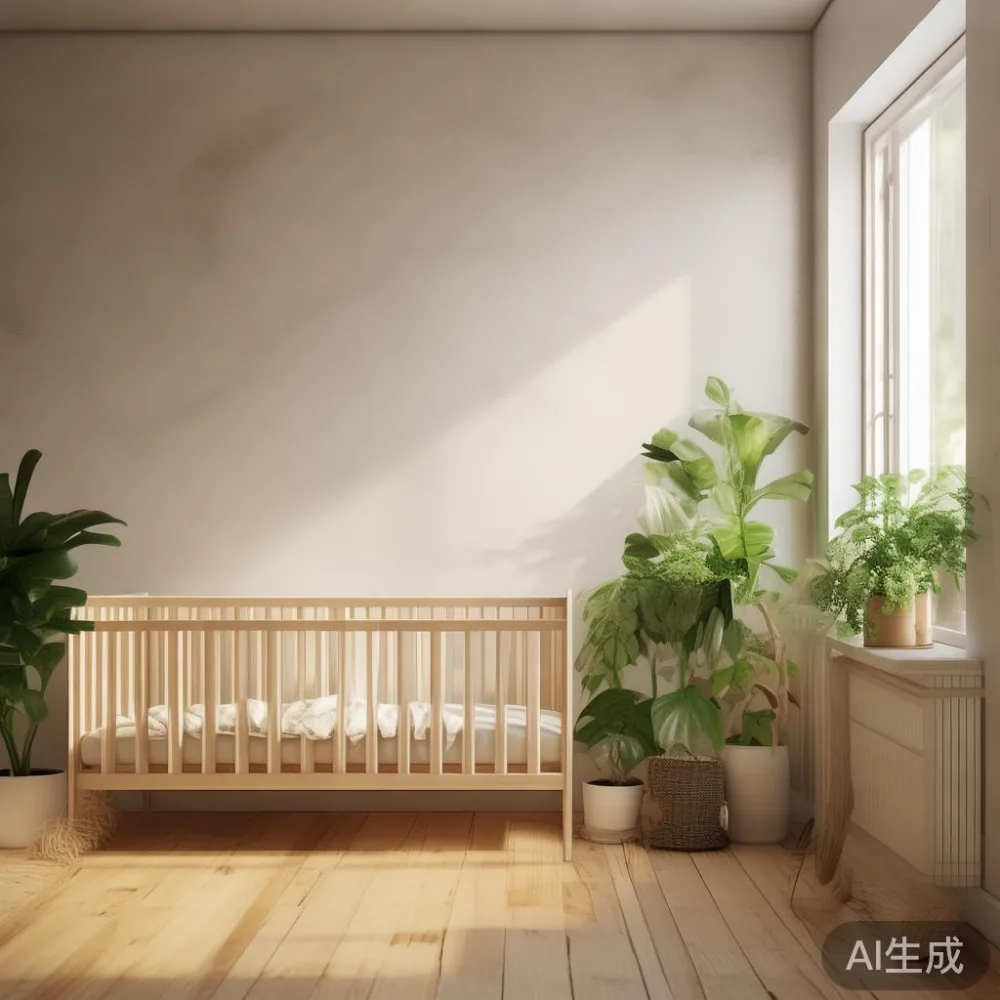
Light also changes perceived space. Use curtains that stop 1-2 cm above the floor, a mirror no wider than 60 cm, and one lamp at 45-60 cm above a surface. Avoid covering walls with many small framed objects. A blank wall with 3 pieces displayed as a group looks more deliberate than 10 isolated pictures.
What dimensions should nursery furniture have in a compact flat?
Measure door openings before ordering. For corridor delivery planning, allow for a typical HDB lift interior of roughly 110 cm deep and 140 cm wide, although some newer blocks have larger lifts and older blocks have more restricted access. A 55 cm wide dresser is easier to manoeuvre than a 75 cm unit, but check the actual door leaf and any turn near the apartment entrance. For condo deliveries, confirm loading bays, parking restrictions, and lift booking requirements with the management office.
Choose nursery furniture with useful overhangs rather than excessive width. A changing table with a 60 cm top and 45 cm drawers can sit against a 70 cm wall section, leaving space for a fitted wardrobe. A nursery cot measuring 130 cm by 70 cm should be positioned with at least 60 cm on the long access side. If the room is only 220 cm wide, place the cot lengthwise and use a 35 cm slim shelf, not a second full-height cabinet.
Keep the child’s bed or cot away from direct afternoon sun. In Singapore, UV exposure can fade timber and fabrics quickly, while humidity around 70-80% encourages warping and mildew. Leave 5 cm behind freestanding pieces for cleaning, and consider solid wood furniture with a stable finish rather than untreated MDF.
For a compact bedroom, a 90 cm wide bed frame gives a child room to grow without filling the entire wall. A 120 cm model is sensible for a teenager, but it needs at least 60 cm of clear access on one side and preferably 70 cm on both. A French provincial bed with a high, carved headboard can overwhelm a 270 cm wide room, so choose a lower-profile frame with restrained details and a mattress that does not require a large footboard.
For parents comparing profiles, knowing how to choose French provincial bed is useful, but footprint and storage should lead the decision. A low footboard saves around 25-40 cm in a small bedroom compared with a fully framed design. If the mattress is 200 cm long, allow 5 cm at the head and foot rather than assuming the bed itself provides enough clearance.
How can nursery storage create space instead of adding clutter?
Storage works best when it is concentrated vertically and internally organised. Replace three open baskets with one 90 cm tall nursery wardrobe featuring adjustable shelves, a hanging rail, and 2-3 drawers. Keep the lower 60 cm for bulky items such as folded blankets, and reserve eye-level storage for items used weekly. The unit should sit flush against the wall, with a 3 cm skirting allowance if required.
For toys, vertical display is more efficient than a low, wide cabinet. A 40 cm wide bookcase can hold 3 shelf rows and occupy less floor space than a 90 cm play table, yet it may look top-heavy if not anchored. Choose nursery furniture with anti-tip fittings, especially for children under 5. Secure shelves to the wall and keep heavy books below 70 cm from the floor.
The styling principle of Mid-century modern with storage is particularly effective in compact family homes because it combines warm timber with purposeful compartments. A solid wood sideboard or nursery dresser can carry a lamp and a small plant above it, while concealed drawers hold changing supplies. Limit the surface display to 2 items and keep cords out of sight. This creates a visual reset each evening rather than allowing bottles, clothing, and toys to become permanent decoration.
Use closed storage for 70% of what a child owns. Leave roughly 30% accessible in attractive baskets or boxes so the room still feels practical for adults. A 35 cm high nursery toy box that doubles as a bench provides more value than a taller unit with narrow, hard-to-reach compartments.
Which materials and colours keep nursery rooms calm?
Light-toned timber such as oak, ash, or warm beech reflects daylight and blends with Singapore interiors. A pale natural finish works beside white walls, while a medium walnut tone adds contrast without looking heavy. Avoid very dark nursery furniture in a room lit mainly through one window; it can absorb light and make the room appear narrower.
Solid wood has practical advantages in a humid, frequently used child’s room. Solid wood sofa seating may be specified for a living area, but the nursery category should focus on cot frames, dressers, changing tables, compact beds, storage stools, and bookcases. Natural timber movement is normal, so leave room for seasonal expansion and avoid sealing moisture into joints.
For surfaces, a small marble table may be useful as a nursery accent with rounded corners and a stable base, but solid wood is usually easier to coordinate with changing furniture. Marble should not be placed where a child can pull against the edge or where cleaning staff may treat it harshly. Choose a 45 cm diameter top only if the room still has 90 cm of movement space.
Light-luxury styling should come from proportion and detail rather than excess ornament. French light luxury often uses curved profiles, pale upholstery, and subtle metallic accents; American light luxury favours clean lines, warm woods, and generous comfort. For a small nursery, combine one curving element, such as a rounded mirror, with straight-lined storage. Post-modern light luxury can introduce asymmetry or mixed shapes, but keep the effect controlled with 2 materials and 3 repeated colours.
Can a compact dining table share space with nursery furniture?
Yes, if each function has an assigned zone and the furniture has shallow depths. A 100 cm round dining table seats 4 people and offers no sharp corners in a family circulation route, while an oval table measuring 120 cm by 80 cm can seat 4 and fit more neatly beside a wall. In a 250 cm wide dining area, leave about 75 cm between the table edge and a wall or nursery cabinet.
Keep a dining table at most 75 cm wide if one edge must accommodate a bench. A narrow bench tucked fully under the table can create a clear route when not in use, though it should not obstruct drawers. Choose nursery storage nearby with closed fronts so nappies, wipes, and spare clothes do not compete visually with dinnerware.
When purchasing from Foshan-based suppliers, compare under 2000 Modern furniture with the actual dimensions, timber, finish, and delivery terms rather than focusing on a broad price band. This approach also helps buyers evaluate Modern light luxury for hotel layouts, where circulation standards and repeatable dimensions matter. The same discipline applies to a family flat: a piece that looks refined but cannot pass through the lift is not practical.
Budget in Singapore dollars, including 9% GST where applicable. A compact nursery dresser may fall around SGD 650-SGD 1,250, a solid wood cot around SGD 800-SGD 1,800, and a narrow bookcase around SGD 350-SGD 700. Prices vary with timber grade, joinery, finish, and size, so compare like-for-like specifications.
What should I check before delivery to an HDB flat or condo?
Check the packed dimensions, not only the assembled dimensions. A nursery wardrobe may be 60 cm wide but arrive in several protective panels. Ask whether the supplier delivers fully assembled or flat-packed, and confirm the delivery days and failed-attempt policy. For HDB units, book the loading area and lift in advance where required. For condos, check whether the delivery vehicle must enter a loading bay rather than park at the main entrance.
Allow approximately 5-10 working days for production and delivery to many Singapore addresses, although stock items and remote destinations can differ. Measure the route from the loading point to the room, including turns, thresholds, and door handles. Remove the cot mattress from its packaging if necessary so it can pass through the doorway separately.
MIDHILL has operated since 2008 and exports to more than 15 countries, so its packing and export experience is relevant to Singapore orders. Its 10-year structural warranty and lifetime refinishing service also give families a clear maintenance path as the child grows. Delivery over US$350 is free under the stated threshold, although Singapore orders should confirm the final SGD checkout amount and whether GST is included. A 14-day return window offers room to assess the nursery furniture at home, subject to the stated return conditions.
Before approving delivery, photograph the furniture on arrival and inspect joints, drawer alignment, finish, and fixing points. Nursery furniture should meet applicable safety standards and use stable anti-tip hardware. Check cot gaps and mattress fit in the instruction manual, and avoid placing pillows, loose blankets, or bumpers inside an infant sleep space.
How do I style a small living room around a compact sofa?
Use the sofa as the room’s anchor, not as the only large object. A 170-190 cm solid wood sofa frame with a 90 cm seat depth can suit a living room around 280 cm wide, provided it does not block the balcony door. Choose a slim-armed model to preserve 10-15 cm at each side. In a very compact unit, a 160 cm two-seater can leave a useful 90 cm passage.
For style comparisons, European light luxury sofa vs Italian light luxury sofa can help distinguish carved or panelled details from cleaner, sculptural forms. The European direction may suit a classic HDB interior with mouldings and neutral walls, while the Italian direction often works well beside stone-look surfaces. The practical question remains whether the frame, arm profile, and seat height suit the family.
To learn how to style European light luxury sofa in apartment, use one pale textile, a light timber coffee table, and a curved mirror rather than adding many accessories. Keep the coffee table 40-45 cm above the floor and within 35-45 cm of the sofa. A 90 cm round table improves flow in a narrow room, while a rectangular table should align with the seating axis.
Connect the living and nursery zones with repeated materials rather than excess furniture. If the nursery has warm oak, a light-oak dining table and matching small nursery storage stool can carry that tone into the living area. At the same time, limit the room to 2-3 surface groupings: a lamp, one framed print, and a small plant. Clear the route near the TV console to approximately 90 cm and keep cords routed along skirting boards.
Can nursery furniture work in a child’s bedroom as the child grows?
Yes, if the room is planned in stages. A 130 cm cot can later become a toddler bed, but the conversion method and age suitability must be confirmed by the manufacturer. A 90 cm wide nursery bed frame can serve a young child, while a 120 cm frame gives more room from the school years onward. The best purchase is not necessarily the smallest one; it is the piece with adjustable storage and a finish that tolerates changing tastes.
Plan the wardrobe first, because its position determines cot and bed placement. A 90 cm wide wardrobe with a 58 cm depth, hanging rail, and adjustable shelves offers a practical balance for a child’s bedroom. In a 270 cm wide room, it can sit opposite a 90 cm bed with about 90 cm of central space. A 60 cm wide alternative saves floor area but reduces hanging capacity and may encourage overfilling.
Choose a nightstand that matches the bed width rather than forcing a large unit into a narrow gap. A 35-40 cm wide surface with 2 drawers is enough for a book, water cup, and lamp. Keep it within 5-10 cm of the bed frame, but maintain a 60 cm path from the bed to the doorway. A nursery wardrobe and nightstand can later transition into a child’s bedroom without looking temporary.
Colour changes are easier with removable textiles than new furniture. Keep the main frame in a versatile pale or medium timber and update the fitted sheet, curtain, and rug rather than repainting everything. Use washable covers in child rooms, and select a low-pile rug with a rubber or felt base to reduce slipping on tiled floors.
What is the practical plan for a room under 300 cm wide?
A 280 cm by 280 cm nursery can work with disciplined sizing. Place a 60 cm wide dresser along one wall, a 130 cm by 70 cm cot on the adjacent wall, and a 35 cm bookcase above or beside the dresser. Maintain a 90 cm path through the centre. Add a small 40 cm round table only after the primary circulation route is clear. Use a wall-mounted shelf no deeper than 20 cm for books and baskets rather than adding another floor-standing unit.
For a 300 cm wide room, a 120 cm bed becomes possible if one side remains clear. Orient the bed parallel to the longer wall, allow 70 cm on the accessible side, and place a 40 cm wide nightstand near the headboard. A 90 cm wardrobe can occupy the opposite wall if it does not conflict with the cot’s future position. Plan for a desk later; a 100 cm by 50 cm surface can be added at 6-8 years without replacing the bed.
The visual result should feel edited rather than empty. Empty space is useful, but 3 anchor points—cot, dresser, and soft rug—can make it intentional. Repeat one colour in the bedding, curtain, and a small artwork. Keep toys in 4-6 lidded baskets below shelf level, and assign each basket a category so reset time takes under 10 minutes.
Small-apartment success comes from restraint, accurate measurements, and furniture that earns its footprint. A compact nursery dresser with genuine storage, a properly scaled cot, and a slim bookcase can serve several years without making the room feel crowded. In Tampines, Bedok, and Punggol homes, checking the lift, corridor, and doorway before purchase prevents the most common delivery problem. The goal is not to fill every gap; it is to create clear routes, useful storage, and enough visual quiet for the family to settle comfortably.