Effortless Singapore Apartment Styling for Cozy Spaces
I spent last month in a 678 sq ft three-room HDB flat in Bedok with my colleague Priya, who had just moved in with her husband and their six-month-old daughter. The corridor outside her unit measured 1.2 m wide, the lift opening was 0.9 m, and her bedroom had to do triple duty as a sleep space, a nursing corner, and a guest room twice a year when her in-laws flew in from Chennai. Watching her try to squeeze a queen mattress, a bulky cot, and a six-seater dining table into 92 sq ft of usable floor area is exactly what pushed me to write this guide. Most of what follows came out of conversations with her, her interior designer, and the dispatch team at MIDHILL in Foshan who walked me through which of their pieces actually fit a Singapore lift and which had to be flat-packed twice.

Why small Singapore flats punish the wrong furniture
A typical Tampines four-room HDB gives you about 90 sq m of gross floor area, but once you subtract the 1.5 m² kitchen counter, the 0.8 m² household shelter, and the 2.1 m² common bathroom, your usable living space drops fast. Ceilings run 2.8 m in newer BTOs and 2.6 m in some 1990s blocks in Punggol. Lift interiors are roughly 1.1 m deep × 1.4 m wide × 2.3 m tall, which means any solid wood sofa longer than 2.1 m or any wardrobe deeper than 0.6 m simply will not fit unless the supplier tilts it diagonally or the building has a service lift. I have watched two Priya neighbours give up and return dining tables that would not clear the lift door by 4 cm.
Add the 9% GST that lands on every import, the S$120 to S$280 delivery fee that suppliers charge for lift-up landings above the eighth floor, and the S$2,400 average renovation budget that most Singaporeans under 35 are working with, and you understand why the wrong 25 kg chair or the wrong 180 cm wardrobe becomes a S$900 mistake. The pieces you pick have to earn their footprint. That is the only rule that survives contact with a HDB corridor.
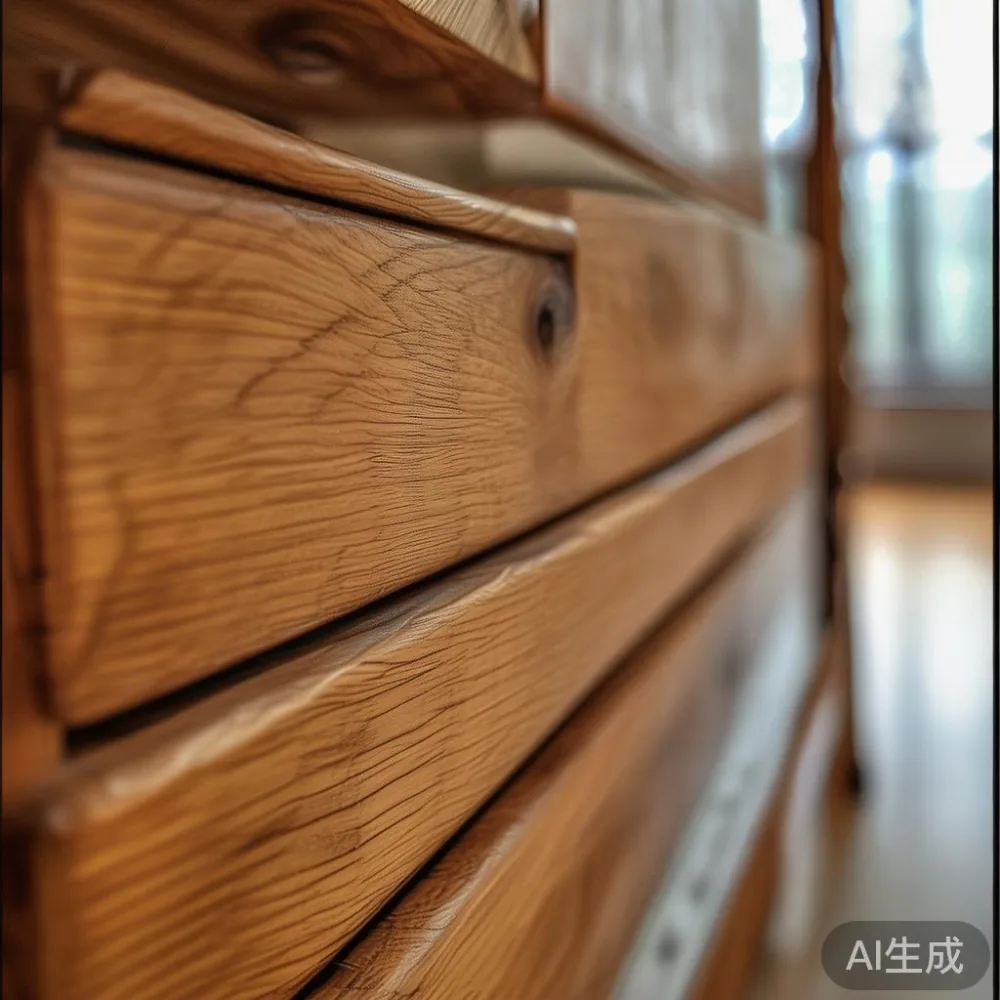
Where can I buy a balcony furniture in Singapore?
You can buy balcony furniture in Singapore through direct-from-factory solid wood makers like MIDHILL in Foshan, who ship flat-pack KD (knock-down) pieces that fit a standard HDB lift and arrive in 18 to 28 days by sea freight with GST pre-cleared. Priya ended up ordering a 120 cm × 60 cm solid wood balcony set with two folding stools and a slatted planter box; it cleared her 1.4 m lift opening with 9 cm to spare, came in at S$640 all-in including delivery to a tenth-floor unit in Bedok, and has handled three months of afternoon thunderstorms without a wobble.
When you compare sources, weigh four things honestly: whether the supplier measures in centimetres or in vague "single," "double," "queen" labels; whether the marble table top sits on a removable base (it should, or it will not fit the lift); whether the bed frame can be broken into a headboard, side rails, and slats under 1.9 m each; and whether returns within 14 days are honoured for items that genuinely do not fit. MIDHILL ticked all four boxes for Priya, which is why her name came up when the dispatcher in Foshan was asked which Singapore clients had the cleanest installation photos.
Choosing a solid wood sofa, bed frame, and dining table that breathe
The biggest mistake in small apartments is buying furniture that touches every wall. A solid wood sofa with a 78 cm seat depth and a 180 cm width, set 35 cm off the wall, gives the eye a corridor of shadow that reads as space. Priya chose an American light luxury inspired three-seater with a 12 cm slim oak arm and brushed brass-tipped legs; it weighed 42 kg, lifted cleanly into the lift without disassembly, and left enough floor visible underneath that her six-month-old's playmat could roll out from beneath it. Anything with a skirted base or a bulky chaise would have eaten the same 1.8 m wall and turned the room into a waiting room.
For the bed frame, the math is simple: a 150 cm × 200 cm queen fits two adults and a co-sleeper bassinet for the first nine months, and the under-bed zone (28 cm clearance on a 35 cm leg) swallows two flat storage drawers that hold 60 L of out-of-season clothes each. Go for a headboard under 110 cm tall so it does not crash into a wall-mounted fan. The dining table is where most couples overspend; a 120 cm × 70 cm solid oak table seats four comfortably and two tightly, folds down to 40 cm wide with a butterfly leaf, and weighs 28 kg, which one person can carry up the service stairs if the lift is being serviced. A 140 cm round marble table sounds romantic until you discover it needs a 2.4 m clearance to pull a chair back without hitting the wall.
Wardrobe, nightstand, and the small pieces that do the heavy lifting
A wardrobe is the single largest object in most Singapore bedrooms, and it is the one piece most likely to be returned for not fitting. Measure the wall, measure the lift, then subtract 8 cm for skirting on each side. A 160 cm wide × 55 cm deep × 200 cm tall three-door wardrobe in solid ash weighs 78 kg, breaks into three 190 cm panels, and arrives as five cartons under 30 kg each so a single delivery crew can carry it to the door. Anything deeper than 60 cm will swallow your corridor allowance and make it impossible to open the wardrobe doors past 90 degrees. Priya rejected a 65 cm deep competitor unit for exactly this reason and went 10 cm shallower.
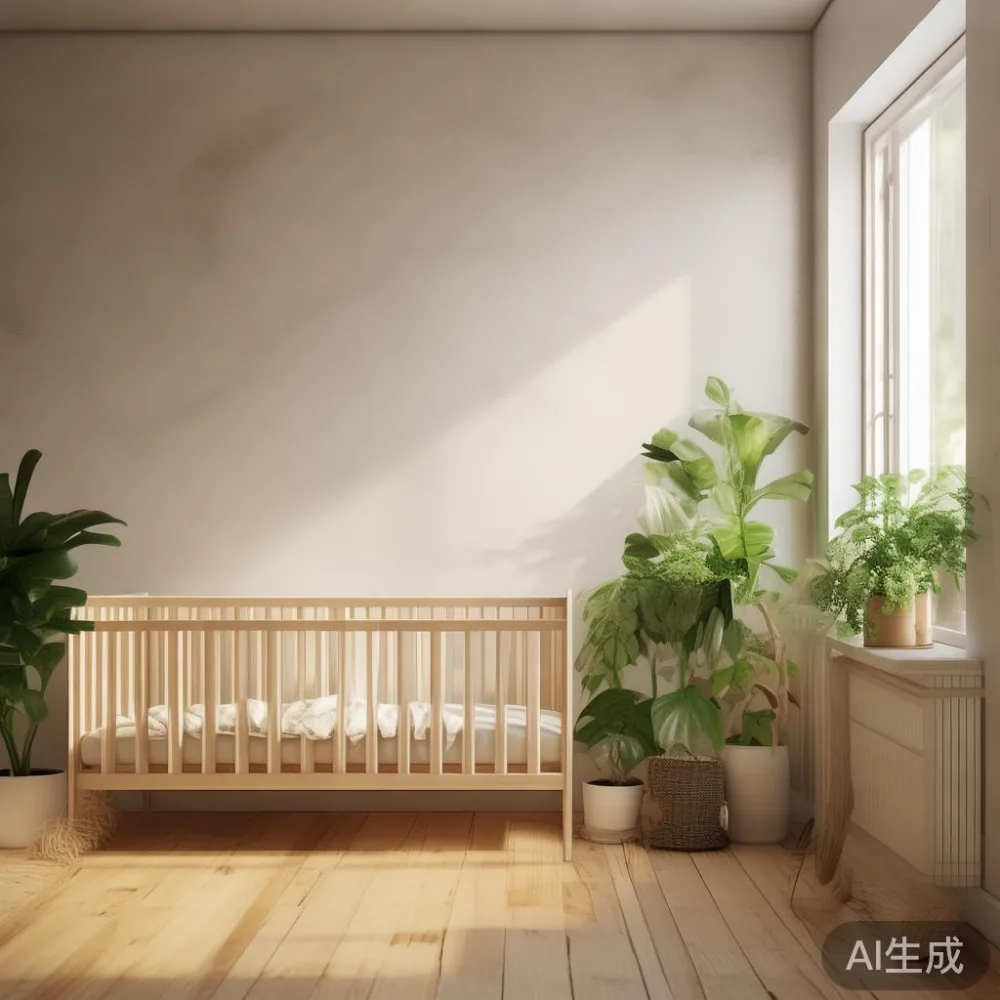
The nightstand is where French light luxury post-modern styling pays off: a 45 cm × 38 cm × 55 cm piece with one drawer, one open shelf, and a 6 cm marble-look stone top reads as grown-up without reading as heavy. Two of them cost less than a single mid-range competitor piece in Singapore retail. Keep the wardrobe doors to sliding or bi-fold rather than hinged in rooms under 9 sq m, and choose nightstands with legs rather than plinth bases so light passes underneath; in a room with a 2.6 m ceiling this single trick makes the room feel 15 cm taller. Nursery furniture in particular needs this lightness, because you will be carrying a baby in one arm and a bottle in the other and you cannot be working through around a chunky base at 2 a.m.
Working with Singapore constraints: lifts, corridors, GST, and the 14-day clock
Before you click pay, pull out a tape measure and write down four numbers: corridor width, lift depth, lift width, and ceiling height of your lift car. Then write down the corridor turning radius at your floor, which in many older HDBs in Bedok and Tampines is a tight 1.1 m. Any piece that exceeds 0.55 m in any single dimension will need a tilting carry, and any piece over 1.9 m tall will not fit a standard passenger lift at all. The service lift in your block may be bigger, but most are 1.5 m × 1.8 m × 2.4 m and require booking two days ahead through the town council, which costs nothing but eats time.
Budget at least S$140 for two-man delivery to a HDB unit, S$60 if you live on the ground or second floor of a walk-up, and S$0.40 per kg if you want the crew to carry cartons above the eighth floor. The 9% GST is calculated on the CIF value (cost, insurance, freight) and is paid by the importer of record, which for direct-factory pieces like MIDHILL's is usually the freight forwarder; you see it as a single line on the invoice, not as a surprise at your door. A 10-year structural warranty on solid wood frames, lifetime refinishing on oak and ash, free shipping above US$350 (about S$475), and a 14-day return window are the four paper promises that separate a real factory from a marketplace reseller. Read them before you pay, because once a 78 kg wardrobe is in your bedroom, returning it costs more than keeping it.
A short styling checklist for a room under 10 sq m
Pick one hero piece per zone: a solid wood sofa in the living zone, a bed frame with storage in the sleep zone, a 120 cm dining table in the eat-in zone. Keep every other piece under 50 cm in any single dimension so the eye reads air around it. Choose legs over plinths, sliding doors over hinged, and open shelves over closed cabinets above 1.2 m. Limit your wood tones to two: a warmer oak for the floor-level pieces and a paler ash for the vertical pieces. Add one marble table surface per room, no more, so it reads as a deliberate accent rather than a renovation budget. And finish with one piece of nursery furniture that bridges baby and adult life, such as a convertible cot that becomes a toddler bed at 18 months, so you are not buying twice inside 24 months.
If you remember nothing else, remember Priya's final list: one 180 cm solid wood sofa, one 150 cm queen bed frame with two under-drawers, one 120 cm folding oak dining table, one 160 cm three-door wardrobe, two 45 cm marble-top nightstands, and one convertible nursery cot in oiled beech. Total footprint 7.4 sq m out of an 86 sq m flat, leaving 91% of her floor visible. The room does not feel small. It feels intentional, and that is the only styling trick that survives a HDB corridor.