The 5-Year Cost Reality: Solid Wood vs. Veneer for Your Singapore Home
Choosing furniture for your Singapore home, whether a compact HDB flat in Tampines or a spacious condo in Punggol, involves a significant financial decision. The allure of a perfect finish can be strong, but the material you choose dictates the long-term value, maintenance, and cost of ownership. A veneer dining table might seem like an economical start, but how does its five-year expense stack up against a solid wood alternative? This analysis breaks down the numbers, durability, and hidden costs to provide a clear financial picture for the discerning homeowner.
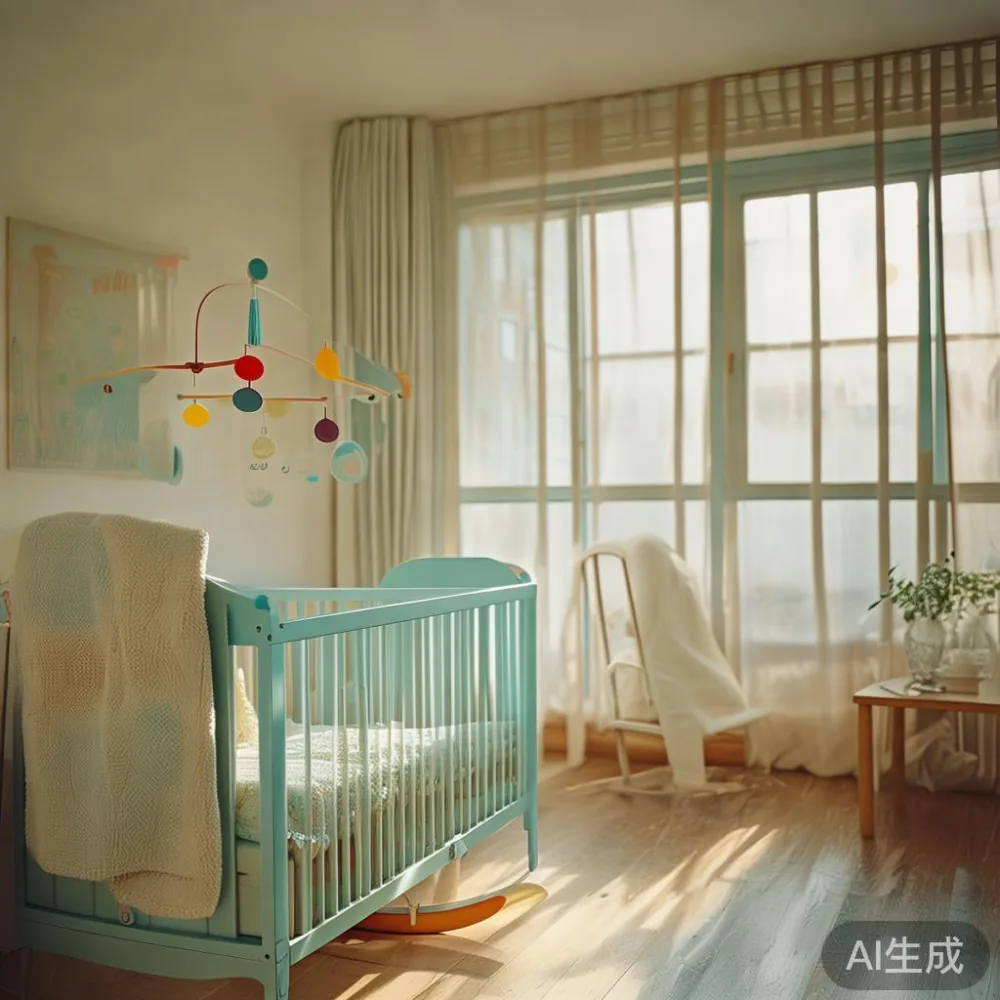
What Exactly Are We Comparing? Solid Wood and Veneer Defined
Before diving into the numbers, it's important to understand the materials. Solid wood furniture, the cornerstone of brands like MIDHILL established in 2008, is crafted from a single piece of hardwood or a collection of solid wood boards. A solid wood bed frame, for example, is made entirely from wood like oak, walnut, or teak. This construction offers natural strength, the ability to be sanded and refinished multiple times, and a unique character that develops with age. The weight is substantial; a solid wood wardrobe can easily weigh over 80 kg.
Veneer furniture, on the other hand, uses a thin layer of real wood (the veneer) glued over a less expensive core, typically particleboard, MDF (Medium-Density Fiberboard), or plywood. This core material is lightweight and inexpensive. A veneer nightstand might weigh only 15 kg. While veneer can replicate the look of solid wood, its structural integrity is tied to the stability of its core. Changes in Singapore's humidity, common in HDB flats and condos from Bedok to the east coast, can cause the core to warp or expand, leading to the veneer cracking or peeling. This is a fundamental difference in quality that impacts long-term value.
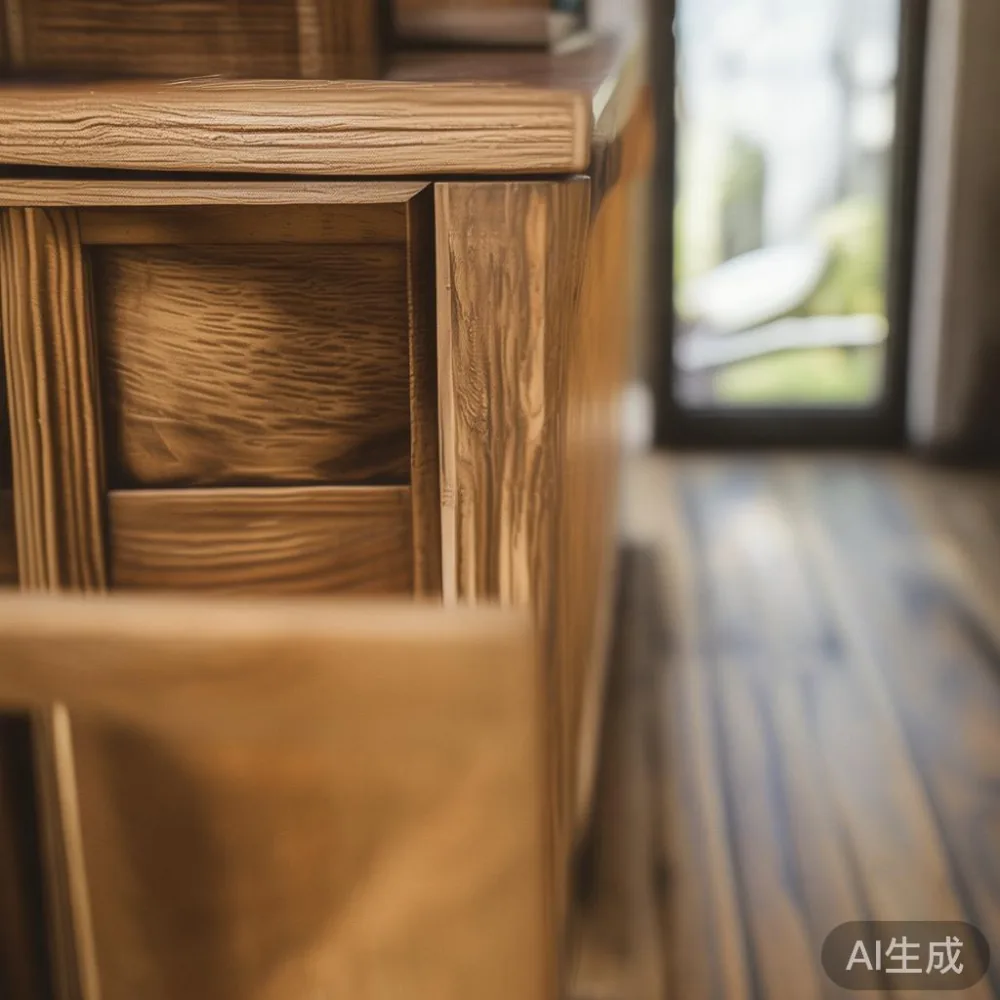
The Initial Investment: Upfront Costs in Singapore Dollars
The most obvious difference between solid wood and veneer is the initial price tag. For a family starting to furnish a nursery, this initial cost can be a deciding factor. Let's consider a standard dining table, a central piece for any home. A veneer dining table measuring 180cm x 90cm might cost between $800 and $1,200 SGD. In contrast, a solid wood dining table of the same dimensions from a reputable maker will typically range from $2,500 to $4,500 SGD. This initial price difference is significant, often 2 to 3 times higher for solid wood.
This pattern holds true across other furniture pieces. A solid wood sofa will command a premium over a veneer or fabric-covered sofa, often costing $3,000 to $6,000 SGD compared to $1,200 to $2,500 SGD for a veneer alternative. A solid wood wardrobe might be priced from $2,000 upwards, while a veneer version could be found for $800 to $1,500. The core reason for this disparity is material cost and labour. Solid wood requires skilled artisans to work with natural materials, whereas veneer production is more automated and relies on cheaper composite cores. For a nursery furniture set, this initial investment might seem steep, but it's the starting point of a longer financial equation.
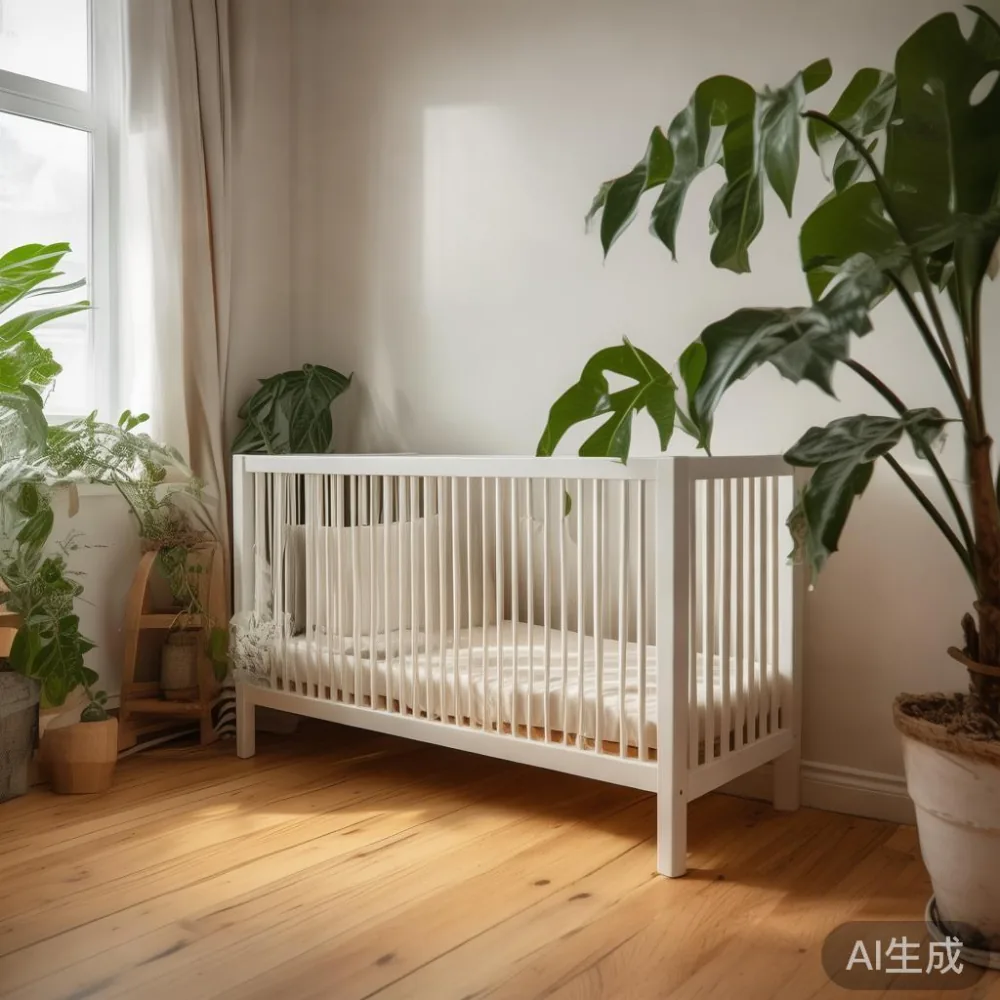
Long-Term Durability and the Cost of Repairs
The initial cost is only one part of the story. The true cost of ownership reveals itself over time. Solid wood furniture is renowned for its durability. A well-made solid wood bed frame can last for generations. It is resistant to dents and scratches. More importantly, it is repairable. If a surface is damaged, it can be sanded down and refinished. Many manufacturers, including those with a 10-year structural warranty, offer lifetime refinishing services. This means that for the life of the furniture, you can restore its original beauty for a relatively small fee, often just the cost of materials and labour, without replacing the entire piece.
Veneer furniture presents a different picture. The damage is often irreparable. If the thin veneer layer chips, cracks, or peels—a common occurrence in Singapore's humid climate or from minor impacts—the damaged section cannot be sanded. Repairing a veneer piece is a complex and costly process. A professional would need to carefully remove the damaged section, source a matching veneer patch, glue it on, and then blend the finish to match the surrounding area. This can cost several hundred dollars for a single repair, depending on the piece. A cracked veneer on a dining table or peeling finish on a wardrobe can make the furniture look worn and neglected long before its core structure fails. The structural integrity of the MDF or particleboard core is also a concern; a heavy load or a few years of humidity can cause the core to sag or disintegrate, leading to a complete failure of the piece.
Hidden Costs: Replacement, Resale Value, and GST
When a veneer piece reaches the end of its usable life—often 5 to 10 years—it is typically discarded. There is no resale value for a worn-out veneer wardrobe or a chipped veneer dining table. The cost of replacing it adds to the long-term expense. Over a 20-year period, a homeowner might purchase two or three veneer dining tables, whereas a single solid wood table could easily last that entire time.
Conversely, solid wood furniture holds its value beautifully. A high-quality solid wood dining table, cared for over many years, can be resold for a significant portion of its original price. In Singapore's second-hand market, a well-maintained solid wood piece is highly sought after. This resale value offsets the initial higher cost. Also, when considering large items like a solid wood wardrobe, the delivery cost is a factor. While many retailers offer free shipping over a certain amount, a single, heavy, oversized item like a wardrobe might incur a delivery fee of $150 to $300 SGD. This is a one-time cost for a piece designed to last a lifetime, unlike the recurring delivery costs associated with replacing multiple cheaper items.
Don't forget the Goods and Services Tax (GST). In Singapore, GST is applied to all furniture purchases. When you buy a $3,000 solid wood sofa, you pay $3,240 (assuming 8% GST). When you buy a $1,200 veneer sofa that you need to replace in 7 years, you pay the GST twice: once on the initial purchase and again on the replacement. Over the long term, these repeated GST payments on cheaper, less durable items add up significantly to the total cost of ownership.
Is Solid Wood Really Worth the Extra Money for a Small Singapore Apartment?
This is a question many homeowners in space-conscious HDB flats and condos ask. The perception is that a large, heavy piece of furniture like a solid wood dining table or wardrobe is impractical. However, this is a misconception. Solid wood furniture is often more efficiently designed. A well-crafted solid wood wardrobe can be more compact and have better internal storage solutions than a bulky veneer equivalent. The weight, while more, is a sign of quality and density, not a flaw. For delivery, the narrow corridors and lifts of Singapore apartments are a consideration, but professional furniture makers are well-versed in working through these spaces. Last month, I visited a client in a Punggol HDB flat. The building had a notoriously narrow lift, but the solid wood marble table we delivered was manoeuvred expertly by the delivery team without a single scratch on the walls. The weight of the solid wood base provided stability that a lighter veneer table could not match.
For a nursery, the durability of solid wood is even more critical. Furniture in a child's room is subject to more wear and tear. Solid wood pieces can withstand the rigours of daily use far better than veneer. The investment in a solid wood nursery furniture set means you won't be replacing it as your child grows, saving money and hassle in the long run. The aesthetic of solid wood also lends a sense of calm, natural quality to a child's room, which many parents prefer. The light luxury positioning of a French-inspired solid wood crib, for example, creates a timeless and serene environment that a plastic or veneer alternative simply cannot match.
Aesthetics, Style, and the Singapore Home
Beyond cost and durability, furniture is an expression of style. Solid wood offers a depth of character that veneer cannot replicate. The natural grain, the subtle colour variations, and the way solid wood ages over time creates a unique patina that adds warmth to a home. This is particularly relevant in Singapore's modern condo and HDB designs, where natural materials are often used to create a sense of balance. A solid wood sofa in an American light luxury style can become a centrepiece, while a veneer piece, regardless of its finish, can often look flat and artificial over time.
The choice of style is also linked to longevity. Trends like coastal or post-modern light luxury may change, but the clean lines and natural beauty of solid wood furniture are timeless. When you search for top 10 Mid-century modern furniture options, you will find that the most iconic and enduring pieces are crafted from solid wood. A solid wood dining table doesn't go out of style; it becomes a part of the home's history. For those exploring French provincial for hotel lobbies or Coastal for small living room designs, the quality and texture of solid wood are often non-negotiable for achieving the desired sophisticated yet welcoming atmosphere.
The Midhill.co Perspective: A Commitment to Long-Term Value
When considering a long-term investment like furniture, it's wise to look at a manufacturer's philosophy. A company that stands behind its products with a 10-year structural warranty and a lifetime refinishing policy is making a statement about the quality and durability of its materials. This confidence is built on the use of solid wood. It signals that the company believes its furniture will not just survive, but thrive, in a customer's home for decades. This peace of mind is an intangible but valuable part of the ownership experience. Knowing that a solid wood bed frame or dining table is protected against structural defects for a decade, and can be refinished to look new for life, removes a significant financial and emotional burden from the owner.
For the modern homeowner, the question often shifts from 'what is the cheapest option?' to 'what provides the best value over my lifetime?'. This is where the numbers consistently point towards solid wood. The initial higher investment is offset by decades of use, minimal repair costs, and the potential for resale. It is a financially sound decision for those who plan to stay in their Singapore home for the long haul and desire furniture that will age gracefully with their family. When you are ready to make that investment, you might find yourself asking where to buy dining table from MIDHILL to ensure you are getting a piece backed by such a strong commitment.
Final Numbers: A 5-Year Cost Comparison
Let's put this into a concrete 5-year scenario for a dining table, a central piece of furniture for most Singaporean families.
Scenario 1: Veneer Dining Table
- Initial Purchase (180cm x 90cm): $1,000 SGD
- GST (8%): $80 SGD
- 5-Year Maintenance: $150 SGD (for minor touch-ups and cleaning products)
- Replacement Cost (Year 5, due to peeling and sagging): $1,000 SGD
- GST on Replacement: $80 SGD
- **Total 5-Year Cost: $2,310 SGD**
Scenario 2: Solid Wood Dining Table
- Initial Purchase (180cm x 90cm): $3,500 SGD
- GST (8%): $280 SGD
- 5-Year Maintenance: $50 SGD (for high-quality wood polish)
- Refinishing Cost (Optional, Year 5): $200 SGD (to restore original finish)
- **Total 5-Year Cost: $4,030 SGD**
At first glance, the veneer option seems cheaper. However, this comparison stops at year 5. If we extend the timeline to 10 years, the veneer table would likely need a second replacement, adding another $1,080 SGD to its total cost, bringing it to $3,390 SGD. The solid wood table, at year 10, would have a total cost of $4,230 SGD. By year 15, the veneer cost would balloon to over $4,460 SGD with a third replacement, while the solid wood table's cost would increase by only the optional cost of another refinishing, perhaps $250 SGD, totaling $4,530 SGD. By this point, the solid wood table has likely paid for itself in terms of longevity and value, while the veneer owner has spent significantly more on replacements.
The choice is clear. For those who view furniture not as a disposable item but as a long-term investment in their home's comfort and style, solid wood offers a more financially prudent path over the long run. It is a choice that respects the quality of materials, the skill of craftsmanship, and the reality of life in a humid climate like Singapore's. When you are looking for a best Japanese bed for 2026 or a European sofa vs Modern sofa for your living room, considering the material's lifespan is key to making a wise investment that will serve you well for years to come.