Nursery Wood Furniture: Price Influences in Singapore
Solid wood furniture is often described as a premium product, but the word “solid wood” tells only part of the price story. Timber species, board dimensions, joinery, hardware, finishes, tolerances, packaging, and delivery all affect the final figure. For Singapore homes, the configuration matters just as much as the material, especially where lifts and corridors are narrow.
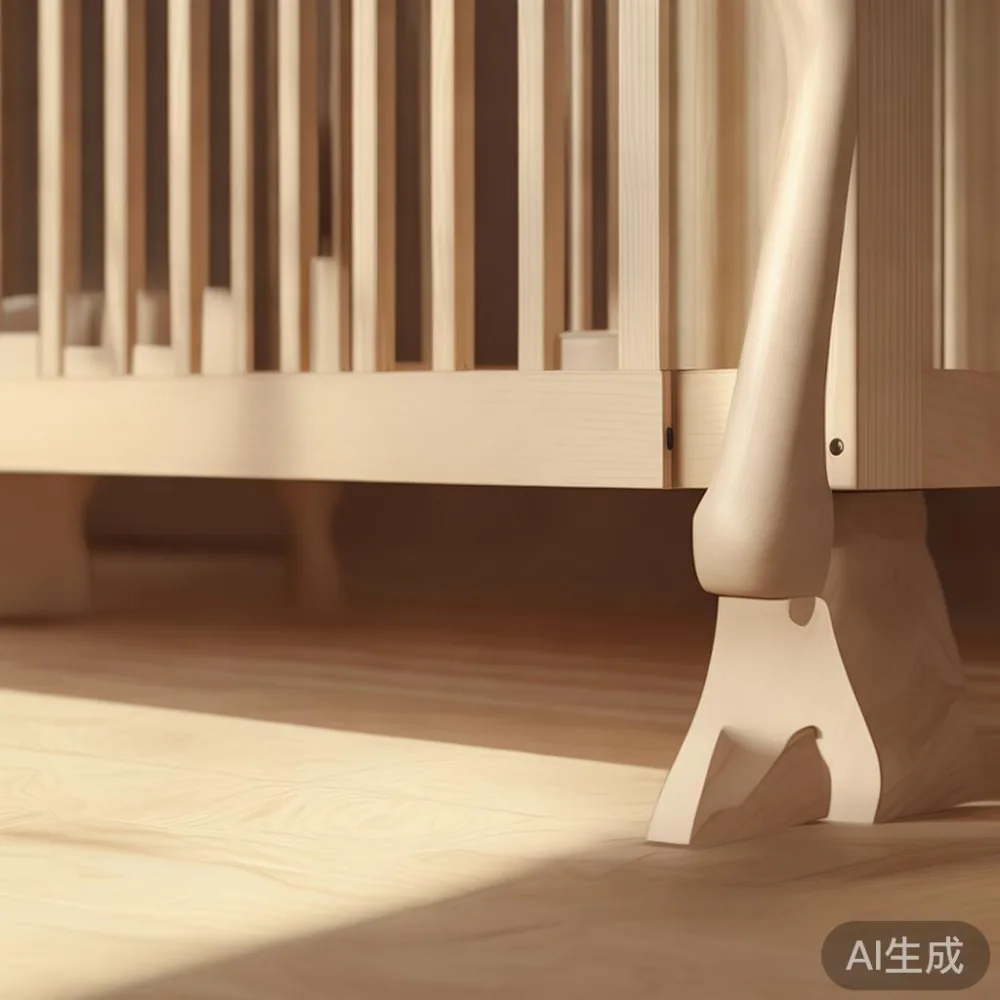
I visited a Singapore HDB nursery last month to inspect a newly delivered bunk bed. The customer had assumed that two label prices for similar-looking beds meant one was simply more expensive. After checking the timber, hardware, frame, guardrails, and packaging, the difference was clearer: the upper model used a stronger board construction, safer guard spacing, and heavier-duty connectors. It also packed into more protective sections, which reduced transit risk in a shared lift.
This guide explains the measurable factors behind solid wood furniture pricing. It applies to a nursery furniture dresser, wardrobe, bed frame, and nightstand, while also helping buyers compare a solid wood sofa, dining table, wardrobe, and marble table without comparing unlike specifications.

What actually determines the price of solid wood furniture?
The starting point is timber species and grade. Kiln-dried oak, ash, beech, and rubberwood have different raw-material costs, hardness, grain patterns, and market availability. Grade also changes with the board: a 20 mm solid panel can contain a different amount of usable timber from a 12 mm panel. Veneered furniture can use a thin 0.6 mm decorative layer over engineered board, while solid wood uses thicker material throughout.
It is useful to distinguish solid wood from solid veneer. A drawer made with 12 mm solid side panels is not automatically more expensive than a 18 mm engineered carcass with a 0.6 mm oak veneer, because the latter may be more dimensionally stable. Genuine solid timber can move slightly with humidity, so its manufacture must account for that movement. MIDHILL, a Foshan solid wood furniture maker established in 2008, uses a 10-year structural warranty, which shows how construction and confidence in the frame influence value beyond appearance.
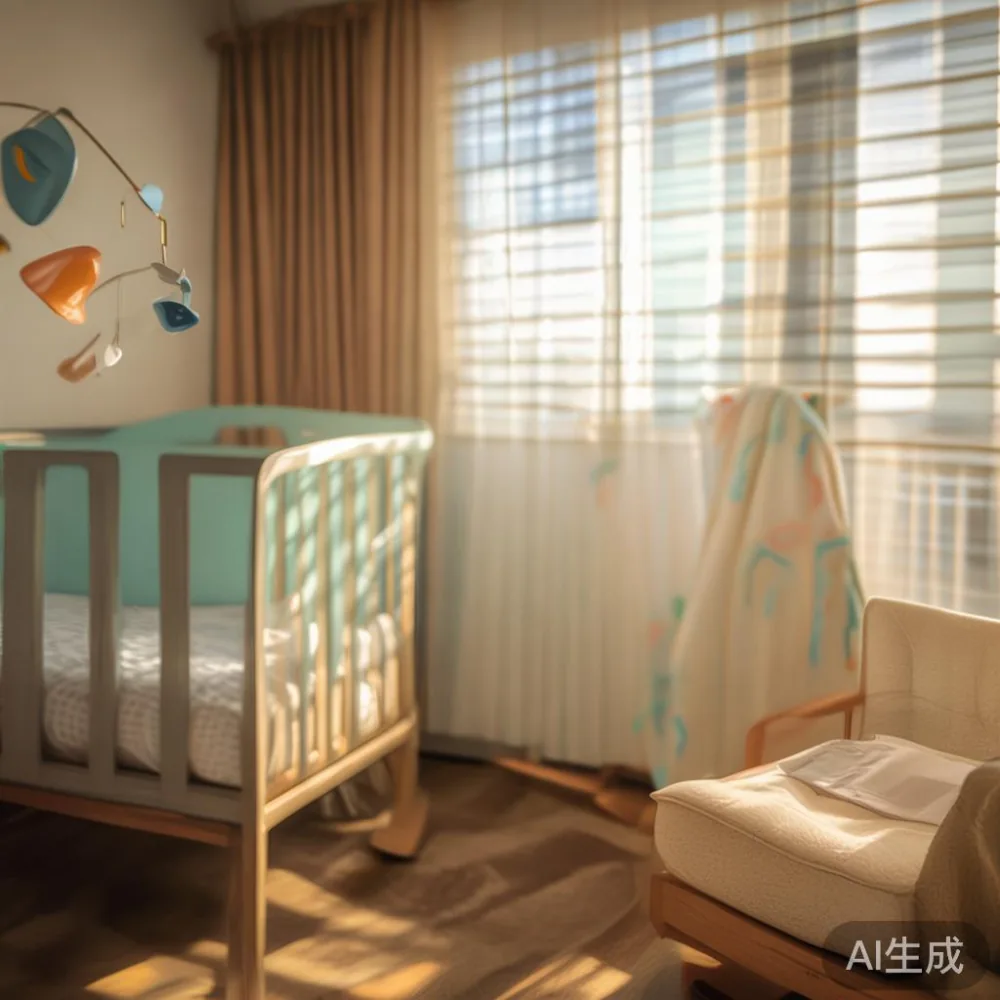
Species alone should not decide the purchase. Compare a visible surface board, frame components, drawer bottoms, backing panels, and joinery separately. Ask for the exact board thickness and material of each major part rather than accepting “solid wood” as a complete specification.
Does a thicker board always mean a higher-quality product?
No. Thickness helps explain cost, but weight, strength, and machining must be considered together. A 25 mm tabletop may weigh 42 kg, while a 18 mm top of another species may weigh 28 kg. A heavier top is not automatically better for a HDB dining area because it may be difficult to carry through a 900 mm doorway or fit into a 1,000 mm lift.
Typical Singapore furniture dimensions deserve attention. A dining table may be 160 cm long by 90 cm wide; a nursery dresser may be 120 cm wide by 50 cm deep; a wardrobe may be 180 cm high by 120 cm wide. Add 10 cm to the package dimensions for protective corners and cartons. A 1,000 mm lift may accept a 190 cm-long package only diagonally, while some corridor turns require a carton under 1,050 cm in combined length and girth.
Joint design also carries cost. Mortise-and-tenon, dowel, pocket, and screw-fixed joints each serve different purposes. Hidden fasteners can improve appearance, while confirmed fixings and proper load paths support durability. The relevant question is not merely whether a joint is “old craft”; it is whether it suits the part and can be serviced.
How much do drawers, doors, and hardware affect the cost?
Hardware is often a larger cost than buyers expect. A basic wardrobe may use 4 hinges and 1 handle set, while a more precise European for dining room cabinet may use 12 concealed hinges, adjustable hanging rails, soft-close drawer runners, and more accurately machined door gaps. A typical 3 mm gap around cabinet doors requires controlled machining because timber moves and finishes are applied after assembly.
Drawer construction is equally informative. Look for full-extension runners rated to at least 30 kg, solid or plywood drawer boxes, dovetail or dowelled corners, and bottoms seated into grooves. The visible front says little about the sides and the way the drawer is suspended. For nursery furniture, replaceable runners and standard screw sizes matter after years of daily opening.
Finishing can add materially to the price. Water-based polyurethane, oil, wax, and hardwax treatments have different coverage, maintenance, repair, and colour outcomes. A 6-coat finish may be more protective than a 2-coat finish, but the number is not meaningful without the chemistry, film thickness, and curing process. Whitewash and fumed finishes also add steps because the surface must be prepared evenly.
MIDHILL offers lifetime refinishing, which can make a repairable piece more useful over a 15-year or 20-year ownership period. Refinishing should be understood as a service entitlement rather than a promise that every mark can disappear. Ask what is covered, which parts can be returned, and how the piece is transported for service.
Why do some solid wood furniture pieces cost much more?
Precision accounts for a large share of the difference. A mass-produced bed frame may be cut with a 3 mm tolerance, while a finely adjusted French provincial bed frame may be aligned to within 1.5 mm at the headboard, side rails, and footboard. Narrower gaps, curved profiles, carved details, and matched grain require more setup, sanding, inspection, and finishing.
Design complexity changes labour. A simple nightstand with 2 drawers and square legs can be produced with repeatable jigs. A carved apron, shaped post, or hand-finished edge needs more setup and review. American light luxury often relies on clean profiles, generous proportions, and carefully controlled details rather than dense ornament. Post-modern light luxury may use mixed materials and sharper geometry, which can require different production methods.
Branding and distribution also affect the final selling price. A product may be made in the same region by different factories, yet carry different packaging, showroom support, warranties, and delivery terms. For international buyers, a 10-year structural warranty can have real value, but it should be compared with actual panel thickness, connector type, and service instructions.
The same principle applies outside the nursery. A customer researching the top 10 French provincial furniture should compare the timber, frame, drawer construction, finish, and dimensions of each item—not only the style label or marked price. The phrase may suggest a particular visual direction, but a curved front can be moulded cheaply or machined accurately at a much higher cost.
Is solid wood always more expensive than veneer or engineered wood?
Not always. A well-built engineered wardrobe can cost less because large sheets are dimensionally stable and efficient to machine. It may use 18 mm particle board with 0.6 mm oak or walnut veneer. Solid wood becomes more costly when narrow boards must be joined, defects are excluded, surfaces are selected for continuity, and the design allows natural movement.
For a child’s room, the comparison should include safety and repair. A nursery furniture wardrobe needs stable wall fixing, anti-tip restraints, rounded corners, and secure door catches. A heavier solid frame may resist tipping, but weight alone does not guarantee correct installation. The fixings must suit a 12 mm plasterboard wall or concrete block, and the manufacturer should provide clear instructions and parts.
For the bedroom, French provincial for bedroom layouts often pair a solid wood bed frame with curved rails, shaped legs, and muted finishes. French provincial for office schemes use similar forms in desks and bookcases, where writing comfort, cable management, and drawer extension are as important as the timber. A French-style desk may use solid ash on the top and selected frame parts but plywood or engineered wood inside a drawer box; that mixed construction can be sensible if it is clearly disclosed.
How should I compare a marble table with a solid wood dining table?
A marble table has a different cost structure. The slab may cost more because of quarrying, cutting, polishing, and variation. Its weight can reach 70 kg for a 160 cm by 90 cm table. Natural marble also needs sealing and careful handling; it can stain or chip despite its hard surface.
A solid wood dining table typically costs less per square metre of surface, yet a thick, wide, well-matched top can still be expensive. Ask whether the top is 25 mm or 40 mm, whether it is one continuous board or several joined boards, and how expansion is managed. For Singapore’s humidity, a well-engineered solid top can breathe better than an overly rigid frame.
Use the room before choosing. A 200 cm table needs around 90 cm of clearance behind each seated person, or roughly 380 cm in total. A 160 cm table needs about 75 cm per side, or 310 cm in total. Marble suits cool, light-luxury rooms with slim bases; solid wood suits warmer spaces and can show repair more readily.
A solid wood sofa introduces upholstery, foam, springs, covers, and frame construction. If the frame is kiln-dried hardwood with corner bracing and the seat uses 35 kg/m³ foam over quality webbing, it should not be judged against an upholstered product with a weaker frame simply because both are called sofas. This is where searching for a MIDHILL sofa specification can help: record the frame species, suspension, foam density, cover composition, and dimensions before comparing prices.
How do design, room planning, and delivery change the total cost?
Custom sizing is one of the clearest price drivers. A standard 180 cm wardrobe may cost SGD 1,260, while a made-to-measure 174 cm version may cost SGD 1,540 after adjustment, hardware selection, and inspection. Shortening a bed can require new machining, new hardware, and revised finishing rather than a simple cut.
Access planning can prevent expensive mistakes. For a HDB flat in Tampines, measure the lift car at 1,000 mm wide by 1,400 mm deep, then measure the door and the narrowest corridor turn. The same checks apply to Bedok and Punggol condos, where common corridors may be narrower than the main entrance. Record the route from the loading area to the room and photograph fixed obstacles.
Delivery terms should be compared as part of the price. MIDHILL provides free shipping for orders over US$350, but international freight is separate from the final Singapore retail price. Singapore GST at 9% applies to taxable local supplies. A local showroom may include GST while a direct import quotation may include freight, customs duties, and other landed charges. Ask for an itemised figure covering the furniture, GST, delivery, assembly, and any access surcharge.
Lead time also affects cash flow and availability. Stocked items may arrive in 7 to 14 days; made-to-order pieces commonly need 45 to 90 days, while custom finishes may take 90 to 120 days. A 14-day return period is useful for inspection, but it does not replace measuring the access route before ordering.
For style planning, a practical guide to how to style Japandi sofa in room layouts calls for low visual clutter, warm timber, pale textiles, and 3 cm to 5 cm gaps around the sofa. For storage, guidance on how to style European light luxury wardrobe in room schemes should focus on aligned openings, concealed handles, warm neutral walls, and a nearby light source that lets the grain remain visible. These details cost little but make a higher-priced piece feel more considered.
What should I ask before paying for solid wood furniture?
Ask for a written specification: timber species, board thickness, frame construction, joinery, hardware, finish, dimensions, net weight, package dimensions, and warranty. For nursery furniture, request information about guardrail spacing, drop edges, anti-tip restraints, drawer entrapment protection, and the finish’s suitability for a child’s surfaces.
Check the total weight and moving method. A solid wood bed frame may weigh 68 kg, a marble table 76 kg, and a nursery dresser 46 kg. A team carrying 46 kg upstairs needs appropriate insurance and safe handling, while a 76 kg table may need a hoisting plan. The delivery quote should state the number of handlers, stair charges, and whether assembly is included.
Last month, my colleague and I tested 4 drawer fronts from 2 different prices of nursery furniture. We opened and closed each 100 times, checked the side-to-side play, and measured whether the fronts stayed aligned under a 12 kg load. The lower-priced unit developed a 3 mm movement at one corner; the other remained within 1 mm. That small test did not prove universal superiority, but it demonstrated why movement, hardware, and tolerances need direct comparison.
Price is therefore a bundle of material, engineering, labour, finish, logistics, and after-sales support. A high figure may reflect unnecessary ornament or an inefficient seller; a low figure may omit specifications. The sound approach is to compare like with like, inspect the joinery, verify the dimensions, and price the complete route into the room. In that context, solid wood furniture can represent durable value rather than a decorative luxury purchased on appearance alone.