What Actually Drives the Price of Solid Wood Furniture?
When furnishing a nursery in a Singapore HDB flat or condo, the choices can feel overwhelming. The space is small, the needs are specific, and the desire for something beautiful and lasting is strong. Solid wood furniture often emerges as the preferred choice, promising durability and timeless appeal. However, the price tags can vary dramatically, from a few hundred Singapore dollars to several thousand. This leaves many parents wondering: why the disparity? What are the hidden factors that turn a simple wooden nightstand into a significant investment? The answer lies not in a single element, but in a complex interplay of material, craftsmanship, design, and logistics.

Is Solid Wood Nursery Furniture Really Worth the Premium in Singapore?
The question of value is paramount for Singaporean families, especially when space is at a premium. A nursery furniture set must be functional, safe, and aesthetically pleasing. Solid wood furniture commands a higher price than its engineered wood or laminate counterparts, and understanding why requires looking beyond the surface. The core value proposition of solid wood lies in its longevity and authenticity. A solid oak wardrobe, for instance, can withstand the rigours of a child's growth and the frequent moves common in Singapore's urban landscape. Unlike particleboard that might swell or warp in our humid climate, a well-crafted solid wood piece can be refinished years later, extending its life significantly. This long-term durability, coupled with the natural beauty of the grain, offers a different kind of value that flat-pack furniture simply cannot match. For a family planning to stay in their Tampines or Bedok flat for a decade, this initial investment can prove more economical over time.
The Material Matters: Wood Type, Origin, and Processing
At the very foundation of a furniture's price is the wood itself. Not all solid wood is created equal. The species of wood is the single most significant factor determining cost. Common, fast-growing woods like rubberwood or pine are more affordable. A solid pine nursery chest of drawers might be priced around SGD 800. In contrast, slow-growing, dense hardwoods like oak, walnut, or mahogany command a premium due to their scarcity, durability, and rich colour variations. An American walnut wardrobe, for example, could easily exceed SGD 3,500.
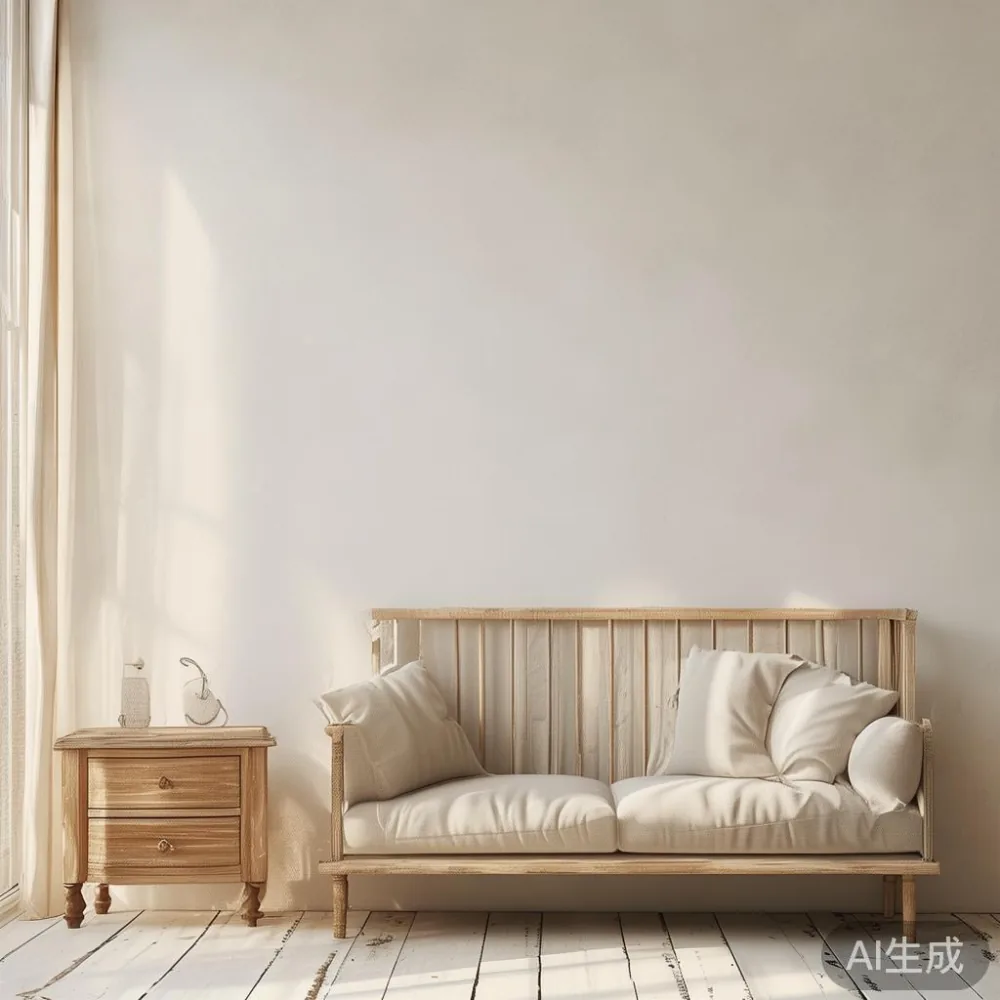
The origin of the wood also plays a role. European and North American woods often have a reputation for quality and are subject to stricter environmental regulations, which can influence the price. The processing adds another layer. Kiln-drying is a critical step where wood is dried in a controlled environment to reduce its moisture content to a specific level (typically between 6-10% for Singapore's climate). This prevents the wood from cracking or warping later on. A poorly dried piece of furniture, even if made from a premium wood, is a poor investment. My colleague last month visited a workshop and saw firsthand how a batch of teacup boards was rejected because their moisture content was off by just 1.5%. Such meticulous attention to detail is reflected in the final price. Also, the grade of the wood—whether it has clear, straight grain (select grade) or more knots and character (rustic grade)—affects both cost and appearance. A select grade oak dining table will be more expensive than one with a rustic finish.
Craftsmanship and Joinery: The Invisible Art
What truly separates a piece of furniture from a mere assembly of wood is the craftsmanship. This is where the difference between mass production and artisanal work becomes clear. In factories that supply large retailers, the focus is on speed and cost-efficiency. This often involves using staples, nails, and simple dowel joints. These methods are functional but lack the strength and longevity of traditional joinery.
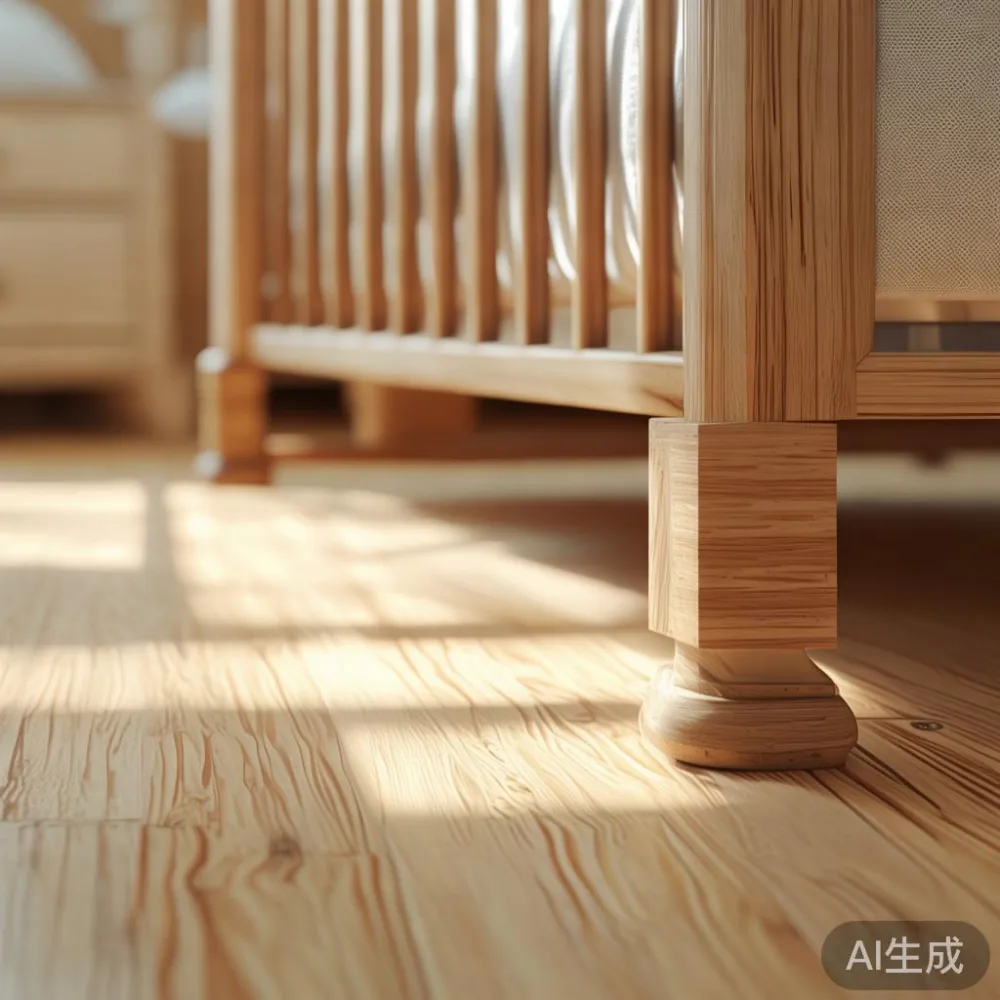
Higher-end furniture, especially those with a light luxury positioning, relies on time-honoured techniques like dovetail joints, mortise and tenon joints, and finger joints. A dovetail joint, for example, is interlocking and provides immense strength, making it ideal for drawer boxes that will be opened and closed thousands of times. Creating these joints requires skilled labour and precision machinery. This level of craftsmanship takes time. A single solid wood nightstand with hand-cut dovetail drawers might take a master carpenter 8 hours to complete, whereas a machine-made version could be assembled in 15 minutes. This difference in labour time is a direct contributor to the price. The finish is another aspect of craftsmanship. A multi-step finishing process, involving sanding between coats and applying a hand-rubbed oil or lacquer, creates a deep, lustrous finish that protects the wood and enhances its natural beauty. This is far more labour-intensive than a simple spray-paint finish.
Design, Branding, and the Light Luxury Aesthetic
Design is not just about how a piece of furniture looks; it's about the story it tells and the emotional connection it creates. A simple, functional design will always be less expensive than one that incorporates complex curves, intricate carvings, or a specific aesthetic. The concept of light luxury has become increasingly popular in Singapore, blending comfort with understated elegance. This style, whether it's French light luxury with its soft curves and elegant proportions, American light luxury with its focus on comfort and quality materials, or post-modern light luxury with its bold, minimalist forms, influences pricing significantly.
Designing a collection like the best European light luxury furniture involves not just aesthetics but also ergonomics. A French provincial bed, for instance, might feature gracefully curved headboards and footboards, requiring custom templates and specialised cutting tools. This design complexity adds to the manufacturing cost. Also, the brand's reputation and design philosophy contribute to the price. A brand known for creating iconic pieces like the best Post-modern bed for 2026 can command a premium because its design is seen as an investment in style. The intellectual property, the design sketches, and the prototyping process all have a cost that is passed on to the consumer. When a customer asks how to choose a French provincial bed, they are often investing in a specific design language that transcends mere function.
Logistics, Duties, and the Singapore Context
For a company like MIDHILL, which exports to 15+ countries, the final price of a piece of nursery furniture is heavily influenced by logistics and international trade costs. The journey of a solid wood dining table from the factory in Foshan to a customer's condo in Punggol involves several steps and associated costs.
First, there is the cost of shipping. A single wardrobe can weigh 80 kg and measure 200 cm in height. Shipping such bulky items via sea freight, which is the most economical method, takes approximately 25-30 days from China to Singapore. The cost for a full container load (FCL) is substantial, and when divided among the pieces in that container, it contributes to the per-item price. For smaller orders, less than container load (LCL) rates are higher per kilogram. Once the goods arrive in Singapore, they are subject to Goods and Services Tax (GST). The current GST rate of 9% is applied to the total cost of the furniture, plus the shipping and insurance costs (CIF value). This means a SGD 1,000 piece of furniture with SGD 200 in shipping and insurance becomes subject to 9% GST on SGD 1,200, adding SGD 108 to the final price. This is a non-negotiable cost that affects every imported item. There are also local logistics costs involved, including transportation from the port to a warehouse, and finally, the 'last-mile' delivery to the customer's home. In Singapore, this last-mile delivery must work through the specific dimensions of HDB corridors and lift widths. A standard HDB lift is 110 cm wide by 210 cm deep, so any furniture larger than this requires careful planning, often involving special delivery teams and potentially additional fees for working through tight spaces. These logistical realities, from sea freight days to GST calculations, are baked into the price of every piece.
The Long-Term Value: Warranty, Refinishing, and Peace of Mind
When evaluating the price of solid wood furniture, it's important to consider the long-term value and the services that accompany the purchase. A lower-priced piece might seem attractive initially, but it often comes with no guarantees. A reputable manufacturer, however, stands behind its products. This is where warranties and service policies become a key part of the value equation.
A 10-year structural warranty, for instance, is a powerful statement of confidence in the furniture's build quality. It covers the core frame, joints, and legs, protecting the buyer against defects in craftsmanship for a decade. This level of assurance is typically only offered by brands that use high-quality materials and superior construction techniques. Similarly, a lifetime refinishing policy is an extraordinary benefit. Solid wood furniture can be sanded down and refinished multiple times, allowing it to be refreshed or changed in colour as a child grows or a home's decor evolves. This service, offered by some manufacturers, effectively gives the furniture an indefinite lifespan, adding immense value that is not reflected in the initial price tag. For a nursery, this means a solid wood crib can be refinished when the child is older to become a stylish console table in the living room. These policies are not marketing gimmicks; they are a reflection of the product's inherent quality and the manufacturer's commitment to sustainability and customer satisfaction. Free shipping over a certain threshold (e.g., SGD 350) is another value-added service that simplifies the purchasing process, eliminating a potential hidden cost for the customer.
To close, the price of solid wood nursery furniture is a composite of many tangible and intangible factors. It is the sum of the raw material's worth, the hours of skilled labour, the complexity of the design, the costs of global logistics and local taxes, and the assurance of long-term support. While the initial outlay may be higher, a discerning customer in Singapore understands that they are not just buying a piece of furniture. They are investing in a durable, beautiful, and lasting piece of their home's story, capable of withstanding the test of time and changing needs.