What to Check Before Buying a Sofa You Cannot Sit On: A Singapore Buyer's Guide for Solid Wood Sofas and Nursery Furniture
Last month I visited a Tampines HDB showroom with a young couple expecting their first child. They wanted a solid wood sofa that would grow with the family, last through toddler years, and still look respectable when grandparents visit from Bedok. They asked the salesperson the same question every Singaporean buyer eventually asks: "Can I sit on it first?" The honest answer for most imported pieces is no — and that single constraint changes how you should evaluate everything else. This guide walks through the 12 checks I now run through with every client at MIDHILL, where our solid wood sofas, bed frames, dining tables, wardrobes, nightstands, and marble tables ship from Foshan to HDB doorsteps across Punggol, Sengkang, and the rest of the island.
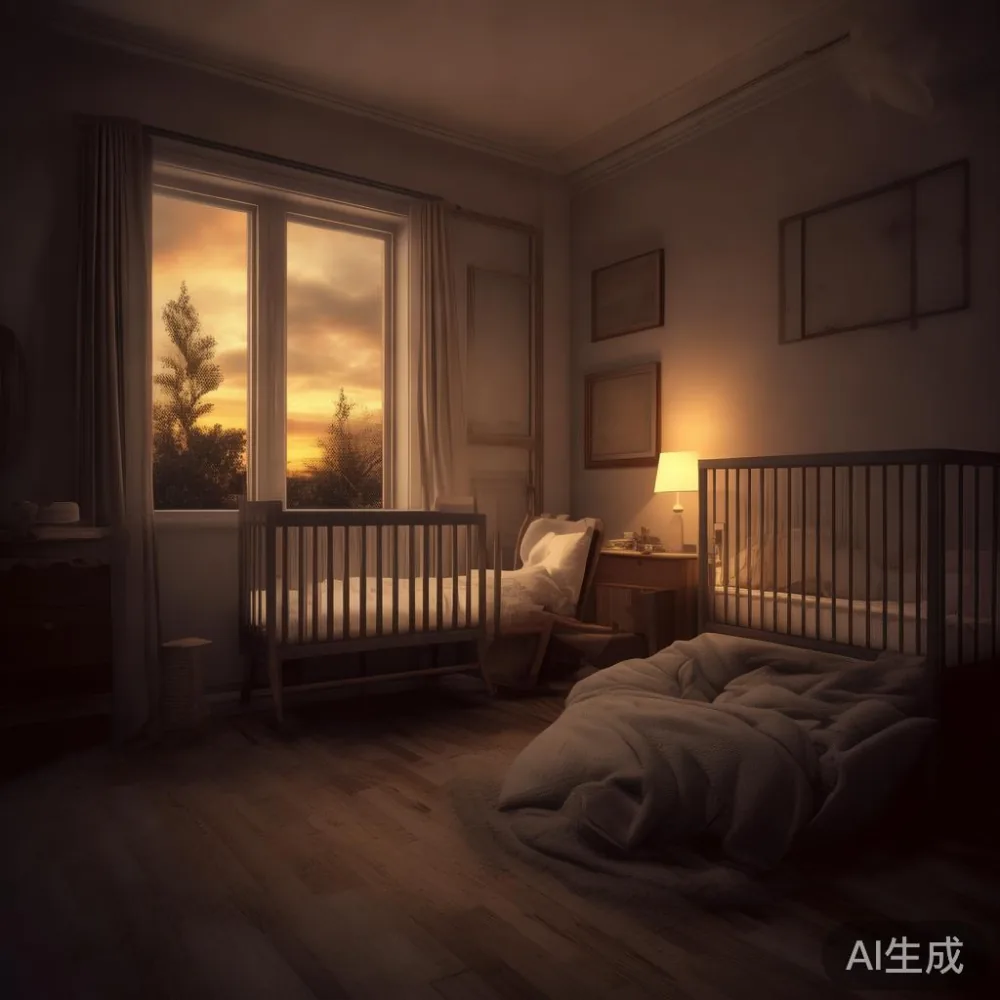
Why You Often Cannot Sit on the Sofa Before Buying in Singapore
Most solid wood sofas sold in Singapore come directly from overseas factories in Foshan, Malaysia, or Vietnam. Showroom samples are often limited to one or two pieces, and the model you want — say a 240 cm three-seater in walnut or a corner configuration in oak — may only exist on the production line. The salesperson cannot pull one off a shelf. Add in the fact that many local dealers operate from small shophouse units in Tai Seng or Defu Lane where a 220 cm sofa simply does not fit, and you understand the constraint. MIDHILL keeps its Singapore-bound pieces moving from a 25,000 sqm Foshan facility (our parent complex, not MIDHILL's own footprint) directly to your door, which means samples are photographed, not sat on.
The 12-Point Inspection List for a Sofa You Cannot Test
When you cannot sit on the sofa, you inspect everything else twice as hard. I use the same 12-point checklist for clients buying a 3-seater for a 4-room HDB in Punggol or a sectional for a condominium in River Valley. Print it, screenshot it, bring it to the showroom.
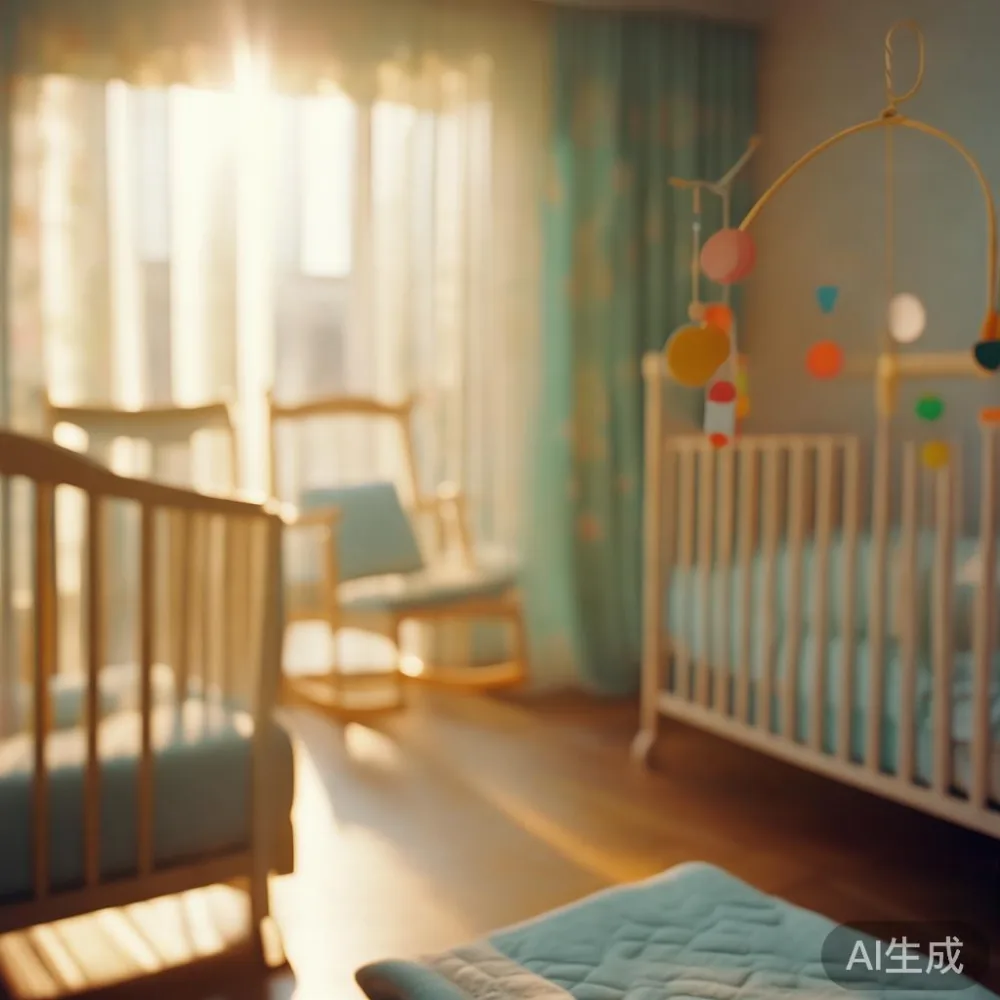
- Frame material and joinery. Ask whether the frame is solid hardwood (oak, ash, walnut, cherry) or engineered wood with a veneer. Solid wood sofa frames cost more but resist Singapore's 80–90% humidity when properly kiln-dried to 8–12% moisture content. Look for mortise-and-tenon or dowel joinery, not staples or glue alone.
- Load rating in kg. A quality 3-seater should be rated for at least 360 kg total static load (120 kg per seat). For a household expecting a child climbing on the armrest, ask for 400 kg+.
- Seat depth and height. Standard Singapore-friendly dimensions are 55–60 cm seat depth and 45 cm seat height. Too deep and a 160 cm adult cannot rest their back; too shallow and a 185 cm spouse will slouch.
- Cushion fill and density. High-resilience foam at 32–35 kg/m³ wrapped in a feather or fibre topper gives the best balance for napping parents. Pure feather collapses within a year; pure foam feels clinical.
- Fabric rub count. For a family with a newborn or toddler, demand at least 30,000 Martindale rubs on the upholstery. Anything below 20,000 will pill within 18 months.
- Removable, washable covers. Nursery reality: spit-up, milk spills, and crayon marks. Zippered, machine-washable covers are not a luxury, they are hygiene infrastructure.
- Leg height and robot-vacuum clearance. Minimum 12 cm under the sofa so your Roborock or Dreame can pass. I have measured this in my own Punggol flat after losing a sock under the sofa for three weeks.
- Modular or knock-down construction. A flat-pack sofa that fits through a 90 cm HDB corridor door and a 100 cm lift is worth a 15% premium for Singapore HDB living. Confirm the package dimensions in cm before paying.
- Hardware corrosion rating. Stainless or zinc-plated brackets prevent rust bleed on the solid wood frame when humidity hits 90% during the December monsoon.
- Warranty term and what it covers. Frame warranty should be a minimum of 10 years. Cushions and fabric typically 1–2 years. Read the small print on "structural" versus "defect."
- Delivery access survey. Measure your corridor, lift door, and any turn at the staircase. Most 4-room HDB corridor widths are 1.2–1.5 m; lift door widths are usually 90 cm wide and 2.1 m tall. Confirm the sofa package fits before ordering.
- Return and replacement policy in writing. This deserves its own section, and we answer it below.
How do I choose a return policy for a living room?
Choose a return policy that gives you at least 14 calendar days from the day of delivery, covers manufacturing defects (cracked frame joints, sagging cushions beyond 2.5 cm, fabric runs) at no return-shipping cost to you, and explicitly excludes only clearance and custom-finished items. The strongest indicator of a confident policy is one that posts the terms publicly on the product page, not buried in a PDF you must request by email. At MIDHILL, our standard living-room policy is 14-day returns on stocked items and a 10-year structural warranty on every solid wood sofa, bed frame, dining table, and wardrobe — terms you can read on the same page as the price, in SGD, with the GST-inclusive figure shown upfront.
Reading Singapore-Specific Delivery Constraints Without Losing Your Mind
A solid wood sofa is heavy. A 3-seater in walnut with a kiln-dried frame typically weighs 75–95 kg. Add packaging and you are looking at a 90–110 kg shipment that two delivery men must carry through your HDB corridor, around the lift lobby corner, and into your living room. Before you click pay, confirm three numbers: the corridor width at the tightest point (often 1.1 m near the refuse chute), the lift door width (90 cm is standard for most HDB blocks built after 1990, though some older blocks in Bedok and Tampines still run 80 cm), and the lift depth (1.3–1.6 m). A 240 cm corner sofa will not fit a 90 cm door in one piece. Ask whether it ships in two or three modules and whether reassembly requires tools beyond a hex key. Most reputable Foshan exporters, MIDHILL included, provide a packing list with module dimensions in cm and total weight in kg, which removes the guesswork.
My colleague in operations once had a Sengkang client whose lift door measured 88 cm — 2 cm under the standard 90 cm. The sofa was a 220 cm three-seater with a single-piece backrest. We rebuilt the backrest as two sections at no extra cost and the client received it two days later than originally promised. That kind of accommodation is not universal; ask before you pay the deposit.
Sizing a Sofa Around a Cot, a High Chair, and the Reality of Nursery Furniture Layouts
Nursery furniture is its own design discipline, and the living-room sofa sits at the centre of it. A typical Singapore nursery-living layout combines a cot (usually 120 × 65 cm), a rocking or feeding chair, a changing station, and the family sofa within a 12–15 sqm footprint. The sofa cannot crowd the cot, block the corridor to the bathroom, or trap you between the coffee table and the armchair during a 2 a.m. feed. Measure the room, mark the cot footprint with masking tape, and only then choose a sofa length. For a 4-room HDB living room of roughly 18 sqm, a 200–220 cm three-seater leaves room for a 90 cm side table, a small marble table or coffee table (think 110 × 60 cm), and a 60 cm clearance behind the sofa for curtain access.
If you are also choosing a bed frame, dining table, or wardrobe from the same supplier, keep the wood species and finish consistent across pieces so the room reads as one collection rather than a clearance bin. French light luxury styling — pale oak, brushed brass feet, low-profile silhouettes — pairs naturally with the soft grey-cream palette most Singapore nurseries adopt. American light luxury leans warmer: walnut tones, deeper seat depths, rolled arms. Post-modern light luxury pushes into sculpted shapes and matte black metal accents, which works well in newer condos at Punggol Digital District where the architecture is already angular. Pick one direction and stick to it.
Where a Grey Cherry Wood Accent Chair Fits Into This Picture
The sofa carries the room, but a single grey cherry wood accent chair in the corner solves three problems at once. It gives the feeding parent a supportive backrest during long night feeds, it provides a perch for visiting grandparents who refuse to sink into a deep sofa, and it visually balances a heavy three-seater without competing with it. Grey cherry wood reads cooler than walnut, which suits Singapore's bright afternoon light bouncing off HDB corridor walls. Place it 80–90 cm from the sofa arm at a slight angle, pair it with a 45 cm drum side table for a bottle warmer, and the nursery layout clicks into place.
Total Landed Cost in SGD (and Why GST Changes the Comparison)
Budget the sofa price, the GST, the delivery surcharge if any, and the optional stair-climb fee. A typical MIDHILL solid wood sofa in oak or ash, 220 cm three-seater, lands between SGD 1,650 and SGD 2,400 including 9% GST and free shipping above US$350 (roughly SGD 470). Shipping from Foshan to a Singapore HDB door runs 18–28 days by sea-air combination. A heavier walnut frame in a larger 260 cm size runs SGD 2,800–3,600 all-in. Custom fabric upgrades add 8–15%. If the price you are quoted is more than 40% below these figures, the frame is almost certainly engineered wood, not solid hardwood, and the 10-year structural warranty is marketing copy rather than a commitment.
Care After Delivery: Making the Sofa Outlast the Toddler Years
Unbox within 48 hours of arrival so the cushions can decompress in your air-conditioned room rather than a warehouse. Vacuum the fabric weekly with a soft brush attachment to remove the fine HDB corridor dust that settles within hours of mopping. Rotate the seat and back cushions every three months so wear distributes evenly. For solid wood frames, wipe with a barely damp microfibre cloth every fortnight; never use silicone polishes marketed for veneer furniture, because they leave a film that traps moisture against the wood grain. If the frame develops a light scratch during the toddler-climbing phase, MIDHILL offers lifetime refinishing on solid wood pieces — sand, re-stain, re-seal — at cost of transport only, which is the kind of after-sale support that turns a one-off purchase into a 15-year relationship.
Questions Singapore Buyers Ask Me Every Week
Is a solid wood sofa really worth SGD 500 more than an engineered-wood one? For a household with a nursery, yes. The frame outlasts two children, three sofa-bed conversions for in-laws, and a house move. Spread across 12 years that works out to roughly SGD 1.40 per week per seat, less than a kopi at the void deck.
How do I know the cushions will not sag in year two? Ask for the foam density in kg/m³ and the spring system beneath. Eight-way hand-tied springs are the gold standard; sinuous wire is acceptable; webbing alone is a red flag.
Can I order a swatch before committing? Reputable exporters ship 10 × 10 cm fabric swatches for SGD 5–10 credited back against your order. If a supplier refuses to send a swatch, walk away.
What if my lift cannot handle a 95 kg crate? Most HDB passenger lifts are rated 630–1,000 kg, so a 95 kg sofa crate is fine. The constraint is door width, not weight. Confirm with your town council if you live on a high floor of an older block where the lift has been retrofitted.
Putting It All Together for Your Tampines, Bedok, or Punggol Home
A sofa you cannot sit on is not a gamble if you treat the buying process as a structured inspection rather than an emotional impulse. Confirm the frame is solid hardwood kiln-dried to 8–12% moisture, the joinery is mortise-and-tenon or dowelled, the fabric passes 30,000 Martindale rubs, the cushions use 32 kg/m³ high-resilience foam, the legs clear your robot vacuum by 12 cm, the modules fit your 90 cm lift door, the warranty runs 10 years on structure, and the return policy gives you 14 days from delivery with the manufacturing-defect clause clearly written. Add a grey cherry wood accent chair for feeding nights, keep your nursery furniture on a single wood species, and the room will hold together from the newborn phase through the primary-school years without a single replacement. That is the test of a sofa worth shipping from Foshan to your Singapore door.