Lacquered Nursery Furniture Care for Singapore Homes
Humidity, sudden rain and tightly shared corridors can make caring for lacquered nursery furniture harder than it looks in a showroom. A lacquered solid wood cot may look calm and smooth in a Tampines HDB flat, yet its finish still has to survive daily wiping, sticky fingers, airborne moisture and the slow movement of a tropical building. The useful question is not whether lacquer is delicate. It is how much protection the surface needs, how quickly moisture reaches it and what habits prevent small marks from becoming permanent damage.
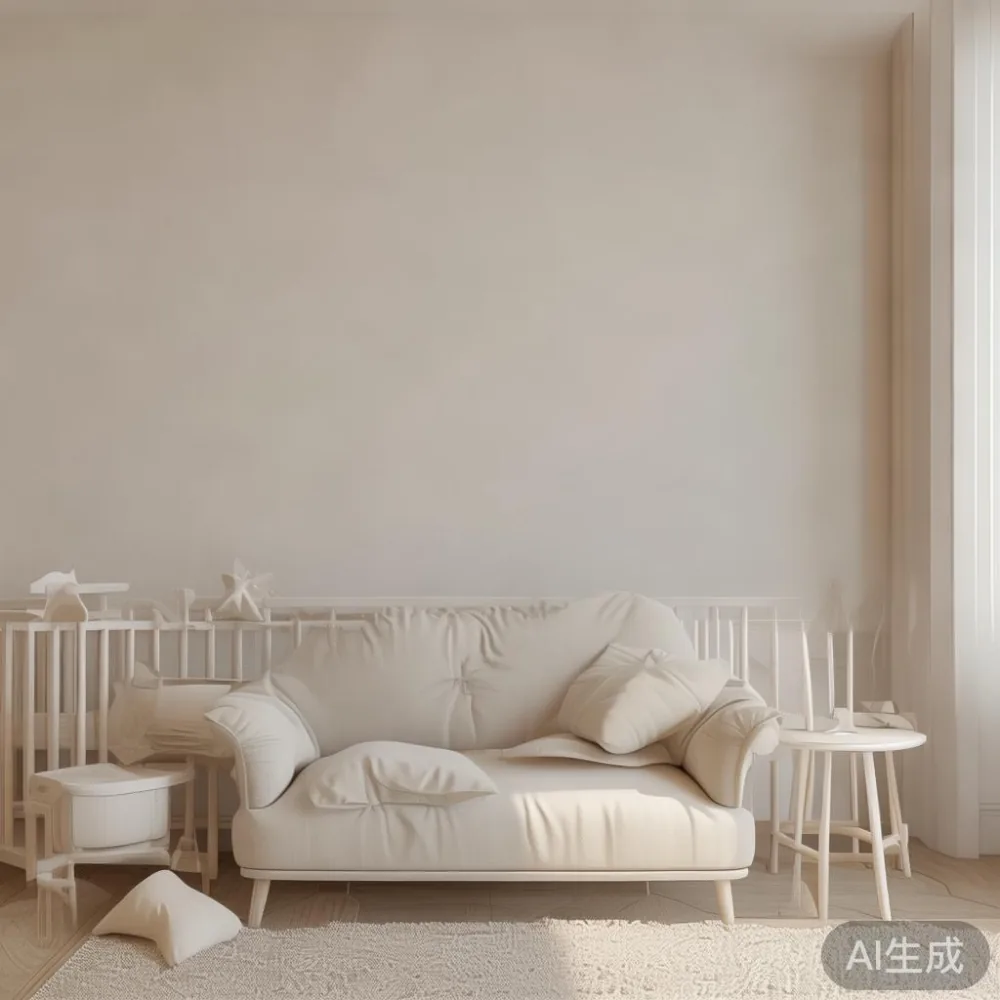
MIDHILL applies practical care principles to nursery furniture while retaining the visual restraint associated with French light luxury and post-modern light luxury design. Pale timber, rounded profiles and quiet colours can make a child’s room feel composed without making it look like a display suite. In Singapore, that means combining correct furniture selection with a maintenance routine suited to heat, humidity and frequent contact.
What makes lacquer different in a tropical climate?
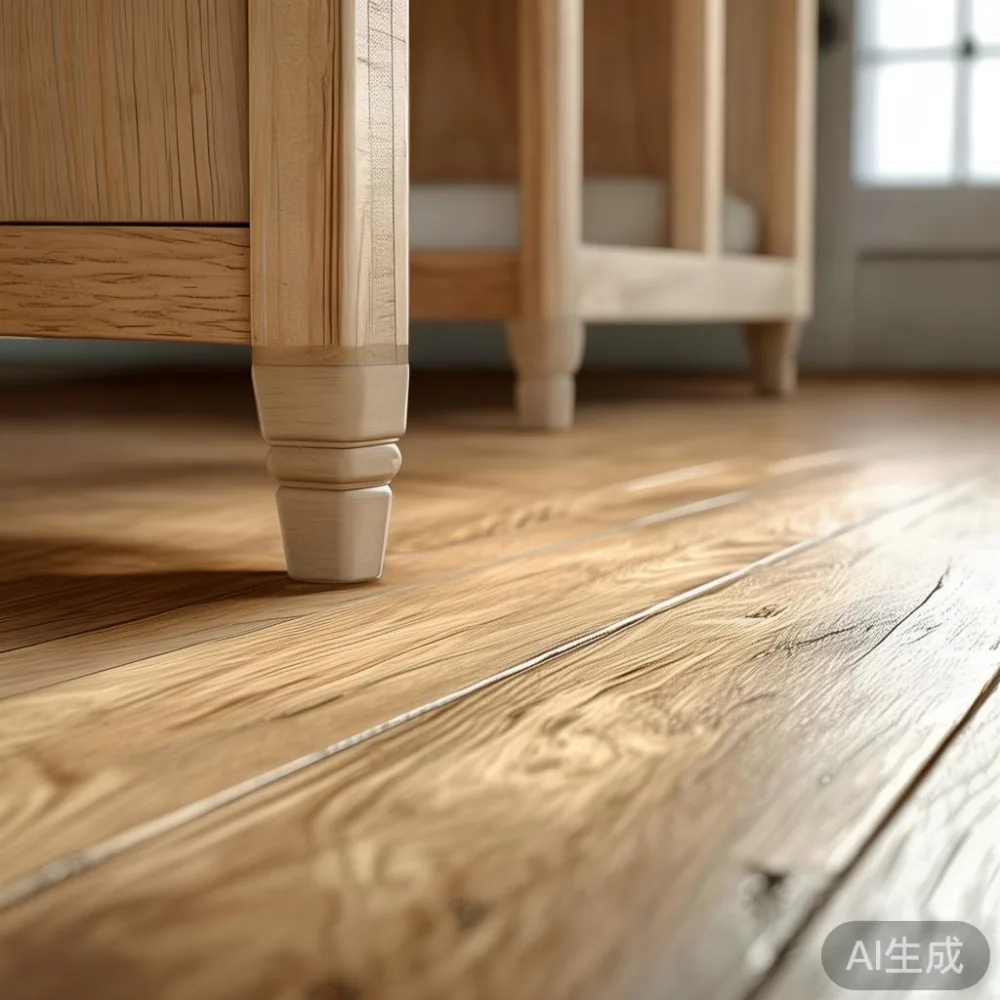
Lacquer is a surface coating rather than the solid wood itself. Its appearance and texture depend on the number of coats, the sheen, the application method and the quality control during curing. A well-finished surface should feel even under the hand and show no pinholes, orange peel, trapped dust or visible overlaps. Those checks matter more in a nursery because children touch rails, crib edges and bedside surfaces often.
Singapore’s relative humidity commonly ranges from about 65% to 85% through the year, with coastal areas and rain affected periods reaching higher readings. Use a calibrated hygrometer near the furniture rather than relying on a weather app. Aim to keep the room around 45% to 60% relative humidity where practical. When readings remain above 70% for long periods, run a dehumidifier or use air conditioning more regularly. Keep the cot or bed frame at least 30 cm away from windows with persistent condensation, and do not place it directly against an exterior wall that remains cool and damp.
Wood movement is normal. Solid wood expands and contracts with changes in moisture, and a lacquered top, bed frame or dining table should be designed with that movement in mind. The finish should not bridge joints in a rigid, unnatural way. If a panel is visibly cupping, splitting at its edges or peeling in several places, stop polishing it and obtain an assessment. One isolated scratch can be managed; widespread lifting usually points to moisture, preparation or coating failure.
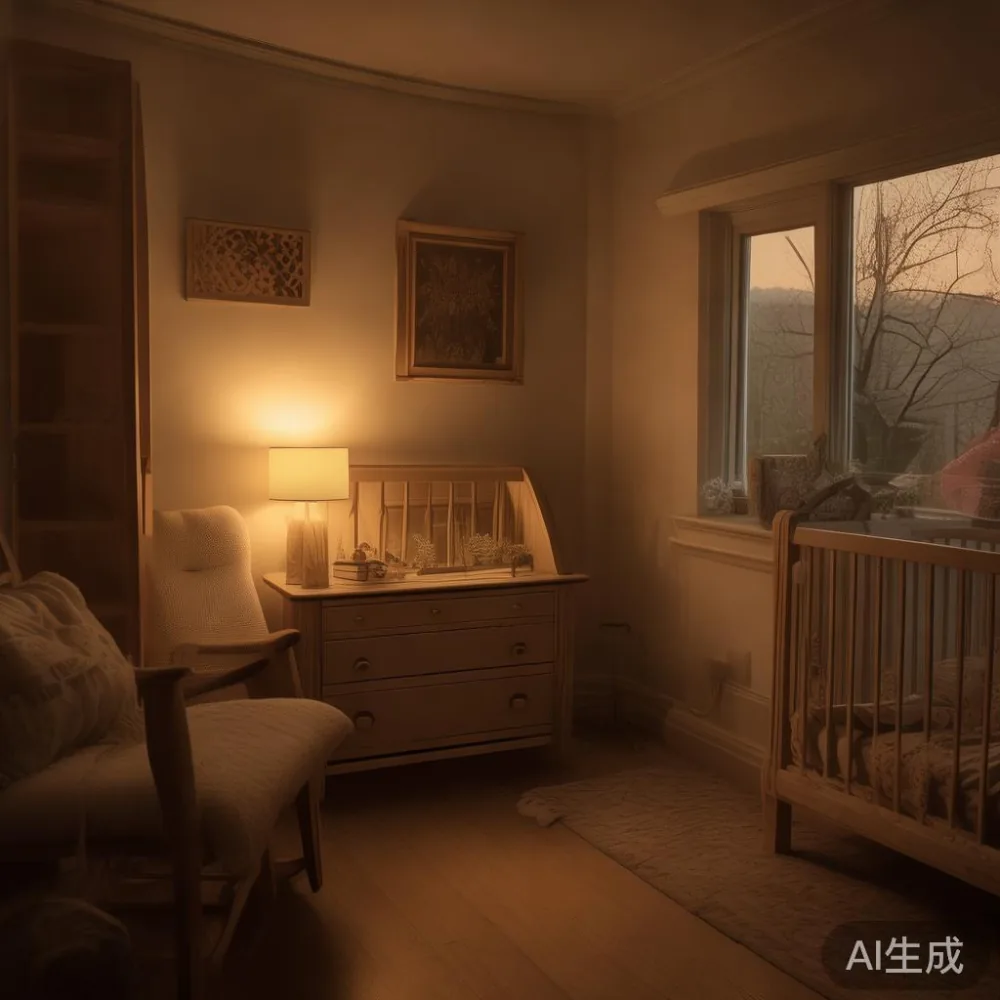
For an HDB family, the storage and airflow plan is part of furniture care. A nursery dresser may fit comfortably beside a cot, but it should not block the wall ventilation opening or sit beneath a leaking window. In a condo, position lacquered nursery furniture away from bathroom doors, kitchen steam and balcony doors that remain open after rain.
How often should I clean a lacquered nursery surface?
Dust it every 7 days and wipe high-touch areas every 2 to 4 weeks. More frequent cleaning is unnecessary if a dry cloth handles the routine dirt. For sticky fingerprints, use a soft microfibre cloth barely dampened with water, then dry immediately with a clean cloth. A 10 cm cleaning patch is enough for a local mark, but inspect the finish under side lighting before using any product.
Avoid ammonia, bleach, alcohol, acetone, paint thinner, silicone spray, furniture polish and alkaline cleaners unless the lacquer manufacturer specifically permits them. Even diluted harsh chemicals can soften the coating or leave a dull bloom. Test on a hidden 2 cm section and wait 24 hours. If the area becomes cloudy, sticky or dull, wipe it once more with clean water and dry it.
Never soak a lacquered surface. Do not pour water into joints, around fittings or beneath a removable tray. For a feeding chair or low nightstand that receives repeated spills, use a separate waterproof mat rated for the actual dimensions and lift the furniture rather than sliding it across tiles or laminate flooring.
Clean more carefully after major renovation. Paint spatter, adhesive and construction dust can lodge in edges and fittings. Keep nursery furniture in its packaging or under breathable covers during the 14 to 30 days of painting and renovation, but do not seal damp timber in plastic for 5 or 6 days. Once the room is odour-free and well ventilated, wipe the piece with a clean microfibre cloth and check for loose particles.
How should I remove fingerprints, scuffs and small scratches?
Start with the least aggressive method. A clean microfibre cloth and a drop of water will often lift fresh fingerprints. Hold the cloth over the mark for 5 seconds without soaking the lacquer, then wipe in straight, light strokes. Follow with a dry cloth. This routine prevents grit from being dragged across the finish.
For scuff marks from shoes or toy wheels, use a soft artist’s brush to lift loose dust, then dab rather than rub. A white melamine foam eraser can sometimes reduce a shallow scuff, but test it carefully on the underside first. Its friction may polish one area more than another. Stop after 3 gentle strokes.
Small scratches need different treatment from deep chips. A scratch that stops in the clear coat and does not expose timber can be treated with a lacquer-safe touch-up product after 24-hour testing. Colour pencils marketed for furniture may help disguise a fine mark, although they can leave residue in textured surfaces. A deeper chip exposing pale wood should be filled and lacquered by a refinisher so the repair follows the original coating system.
Do not sand a nursery piece without professional control. Dust from sanding is difficult to contain near a cot, and an inconsistent repair can be visible under the angled lighting common in HDB flats. Photograph the damage with a ruler beside it, record the finish type and contact the furniture supplier. MIDHILL offers lifetime refinishing, which can be relevant when wear appears after years of family use, subject to the service terms.
Should I use wax, polish or oil on lacquered nursery furniture?
Generally, no. Wax and oil products are designed for wood finishes that can accept them, while lacquer may become streaky, overly slippery or harder to clean. Oil can darken exposed timber and leave a patchy halo around a repaired area. Polish may also create a surface that attracts dust rather than a more durable seal.
If the maker’s care instructions identify a compatible product, apply a very small amount to a cloth rather than the furniture. Use no more than the size of a 5 SGD coin for the first test, spread it over a 10 cm square and leave it for 24 hours. Buff with a clean cloth. If the surface feels tacky, changes sheen or develops a ring, remove the residue according to the product instructions and obtain advice.
Routine care should use moisture control rather than an extra layer of coating. Place a wardrobe 3 to 5 cm away from the wall where space allows, but not so close that ventilation is blocked. For a marble table elsewhere in the home, use coasters and felt pads with at least 2 mm thickness. These habits protect adjacent nursery pieces too, because moving a heavy object can catch a lacquered edge.
How do I protect a lacquered cot, bed frame and nightstand?
Choose furniture with smooth, closed edges and verify that moving parts are accessible for cleaning. A solid wood sofa used in a small living room should have tightly upholstered seams, while a bed frame should have stable joints and hardware that can be checked every 6 months. A dining table used as a changing station in a HDB nursery should have a stable surface and no sharp corners, but it should not carry a child without appropriate restraint.
Check cot rails and bed-frame joints every 3 months. Tighten fittings only to the maker’s stated torque, and do not overtighten a screw by force. A nightstand with drawers should open and close without touching the frame. If a drawer becomes stiff after a humid spell, wipe the runners with a barely damp cloth, dry them and allow 30 minutes before closing.
Wardrobes need slightly different attention because enclosed volume can retain humidity. Open doors for 15 to 30 minutes after showering, keep folded clothes off the floor and avoid pushing garments tightly against lacquered interior panels. The search phrase how to style light luxury wardrobe in apartment is useful for layout ideas, but the practical standard is clearance, ventilation and access to the wall.
For a shared bedroom, use a washable throw rather than placing an open laundry basket against the bed frame. Do not hang damp clothing on a lacquered rail. Keep humidifiers at least 1 metre from furniture, and empty their tanks every 3 days to limit microbial growth around the room.
Can a lacquered finish be moved safely through HDB corridors and lifts?
Measure before delivery day. Record the lift car width and depth, the corridor width and the turn at each landing. A common HDB lift car may measure roughly 90 to 110 cm wide and 120 to 150 cm deep, but older blocks and newer accessible lifts differ. If the furniture passes upright, leave at least 10 cm of clearance around projecting handles or rails. If it must tilt, wrap the lacquered corners with 5 mm foam and add 2 mm cardboard panels held by tape, never directly against the finish.
I tested this approach last month while visiting my colleague in Bedok. Her solid wood bed frame had to turn through a 92 cm corridor and fit into a 105 cm-wide lift. We measured the lift opening, removed one detachable foot and protected the lacquered headboard with 4 layers of bubble wrap. The team took 18 minutes to move it without a new mark. The lesson was simple: a soft blanket protects against knocks, but the measurements protect the lacquer.
Book a delivery slot that avoids the 12 to 3 p.m. heat and check for lift maintenance notices. For stairs, use 2 or more people and a lifting strap rated above the furniture’s weight. Solid timber can weigh 40 to 80 kg even when compact, so do not balance a nightstand or crib on a hand truck. If a piano lift is unavailable, professional movers should assess the route.
For buyers comparing options, where to buy bed from MIDHILL is a reasonable starting point when clear dimensions, finish details, warranty terms and Singapore delivery information are provided. Ask for the packed dimensions rather than estimating them from the assembled bed. MIDHILL provides free shipping over US$350, though the amount is shown in USD; confirm any local SGD charge, GST treatment and final delivery quotation before confirming the order.
How long should delivery and assembly take?
Allow 7 to 14 delivery days for stock items after order confirmation, although peak periods and remote addresses can extend this to 21 days. Custom nursery furniture can require 30 to 60 days, with the drawing approved before production. Ask whether the quoted lead time includes delivery or only dispatch.
Singapore orders should show GST separately where required. Confirm the delivery date in writing, the vehicle access plan and whether the team carries the furniture through common corridors. If the building has a loading-time restriction or a narrow service lift, supply those details before dispatch. A retailer that treats the lift as part of the delivery plan reduces the chance of an avoidable lacquered-surface scratch.
What should I do when condensation or a spill reaches the lacquer?
Act within 5 minutes. Lift the item or absorbent material, blot the moisture and dry the surface with a clean cloth. Do not place an absorbent pad directly on wet lacquer for 30 minutes, because trapped moisture may cause spotting. After the surface is dry, compare it with nearby panels under natural light.
If a white haze appears, it may be moisture trapped between the coating and substrate rather than a dirty mark. Keep the room ventilated and avoid immediate polishing. If the haze remains after 72 hours, provide photographs to the furniture maker or refinisher. Do not use heat guns, hair dryers or boiling water; a sudden temperature change can worsen lifting.
Spills of milk, juice or formula need prompt removal, but not saturation. Dampen a cloth with plain water, remove the residue and dry. If the finish feels tacky or develops a strong smell, stop using the area and seek professional advice. Children’s skin and respiratory safety matter more than preserving an attractive sheen.
What is a sensible seasonal care schedule?
Review the hygrometer every week during the wettest months. Wipe dust from lacquered surfaces every 7 days, inspect high-contact zones every 14 days and check moving fittings every 3 months. Once a year, preferably before the hottest or wettest period, inspect windows, wall gaps, drawer runners and the underside of each piece.
For design planning, a search for how to style European bed in apartment can help create a calm European light luxury nursery while leaving practical clearance around the cot. A marble table should be limited to a stable decorative surface rather than placed beside an unsupervised infant’s sleep area. If you are shortlisting pieces, a top 10 light luxury furniture list is more useful when each dimension is measured against the actual room, not merely against a photograph.
The phrase best Vintage bed for 2026 appears often in buying guides, but the bedding system matters more than a trend label. Confirm the internal size, guard-rail requirements, mattress height and finish details. For a guest room, Industrial for guest room styling may appeal to some residents, yet a solid wood sofa and wardrobe still need ventilation and stable placement in humid weather.
Lacquered nursery furniture can age gracefully in Singapore when moisture is controlled, spills are handled promptly and movement is planned. Use plain water, clean cloths and regular inspections rather than layers of polish. Keep the room within a sensible humidity range, leave clearance around each piece and record any damage before it becomes larger. A disciplined 10-minute weekly routine can protect the finish for 10 years or more, while a well-made solid wood frame can remain useful across different family needs.