What Actually Drives the Price of Solid Wood Nursery Furniture?
As a parent in Singapore, creating the perfect nursery for your little one is a journey filled with excitement and meticulous planning. You walk through showrooms in Tampines, browse online stores for Bedok flats, and dream of the perfect space in a new Punggol condo. The choices are many, but one category often stands out for its beauty and longevity: solid wood furniture. The prices, however, can range from a few hundred to several thousand Singapore dollars. This discrepancy can be confusing. Why does a solid wood wardrobe from one brand cost SGD 1,200 while a similar-looking one from another is SGD 2,800? The answer lies not in a single factor, but in a complex interplay of materials, craftsmanship, design, and logistics.
Why Does Solid Wood Nursery Furniture Command a Premium Price?
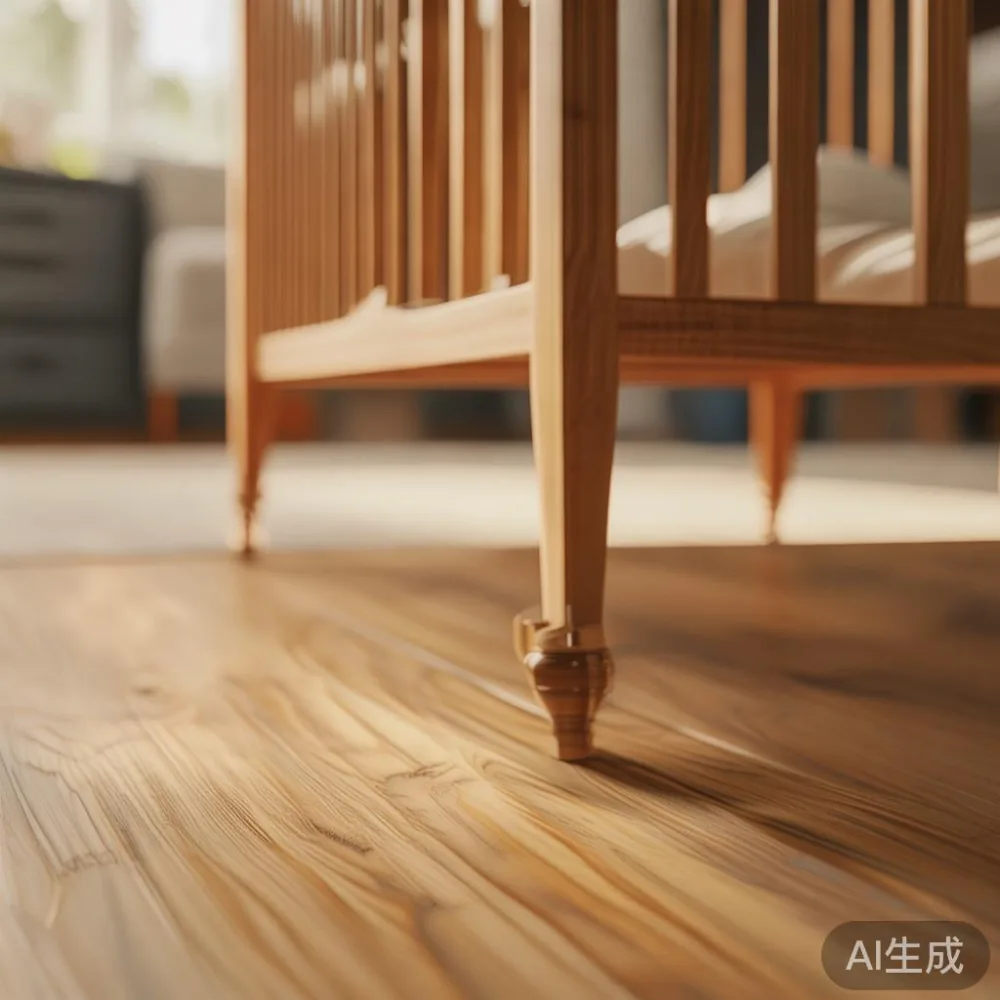
The foundation of any solid wood piece, from a sturdy bed frame to a delicate nightstand, is the wood itself. Not all wood is created equal. The price is heavily influenced by the species' inherent qualities. Hardwoods, like oak, walnut, and maple, are denser and more durable than softwoods like pine or rubberwood. A solid wood sofa made from American white oak will naturally cost more than one crafted from Chinese fir. The origin matters too. European walnut, for instance, is often considered more desirable and has a tighter grain, commanding a higher price than its American counterpart. The grade of the wood is another critical component. A piece made from 'select' or 'clear' grade lumber, which has minimal knots and a uniform appearance, will be significantly more expensive than one made from 'common' grade, which embraces natural imperfections like knots and color variations. For a nursery, where safety and aesthetics are paramount, the choice of a premium, knot-free wood justifies a higher price point.
Is All 'Solid Wood' Furniture the Same? Understanding Construction Methods
The term 'solid wood' can be misleading. A solid wood nightstand might be constructed in several ways, each impacting its price and longevity. The most durable and expensive method is 'solid wood construction,' where the entire piece, from the frame to the panels, is carved from a single piece or solid boards of wood. This method provides maximum strength and stability. A less expensive, but still common, technique is 'wood veneer.' This involves applying a thin slice of real wood to a core of engineered wood like MDF or particleboard. While it can offer the look of solid wood at a lower cost, it is susceptible to peeling and warping with changes in humidity—a common concern in Singapore's climate. The most budget-friendly option is 'engineered wood,' which is in effect pressed wood chips. For a nursery furniture set that you hope will last for years, perhaps even being passed down, the solid wood construction method is an investment in durability that reflects in its price.
How Does Design and Craftsmanship Affect the Final Price Tag?
Design is more than just aesthetics; it's a reflection of the labour and skill involved. A simple, minimalist design requires fewer cuts and less intricate joinery, making it less expensive to produce. In contrast, a piece featuring detailed carvings, complex joinery like dovetail or mortise-and-tenon, or a French light luxury aesthetic with ornate mouldings demands a higher level of craftsmanship from skilled artisans. This skilled labour is a major cost driver. A hand-finished piece, sanded and polished to a perfect smoothness, takes significantly more time than a machine-finished one. The finish itself is another factor. A simple lacquer or oil finish is less costly than a multi-step hand-rubbed French polish or a high-gloss lacquer that gives a piece a luxurious, mirror-like sheen. When you choose a piece of nursery furniture with a post-modern light luxury design, you are paying for the designer's vision and the artisan's ability to execute it flawlessly.
Why is a Marble Table More Expensive Than a Wooden One?
While our focus is on nursery furniture, understanding material costs in general provides clarity. A nursery might feature a small marble-topped changing table or a marble-top nightstand. The price difference between a solid wood table and a marble table is substantial. Marble is a natural stone, a finite resource that must be quarried, cut, and polished. This process is labour-intensive and wasteful, with a significant portion of the raw block discarded. Transportation of heavy, fragile marble slabs also adds to the cost. In contrast, wood is a renewable resource that can be milled and shaped with relative efficiency. The weight of a marble table also impacts shipping costs. A solid wood sofa might weigh 40 kg, while a marble-topped console could weigh over 80 kg, nearly doubling the delivery fee for a Singapore HDB flat where lift access is a consideration.
What Hidden Costs are Factored into the Price of a Wardrobe?
When you see the price of a wardrobe, it's easy to think it only covers the materials and labour. However, several hidden costs are built into that final number. Hardware is a prime example. The price of a simple, basic hinge is a few Singapore dollars. A high-quality, soft-close hinge that prevents slamming and ensures smooth operation can cost SGD 15 to SGD 20 each. A wardrobe with six soft-close hinges and a soft-close drawer system will have a hardware cost of over SGD 150 before assembly. Then there's the finish. A standard lacquer finish might take a day to cure. A hand-applied, multi-layered finish that creates a deep, rich patina can take a week to complete, tying up both materials and labour. For a nursery wardrobe, where you want smooth, safe surfaces for curious little hands, these high-quality, hidden components are a necessary part of the design and contribute directly to the price.
How Do Logistics and Local Singaporean Factors Influence Pricing?
The journey of a piece of furniture from the workshop to your home in Singapore is a logistical puzzle that adds to its cost. Foshan, where brands like MIDHILL are based, is a major manufacturing hub. Shipping a container of nursery furniture from Foshan to the Port of Singapore involves sea freight, customs duties, and the 9% Goods and Services Tax (GST) applied upon import. Once the furniture arrives, it needs to be stored in a local warehouse before being delivered. Delivery itself is a significant cost factor. A large wardrobe or bed frame must be carefully maneuvered through HDB corridors and lift landings. A standard delivery might cost SGD 50, but a 'white glove' service that includes assembly in your Tampines apartment can cost SGD 150 or more. Free shipping, often offered on orders over SGD 350, is a valuable perk that is already factored into the base price of the items. My colleague visited a warehouse last month and saw firsthand how a single damaged corner on a bed frame during transit can render it unsellable, a loss that must be absorbed by the manufacturer and reflected in the pricing of the other, undamaged units.
What About the Long-Term Value? A 10-Year Warranty is a Price Signal
A higher price tag for solid wood nursery furniture is often an indicator of the manufacturer's confidence in their product's longevity. When a company offers a 10-year structural warranty, they are betting that their furniture will not fail. This promise covers the frame, joints, and legs against defects. This is a significant commitment that cheaper, mass-produced furniture cannot match. Similarly, a lifetime refinishing warranty means that if the wood's finish ever wears out, the manufacturer will refinish it for you. This transforms a piece of furniture from a disposable item into a long-term asset. For a family planning to have more children, a nursery furniture set with such warranties becomes a smart investment. It's the difference between buying a product that might last 3-5 years and one designed to last for decades, potentially being used for multiple children and even repurposed for other rooms in the condo. This long-term perspective is key to understanding why paying more upfront can be financially sensible.
Where to Buy Wardrobe from MIDHILL and Other Considerations
For parents who have done their research and understand these value propositions, the question becomes where to source such high-quality pieces. Knowing where to buy wardrobe from MIDHILL, for example, is the first step. But beyond the brand, it's about aligning the purchase with your specific needs. Consider the size of your nursery. A standard wardrobe for a HDB flat might be 80cm wide, while a larger one for a condo could be 120cm wide. The dimensions must fit the space without overwhelming it. Weight is another practical consideration. A solid wood wardrobe can weigh over 100kg. Ensuring your chosen floor can support the weight and that you can get it up the lift is a logistical reality that influences the purchasing decision. The style of the furniture should also complement the rest of your home. If you have a modern apartment, a post-modern light luxury piece might fit perfectly. Understanding how to style an American sofa in room can help you create a cohesive look, even if your primary focus is the nursery. Ultimately, the price of solid wood furniture is a reflection of its quality, durability, and the peace of mind it provides for your family's future.
Is 'Top 10 Boho Furniture' the Right Choice for a Modern Singaporean Home?
While we've focused on traditional and light luxury styles, note that nursery furniture comes in many forms. A parent might be drawn to a 'top 10 Boho furniture' list for its eclectic, free-spirited feel. Boho style often incorporates natural materials like rattan, jute, and solid wood, which aligns with the durability we've discussed. However, the key is to ensure the materials are still high-quality. A Boho-style crib made from solid teak will be more expensive than one made from a lesser wood, but it will also be safer and last longer. The principles we've explored—wood species, construction, and craftsmanship—apply regardless of the aesthetic. A 'Japanese sofa vs Japandi sofa' debate might seem irrelevant for a nursery, but it highlights the same point: the style is a personal choice, but the underlying quality of the materials and build is what determines the price and longevity. When choosing a piece of European light luxury for hotel, the standards are exceptionally high, and the same rigorous standards should be applied to the furniture for your most precious guests: your children.
What is a 'Modern Light Luxury Coffee Table' Doing in a Nursery Discussion?
You might be wondering why a discussion about nursery furniture includes a 'modern light luxury coffee table'. The answer lies in the concept of transitional furniture. Many parents design a nursery that they hope will grow with their child. A nursery with a sophisticated aesthetic can easily transition into a toddler's room or a playroom. A modern light luxury coffee table, with its clean lines and premium materials, could be part of a living space that flows into a well-designed nursery. This shared design language ensures a cohesive home environment. Also, the principles of construction are universal. The same solid wood, the same meticulous joinery, and the same high-end finishes that go into a coffee table are also found in a premium nursery wardrobe or nightstand. Understanding the value proposition in one category helps you appreciate it in another. It reinforces the idea that when you pay for solid wood furniture, you are investing in a piece of functional art, regardless of its specific location in your home.
Why Does MIDHILL Furniture Seem to Offer Good Value?
When evaluating brands, it's helpful to look at the complete package. Companies like MIDHILL furniture, established in 2008, have built their reputation on a combination of quality assurance and customer-centric policies. Their 10-year structural warranty and lifetime refinishing promise are not marketing gimmicks; they are tangible indicators of the confidence they have in their products. This reduces the long-term risk for the consumer. Their export to 15+ countries also speaks to their ability to meet international quality standards. For a customer in Singapore, this means the furniture has been designed to withstand different climates and handling during transit. The offer of free shipping over SGD 350 is a significant saving, especially for larger items like a solid wood sofa or a dining table that a family might purchase at the same time as their nursery furniture. These policies are built into the business model and are reflected in the final price, offering a transparent value proposition that goes beyond the immediate cost of the item itself.
So, is Expensive Nursery Furniture Always Better?
The answer is nuanced. A higher price does not automatically guarantee a better product, but it often correlates with better materials, superior craftsmanship, and longer warranties. The key is to be an informed consumer. Look beyond the price tag and examine the details. Ask about the wood species. Is it a durable hardwood or a softwood prone to dents? Inquire about the construction. Is it solid wood throughout, or is it veneer over MDF? Check the warranty. Does it cover structural defects for a reasonable period? For a nursery, where safety and durability are paramount, investing in a well-made piece of furniture is a decision that pays dividends in peace of mind and longevity. It's about choosing a piece that can withstand the rigors of childhood and potentially be used for years to come, making the initial cost a wise investment rather than an expense.