Nursery Wood Furniture Prices: Understanding the Factors in Singapore
I learned this the hard way last month when I helped my colleague Mei Ling furnish her new 4-room HDB in Punggol. She had S$3,800 saved for a bedroom set — bed frame, wardrobe, and two nightstands — and walked into three showrooms around Bendemeer and Alexandra expecting a clear winner. She left with three very different quotes, two polite sales pitches, and a headache. "They all say solid wood," she texted me that night, "but why does the cheapest cost S$1,200 and the most expensive S$4,600?" That conversation is the reason I wrote this guide.
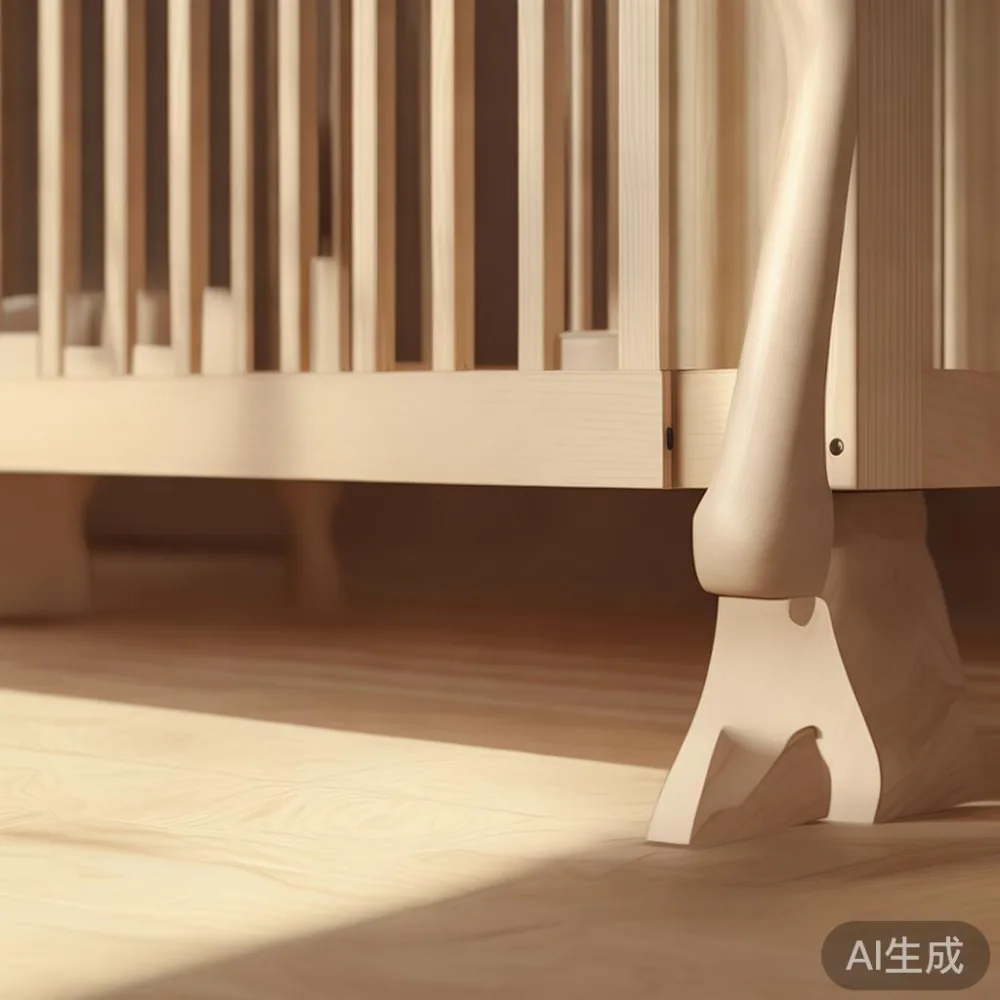
Price gaps in solid wood furniture are real, and they almost always trace back to a handful of physical, logistical, and design choices. Below, I walk through each driver the way I would explain it over kopi — plainly, with numbers, and with the Singapore context (lift sizes, corridor widths, GST, delivery days) that actually matters when a sofa or wardrobe has to reach your floor.
1. The wood species: not all "solid wood" is equal
Ask a Foshan factory floor manager what a "solid wood" bed frame is, and they will ask you: which solid wood? The cheapest tier is rubberwood (Hevea), plantation-grown in Malaysia and Thailand, dense at roughly 560–640 kg/m³ and priced from the factory at around US$450–650 per cubic metre. It machines cleanly and takes stain well, which is why you see it in entry-level dining tables and wardrobes. Move up one step and you reach ash (Fraxinus, about 600–700 kg/m³, US$700–950/m³) and beech (Fagus, 650–750 kg/m³, US$750–1,000/m³), both common in light luxury American and French-inspired pieces.
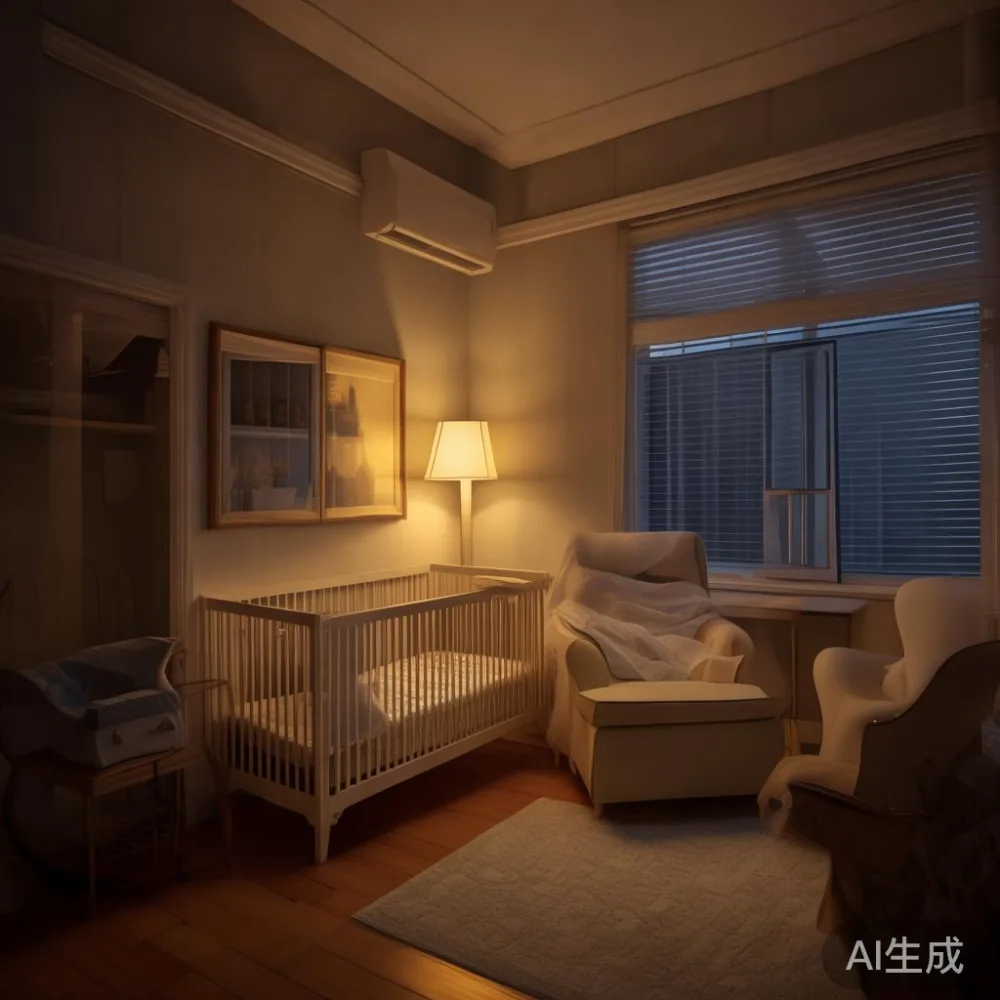
Then comes the tier most Singapore buyers notice in the showroom but cannot name: white oak (Quercus alba), around 750–800 kg/m³, US$1,400–1,900/m³. A 1.8 m × 2.0 m bed frame in white oak will consume roughly 0.18–0.22 m³ of lumber after milling, so the raw material alone is S$340–S$560 before any joinery, sanding, or finishing. Walnut (Juglans nigra, 640–700 kg/m³, US$2,200–2,800/m³) sits above that, and cherry sits between oak and walnut. The point: when a quotation jumps by S$1,200 between two "solid wood" bed frames of identical size, the wood itself is often responsible for S$400–S$700 of it.
For a nursery setting, where the furniture will be touched, climbed on, and eventually refinished, hardwood density matters more than visual fashion. Rubberwood can dent under a 12 kg child's repeated jump; white oak shrugs it off. That is why parents usually see the price difference as years of service rather than a marketing line.
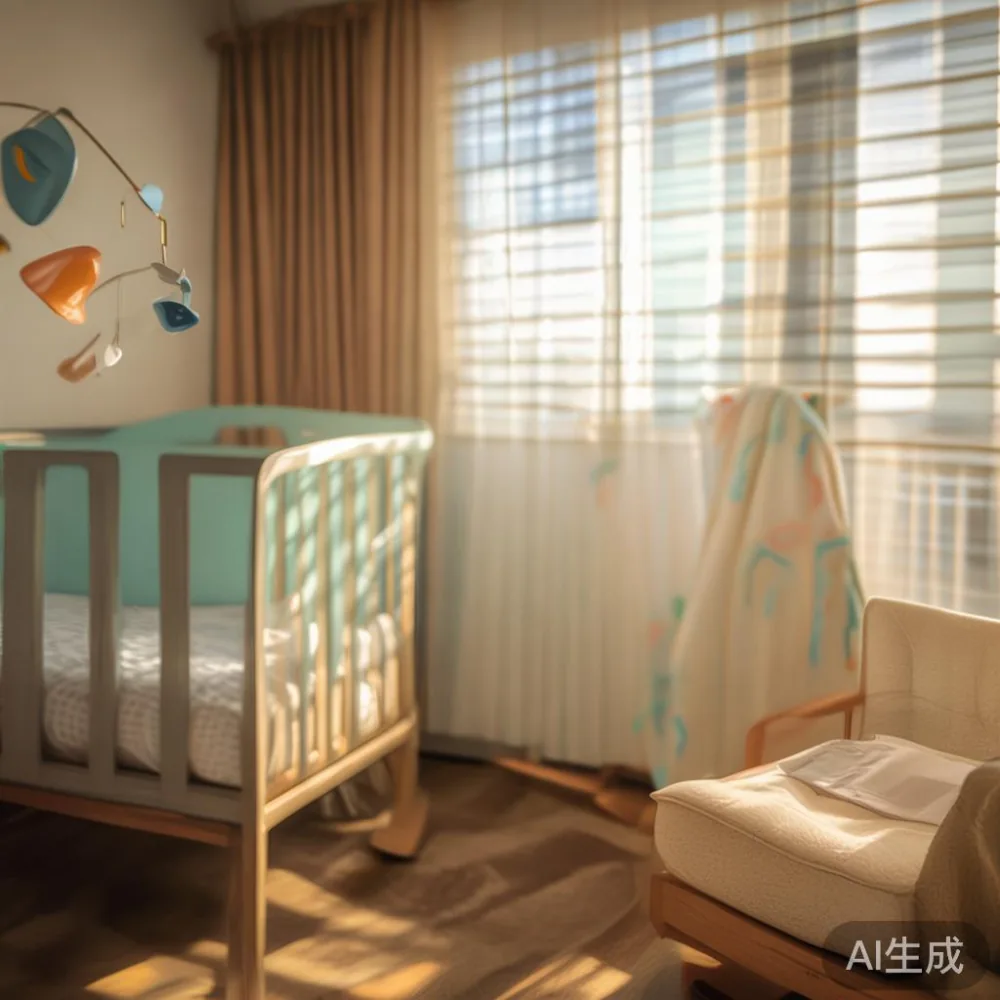
2. Joinery, hardware, and what is hiding under the paint
Open the drawer of a S$450 nightstand and a S$1,400 nightstand. The difference is rarely cosmetic. Entry-tier pieces use staples, corner brackets, and glue; mid-tier uses mortise-and-tenon, dowels, and dovetail joints; light luxury tier uses the same plus soft-close European hinges (Blum-style runners rated for 80,000–100,000 cycles, retailing around S$18–S$28 per pair in Singapore).
I saw this last month at a factory visit in Foshan's Lunjiao industrial cluster. The workshop owner pulled two identical-looking oak wardrobes off the line. The 1,800 mm-tall unit priced at US$280 used 12 mm particleboard backs nailed into a softwood frame. The US$520 unit used 18 mm solid oak backs, sliding into grooves with brass corner brackets. Same silhouette, very different carcass. In an HDB bedroom with daily humidity cycling between 65% and 85% during the monsoon months, the 12 mm back will warp by year three; the 18 mm back will not.
Hardware is its own line item. A solid wood dining table for six needs six chair-leg floor protectors at roughly S$0.60 each, but it also needs eight table-leg corner braces at S$2.20 each, and if the table extends, a pair of steel extension rails at S$45–S$60 the pair. Multiply by shipping and the bill climbs. MIDHILL's solid wood furniture line, for instance, specifies Blum soft-close runners and mortise-and-tenon joinery as standard on dining tables and wardrobes over 1,800 mm — small choices that explain why their 1.8 m wardrobe retails around S$2,150 locally rather than S$1,400.
3. Dimensions, weight, and the Singapore logistics tax
This is the section most online guides skip, and it is the one that quietly adds S$180–S$420 to a Singapore delivery. Two physical realities shape every quote:
Lift size. A standard HDB passenger lift at a block in Tampines or Bedok has an internal cabin of about 1.1 m wide × 1.4 m deep × 2.3 m tall, with a door opening of roughly 0.8 m. A 2.0 m-tall wardrobe will not stand upright inside. Delivery crews tilt it, which means the carcass has to be engineered to take that tilt without racking. Light luxury tier brands reinforce the back panel; budget brands leave it light, and you discover the wobble six months later.
Corridor width. Newer Punggol and Sengkang BTOs have wider common corridors (around 1.5 m), but older blocks in Bedok Reservoir and Toa Payoh narrow to 1.1–1.2 m at the staircase turns. A 1.8 m bed frame, a 1.6 m wardrobe, or a 1.2 m solid wood sofa will not pivot through those turns unless it ships flat-packed with detachable legs (typical leg height 8–12 cm) and the panels are under 1,500 mm long.
Weight. A 1.8 m × 2.0 m white oak bed frame weighs 75–95 kg assembled; a rubberwood equivalent weighs 45–60 kg. Both require two delivery men, but the oak version usually triggers a "heavy item surcharge" of S$40–S$80 because the crew needs a third person or a stair-climber dolly for walk-up units. Add the 9% GST on the landed cost, plus a typical S$80–S$150 import clearance fee per consolidated shipment, and a US$1,000 FOB Foshan piece lands in your flat at S$1,720–S$1,880 all-in.
4. Finish, surface treatment, and what "French light luxury" actually means
Finish is where light luxury positioning starts to mean something concrete. A French light luxury nightstand in white oak, finished with a wire-brushed surface and a matte water-based lacquer, takes about 4–5 hours of hand-sanding plus two coats of sealer and two coats of topcoat. That is roughly S$90–S$140 in labour and materials per piece. An American light luxury piece, often with a slightly heavier grain pop and an oil-and-wax finish, costs roughly S$60–S$100. A post-modern light luxury piece, with high-gloss lacquer or a stone-inlay marble top, can run S$160–S$260 per piece because the marble top alone (a 500 mm × 400 mm Carrara slab, 18 mm thick) lands in Singapore at around S$220–S$340 after GST.
There is a real reason parents searching for nursery furniture should care. Water-based lacquers emit under 50 g/L of VOCs versus 250–400 g/L for older nitrocellulose finishes. In a small HDB nursery with the windows closed because of haze, that difference matters — and it explains why a S$1,100 finished wardrobe can cost S$1,400 in raw materials before the factory has even booked shipping.
I keep a piece of sanded-but-unfinished oak on my desk to remind myself how much finish transforms a board. Same wood, very different object.
5. How do I style a Modern light luxury nightstand in a small apartment?
A Modern light luxury nightstand in a small Singapore apartment reads best when you treat it as a single quiet object rather than a styling surface — keep one stack of two books, one ceramic object, and one warm 2,700 K lamp, and leave roughly 60% of the tabletop empty so the wood grain does the talking. In a 3-room HDB nursery corner, that often means swapping a 500 mm-wide nightstand for a 400 mm-wide version, which keeps the 60 cm walkway to the bed intact and lets the lift fit it flat-pack during delivery.
From there, the styling trick is restraint on colour. Modern light luxury tends to live in a narrow palette — chalky whites, warm taupes, brushed brass. If your bed frame is white oak, choose a nightstand in the same species with a 5–10% lighter or darker stain rather than a contrasting wood. The eye reads it as a pair, not as furniture that fought its way out of different showrooms. A single 200 mm × 200 mm piece of marble — a coaster, a small tray — bridges the nightstand to a marble table on the other side of the room without forcing a match.
Practical point most buyers miss: in flats under 70 sqm, a 1.0 m-wide compact accent chair for balcony can do double duty as the nursery reading chair, and placing it within 1.5 m of the nightstand means one shared floor lamp lights both surfaces. That single move saves you from buying a second lamp and a second side table — a small layout choice that protects the room's quiet, light-luxury feel.
6. Certifications, warranty, and what the paperwork is actually worth
A 10-year structural warranty is not marketing fluff if it is backed by a factory that has exported for 15+ years and still has the same owner. The math is simple: a Foshan workshop exporting since 2008 has, by 2024, shipped tens of thousands of pieces and has a real claims history. Their warranty usually covers joint failure, wood splitting along the grain, and hardware breakage under normal use — which is what fails first in a S$1,200 piece and almost never in a S$2,200 piece.
Lifetime refinishing is rarer and worth more than it sounds. A white oak dining table that has lived through six HDB moves and three children can be sanded back to bare wood twice in its life, each time reclaiming roughly 0.6 mm of surface. That is the difference between a 30-year heirloom and a 12-year discard. Look for factories that offer this — MIDHILL has run lifetime refinishing on its solid wood pieces since the early 2010s — and check whether the offer includes return shipping (it usually does not; budget another S$180–S$320 for a round trip within Singapore).
Two certifications to ask for: FSC (or PEFC) chain-of-custody for the wood, and a low-VOC finish report. Neither guarantees quality on its own, but both signal a factory that audits its suppliers, which usually correlates with better joinery and finish work.
7. Shipping, GST, and the true landed price in SGD
Here is a worked example. A 2.0 m white oak solid wood bed frame, packed flat, weighs about 82 kg and measures 2.05 m × 0.35 m × 0.25 m in two cartons.
- FOB Foshan factory price: US$680 (roughly S$920)
- Sea freight to Singapore (FCL shared container): US$45–US$65 (S$60–S$90)
- 9% GST on the CIF value: about S$95
- Import clearance and delivery to doorstep: S$120–S$180
- Singapore delivery crew (two men, including staircase if needed): S$80–S$140
Landed in a 4-room HDB in Tampines: roughly S$1,275–S$1,425. Add free shipping if your order clears US$350 (about S$475), which it easily does, and the freight line drops. Add a 14-day return window and the price becomes easier to justify, because you can see the grain, open the cartons, and send it back if the joinery is sloppy. That return window costs the factory real money — typically 8–12% of the order value — which is why some cheaper sellers refuse returns entirely.
Mei Ling eventually spent S$2,950 on a white oak bed frame, an ash wardrobe, and a pair of beech nightstands from a Foshan maker that ticked every box above. The quote she rejected at S$1,200 was real rubberwood, staple-joined, with a 6-month warranty. Three months later, her bedroom smells faintly of wood (the good sign of a water-based finish), the wardrobe doors swing shut with a soft click, and the nightstands have survived two visits from her two-year-old nephew without a dent.
Price is not a moral judgement on a piece of furniture. It is a sum of choices about wood, joinery, hardware, finish, logistics, and after-sales support. Once you can read the line items, the gap between S$1,200 and S$4,600 stops looking mysterious and starts looking like a list you can audit, line by line.