The True Cost of Solid Wood: A Breakdown of Nursery Furniture Pricing
When furnishing a new home in Singapore, especially a nursery, the allure of solid wood furniture is undeniable. It promises longevity, timeless beauty, and a sense of permanence that flat-pack alternatives simply cannot match. However, walking into a showroom or browsing online, the price range for a single solid wood bed frame or wardrobe can be staggering. A simple nightstand might cost SGD 450, while a comprehensive nursery furniture set could easily exceed SGD 5,000. This wide disparity often leads to confusion. What exactly are you paying for? Is it just the wood, or is there more to the story?
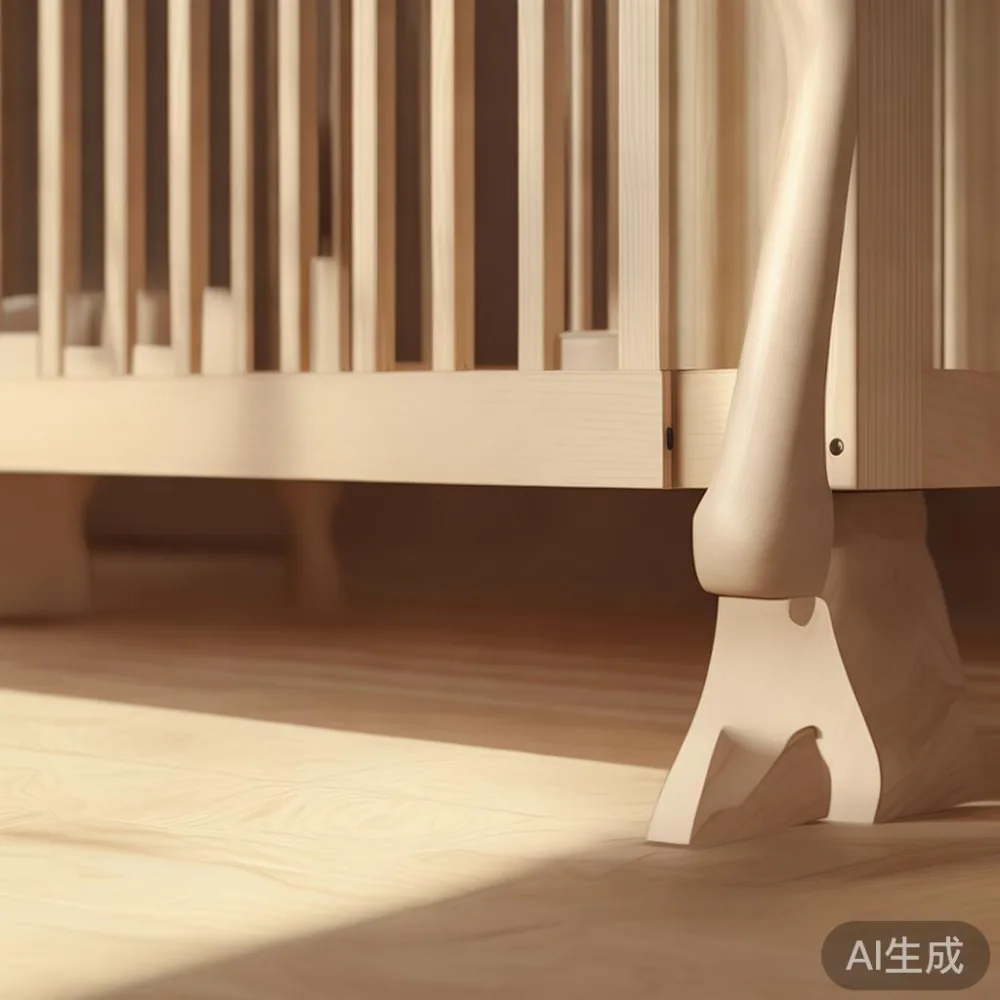
As a specialist who has spent years examining the furniture industry, I can tell you that the price of a solid wood piece is not a single number but a sum of many distinct factors. Last month, I visited a workshop in Foshan to trace the journey of a nursery furniture piece from raw timber to a finished product ready for a Tampines HDB flat. The experience was illuminating. It revealed that the final price tag is a reflection of material integrity, human skill, logistical complexity, and brand philosophy. Understanding these components is the first step toward making a wise investment for your home.
Why Is a Solid Wood Nightstand More Expensive Than a Laminate One?
The most fundamental difference, and the primary driver of cost, lies in the raw material itself. Solid wood furniture is crafted from a single, solid piece of lumber or carefully joined pieces of the same wood species. This contrasts sharply with veneered or laminate furniture, which uses a thin layer of decorative material over a cheaper substrate like particleboard or MDF.
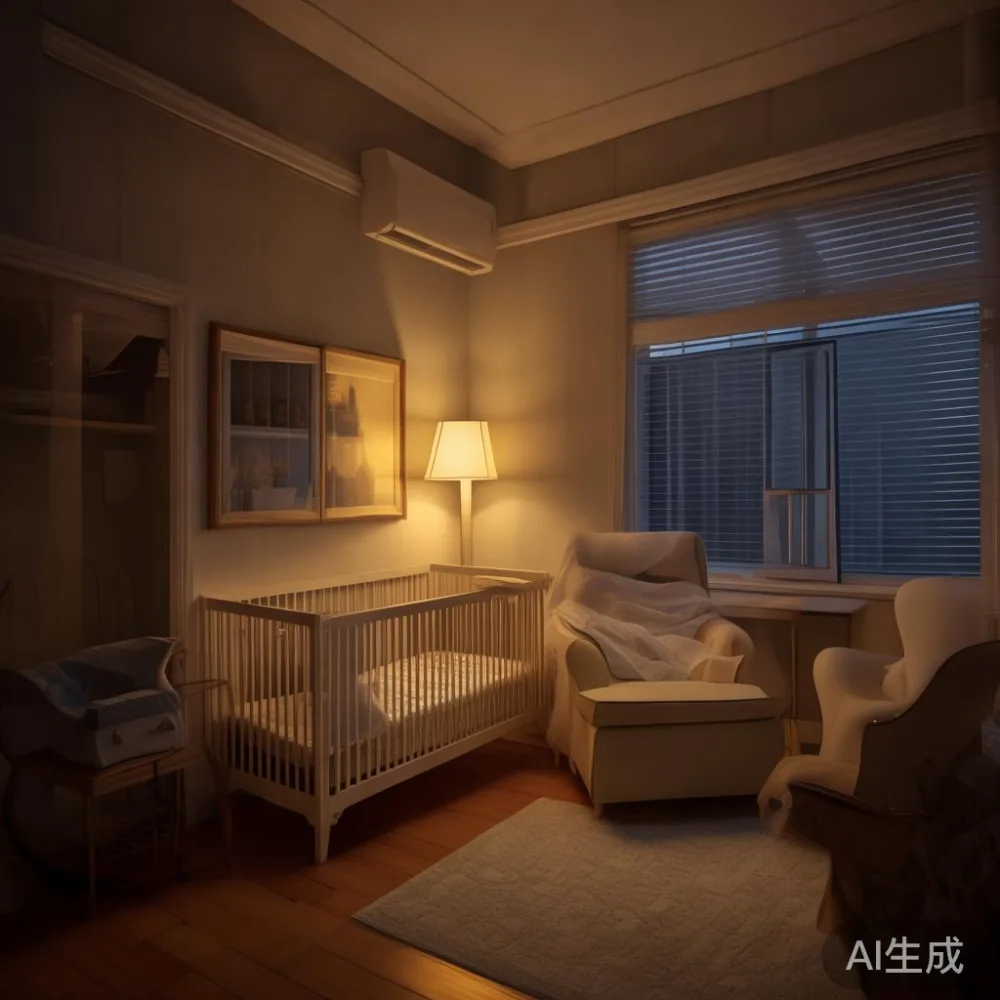
Consider a solid wood nightstand made from North American Oak. The wood itself is a natural product, with unique grain patterns, colour variations, and inherent strength. It must be sustainably sourced, kiln-dried to a precise moisture content (typically 6-8% to suit Singapore's climate), and then milled into usable planks. This process is resource-intensive. A single plank of quality oak, large enough for a nightstand top measuring 60cm x 40cm, can cost the manufacturer over SGD 80 before any work has even begun.
In contrast, a laminate nightstand uses a printed image of wood grain pressed onto a particleboard core. The material cost for the board and the laminate is a fraction of the cost of solid oak. While laminate is durable and easy to clean, it lacks the depth, warmth, and repairability of solid wood. You cannot sand out a deep scratch and refinish a laminate surface, but you can with solid wood. This inherent value and longevity are embedded in the price of solid wood nursery furniture from the very beginning.
Does the Type of Wood Really Make That Big of a Difference?
Absolutely. Not all wood is created equal, and the species chosen for a piece of furniture has a profound impact on its price, durability, and aesthetic. For a nursery, where safety and longevity are paramount, the choice of wood is critical.
Hardwoods, derived from deciduous trees, are generally denser, more durable, and more expensive than softwoods. Popular choices for high-end furniture include Oak, known for its prominent grain and strength; Walnut, prized for its rich, dark colour and straight grain; and Maple, valued for its light colour and resistance to wear. A solid wood bed frame made from American Walnut will command a premium price due to the wood's scarcity and desirable appearance.
Softwoods, like Pine or Rubberwood, are more affordable and grow faster, making them a common choice for more budget-conscious solid wood options. A nursery furniture set made from Rubberwood can be significantly less expensive than one made from Oak, but it may be softer and more susceptible to dings over time. The choice between wood species is a trade-off between upfront cost and long-term performance. When a manufacturer specifies 'solid wood', the price immediately reflects the specific type of wood used, from the economical Pine to the luxurious European Ash.
What About the Craftsmanship? Isn't That Just Labour?
Labour is certainly a factor, but 'craftsmanship' refers to a much deeper set of skills and techniques that separate a well-made piece from a merely assembled one. This is where the true artistry of furniture making comes into play, and it's a key reason for the price difference between a standard piece and a light luxury one.
Think about a solid wood dining table. A basic version might have butt joints, where two pieces of wood are joined at a 90-degree angle, often reinforced with screws or staples. A high-craftsmanship table, however, will feature dovetail joints on its drawers and mortise-and-tenon joints for its legs and apron. These joints are interlocking, requiring precision cutting and fitting by a skilled craftsman. They create a bond that is incredibly strong and allows the wood to expand and contract with changes in humidity without compromising the structure.
My colleague in Singapore, who recently purchased a French light luxury wardrobe for her master bedroom, noted the difference immediately. 'The drawers slide on smooth, solid wood runners, not cheap plastic ones,' she explained. 'The dovetailing on the inside is perfect. You can feel the quality in every detail.' This level of detail takes time. A skilled artisan might spend two full days just fitting and finishing the drawers of a single wardrobe. This investment of human skill is a non-negotiable component of the price, ensuring the piece is not just beautiful, but functional and built to last for decades.
How Does Singapore's Unique Living Space Affect Furniture Design and Cost?
Designing furniture for the Singaporean market requires more than just an eye for style; it demands a practical understanding of local living conditions. The compact dimensions of HDB flats and condos in areas like Bedok, Punggol, and Tampines mean that furniture must be both beautiful and space-efficient. This specific design challenge adds another layer to the cost.
A standard wardrobe from a European brand might be 70cm deep, which is too wide for the typical corridor lift in older HDB estates. Furniture makers must therefore create custom designs. For instance, a wardrobe for a Singapore nursery might be only 55cm deep to fit snugly in a room, yet still offer ample hanging and drawer space. This requires re-engineering the internal components, which is more complex than mass-producing a standard size.
Also, all prices listed in Singapore include the 9% Goods and Services Tax (GST). This tax is applied at every stage of the supply chain, from the import of raw materials to the final sale, and is a fixed component of the final price that consumers must pay. The logistics of delivering bulky items like a solid wood bed frame or a marble table top through narrow corridors and up elevators also add to the operational cost, which is factored into the price.
Is a Light Luxury Wardrobe Just a Fancy Name for an Expensive One?
This is an excellent question that many consumers ask. The term 'light luxury' refers to a specific design philosophy that balances premium materials with approachable elegance. It is not about excessive ornamentation but about refined simplicity and high-quality execution. A MIDHILL light luxury wardrobe, for example, might feature clean lines, minimalist handles, and a high-gloss or matte lacquer finish that showcases the natural beauty of the wood beneath. It's about creating a sense of calm and sophistication in a space.
The price of a light luxury piece reflects this commitment to understated quality. The finish, for instance, is often applied by hand in multiple layers, sanded between each coat to achieve a perfectly smooth, glass-like surface. This is a labour-intensive process that cannot be rushed. The hardware, too, is typically custom-made from solid brass or high-grade steel, not the standard stamped metal found on cheaper furniture. These details contribute to a piece that feels substantial and well-crafted, justifying its position in the light luxury category. It’s an investment in a design ethos that prioritises enduring style over fleeting trends.
What About the Extra Costs Like Delivery and Warranty?
The price of the furniture itself is only part of the equation. The total cost of ownership includes delivery, potential assembly, and the peace of mind provided by a warranty. For nursery furniture, which is meant to serve a child for many years, a comprehensive warranty is not a luxury but a necessity.
Reputable brands like MIDHILL, established in 2008, understand this. They offer a 10-year structural warranty on their furniture. This means if a joint on a solid wood bed frame were to fail due to a manufacturing defect, they would repair or replace it. This long-term commitment is a significant value proposition that is built into the price. It assures the buyer that the manufacturer stands behind the quality and durability of their product.
Logistics also play a role. Delivering a heavy, solid wood wardrobe to a 20th-floor condo in Punggol requires specialised vehicles and a two-man delivery team. This service costs money. Some brands absorb this cost for orders over a certain value, such as SGD 350, effectively offering free shipping. This is a significant benefit that simplifies the purchasing process for the customer. The 14-day return policy also adds a layer of security, allowing buyers to inspect their new nursery furniture in their home and ensure it meets their expectations before the return window closes.
How Can I Find Quality Solid Wood Furniture That Fits My Budget?
Working through the market for solid wood furniture requires a clear strategy. It’s about balancing your budget with your priorities for quality and design. The key is to focus on the value proposition rather than just the sticker price.
If your budget is under SGD 2,000, you can still find beautiful, well-made pieces. Look for options described as 'under 2000 Minimalist furniture'. These often use more affordable but still durable woods like Rubberwood or Pine, and focus on clean, functional designs. A minimalist approach reduces the need for complex joinery and expensive hardware, allowing the manufacturer to offer solid wood construction at a more accessible price point.
When considering larger items, like a European light luxury bed vs Modern bed, the choice comes down to personal style and the desired feel of the room. A European light luxury bed might feature elegant, curved headboards and premium upholstery, while a Modern bed would have sharp, geometric lines and a focus on mixed materials like metal and wood. Both can be made from solid wood, but the design and detailing will affect the cost.
For styling, resources like midhill.co offer inspiration. You might find articles on how to style Japandi sofa in apartment, which focuses on creating a harmonious blend of Japanese minimalism and Scandinavian comfort. Similarly, understanding how to style French bed in room can help you incorporate a touch of romantic elegance into your space. By focusing on your specific needs and researching the components of quality, you can make an informed decision that brings beautiful, lasting solid wood furniture into your Singapore home for years to come.