Caring for Lacquered Nursery Furniture in Singapore’s Climate
Singapore’s warmth and humidity can be hard on lacquered wood. In a Tampines HDB flat, a Bedok condo or a compact Punggol unit, nursery furniture often sits close to windows, air-conditioning vents and high-traffic family zones. Moisture, ultraviolet light, dust and frequent wiping can leave a glossy finish dull, hazy or blotchy. Good care does not require specialist equipment: it requires a measured routine, suitable products and a few realistic habits.
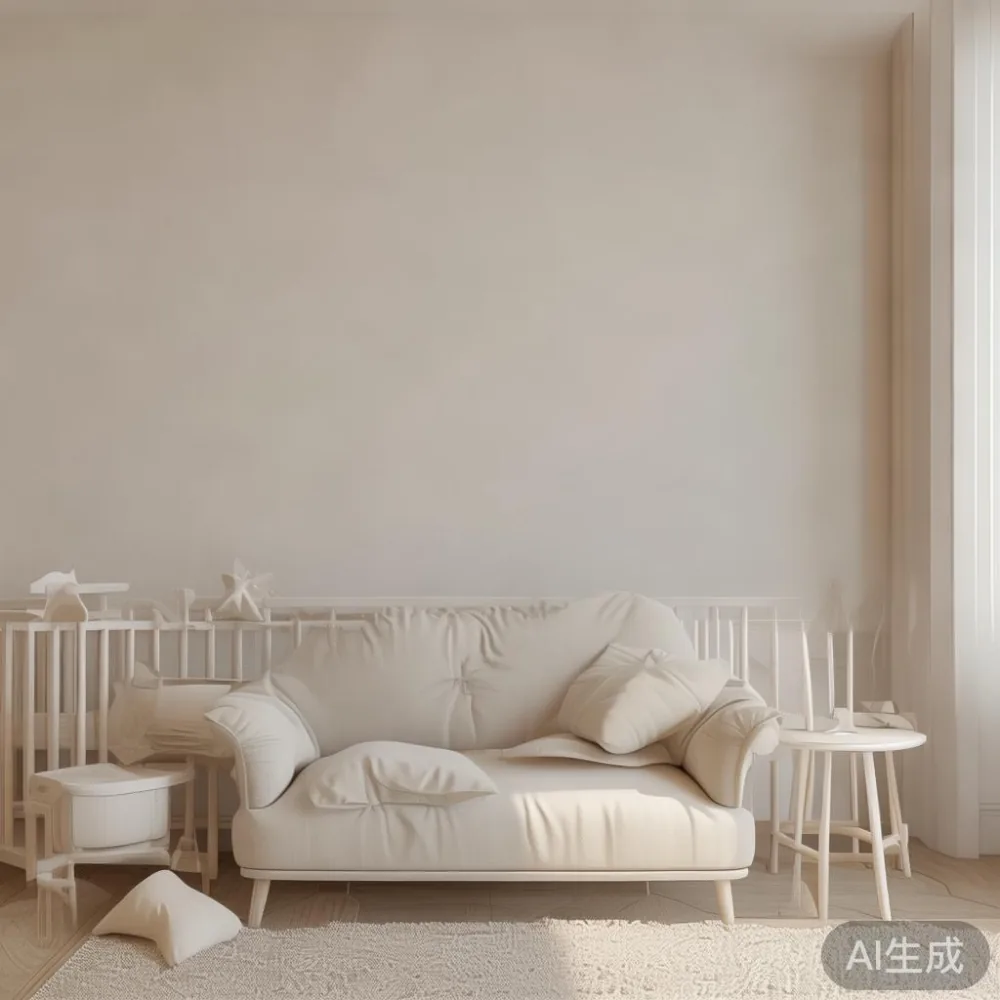
MIDHILL makes lacquered nursery furniture with the proportions needed for family use, while its wider solid wood range includes a solid wood sofa, bed frame, dining table, wardrobe, nightstand and marble table. The finish may look like glass when new, but its long-term appearance depends on humidity control and regular maintenance. Allow about 20–30 minutes for cleaning and drying after spills, inspect moving parts every 6 months and plan a more detailed check every 12 months.
Why does lacquer behave differently in Singapore?
<Lacquer is a cured surface coating, not the same thing as solid wood. It can resist ordinary marks while still reacting to heat, water, alcohol, oils and prolonged dampness. Singapore’s outdoor air may contain high levels of moisture for much of the year, while air-conditioned rooms can be much drier. Rapid changes between these conditions may affect wood movement beneath the coating, particularly around joints, drawer runners and wide panels.
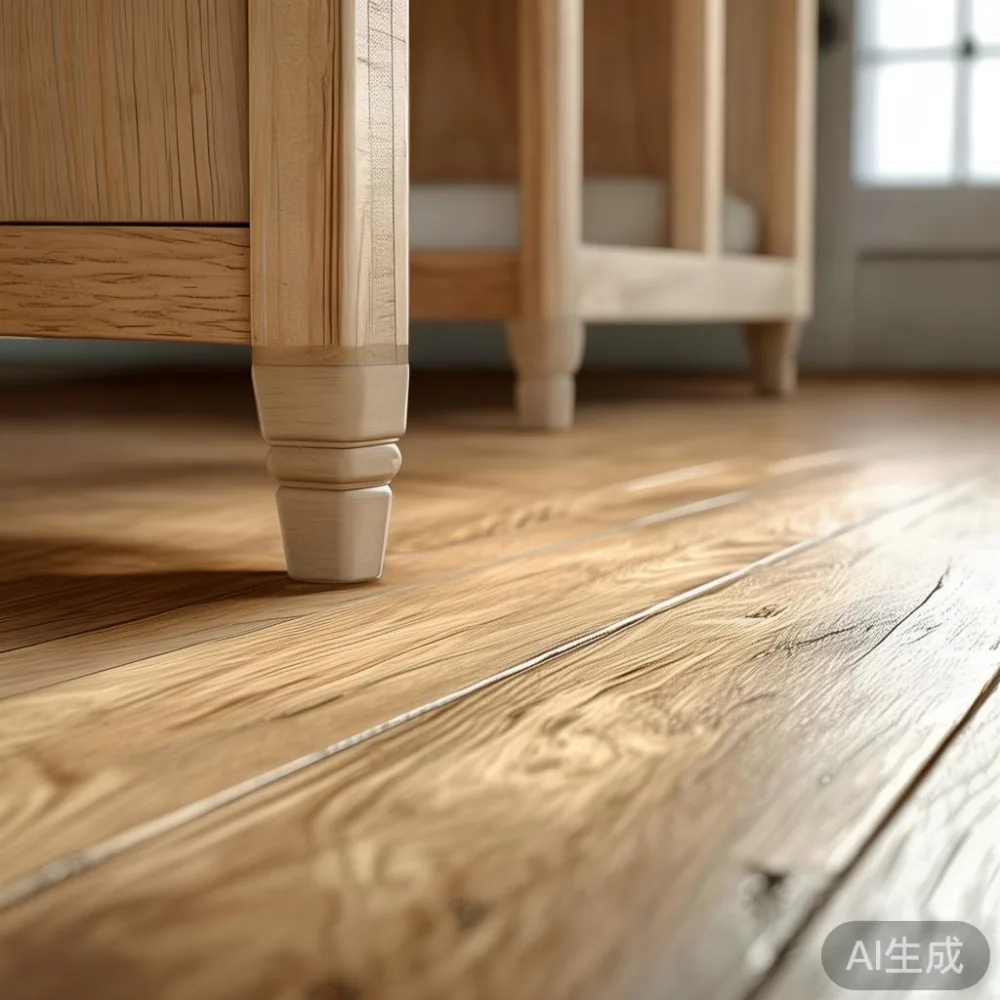
For context, Singapore’s relative humidity commonly ranges from roughly 65% to 85% outdoors, whereas a comfortably conditioned interior is often maintained near 50% to 60%. These are practical reference points, not a replacement for checking the actual room. A simple hygrometer costing about SGD 15–35 can show whether a nursery is consistently damp.
Position matters as much as the finish. Keep lacquered furniture at least 60 cm from direct windows, 45 cm from floor-level air-conditioning outlets and 30 cm from radiators or other heat sources. Curtains with a light filtering fabric can reduce ultraviolet exposure, while a hygrometer helps identify rooms that need more ventilation. In HDB blocks with narrow corridors or lifts, furniture should be protected with blankets during transport so doorframes, handles and lacquered corners do not take knocks.
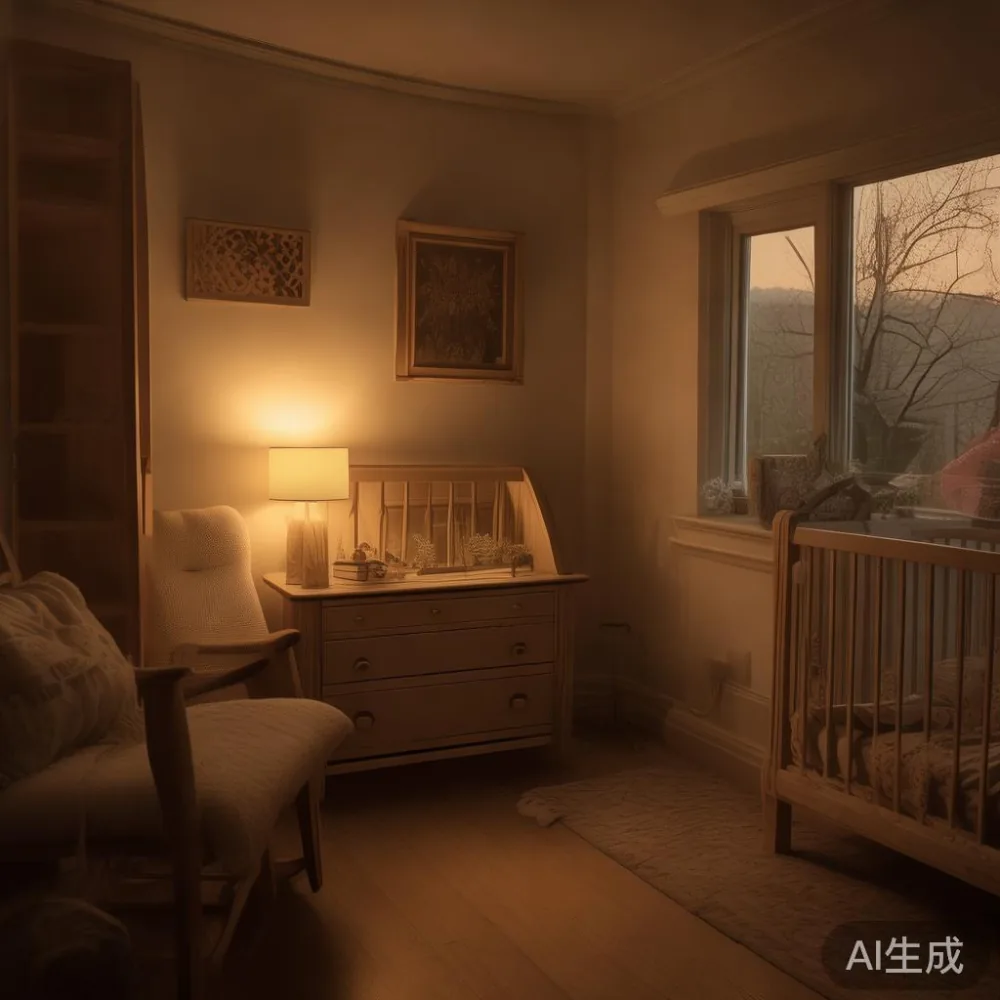
The colour of the coating also changes how visible small defects become. Pale French provincial tones show dust, fingerprints and water marks readily; dark finishes often make scratches easier to see under angled light. Treat every surface the same way, but inspect pale pieces in daylight and dark pieces under a side light.
What cleaning kit should a Singapore family keep at home?
A compact care kit needs little more than a soft cloth, a second damp cloth, mild pH-neutral soap and a hygrometer. A 100% cotton or microfibre cloth around 20 × 20 cm is useful for routine wiping. Have 2 cloths rather than reusing one damp cloth across several pieces, because trapped grit can scratch lacquer.
For ordinary dust, mix about 5 ml of mild dishwashing liquid with 500 ml of lukewarm water. Dip a clean cloth into the solution, wring it until it is only damp and wipe in the direction of the grain. Follow with a separate cloth moistened with plain water, then dry immediately with a soft towel. The surface should not look wet after cleaning; puddles around joints or under a nightstand can be a sign of excess moisture.
Use distilled or filtered water when a finish has developed fine spotting, although most routine cleaning is safe with normal tap water. Avoid furniture polish containing silicone, wax, oil, ammonia, alcohol or strong solvents unless the lacquer manufacturer explicitly approves it. Such products may leave an oily film that attracts dust or makes future maintenance more difficult. A 250 ml bottle of pH-neutral wood-safe cleaner generally costs SGD 12–28 and should be labelled for lacquer.
Do not use bamboo, newspaper, kitchen scourers or abrasive pads. Keep rubber gloves nearby for sticky hands and food spills. The goal is to remove residue with low friction, not to scrub the finish. Wipe a hidden 5 × 5 cm area first and wait 24 hours before cleaning the complete panel.
How often should lacquered nursery furniture be cleaned?
A light dusting twice a week is usually enough for an actively used nursery. Wipe hand-contact areas once a week, including crib rails, changing-table edges, drawer pulls and the front of a nightstand. Clean after spills at once, and wipe bottles, crayons and damp washcloths before they remain on the surface for more than 30 minutes.
Every 3 months, inspect the lacquer under daylight for haze, stickiness, dull patches or a musty smell. Every 6 months, check moving parts such as drawers, cot latches and wardrobe doors. Tighten a loose screw only if the fitting allows; over-tightening can distort the joint. Every 12 months, clean the whole piece and renew any protective window film or curtains if they have degraded.
Families often forget the underside. Lift or move a small nightstand carefully rather than dragging it across the floor. Use felt pads rated for the weight and check them every 2–3 months. A typical lacquered nursery dresser might weigh 25–45 kg, so two-person lifting and a 90 × 120 cm blanket are sensible. Do not place it near a walkway where a passing child or adult can catch a corner.
Over-cleaning can be as damaging as neglect. Using a damp cloth once a week is more sensible than polishing every day. A polished appearance should come from the coating itself, not from repeated waxes or oily sprays. If the surface feels tacky after wiping, stop and allow it to dry for 24–48 hours rather than adding another product.
What should I do about scratches, stains and peeling?
Small marks should be assessed before any corrective work. Hairline scratches on solid wood lacquer can sometimes be reduced with a lacquer-safe polishing product, but test it on a 2 × 2 cm concealed area for 7 days. Never use a generic metal polish, nail file, sandpaper or household eraser. Deep scratches that expose wood, bubbles or peeling need a finish specialist rather than a home sanding kit.
Water rings require prompt action. Blot, do not rub, then dry the area with a soft cloth and low airflow. If a mark remains after 24 hours, try the approved cleaner again. Avoid heating the panel with a hair dryer; temperatures above approximately 40°C can soften some lacquers or increase the contrast of a stain.
For sticky residue, lift what can be lifted gently and use a barely damp cloth with 1–2 drops of mild soap per 250 ml of water. Ink and permanent marker are harder to remove and should be covered by a lacquer-compatible repair service. Candle wax should be allowed to harden, then lifted carefully with a plastic card that will not scratch. Any solvent used by a repairer should be confirmed as compatible with the exact lacquer type.
Keep repair evidence. Photograph the damaged area with a ruler beside it and note the date, finish colour and room humidity. That record helps a refinisher distinguish a coating issue from movement in the underlying solid wood. MIDHILL offers lifetime refinishing on covered products, so owners should contact the company with purchase details before applying an incompatible solvent or abrasive treatment.
Can air-conditioning and ventilation prevent finish damage?
Yes, but balanced control works better than aggressive drying. Singapore’s air-conditioning removes moisture as it cools a room, yet a unit set to 18°C can create a very dry interior. Around 24–26°C with a relative-humidity reading near 50%–60% is a practical target for furniture rooms, subject to local comfort needs. Avoid directing cold air continuously at a wardrobe, bed frame or changing table.
Ventilate for 15–30 minutes after a shower, during a cook or when windows are closed for long periods. In a high-rise flat, opening windows may increase humidity and introduce rain, so use them when outdoor conditions are drier and close them if the hygrometer shows the room approaching 70%. A small 500 ml dehumidifier can help in a persistently damp corner, provided its tank is cleaned every 2–4 weeks to prevent mould and bacteria.
For furniture placement, keep at least 5 cm of clearance behind a wardrobe and 8–10 cm beneath a raised bed frame where practical. This allows inspection, drying and cleaning. Do not trap furniture against an exterior wall with a permanent moisture source. If condensation forms on a nearby window every morning, relocate the piece or improve ventilation before assuming the lacquer needs repair.
Is lacquered nursery furniture suitable for a child’s room?
It can be suitable when the finish is intact, the furniture is stable and daily cleaning is consistent. A lacquered changing table with rounded edges, a solid wood bed frame and a compact wardrobe can work well in Singapore interiors because lacquer gives a wipeable surface that does not show every fingerprint as readily as untreated timber. The coating is not a licence to leave spills unattended or to use unapproved chemicals.
Check for sharp chips near a child’s reach and repair them promptly. Secure a tall wardrobe to the wall with the supplied or correctly rated anti-tip fittings, checking them every 6 months. Keep drawers closed and use stops so a nightstand’s drawer cannot be used as a climbing step. Follow cot, bed and wardrobe safety instructions rather than modifying a load-bearing component.
Colour choice can influence maintenance. Soft white or cream finishes in French provincial for bedroom settings may need more frequent wiping, while a muted taupe can disguise minor dust between cleanings. Japandi for guest room styling may appeal to a family using the same living area as a guest sleeping space, though a nursery still needs child-safe placement and anchoring. A solid wood sofa should not be placed where damp nappies or cleaning bottles can sit against its lacquered frame.
For a wider material comparison, a question such as “is Japanese sofa worth it” leads to considerations of frame construction, comfort and maintenance rather than finish alone. Similarly, Italian light luxury for dining room schemes depends on accurate care instructions: a dining table should have coasters and trivets even when its lacquer looks durable. A marble table has different cleaning needs and should not be treated with lacquer-specific solvent. Product labels should always guide the care method.
How do I keep lacquer looking new during delivery and assembly?
Delivery day is one of the highest-risk periods for marks. Measure the lift opening, corridor width and door dimensions before ordering. A standard HDB lift door may be around 80–90 cm wide, while a large condo door can vary considerably; confirm the actual opening rather than relying on the floor plan. Add at least 10 cm of working clearance when turning a packaged cabinet, and protect the floor with cardboard at least 2 mm thick.
Use the original packaging where possible. Keep lacquered panels separate from metal fasteners, and do not stack a wardrobe top panel directly on a nightstand surface. Lift panels by their frames rather than by handles or lacquered edges. If assembly takes more than 60 minutes, work in a dry, clean area and support each component before tightening fittings.
MIDHILL provides free shipping over US$350, although a Singapore order may be quoted separately in SGD. Confirm the local delivery charge, GST and expected delivery window at checkout; delivery commonly takes 5–10 business days after production, but custom pieces can take 30–60 days. For HDB or condo access, supply lift and corridor measurements, floor level and a contact number. The company’s 14-day returns policy should be checked against the item’s condition and documented at receipt.
Inspect the finish before accepting the furniture. Check all 4 sides, the top and underside in daylight. Photograph any dents or colour differences within 24 hours, keeping the protective packaging until acceptance. This makes a later lacquer claim easier to assess and reduces the chance that a new scratch is mistaken for factory damage.
What is the light-luxury approach to caring for lacquer?
Light luxury is less about excess decoration than proportion, material honesty and restrained upkeep. American light luxury often favours clean profiles and pale woods; French light luxury uses softer curves and a more decorative mood; post-modern light luxury can pair a lacquered form with simple geometry. In each case, the finish works best when it is allowed to remain visually calm rather than being layered with several polishes.
European light luxury for small living room layouts depends on fewer, well-proportioned pieces and careful spacing. A solid wood sofa, a bed frame and a dining table can share a coherent visual language while each receives its own care method. Scandinavian for guest room projects may look minimal, but dust control still matters because pale surfaces reveal fine particles. European light luxury for small living room does not mean crowding the room with duplicate products; a 90 cm nightstand and a 120 cm side table may provide enough surface without taking unnecessary floor area.
Colour and timber should be recorded at purchase. Keep a note of the lacquer name, sheen level and care instructions for each piece, including a wardrobe, bed frame and dining table. If a cleaner is used, buy only one approved type and label the bottle with the product and date. This avoids the common mistake of applying a wax meant for a marble table to lacquered wood.
The final check is simple: dry, dust-free surfaces, controlled humidity, immediate spill response and annual inspection. Follow those steps and lacquered nursery furniture can retain its clarity through Singapore’s seasonal changes. If the colour, sheen or feel changes despite careful care, pause the routine and obtain technical advice rather than covering the problem with another chemical.