How to Care for Lacquered Nursery Furniture in a Tropical Climate
Singapore’s humidity can be kind to a well-made nursery furniture set, but it can also expose weak finishes, water rings and overlooked edge sealing. In an HDB flat in Tampines with windows facing the afternoon sun, a lacquered nightstand may look calm on Monday and show a faint bloom by Saturday. The same finish can behave differently in a Bedok condo beside the East Coast, where sea air carries more salt, or in a Punggol room that warms quickly under a west-facing window.
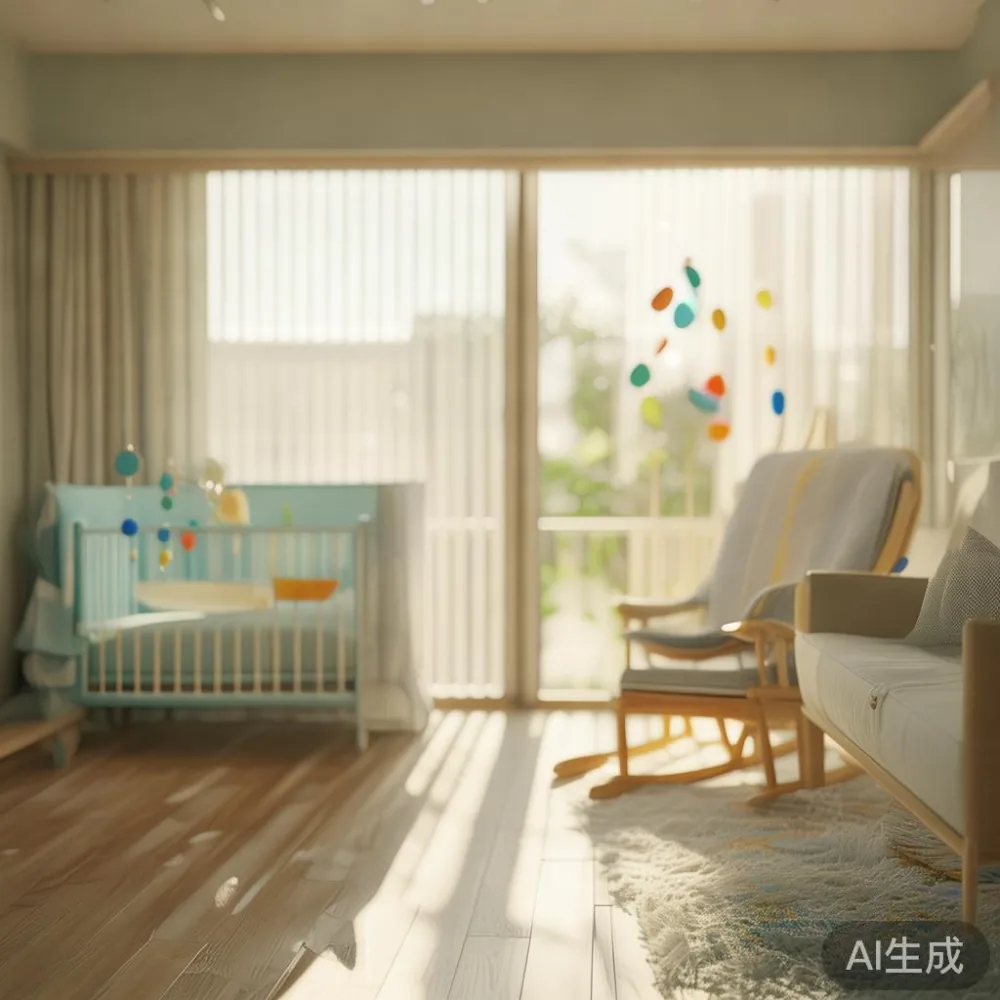
This guide explains how to care for lacquered nursery furniture in Singapore without stripping away its character or overworking the surface. It covers cleaning, humidity control, scratches, sun exposure, lifting through narrow corridors and the small maintenance habits that keep a solid wood sofa, bed frame, dining table, wardrobe or marble table in good condition for years.
What does tropical humidity do to lacquered nursery furniture?
Lacquer creates a protective skin over wood or another stable substrate. Singapore’s year-round dampness keeps that skin from becoming dangerously dry, but repeated humidity changes can cause wood to expand and contract beneath it. A surface that swells slightly may develop fine stress marks around joints, screw holes and routed edges. Gloss and satin finishes are especially sensitive because small changes are more visible on a reflective plane.
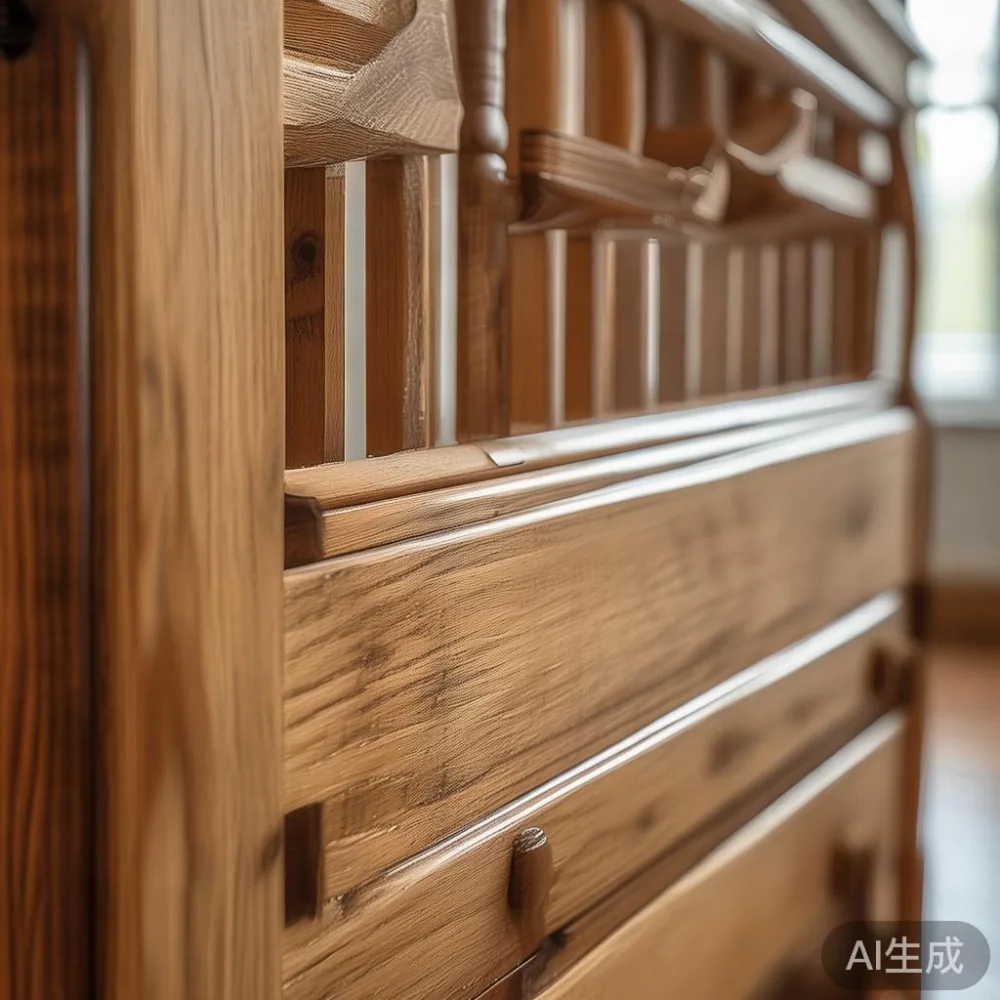
Keep the indoor environment reasonably steady. A reading of 60% to 75% relative humidity suits most homes, while about 24°C to 27°C is comfortable for adults and children. Use a digital hygrometer, available for roughly SGD 20 to SGD 45, and check it before the child naps rather than adjusting the air conditioner every hour. Sudden swings matter more than one humid afternoon. If condensation appears on a window, improve ventilation and run the dehumidifier before the room becomes muggy.
Keep nursery furniture at least 30 cm from an open window, a ventilator or an air-conditioning vent. In a west-facing HDB unit, draw the curtains before direct afternoon sun reaches the finish. UV exposure can pale coloured lacquer over 2 to 5 years, even when the coating remains physically intact.
How should I clean a lacquered finish?
Start with the mildest useful method: a soft microfibre cloth, barely damp with plain water. Wipe in the direction of the grain, then dry immediately with a clean cloth. A 30 cm by 30 cm cloth is easy to manage around a nursery chest or bedside table, and it reduces the chance of leaving streaks on a high-gloss surface.
For ordinary dust, cleaning with a dry cloth is enough. For fingerprints and light marks, add 1 teaspoon of mild dish soap to a bowl containing about 500 ml of water. Moisten the cloth rather than spraying the furniture; excess liquid can enter joints and staining at a lacquered edge. Never soak a cloth, flood a panel or use steam.
Avoid alcohol, ammonia, acetone, paint thinner, abrasive cream, magic erasers and household disinfectant sprays unless the finish supplier specifically approves them. They may soften lacquer, haze a matte surface or remove printing. Test an inconspicuous area such as the underside of a nightstand for at least 72 hours before using any cleaner beyond the mild soapy method.
Clean spills quickly. Wipe milk, formula and juice rather than letting them sit for 20 minutes. If a sticky ring remains, use a lightly damp cloth and a small amount of mild soap. Do not scrape dried residue with a knife or steel wool, because those actions can cut through the coating in seconds.
How can I prevent scratches around a child’s room?
Most scratches come from grit, toys, moving furniture and hard edges rather than ordinary use. Place a felt pad beneath each leg and replace it every 6 to 12 months. Keep a 5 cm buffer around the base of a wardrobe if a ride-on toy, robot or laundry basket is moved nearby. The same discipline helps a solid wood bed frame and dining table, whether they are used in a compact nursery or later in a guest room.
Use coasters and placemats on a lacquered dining table. A 45 cm round coaster is useful for a bottle, while a 30 cm by 40 cm mat handles a warm bowl. Check that coasters are dry underneath; trapped water leaves a dull ring that can take several careful wipes to remove. Avoid rubber-backed mats that may contain plasticisers or leave a residue.
Do not slide furniture by the top edge. Lift a light nightstand with 2 people, or 1 person if its packed weight is under about 10 kg, and protect the corridor floor with a moving blanket. For heavier pieces, remove drawers, shelves and doors if the manufacturer permits. Lifting protects both the lacquer and your back.
Light scratches may be treated with a lacquer-safe repair wax. Apply a rice-grain amount to a soft cloth, work gently over an area no larger than 2 cm, and buff after 60 seconds. Deep scratches, lifting lacquer or exposed wood need professional assessment. Repeated DIY repair can make a mark less noticeable in the room but more noticeable under angled light.
Can a lacquered piece be near an air-conditioner or window?
Yes, provided it is not exposed to a direct stream or intense sunlight. Keep at least 1 metre of clearance from a cold air vent, and check the surface every month for condensation. A sudden blast of air can lower the wood’s moisture content quickly, while the surrounding humidity remains high. That uneven response encourages fine checking around rails, panels and corners.
For a Singapore HDB flat, position a wardrobe along an interior wall where practical. In a Tampines bedroom with two external walls, a freestanding piece may need 3 cm of spacers under its legs so air can move behind it. In a Bedok condo near the sea, wipe exterior surfaces with a barely damp cloth every 2 weeks and dry them immediately. Salt does not automatically penetrate sound lacquer, but it can become abrasive when it turns to dry crystals on the surface.
Check ventilation with the door closed for 15 minutes. If the room feels oppressive, run the exhaust fan or air conditioner for 20 minutes before opening a cabinet. Stable indoor conditions are more useful than chasing every small fluctuation.
Is a lacquered dining table safe for nursery meals and crafts?
A sound lacquered surface can handle everyday nursery duties, including mealtimes, colouring and small craft projects. Put down a washable, non-rubber-backed mat during painting. Cap washable markers and coloured pencils, and keep clay, sand and glitter away from the edge where grit can collect.
Acidic foods deserve extra attention. Wipe tomato sauce, citrus and soy sauce within 5 minutes. While a quality finish can tolerate brief contact, these substances can stain if allowed to remain overnight. Use a separate serving board rather than setting a hot pot directly on lacquer; place a trivet beneath anything above 60°C.
For a bedroom that later becomes a child’s study, a dining table can become a large work surface if it has stable, level support. A 140 cm table is useful for one child and one adult, while a 160 cm table gives more elbow room. The French light luxury approach often pairs a pale solid wood dining table with slim lines and restrained hardware, and that formal balance can work well in a compact Singapore room without looking oversized.
Italian light luxury for small living room is another useful design reference, but the material still needs practical protection. A polished marble table may suit an adult sitting room; for a nursery, choose a stable solid wood table with a sealed edge. Stone is heavy, unforgiving of knocks and difficult to move through a narrow corridor, while a solid wood table can be repaired more readily when its lacquer wears through.
How should I move lacquered furniture through an HDB lift or condo corridor?
Measure before delivery day. Compare the packed furniture dimensions with the HDB lift’s internal width and depth, and check the door opening rather than assuming the lift specification equals usable space. Common corridors may offer only about 90 cm of turning clearance. A nursery wardrobe packed at 55 cm by 60 cm by 185 cm can usually move through a standard lift, but a 65 cm wide sideboard may not turn easily at the landing.
For a condo, measure the service lift, the corridor bend and the bedroom doorway. Add 5 cm of working clearance to each tight turn when arranging the route. Protect the lacquered face with a moving blanket secured by fabric tape; ordinary packing tape can lift a finish when removed after 24 hours.
Remove drawers and adjustable shelves, photograph their positions and label each fitting. Carry light components separately, keep panels upright where possible and never place a lacquered face directly on a trolley. Two movers can often guide a 40 kg to 70 kg piece with less twisting than one person trying to control it.
MIDHILL’s delivery terms should be checked against the exact route, especially for upstairs delivery, lift reservation or extra handling. A 10-year structural warranty supports the underlying construction, but it does not mean that careless movement or impact damage is automatically covered.
How do French, Japanese and Mid-century styles affect finish care?
Style does not change the chemistry of lacquer, but it changes where hands, toys and furniture edges are likely to touch. A French sofa vs Japandi sofa comparison often highlights curved upholstery and low, clean profiles; either design should be positioned with enough room for toys and floor-cleaning equipment. A French sofa vs Modern sofa comparison may lead to a glossy statement piece, where fingerprints and sunlight marks deserve more attention.
For sleeping furniture, French bed vs Mid-century modern bed is a useful comparison of carved details against tapered lines. Lacquered edges around a sculpted frame can collect dust, so vacuum with a brush attachment at low suction every 2 weeks. Japanese bed vs Modern bed comparisons often focus on a platform frame and simpler lines, which are easier to wipe but still need protection from impact.
Vintage for guest room styling can include an antique-looking nightstand, but nursery safety remains more important. Avoid loose cords, unstable stacking and furniture that can tip. A wardrobe fixed to a suitable wall, a bed frame with secure guardrails and a dining table that does not rock provide a calmer room for a child. Post-modern light luxury can add character through a shaped headboard or a sculptural marble table, provided the visual drama does not interfere with daily care.
When should I arrange professional refinishing?
Arrange an inspection when lacquer lifts in flakes, cracks along a joint, feels sticky after cleaning or exposes an obvious colour change. Water staining that remains after 2 gentle attempts is also a good reason to consult a finisher. Photograph the affected area in daylight and again under angled light, then record the approximate size. For example, note a 4 cm lift at the rear edge rather than describing the whole panel as damaged.
MIDHILL offers lifetime refinishing for qualifying furniture. Confirm whether the piece, finish and damage fall within that programme before assuming a visit is included. Transporting a large wardrobe for refinishing may be less practical than restoring it in situ, especially when lifts are busy and a corridor offers limited maneuvering space.
For a solid wood sofa, bed frame, dining table, wardrobe, nightstand or marble table, keep the original care notes and finish samples. A small piece of spare lacquer or the exact sheen name can make a future repair much easier. If the manufacturer offers refinishing, use it rather than layering several commercial touch-up products over the original coating.
What is the simple maintenance routine for a Singapore nursery?
Make a weekly 10-minute care round. Dust lacquered surfaces with a clean microfibre cloth, check beneath coasters and move any object that has been sitting in a ring. Every month, inspect the top of a wardrobe, the front edge of a nightstand and the legs of a bed frame. Look for lifted lacquer, trapped grit and damp patches. Every 3 months, confirm that the room humidity remains within about 60% to 75% and tighten any loose fittings only where the manufacturer allows.
Use a gentle cleaning solution after spills, not as a daily ritual. Over-cleaning removes surface oils and can encourage a patchy appearance. Never leave a wet cloth on lacquer overnight, and never place a basin or water container on a nursery chest.
Over 12 months, this routine can preserve the sheen without turning maintenance into a heavy project. Over 5 years, stable humidity and restrained sunlight will protect the finish more effectively than repeated harsh polishing. Over 10 years, careful structural care and professional refinishing keep solid wood nursery furniture useful as the child grows and the room changes.
For a new piece, measure the delivery route, protect the surfaces from the moment they arrive and keep lacquer away from persistent dampness. Good care is less about finding a miraculous product than controlling the 4 main influences in Singapore: water, humidity, sunlight and abrasion.