How Southeast Asian Humidity Affects Solid Wood Nursery Furniture
Singapore’s warm, humid climate can make solid wood furniture feel less solid, and it can expose poor preparation or poor care. In an HDB flat in Tampines, a crib or changing table may sit near a balcony door while a lift carries it through a narrow corridor. The wood then enters an air-conditioned bedroom with a much lower relative humidity. That daily shift of roughly 15–25 percentage points can cause expansion, contraction, tiny surface checks and joint movement.
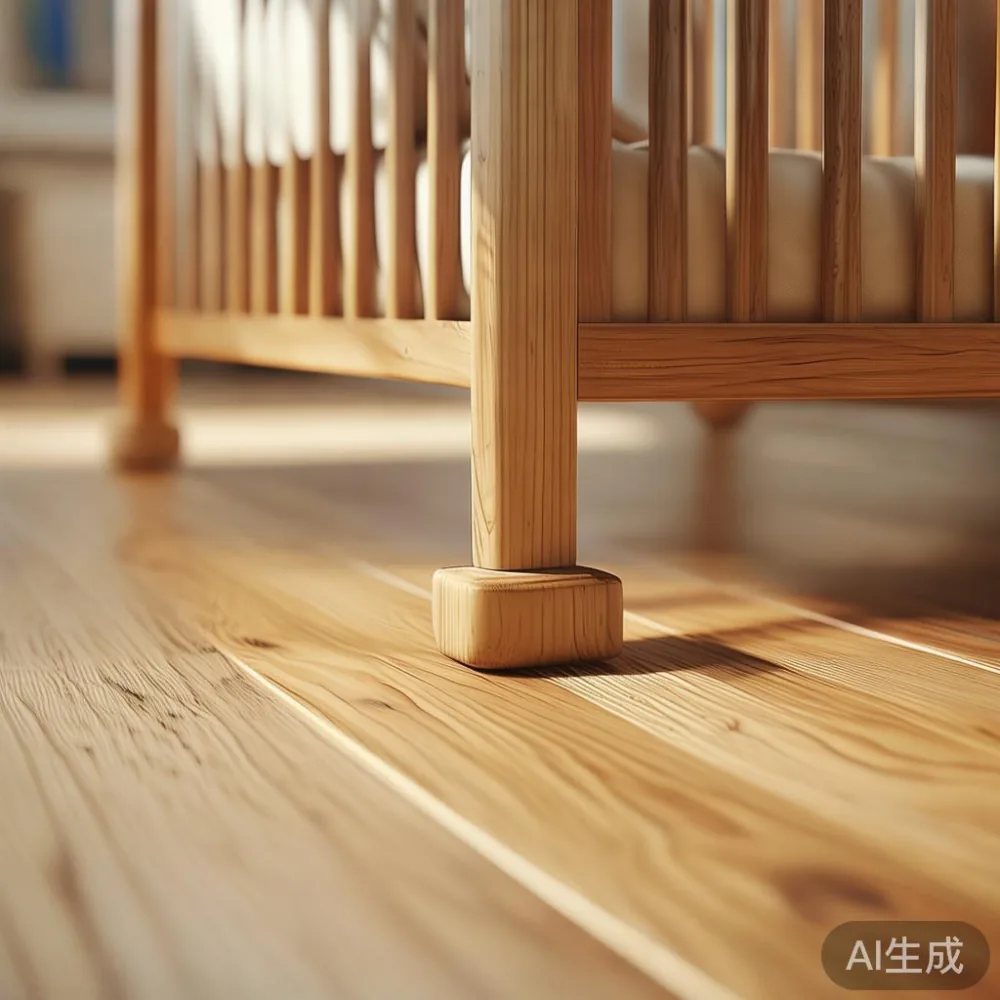
Humidity is not automatically a problem. Mature, properly kiln-dried timber, finished on all surfaces and fitted with sound joinery, can remain serviceable for many years. MIDHILL designs nursery furniture for real Singapore homes rather than treating humidity as an occasional spill. This guide explains the moisture changes that matter, the parts of a child’s room to watch, and the care routine that protects furniture while preserving its appearance.
Why Singapore Humidity Changes Solid Wood
Outdoor relative humidity in Singapore commonly ranges from about 65% to 90%, with higher readings during monsoon periods. Indoors, an air-conditioned room may settle between 45% and 60%. At night, when the air conditioner stops and windows remain closed, humidity can rise again. A 4-year-old child’s bedroom may therefore experience a repeating cycle every 24 hours, not a stable environment.
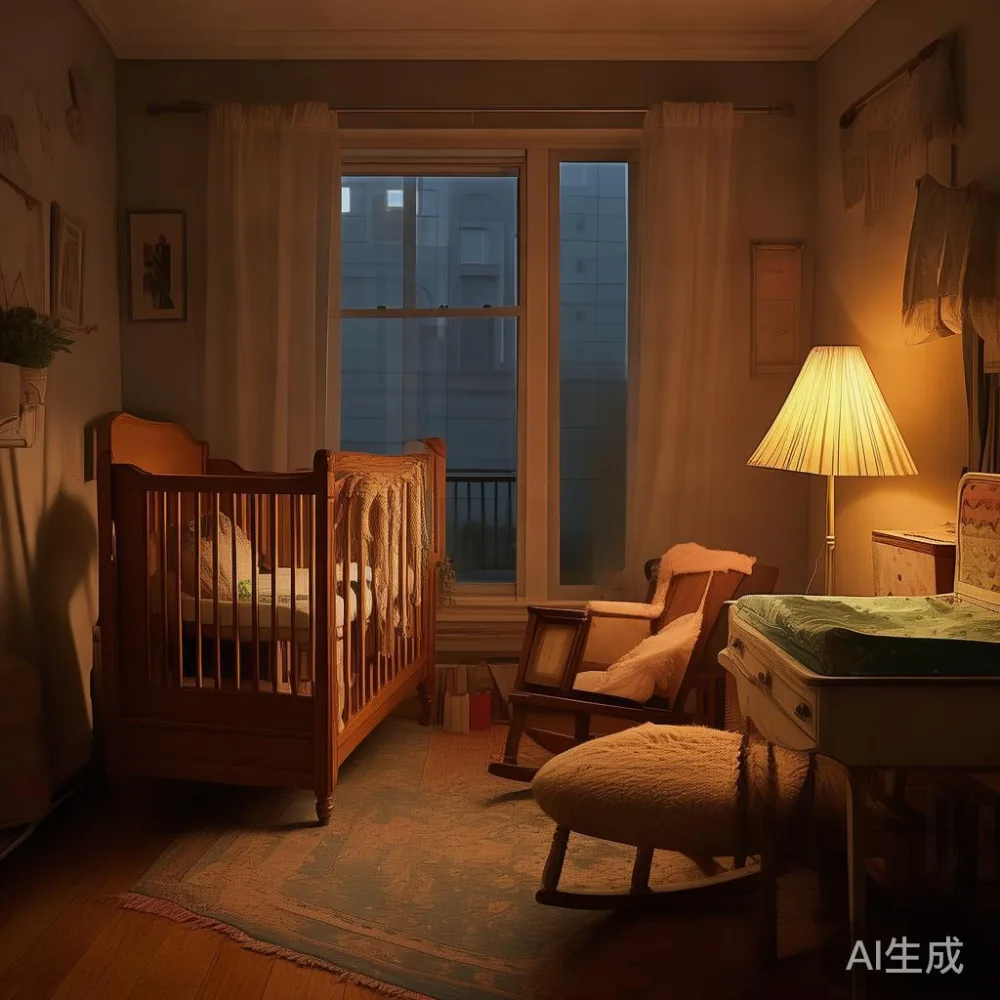
Wood responds to that moisture cycle by gaining or losing bound moisture. The movement depends on species, board width, cut, finish and joinery. A solid wood crib side with a width of 20 cm may move more noticeably than a narrow 6 cm rail because wide boards contain longer grain paths. Oak, ash, beech and similar dense hardwoods remain suitable for nursery furniture, provided they are dried and manufactured correctly.
Ideal indoor conditions are generally around 40–60% relative humidity, with a stable room temperature of about 22–27°C. Avoid placing a crib directly against an air-conditioning vent. I visited a family in Bedok last month and saw a changing table positioned under a wall-mounted vent; its top had already developed 2–3 mm of edge movement. After the table was moved 60 cm away, wiped clean and kept away from direct airflow, the movement slowed.
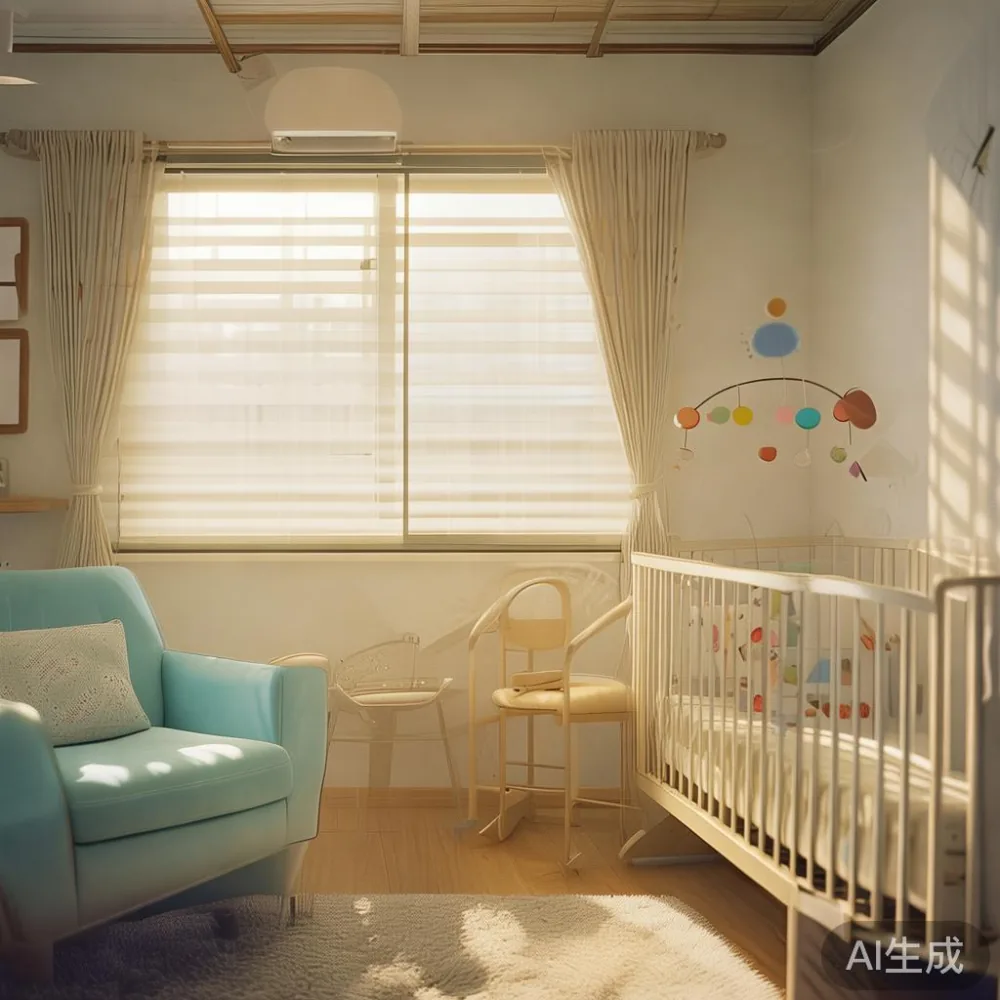
For multi-level HDB homes, delivery planning also matters. A nursery wardrobe must fit through the HDB lift and along corridors that may be only 90–120 cm wide. A 180 cm tall unit can be assembled outside the lift lobby if its individual panels are lighter than 25 kg. These measurements should be confirmed before delivery, because forcing a swollen panel through a tight route risks damaging both the furniture and the building.
Which Nursery Furniture Needs the Most Humidity Attention?
A solid wood bed frame is usually stable if its side rails are joined well and fastened to the slats correctly. A dining table used as a changing surface needs more attention because its broad top expands across the grain. A marble table is less vulnerable to wood movement, although the marble slab, adhesive and any timber base still require sensible placement. A nightstand near a wet-room bathroom wall may absorb moisture more quickly than the same piece in a dry bedroom.
The highest-risk nursery pieces are open-frame cribs, changing tables with wide tops, tall wardrobes and low nightstands close to exterior walls. Check the top and underside of each piece during daylight. Look for gaps wider than 1.5 mm between panels, doors that catch, or a surface that feels damp. Lift the furniture 3–5 cm from skirting boards so air can circulate behind it. Keep damp towels, nappies and washing liquids in a sealed basket rather than against timber.
Solid wood is not the only material in a nursery. A small 90 cm changing table may combine solid wood with a wipe-clean insert, while a 120 cm crib may have adjustable mattress supports. Verify that every component is stable, that a mattress sits securely in the frame, and that the finish does not create a tacky surface. Children’s furniture should meet applicable local safety requirements and be assembled according to the supplied instructions.
French light luxury can be restrained rather than ornate: tapered oak legs, softly rounded corners, warm off-white walls and one pale textile colour. For a child’s room, the style should not compromise clearance or access. A cot should not be filled with decorative loose objects, and wardrobe doors should open without striking a crib or play area.
Can Air-Conditioning Damage a Solid Wood Crib?
Air-conditioning does not ruin solid wood by itself. Repeated rapid moisture changes are more likely to cause problems than steady warmth. The key is to reduce direct airflow and avoid moving a piece between noticeably different humidity zones several times a day.
Set the bedroom thermostat to around 24–26°C if the household can manage it, and aim for 45–60% relative humidity. A low-cost hygrometer placed beside the nursery furniture, but not on top of it, will help reveal changes. Check it at about 8 a.m. and 10 p.m. for 7 days. Record the readings on paper or a phone note. This takes less than 2 minutes each time and gives a much clearer picture than guessing from the weather.
Do not use a household humidifier continuously without measuring the room. Adding moisture to an already humid flat may encourage mould around the crib or dampen textiles. If the reading remains above 60% for several days, improve ventilation during drier periods, run the air conditioner in the room briefly, and inspect for water ingress. Air movement should be gentle rather than directed at a wood surface.
MIDHILL applies a finish intended to make furniture easier to maintain in humid conditions. Even so, no coating prevents every response to humidity. Clean with a soft cloth lightly dampened with water, then dry immediately. Do not leave cleaner pooled around joints or hardware, and do not use abrasive pads, acetone or concentrated degreasers.
How Should I Move and Position a Nursery Wardrobe?
Measure before ordering, not after delivery. For a corridor 100 cm wide, a wardrobe section deeper than 48 cm may still be difficult to rotate, particularly around a right-angled corner. Check the lift car dimensions against the packed section, and allow an extra 10–15 cm for protective packaging and handling. For larger units, flat-pack panels are more practical than a fully assembled carcass.
Acclimatisation should be gradual. If furniture arrives from a cooler warehouse into a warm Singapore room, give unpainted or lightly finished timber 5–7 days to adjust. Remove the outer cartons if space allows while keeping panels clean and flat. Do not lean them against a wall for more than 24 hours. Solid wood panels should be stored flat on a level floor with spacers, then fitted and allowed another 3–5 days before tightening all fixings.
Leave a 5–10 cm gap between the wardrobe and the bedroom wall where space permits. Position a 55 cm nightstand away from a bathroom or balcony door. For a dining table in a combined living area, keep it at least 30 cm from exterior glazing that receives direct rain. A marble table should have a level base, and any timber understructure should not sit in standing water.
Delivery to Singapore commonly takes 7–14 days after dispatch, though stock, custom sizing and peak-season demand can extend the period to 21 days. MIDHILL offers free shipping above US$350, which is approximately SGD 470 at an indicative rate of SGD 1.34 per US$1. Buyers should still confirm the final SGD amount at checkout because exchange rates and local charges may vary. A 14-day return window is useful if an item arrives visibly damaged, but the packaging should be opened and checked within 24 hours of receipt.
What Is the Right Finish for a Humid Nursery?
A hardwax oil or water-based protective finish can suit solid wood, but “water-based” does not mean immune to humidity. During application, moisture control and drying conditions matter. Matte finishes can make small surface defects less visible, while glossier coats show fingerprints and fine dust. In a child’s room, choose a smooth finish that can be wiped without solvent and avoid deep, narrow crevices where residue can collect.
Apply furniture polish only when the surface is clean and dry, and use the amount specified on the product. A 15 cm square microfibre cloth is enough for a nightstand. Wipe in the direction of the grain, then remove residue with a second dry cloth. A reasonable care cycle is every 2–4 weeks for a changing table and every 8–12 weeks for a wardrobe or bed frame, adjusted for use and exposure rather than followed mechanically.
Watch for finish failure: white haze, peeling edges or a tacky feel often indicate contamination or moisture. Do not attempt to repair a large affected area with household oil. Photograph the piece, note the room’s humidity readings and contact the maker. MIDHILL provides a 10-year structural warranty and lifetime refinishing, covering the core craft of the furniture rather than damage caused by standing water, neglected finishes or unauthorised chemical treatment.
How Do I Style Nursery Furniture Without Overloading the Room?
A small Singapore bedroom can look crowded if every piece has a strong silhouette. Begin with the room’s 3–6 cm skirting line and keep larger furniture aligned with the door or window axis. A 120 cm crib against the longest wall can leave enough space for a 45 cm nightstand, while preserving a walking route of at least 60 cm where possible.
For inspiration, search for how to style French sofa in room, even if the final nursery has no sofa, to understand pale upholstery, curved edges and balanced spacing. The same restraint works with a small upholstered chair in a larger child’s bedroom. For an adjoining living area, how to style Japandi sofa in bedroom shows how low-profile seating and clean timber lines can remain comfortable without visual clutter.
European light luxury for dining room is useful when a playroom shares an open-plan living space: a pale solid wood dining table, cream walls and uncluttered accessories create order without excessive detail. Post-modern light luxury is less about grand forms and more about proportion, so a conventional crib can be paired with simple graphics and one accent colour. A compact marble table may work as a side surface, although nursery storage should remain closed and stable.
Compare 2026 Modern light luxury furniture ideas with Mid-century modern for bedroom references, but check every used measure at home. A listed 140 cm cabinet may include an overhang, while the actual wall opening is only 128 cm. Leave 8–10 cm around freestanding pieces for cleaning and humidity circulation.
What Humidity Checks Should I Do Every Month?
Use a 10-minute monthly routine. Read the hygrometer, inspect the crib rails and changing table edges, and tighten any fixing that has worked loose by 2–3 mm. Wipe the nightstand with a dry microfibre cloth and clean the marble table with pH-neutral stone cleaner. Check beneath sink units, windows and air-conditioner drip lines for leaks.
After a rainstorm, inspect furniture within 24 hours. Look for dampness, insect tracks or swollen drawer bottoms. Singapore’s common house ants and termites do not ignore timber that remains wet. Remove food residue, keep cardboard away from the floor and address leaks promptly. Avoid placing nursery furniture directly on balcony tiles that can return moisture to the base.
For a second opinion or a specific quotation, send dimensions, photographs and the delivery suburb to midhillco@gmail.com. Ask about material, finish, lead time and the packed size needed for the lift. If the piece is for sale, light luxury furniture should be described accurately, including its solid wood species, dimensions and finish, rather than relying on style labels alone.
Humidity management is a matter of steady conditions, sensible placement and regular care. A 120 cm crib, a 180 cm wardrobe or a 200 cm bed frame can last for years when its timber is properly dried, its joints remain sound and its owners respond early to small changes. That approach protects the furniture, supports a calmer nursery and gives each piece the durability expected from a well-made solid wood construction.