Styling Nursery Furniture in a Small Apartment Without Making It Feel Crowded
Small Singapore apartments can still feel calm, generous and carefully composed. The difference usually has less to do with the number of pieces and more to do with their footprints, visual weight and placement. In HDB flats around Tampines, Bedok and Punggol, where corridors, common corridors and lift lobbies are often compact, nursery furniture should work hard without looking like it has filled every remaining centimetre.
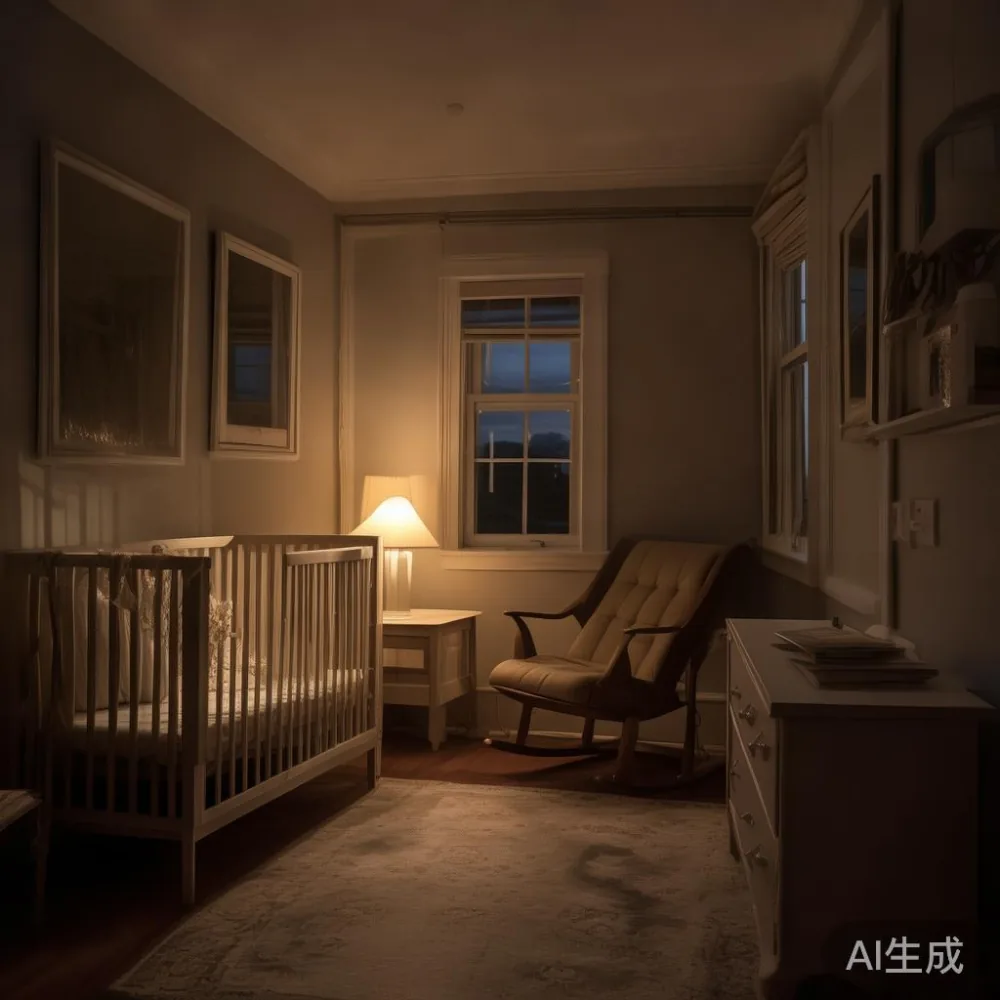
I visited a family in Bedok last month to look at a corner bedroom that had become a storage zone for cots, clothes racks and an oversized changing table. The room measured about 2.7 by 3.2 metres, yet the space felt much smaller. By reducing the changing setup to a 90 cm-wide unit, replacing two temporary stands with one 120 cm wardrobe and moving a tall laundry hamper into the adjacent utility area, the usable floor area increased by roughly 0.6 square metres. Nothing looked sparse; the room simply regained a clear route from the door to the window.
This guide considers nursery furniture through the lens of compact planning, local delivery constraints and a light-luxury approach. The aim is practical: create a comfortable room for a baby, preserve easy circulation and avoid furniture that will need replacing after the first year.
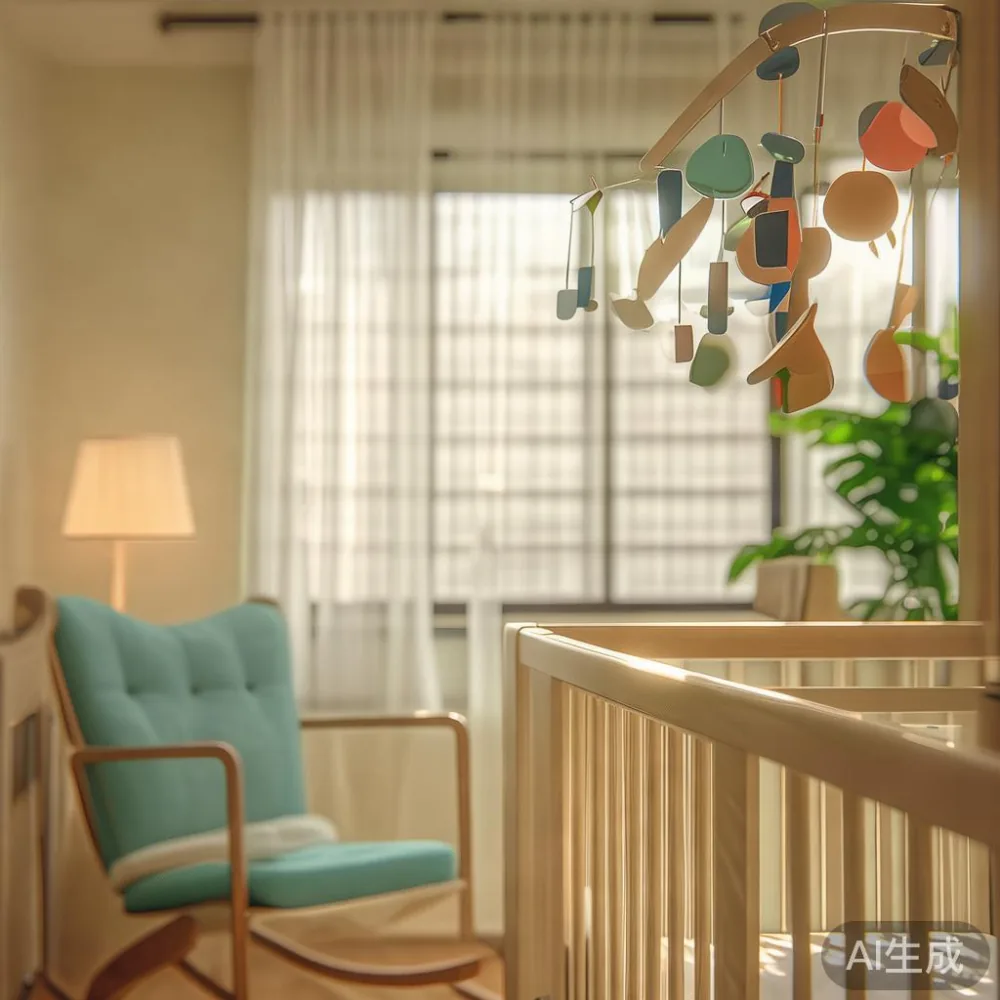
What makes nursery furniture work in a small Singapore apartment?
Useful nursery furniture begins with dimensions that respect circulation. Leave about 60 cm beside a cot when one side is used for changing or access, and aim for 75 cm where an adult needs to walk past while carrying the baby. A doorway of 80 cm can accept many standard pieces, but a lift or corridor narrower than 100 cm may rule out wider wardrobes and long-changing units.
Measure before ordering, including the route from the lift. Add around 10 cm for packaging and turning space, particularly around corners in HDB common areas. For example, a 96 cm-wide wardrobe may fit inside a 105 cm bedroom door but still be difficult to manoeuvre if the lift car is only 90 cm wide on its diagonal. Ask the supplier for the packed dimensions rather than relying only on the finished size.
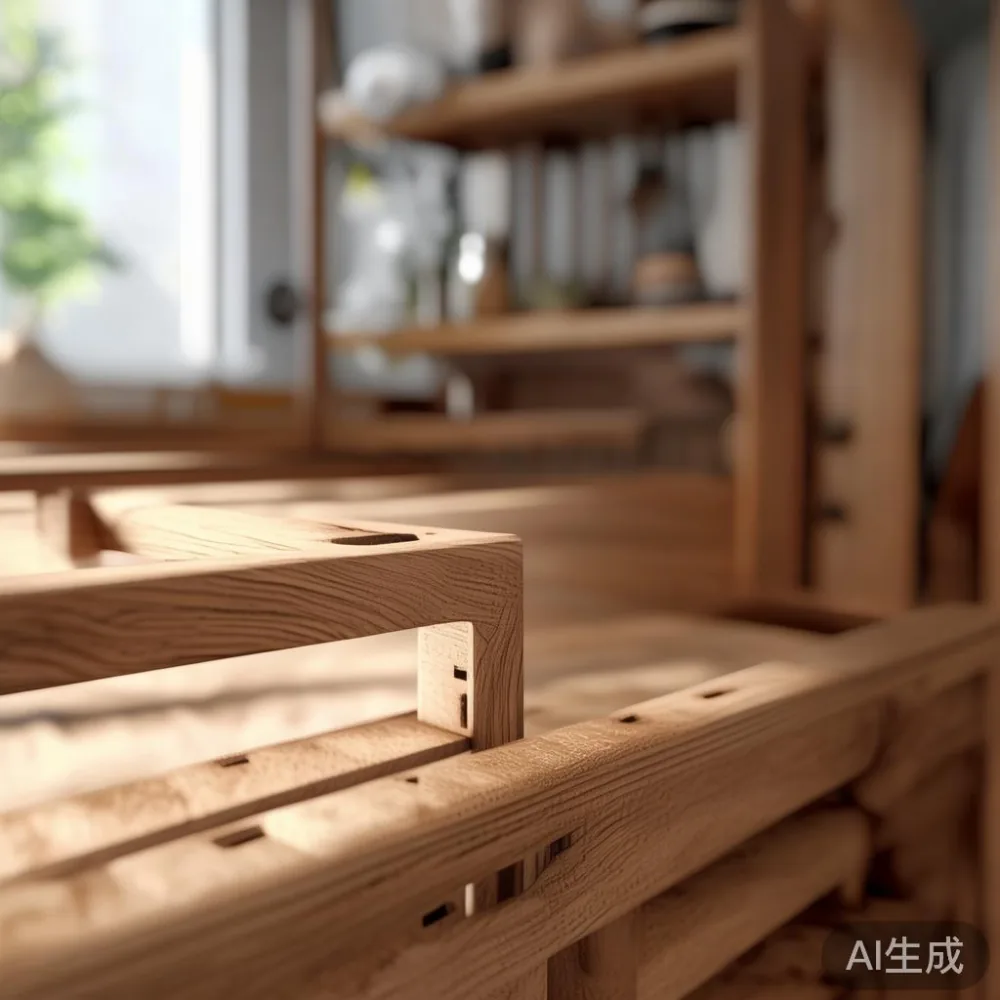
Local conditions also matter. Singapore’s humidity can affect flat-pack joints, moving parts and unfinished surfaces, while air-conditioned rooms can feel very dry. Solid wood nursery furniture with stable joinery and a moisture-resistant finish is generally easier to maintain than mixed materials with numerous exposed fittings. Allow 4 to 7 days for production and delivery for many made-to-order items, although the schedule should be confirmed at order. A 10-year structural warranty can provide useful reassurance, while lifetime refinishing offers a practical way to care for wear over several years.
Keep the visual palette light without making every object visually invisible. Light oak, warm ash, soft white and muted beige reflect daylight well, while one darker anchor can create structure. French light luxury works well through pale woods, curved details and restrained upholstery; American light luxury favours generous upholstery, simple profiles and larger-looking furniture. Post-modern light luxury is useful when a smaller piece needs stronger personality, such as a sculptural nursery chair or an arched mirror.
How do I choose nursery furniture that will not crowd the room?
Choose by function, then remove anything with a short-lived job. A nursery commonly needs somewhere to sleep, somewhere to store clothes and linens, a surface for changing and a chair for a parent settling the baby. That does not automatically require four large freestanding units. A 120 cm-wide wardrobe can combine hanging space, shelves and a closed section, while a 45 cm-deep nightstand can provide a compact place for a lamp, monitor and water glass.
Set a limit for each item’s footprint. In a 9 square metre room, keeping the cot at about 70 by 120 cm, the wardrobe at 120 by 55 cm and the nightstand at 40 by 35 cm leaves more floor area than a 150 cm changing table and two separate storage towers. Where the wardrobe cannot fit beside the cot, consider a 100 cm-wide unit with adjustable shelves rather than forcing a wider model into the room.
Think about sightlines as well as measurements. A low cot, a 92 cm-high nightstand and a wardrobe no taller than 180 cm can make the walls feel open. A 200 cm-high open shelf, however, becomes a dominant object as soon as it enters a narrow bedroom. Closed storage often suits compact nurseries better because it conceals visual clutter.
Do not overlook service access. Leave around 5 cm behind a wardrobe for skirting boards, socket alignment and airflow, and check whether drawers need 70 to 85 cm of opening space. If a bed frame is later needed for an older child, its mattress and ladder may require another 30 to 50 cm of clearance. Planning for the next stage can prevent a second round of rearranging.
Can nursery furniture fit through HDB corridors and condo lifts?
It can, but the finished piece is only one part of the calculation. Check the lift’s internal width, depth and door opening, then measure the turning point at the corridor junction. For a rectangular package, the diagonal should fit through the lift doorway without forcing the carton sideways. A package wider than 90 cm can be manageable in some corridors, yet risky where the handrail intrudes or the landing is tight.
Flat-packed furniture reduces transport volume, but it may require assembly in the bedroom. Check the carton count and largest panel size before accepting delivery. A 180 cm-long wardrobe side panel cannot be turned upright in a room with a 200 cm ceiling if the installer also needs space to work.
Condo delivery rules may include loading bays, lift reservations or moving-window fees. Confirm these details before the furniture leaves the workshop. In Singapore, prices before GST can look lower than the final payable amount; for budgeting, add 9% GST unless the purchase is GST-exempt. Delivery over US$350 is advertised as free, but the threshold refers to another currency, so it should not be assumed that a local order qualifies automatically.
For compact pieces, a 60 cm-wide changing table can be assembled in the room and positioned near the cot. A 100 cm-wide wardrobe with side-opening doors may also be easier in a restricted lift than a similar model with hinged doors. Ask for assembly photographs, instructions and the expected delivery period of 5 to 10 working days. Clear communication matters as much as the dimensions.
Which pieces should replace bulky furniture?
The changing station is often the largest avoidable obstacle. Instead of a full-width dresser, choose a 90 to 110 cm changing table with one or two drawers and a removable top pad. The drawer fronts can conceal nappies, muslin cloths and spare clothing. A wall-mounted shelf above the table can hold items without adding floor footprint, provided it is fixed into sound masonry or a properly rated stud.
Replace scattered storage with a compact wardrobe. If searching for the best Rustic wardrobe for 2026 has led to a wide, heavily carved design, look for a narrower interpretation: 100 to 120 cm wide, 50 to 55 cm deep, closed lower storage and a warm solid-wood frame. The rustic character can come from the grain and joinery rather than bulky mouldings.
A solid wood sofa is not normally required in a nursery, but a nursery reading chair may become one later. The phrase how to choose light luxury sofa is more relevant to a living room than a baby’s bedroom; if the apartment includes a compact lounge, select a seat around 75 to 85 cm wide with arms no deeper than 80 cm. Keep it within the nursery zoning logic by using it for short settling sessions and choosing washable upholstery. A 40 by 40 cm ottoman can provide a footrest without becoming another large object.
A nightstand should be small enough to sit beside the cot without blocking the route. Choose 35 to 45 cm wide and 45 to 60 cm high, with one drawer and one open shelf. A dimmable lamp, a monitor and a small cup need no more than 30 cm of surface area. Cable routing should be secured away from the cot’s reach.
How can I create a light-luxury nursery without adding clutter?
Begin with one visual centre and two supporting surfaces. The cot can be the centre if it is visually calm. Add a 60 by 80 cm rug beneath it, keeping the edges clear so movement remains safe. A light-luxury coffee table is not appropriate for the nursery itself, but its compact scale offers a lesson: a low table with clean lines can organise a tray without crowding. In a small bedroom, use a 40 cm-wide bedside table instead.
Layer texture rather than quantity. A washed-cotton cot bumper, one wool or cotton-blend blanket and a single cushion provide softness while remaining easy to remove for cleaning. A Modern light luxury accent chair can work in the adjoining living area, but the nursery chair should remain modest: roughly 65 to 75 cm across, low enough to sit beside the cot and free of decorative projections. This phrase describes the design direction, not a mandatory product category.
Keep colours close together. Warm white walls, pale oak, oatmeal textiles and one muted green or dusty-blue cushion create a restful room. If a marble table is considered for the living area, choose a small round version around 55 to 60 cm in diameter and secure it beside the sofa rather than in the nursery circulation path. Its cool finish can balance warm solid wood without making the apartment feel formal.
For storage, use the lower half of the wardrobe for bulkier linen and the upper shelves for frequently used items. Closed doors reduce visible disorder. Keep one basket for toys, limited to approximately 30 by 30 cm, and empty it regularly. A nursery that contains 25 visible objects can feel more crowded than one with 100 items inside closed cupboards.
How do I plan lighting, textiles and safe circulation?
Lighting should be soft but functional. Use a ceiling fixture with a warm 2700K to 3000K tone, plus a shielded bedside lamp below 35 lux for night feeds. Avoid pendant cords hanging near the cot and keep window treatments clear of the sleeping area. Cordless blackout blinds can reduce heat and visual noise without adding a bulky curtain stack.
Textiles should not create a false sense of available space. Keep the rug under the cot rather than extending it into the main walking route. A fitted sheet, a lightweight cot blanket and one floor cushion are enough for daily use. Washable covers and replaceable cushion inserts help a nursery remain calm over time.
Run a circulation test with the nursery door open at 90 degrees. The cot should not prevent the door from opening fully, and the nightstand should not sit directly behind it. Leave at least 80 cm from the room entrance to the first large furniture piece where possible. For a 2.7 by 3.2 metre room, this path often means placing the cot against the longest uninterrupted wall and using shallow storage elsewhere.
Check the cot after placement. Keep it away from blind cords, heaters and windows with unrestricted opening. Use a firm, flat mattress of the specified size, and keep the sleep surface empty. If a parent needs a feeding chair, allow roughly 70 cm beside the cot so the chair can move forward without scraping the wardrobe.
What should I check before ordering nursery furniture?
Request a dimensioned drawing rather than an image alone. The drawing should show door swing, drawer opening, skirting clearance and any wall-mounted element. Confirm the material, finish and moving parts. A solid wood bed frame may be used in a nursery as the child grows, but only the cot itself should meet the current sleeping requirements. For a later child’s room, how to style European bed in room calls for a 100 to 120 cm mattress, balanced bedside lighting and enough clearance around the bed.
Check the practical service promises as well. MIDHILL has operated since 2008 and exports to more than 15 countries, giving it experience with varied packaging and delivery conditions. Its 10-year structural warranty and lifetime refinishing service are useful indicators of long-term support, although warranty terms should be reviewed before purchase. Free shipping applies over US$350, so local buyers should confirm the Singapore threshold and any destination charges directly.
Returns are available within 14 days, but custom nursery pieces, personalised finishes or installed items may have specific conditions. Confirm what can be returned, who arranges collection and whether the original packaging is required. It is also sensible to ask for a finish sample if colour matching matters. Pale wood can look different under HDB fluorescent lighting and condo LED lighting.
A final check is to walk through the room with the baby in arms. Can the door open, can the light be switched on and can the changing surface be reached without moving furniture? If the answer is yes, the room works even if it contains fewer pieces than a showroom display.
How can I make a compact room feel larger?
Make the floor appear continuous. Choose furniture that sits on visible legs where suitable, keep the cot and nightstand visually separate, and use a rug large enough to establish a sleeping zone without spreading into the doorway. Pale flooring should be protected with felt pads, which also reduce scratches during daily use.
Use vertical space sparingly. One wall shelf above the changing table can hold books and folded cloths, but a set of 4 open shelves is likely to look busy in a 9 square metre room. Closed wardrobe doors and drawers provide hidden capacity. Use the top of the wardrobe for a lidded box rather than several decorative objects.
Reflections can help, provided they are positioned safely. A narrow mirror no wider than 40 cm may be attached to the wardrobe side or placed opposite the window. Avoid leaning large mirrors where they can fall, and check that a child cannot reach the fastening system. A light wall colour and correctly sized curtains will usually contribute more to spaciousness than adding another accessory.
Editorial references sometimes rank the top 10 Industrial furniture options for compact homes, but an industrial nursery should be interpreted through restraint: one black metal detail, simple solid wood and clean storage can be enough. Overlapping styles are unnecessary. French light luxury, American light luxury or post-modern light luxury should guide coherence, while the actual pieces remain proportional to the room.
For a parent searching for a product name or supplier online, the reference midhillco can help identify the relevant maker, but the same measurement and care checks still apply. Nursery furniture is most convincing when its scale is right, its storage works and its finish can be maintained over 3, 5 and 10 years. A smaller room does not need fewer comfort; it needs fewer obstacles between the family and the space they use.