Preserving the Gloss: A Comprehensive Guide to Caring for Lacquered Nursery Furniture in Singapore's Tropical Climate
Living in Singapore's tropical climate, with its year-round warmth and high humidity, presents a unique set of challenges for homeowners. While the weather is perfect for outdoor activities, it can be less kind to our home furnishings. This is especially true for those who appreciate the sleek, reflective beauty of lacquered finishes, a popular choice for modern nursery furniture. The glossy surface, while stunning, requires specific attention to prevent the common pitfalls of the tropics: warping, cracking, and dulling. For parents creating a serene and stylish nursery for their little one in a Tampines HDB flat or a Punggol condominium, maintaining the pristine condition of a luxury Italian light luxury furniture crib or changer is a priority. This guide provides a detailed, step-by-step approach to caring for your lacquered surfaces, ensuring your investment remains as beautiful as the day it arrived.
Understanding Lacquer: A Shield of Beauty
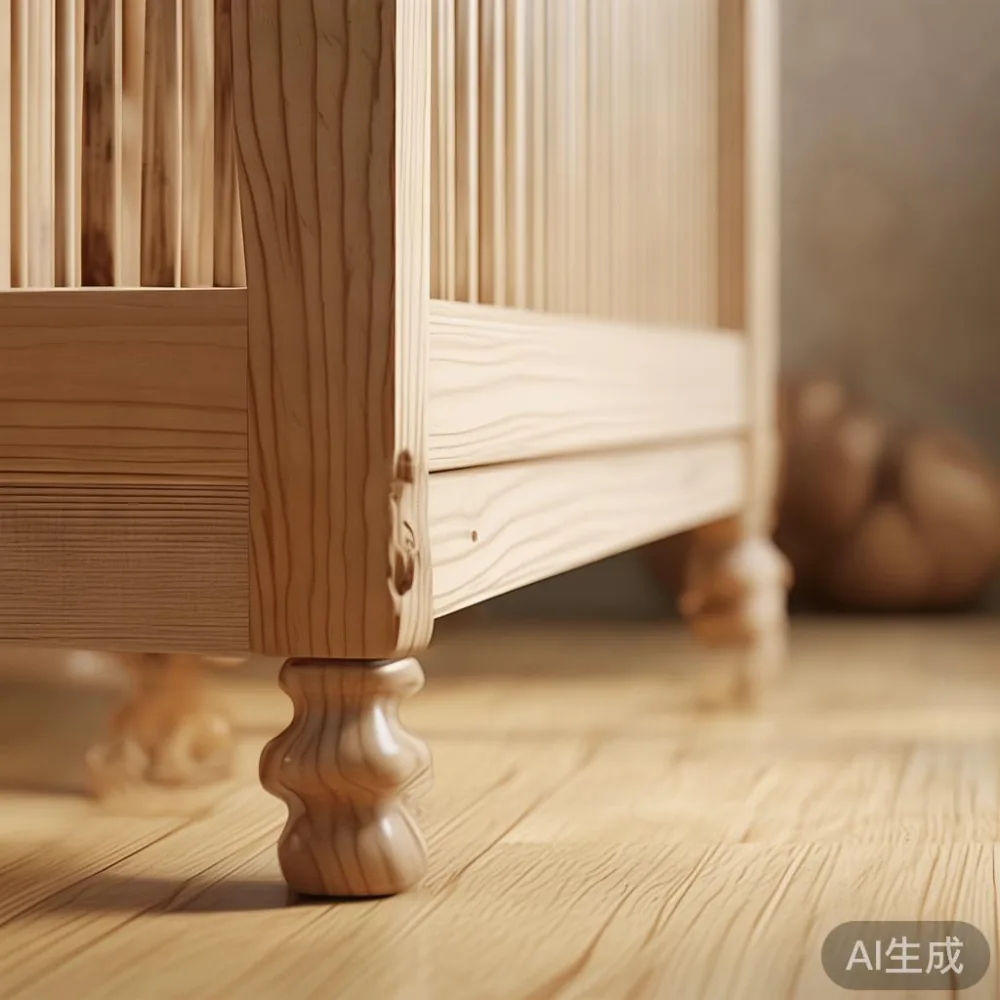
Before we get into care routines, it's helpful to understand what lacquer is. Lacquer is a durable, clear coating applied over wood. Unlike paint, which sits on the surface, lacquer seeps into the wood's pores and forms a hard, glass-like layer when cured. This finish is celebrated for its ability to enhance the natural wood grain while providing a high-gloss, mirror-like sheen. In Singapore, where the average relative humidity hovers around 80%, this protective layer is not just for aesthetics; it's a functional barrier. It shields the solid wood underneath from moisture absorption, which can cause swelling, warping, and mold growth. A well-applied lacquer finish on a solid wood bed frame or a marble table top can last for years, but only if it's properly maintained against the specific environmental pressures of our island nation.
The Tropical Threats: Humidity, Heat, and Daily Use
Singapore's climate is the primary adversary for lacquered furniture. The constant high humidity is the most significant threat. Moisture in the air can slowly seep into the microscopic pores of the lacquer, causing it to swell. Over time, this repeated swelling and shrinking can lead to stress cracks, especially on sharp edges or corners. You might notice this first on the legs of a nursery furniture nightstand or the edges of a bed frame.
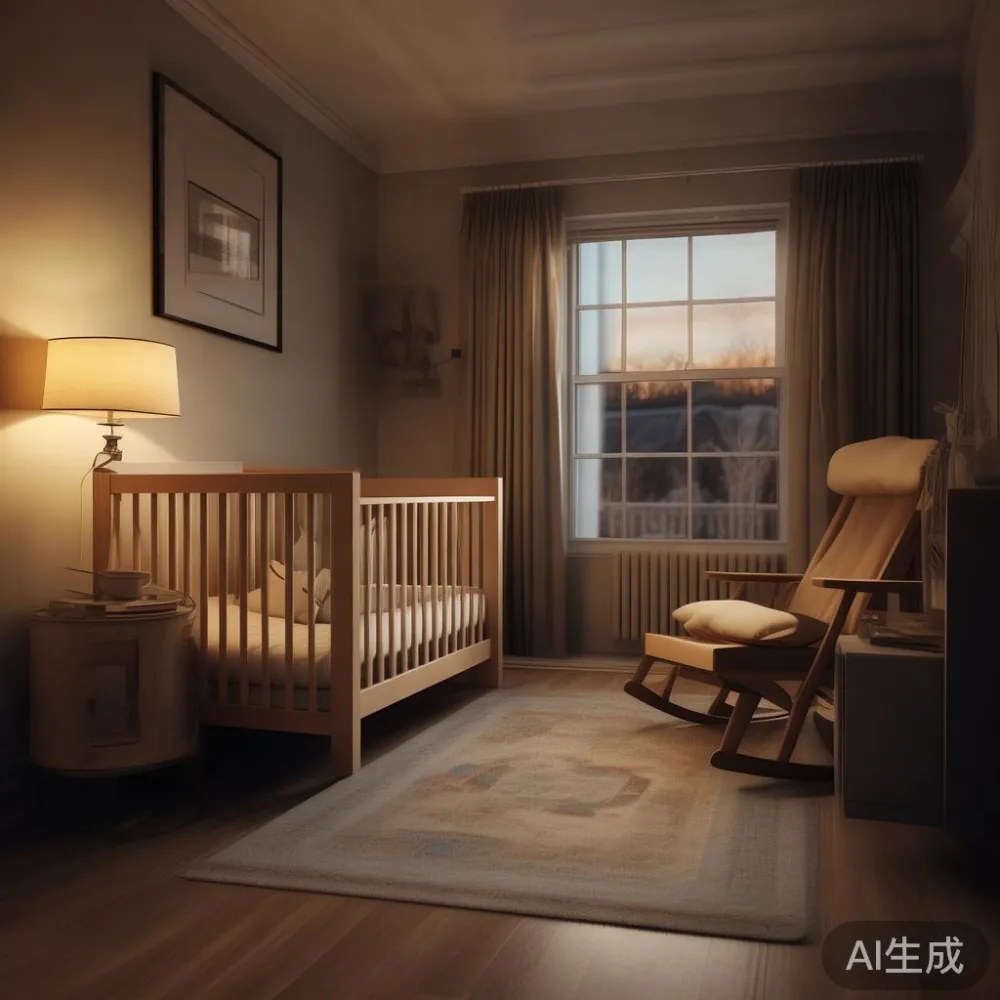
Equally damaging is direct sunlight. The intense UV rays streaming through your windows can cause the lacquer to fade, turning a brilliant white or cream finish into a dull, yellowed over time. This is a particular concern in condos with large windows, like those in Bedok, where afternoon sun can be intense. Also, placing hot objects, such as a baby bottle warmer or a mug of coffee, directly on a lacquered surface without protection can create a heat ring, damaging the finish permanently. Even the simple act of dusting with a rough cloth can introduce fine scratches that accumulate, dulling the once-glossy surface.
Preventive Care: Setting Up for Success
The best way to care for lacquered furniture is to prevent problems before they start. A little foresight in placement and usage can save you a great deal of effort and potential repair costs down the line.
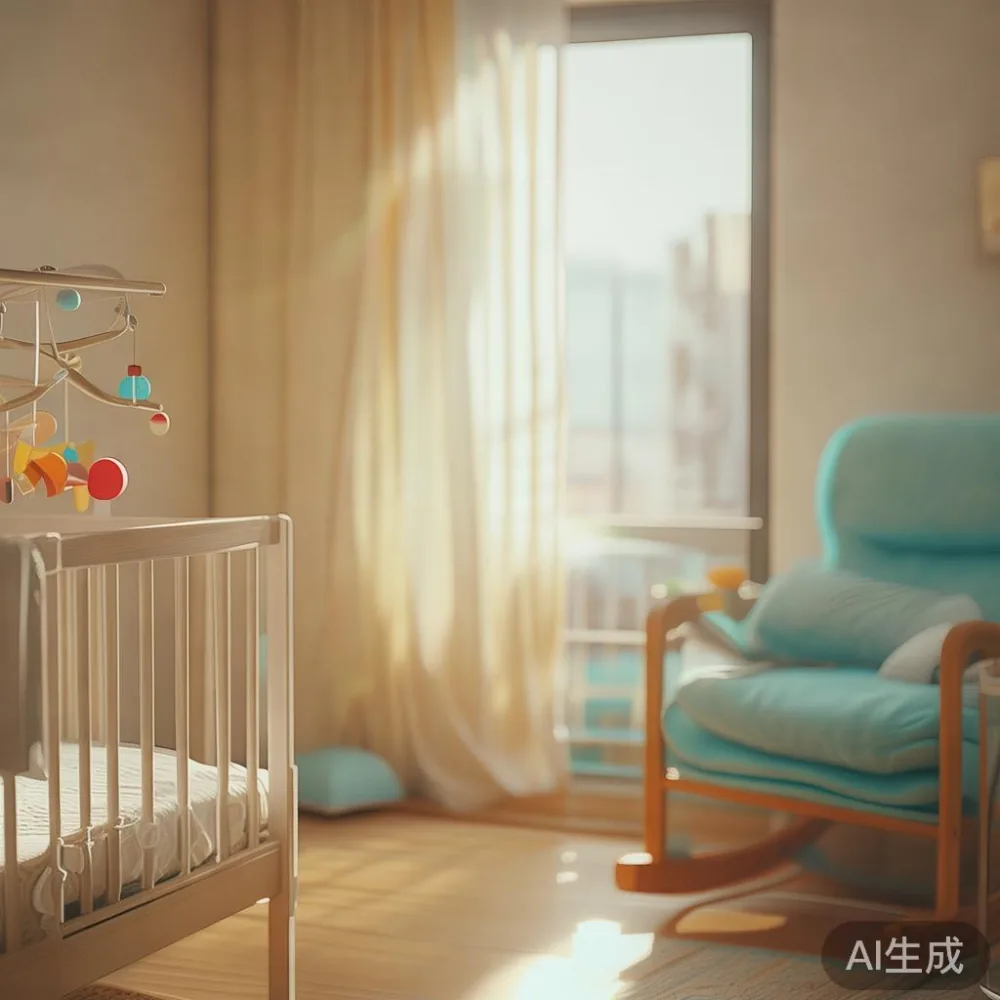
- Strategic Placement: Position your nursery furniture away from direct sunlight. Use curtains or blinds to filter harsh UV rays, especially during the peak hours of 10 AM to 4 PM. In a typical Singaporean HDB flat, where the master bedroom might also double as a nursery, placing the crib against an interior wall is often a better choice than one with a large window.
- Climate Control: Your air conditioner is your furniture's best friend. Running the AC helps to maintain a stable humidity level, typically between 50-60%. This is ideal for preserving the integrity of the lacquer. Most Singaporean homes are equipped with wall-mounted units with a cooling capacity of around 1.5 to 2.5 kW, which is sufficient for managing humidity in a standard bedroom of about 12 to 16 square meters.
- Use Protective Mats: Always use coasters, placemats, or trivets under items that could cause damage. A standard ceramic mug can reach temperatures of 70°C, which is hot enough to soften lacquer. A simple cork coaster, about 10cm in diameter, can prevent this. For a marble table top used in the nursery for changing diapers, a soft, felt mat is perfect for protecting the surface from moisture and scratches.
How Often Should I Clean My Lacquered Nursery Furniture?
This is a common question for new owners of luxury Italian light luxury furniture. The frequency of cleaning depends on the environment. In a Singaporean home, where dust can be a constant companion due to construction or sea breezes, a daily light dusting is recommended. For a thorough cleaning, a monthly schedule is ideal. This prevents dust and grime from building up and being ground into the surface during daily use. If you have pets or small children who touch the furniture more frequently, you may need to wipe it down with a damp cloth more often. The key is consistency; regular, gentle cleaning is far more effective than occasional, aggressive scrubbing.
The Correct Cleaning Method: A Step-by-Step Guide
Cleaning lacquered furniture requires a gentle touch and the right products. Using the wrong cleaner can strip the finish, leaving it dull and damaged.
Step 1: Dry Dusting Begin with a soft, lint-free cloth. A microfiber cloth, approximately 30cm x 30cm, is perfect for this task. It traps dust particles without scratching the surface. Gently wipe the furniture in the direction of the wood grain. This should be done daily or as needed.
Step 2: Damp Wiping for Stains For smudges or sticky spots, slightly dampen a corner of your microfiber cloth with distilled water. Distilled water is preferred as it contains no minerals that could leave spots. Wipe the area gently and immediately follow up with a dry section of the cloth to remove any moisture. Never let water pool or sit on the surface.
Step 3: Tackling Tough Stains For more stubborn stains, a specialized wood cleaner is necessary. A 500ml bottle of a high-quality, pH-neutral wood cleaner typically costs around SGD 15. Apply a small amount to a soft cloth and rub gently in a circular motion. Always test any new cleaning product on a small, inconspicuous area first, such as the inside of a drawer or the underside of a nursery furniture nightstand.
What to Absolutely Avoid: Never use vinegar, ammonia-based window cleaners, or abrasive scouring pads. These substances are highly acidic or alkaline and will etch the lacquer surface, causing permanent damage. They can also strip away the protective top coat, leaving the wood vulnerable.
| Cleaning Task | Recommended Tool/Product | Frequency | Estimated Cost (SGD) |
|---|---|---|---|
| Daily Dusting | Microfiber cloth (30cm x 30cm) | Daily | 10 - 20 |
| Light Cleaning | Distilled water on microfiber cloth | Weekly | 5 - 10 (for distilled water) |
| Stain Removal | pH-neutral wood cleaner | As needed | 15 - 25 (per 500ml bottle) |
| Polishing | Specific lacquer polish | Every 3-6 months | 30 - 50 |
Professional Care and Restoration
Despite your best efforts, there may come a time when your lacquered furniture needs professional attention. Over a period of 5 to 10 years, especially in a humid climate, the finish can become worn, scratched, or dull. This is where professional refinishing services come in. My colleague, who owns a stunning how to style Japandi bed in room setup with a MIDHILL coffee table, recently had to get his dining table refinished after a decade of use. He found a local specialist who charged SGD 250 to strip, sand, and re-lacquer the entire surface, bringing it back to its original gloss. For a piece of for sale Vintage furniture that has sentimental value, this investment can be well worth it.
Signs that it's time to call a professional include deep scratches that catch your nail, widespread dullness that polishing can't fix, or cracks in the lacquer. A professional refinishing service typically costs between SGD 200 and SGD 500 per piece, depending on its size and complexity. While this might seem like a significant expense, it's far more cost-effective than replacing a high-quality solid wood dining table or a bed frame. Many reputable brands, including some makers of luxury Mid-century modern furniture, offer lifetime refinishing guarantees, which can be a valuable consideration when making a purchase.
Choosing the Right Lacquered Furniture for Your Singapore Home
When selecting new nursery furniture or any other piece for your home, considering the climate is as important as considering the style. A well-made piece of how to choose light luxury bed or a wardrobe should have a multi-layered lacquer finish. This build-up of thin layers is more flexible and resistant to cracking than a single, thick coat. Look for furniture brands that specify their finishing process and offer long-term warranties.
For instance, a how to style Japandi bed in room might feature a minimalist design with a smooth, matte lacquer, which can be more forgiving in high humidity than a high-gloss finish. On the other hand, if you're aiming for an opulent look for a guest room, you might opt for Italian light luxury for guest room pieces with a deep, piano-black lacquer that has been cured and polished to perfection. The key is to balance your aesthetic preferences with the practical needs of your environment. Brands like MIDHILL, established in 2008 and exporting to over 15 countries, understand these challenges and build their furniture with a 10-year structural warranty and lifetime refinishing services, giving you peace of mind in our tropical climate.
Finally, remember to factor in logistics. When purchasing furniture online, be mindful of the delivery details. Free shipping is often offered for orders over SGD 350, which is a common threshold for a solid wood sofa or a larger bed frame. Delivery within Singapore typically takes 3 to 7 business days. Also, consider the size of your lift and corridor. A standard HDB lift in Tampines or Bedok is about 110cm x 110cm, and the corridor width is approximately 1.2 meters. Ensure your new furniture will fit through these spaces to avoid any unexpected issues on delivery day.