Small-Apartment Nursery Furniture Without the Crowd
Styling a compact Singapore home is less about filling every wall and more about protecting space for daily life. In an HDB flat, the nursery often shares a bedroom with a couple’s bed frame, a wardrobe and a small work area. A condo may offer a dedicated nursery, yet the same lift and corridor restrictions can make oversize furniture impractical. The answer is careful measurement, restrained colour and pieces that earn their footprint.
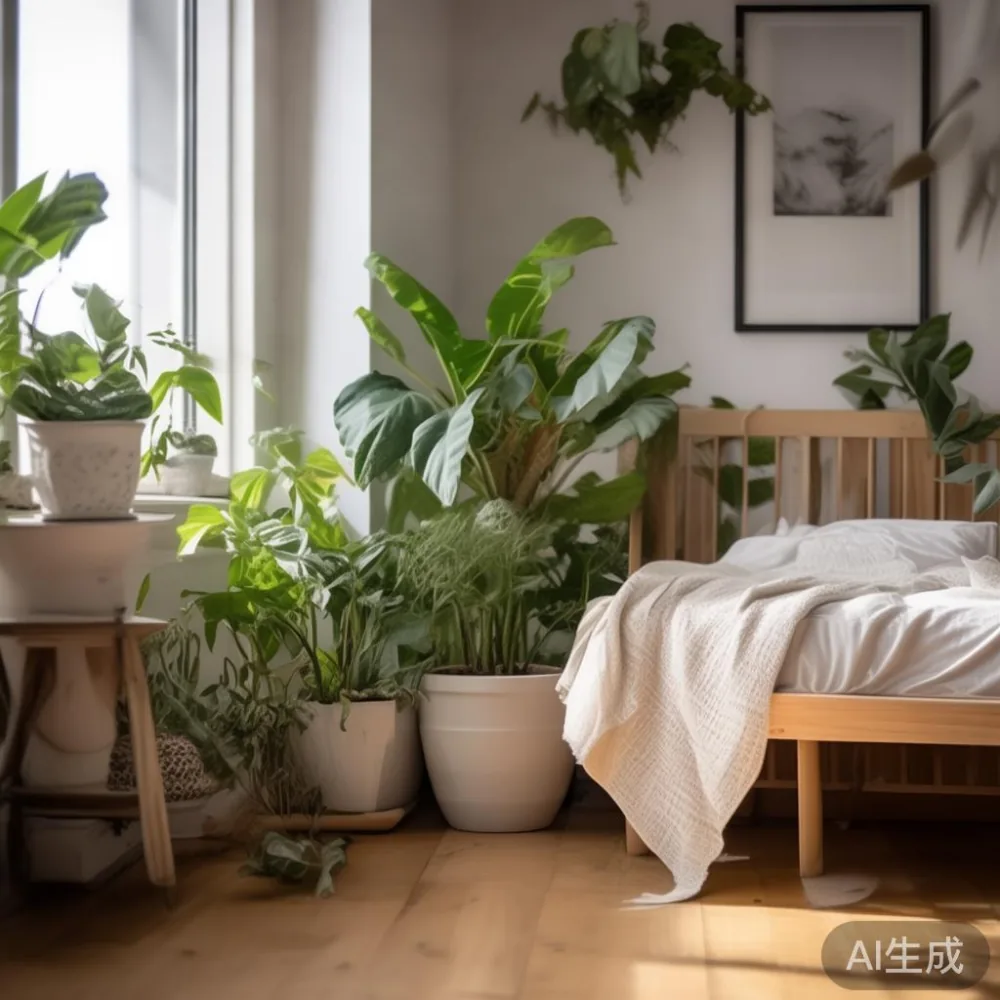
Last month I visited a family in Tampines who had moved a 180 cm wide cot into a 280 cm wide bedroom. It looked crowded even before nappies, clothes and toys appeared. We removed a 42 cm deep freestanding dresser, shifted the wardrobe into a recessed area and used a slim 28 cm wide nightstand with a drawer. The cot then had about 64 cm of usable space around its longer side. Nothing looked grander; it simply felt calmer because every item had a defined job.
This guide explains how to style a small apartment for a nursery while keeping the practical demands of Singapore living in view. It also works for a multipurpose child’s room. Solid wood construction, replaceable finishes and measured delivery matter, so the recommendations are framed around real dimensions, local access conditions and realistic prices in SGD.
What makes a small apartment feel crowded?
Crowding comes from blocked movement, competing visual lines and furniture that appears to float in random places. A nursery should have a clear route from the door to the cot, a place for changing, and somewhere for clothes to be stored. If a person has to turn sideways beside the cot, the layout is working against them.
Begin with the room rather than a shopping list. Measure the usable wall length, window position, door swing and skirting. In many Singapore bedrooms, a 90 cm wide door and a 24 cm deep skirting reduce what a plan drawing can suggest. Measure the cot at its widest point, including the rail or bumper. Add 45 to 60 cm of working space along the side used for lifting the child. Avoid placing the cot directly beside a noisy lift shaft or air-conditioning outlet.
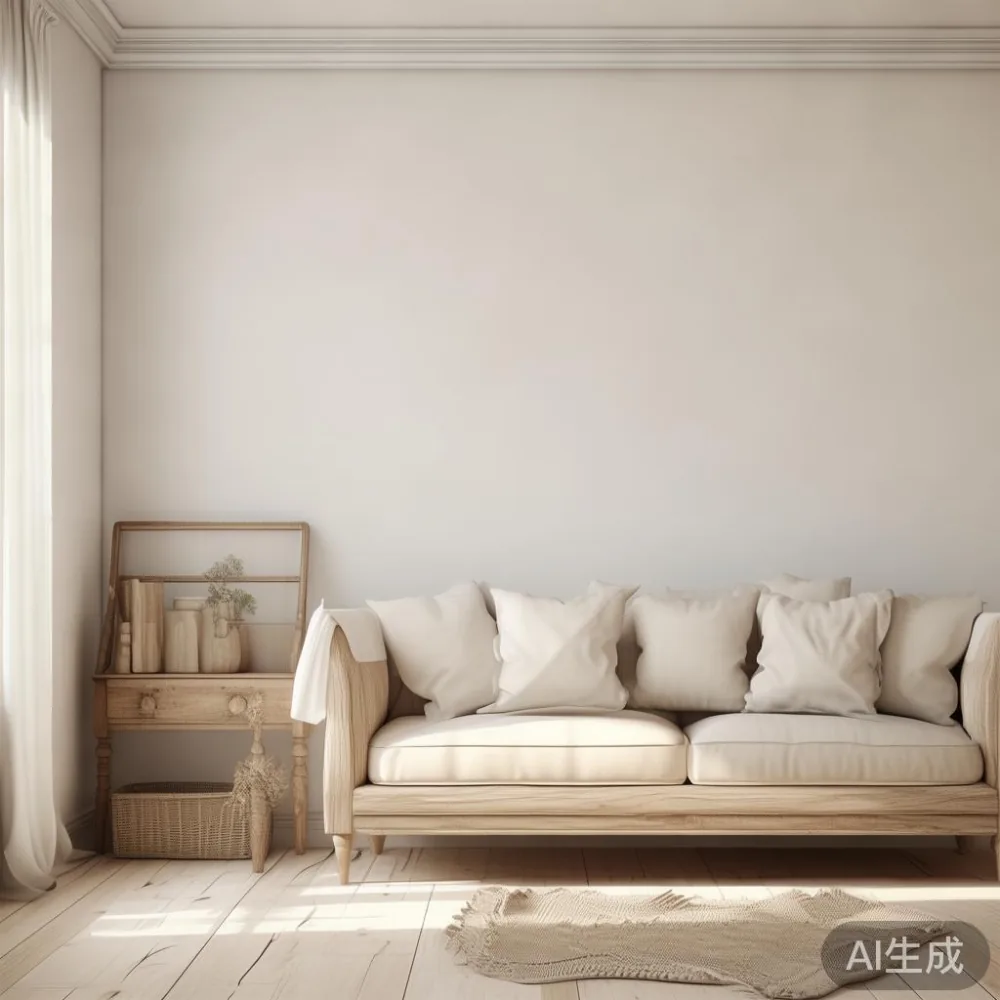
Colour also affects perceived space. A full-height wall painted in the same pale tone as the ceiling reduces the strongest visual boundary. Warm white, greige or a very light putty can sit comfortably with natural oak nursery furniture. If the cot is pure white, a pale timber tone adds warmth without producing a sharp block against the wall.
Storage should rise rather than spread. A wardrobe may extend to 210 cm, while a low nursery chest occupies only 90 cm of visual height. Open shelves can look weighty when they are mixed with baskets and toys. Closed or partly closed storage usually keeps the room composed. Use labelled boxes and limit display to 3 or 4 objects at eye level.
How can nursery furniture fit an HDB bedroom?
HDB layouts reward a zoned approach. Keep sleep near a wall with the least exposure to traffic, put changing near the door or window, and use the remaining wall for a compact wardrobe and nightstand. In a Tampines flat where the bedroom doorway opens directly towards the bed, replacing a wide dresser with a 60 cm long changing table can recover 35 to 50 cm of floor width.
The lift and corridor are equally important. A 160 cm long cot may fit into a standard lift diagonally, but a rigid wardrobe may not. Check the lift lobby and lift car measurements with the supplier before ordering; a 120 cm lift door and a 140 cm deep car can reject furniture that looks manageable in a showroom. Many Singapore furniture retailers include delivery to the doorstep, but corridor turning, stairs, assembly and the final position may still require an extra service.
For delivery, agree on a 3 to 7 day Singapore delivery window after stock confirmation, and ask whether the furniture is delivered assembled. Flat-pack nursery furniture can save around SGD 80 to SGD 250 in transport because several units fit into one vehicle, but flat-pack also means carrying components up the lift and assembling them in the room. A fully assembled piece is easier to plan for if the family cannot work during the week.
MIDHILL offers a 10-year structural warranty and lifetime refinishing on qualifying solid wood furniture. For a nursery, that is more meaningful than a short surface guarantee: a child’s room can change from cot to toddler bed and later to a study area. Ask for the exact care instructions and finish options before placing an order. MIDHILL also provides free shipping above US$350, which is converted to SGD for local checkout, and a 14-day return window under the stated policy.
Can I use one solid wood piece in both a nursery and a living room?
Yes, if the proportions and finish support both roles. A 120 cm solid wood sofa is useful in a living room, while a shorter bench or a 90 cm solid wood bed frame can later become a child’s reading seat. However, nursery furniture should not be selected merely because it can be repurposed. The primary use must include safe finishes, stable proportions and enough clearance around the cot.
One parent I spoke with in Punggol had a 120 cm solid wood sofa in the living room and a 75 cm wide nursery bench in the child’s room. Both used the same light oak finish, creating continuity without making the two rooms identical. The bench had a 30 cm seat height, no sharp corners and a lower shelf that held picture books. At SGD 690, it cost more than a disposable nursery stool, but the family expected to keep it for 8 years or more.
For adaptable layouts, choose familiar forms with restrained decoration. French light luxury often pairs pale upholstery with curved edges and subtle detail. American light luxury tends to use generous cushions, warm woods and cleaner geometry. Post-modern light luxury can introduce one graphic element, such as a circular mirror or a small sculptural lamp, without filling the wall. The aim is rhythm, not a catalogue of styles.
A marble table may also work as a changing surface in a larger nursery, but its weight deserves caution. A 90 cm round marble table can weigh approximately 55 to 85 kg, while a 120 cm rectangular model may exceed 100 kg. It should not be positioned where a child can pull on the edge. Use a stable cot or a properly anchored changing unit for that purpose.
How do I choose nursery furniture that will not dominate the room?
Choose by footprint first. A cot usually needs 140 by 70 cm, although larger models reach 150 by 80 cm. A changing table often needs 90 to 120 cm of wall space. A wardrobe may measure 100 to 180 cm wide and 55 to 60 cm deep, plus 5 cm for installation. These numbers are design guides rather than universal specifications, so measure the actual product.
Look for legs that lift storage visually. A nightstand with 4 slim legs can feel less heavy than a block with the same volume. However, leave 4 to 6 cm between the cot and a nightstand if the cot has a drop-side mechanism. For a modern child’s room, the search term “Minimalist for dining room” can be useful when comparing clean-lined forms elsewhere in the apartment, although nursery pieces should meet the applicable safety requirements for children.
Light finishes need deliberate care. Pale solid wood shows fingerprints, crayon marks and water rings. A hard-wearing matte finish is easier to maintain than a high-gloss surface. Test the finish against the family’s habits: if the child eats in the room, wipeable surfaces should take priority. Ask whether scratches can be refinished, and confirm whether in-home refinishing is included or charged separately.
Textiles deserve equal attention. A cotton or linen-look cover should be removable and washable where possible. Check the dimensions of the mattress and the finished seat height. For a solid wood sofa that later serves as a reading chair, a seat height of 40 to 43 cm suits many adults; 32 to 36 cm is more child-friendly. That small difference affects how long the piece remains useful.
Should the nursery follow the whole apartment’s style?
It should connect with the apartment, but it need not copy it exactly. A compact room can borrow one colour, one timber tone and one shape from the living area. This creates a calm visual thread while giving the nursery a little character.
For the living room, searching for “how to style European light luxury sofa in room” can help identify the balance to carry through: pale upholstery, measured spacing and a few warm accents. A 180 to 220 cm solid wood sofa works in many condo living rooms, but leave 75 to 90 cm around it for circulation. Pairing it with a low table and soft rug can ground the seating zone without adding more objects.
Broader references can also help when building a shopping brief. A list titled “top 10 Modern light luxury furniture” is useful for noticing proportion, material and finish consistency, though only 2 or 3 of those ideas should enter a small nursery. The phrase “for sale light luxury furniture” is equally common in showroom and marketplace listings, so compare full dimensions rather than relying on a style label.
The same discipline applies to beds. If the child’s room will eventually hold a small bed, learning how to choose European light luxury bed involves checking the inner sleeping width, rail height, slat support and clearance beside the mattress. A 90 by 200 cm bed frame may look modest in a showroom yet occupy a 280 cm room once a nightstand and wardrobe are added. For 2026, a useful comparison label such as “best Nordic sofa for 2026” can help organise current silhouettes, but verify the measurements and warranty independently.
How much space should be left around a cot and changing area?
Aim for at least 60 cm of clear access beside the cot’s long side and 75 cm near the changing area when possible. That leaves room to kneel, open a drawer and carry the child. These are comfortable planning targets rather than a safety certificate; local product instructions and applicable regulations take precedence.
Keep the route from the door at least 75 cm wide where two people need to pass. A 70 cm wide route can work in a quiet room, but it becomes frustrating when a laundry basket or toy chest is added. In a Bedok flat with a narrow bedroom entrance, placing the changing station just inside the door may keep the centre open. Alternatively, use a wall-mounted changing shelf with a secured changing mat and position a wardrobe elsewhere.
Lighting should be layered. A ceiling light handles general work; a warm 2700 to 3000 K wall light or dimmable lamp makes night-time care easier. Choose a shade that prevents glare from the cot. Cable lengths should be kept out of reach, and night-lights should use a low, warm output rather than cold blue light.
Do not overcrowd the floor with a rug whose edges curl upward. A washable flatweave rug can define the zone if there is 40 to 50 cm of clearance around the cot. In a very small room, skipping the rug often creates more visual space than choosing a smaller one.
What should a Singapore family budget for a compact nursery?
A practical starter arrangement can include a compliant cot, a compact changing table, a nightstand and some closed storage. Depending on timber, dimensions and finish, expect roughly SGD 1,600 to SGD 3,200 for 4 coordinated pieces. Individual prices may range from SGD 260 for a small nightstand to SGD 1,300 or more for a wide wardrobe. A marble table can add SGD 900 to SGD 2,200 before delivery, depending on size and stone.
Budget for delivery and assembly separately if they are not included. A Singapore delivery charge may be SGD 60 to SGD 180 for a normal flat-pack order, while a full-service or difficult-corridor delivery can cost more. Lift access is commonly free, but surcharges may apply for carrying beyond the lift, narrow stairs or extra assembly. Confirm the charge in SGD before payment.
Singapore’s 9% GST is shown on the final invoice when applicable, so compare the displayed checkout total rather than only the catalogue price. Warranty terms also matter. MIDHILL’s 10-year structural coverage and lifetime refinishing offer long-term value, yet the contract should define which finishes, components and uses are included.
A balanced purchase order may look like this: a 140 by 70 cm cot around SGD 780, a 100 cm changing table around SGD 760, a 45 cm nightstand around SGD 360 and a 120 cm wardrobe around SGD 1,380. The total is approximately SGD 3,280 before any applicable delivery or GST treatment. The family may then remove an old dresser worth SGD 150 to SGD 300 if it is no longer needed, making the transition easier financially as well as visually.
How can I create a nursery that grows with my child?
Plan in stages rather than buying a fixed decorative scene. Start with the cot, safe changing arrangement and enough closed storage for the first 12 months. Add a nightstand only if it fits within the chosen footprint. A bookcase can wait until the child can pull up and reach its lower shelf; place heavier books in upper sections and use a safety barrier if required.
Choose neutral nursery furniture with replaceable accessories. The cot cover can change from pale sage to soft blue, while the bed frame can remain in place as a toddler bed or later a study bed. A 120 cm solid wood sofa in the living room can move to the child’s room at around age 6, provided its proportions suit and it has no hazardous loose parts. A standard adult sofa at 90 cm deep may be too large for a small bedroom, so measure the door and lift before planning that move.
For pieces found in showroom listings, remember the exact phrase “how to style European light luxury sofa in room” refers to arrangement rather than a model name. Likewise, “how to choose European light luxury bed” should lead you to examine frame construction and clearances. MIDHILL product pages and support can provide current dimensions through m.midhill.co, with specifications confirmed before manufacture or dispatch.
The final test is simple: stand at the doorway and look into the room. You should see a cot, a clear path and a few calm surfaces. If the first impression is furniture from 3 different eras, reduce visual objects by 2, close one basket and remove one item above eye level. A successful small apartment nursery feels composed because it contains less, not because every available centimetre is occupied.