Creating Cozy Spaces: Styling Small Singapore Apartments
Living in a Singapore apartment, whether a compact HDB flat in Tampines or a sleek condo in Punggol, presents a unique design challenge: creating a home that feels spacious, serene, and personal within a limited footprint. The reality of narrow corridors, standard lift dimensions, and the need for multi-functional spaces means every square centimetre counts. But with a thoughtful approach to furniture choice and layout, you can transform even the smallest 50-square-metre space into a sanctuary of light and airiness. The secret lies not in buying less, but in buying smarter—focusing on quality, scale, and purpose.
Understanding Your Singapore Apartment's Spatial DNA
Before you purchase a single piece of furniture, you must understand the physical constraints of your home. In Singapore, most HDB and condo units have standardised dimensions. A typical master bedroom measures around 3.5 metres by 4.2 metres, while the common living room might be 4.6 metres by 3.2 metres. These measurements are not suggestions; they are the boundaries within which you must operate. A standard wardrobe, for instance, is typically 60 cm deep. Placing one against a wall in a bedroom that is only 3.5 metres wide can dominate the entire room, leaving little breathing room. Corridors in HDB flats are often just 1.2 metres wide, meaning a bulky console table or shoe cabinet can make working through the space a daily obstacle.
My colleague, Sarah, recently moved into a new 4-room flat in Bedok. She excitedly bought a large, ornate French provincial sofa she found online. When it arrived, the delivery team struggled to get it through the lift, and once inside, it completely overwhelmed her living area. The sofa was 220 cm long and 95 cm deep, consuming nearly half of the floor space. The room felt cramped, and she could not even place a coffee table in front of it. This experience taught her a hard lesson: the dimensions listed on a website must be visualised within your own home's context. A sofa that looks perfect in a showroom photo can be a disaster in a Singapore apartment. The key is to measure your space meticulously, including doorways, lift openings, and the paths people will walk, before committing to any large furniture purchase.
Choosing Furniture That Breathes: Scale and Material
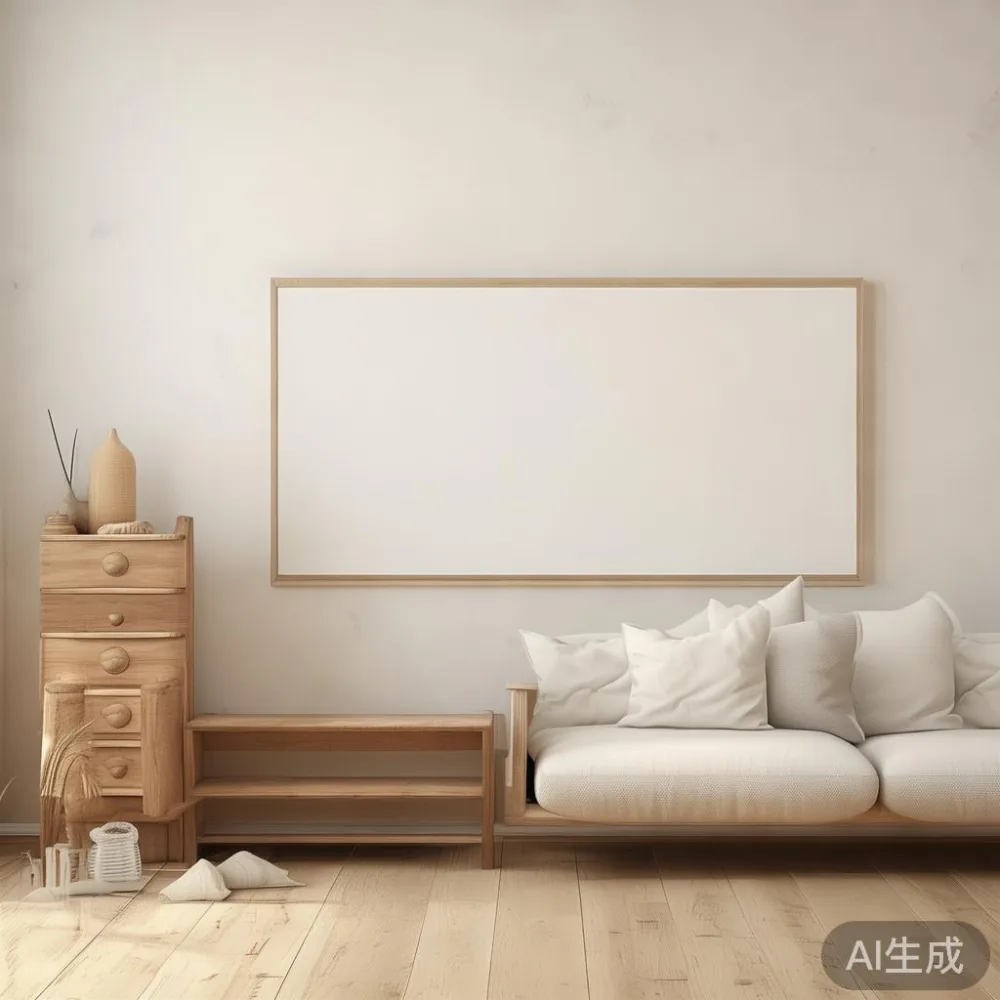
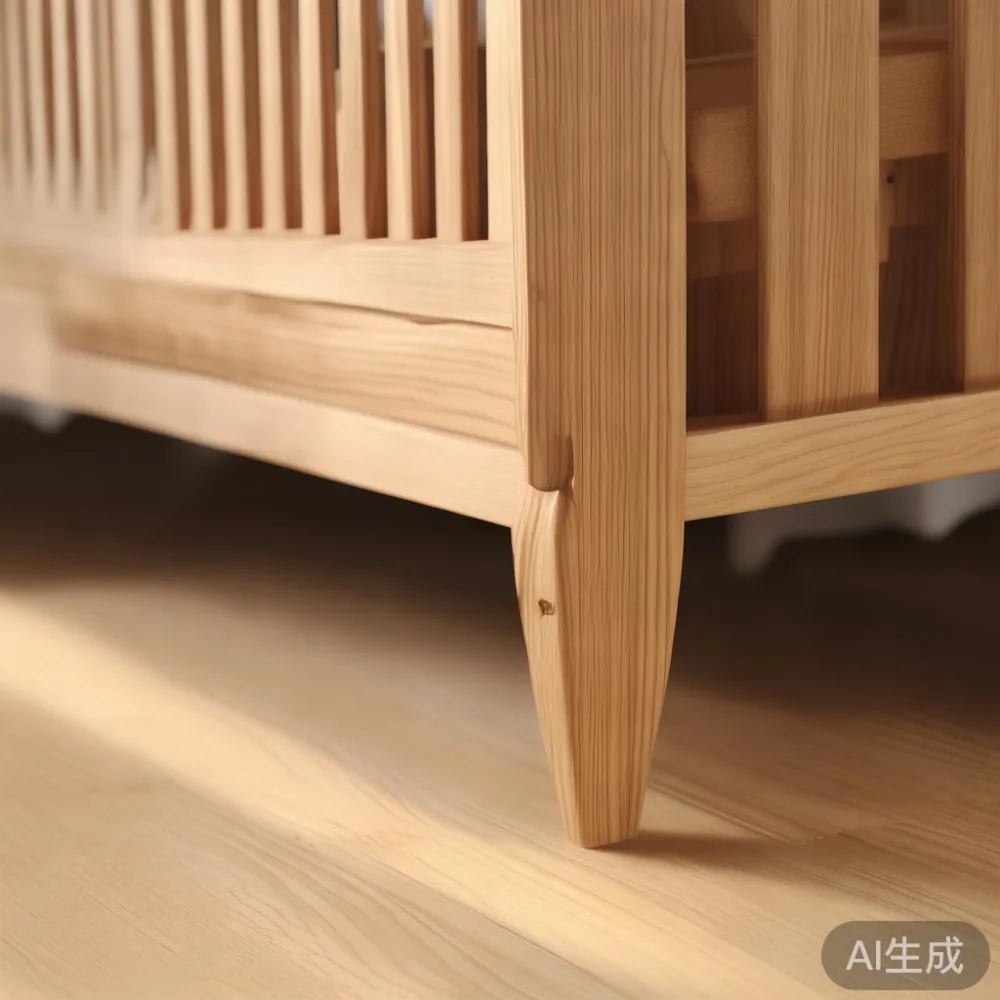
When space is at a premium, the scale of your furniture is paramount. Oversized, bulky pieces are the enemy of a small apartment. Instead, opt for furniture with a lighter visual weight. This means choosing items with slender legs, open bases, and clean lines. A solid wood sofa with exposed legs, for example, allows you to see the floor underneath, which creates an illusion of more space. In contrast, a sofa with a skirted base that sits directly on the floor appears heavier and more imposing, making the room feel smaller.
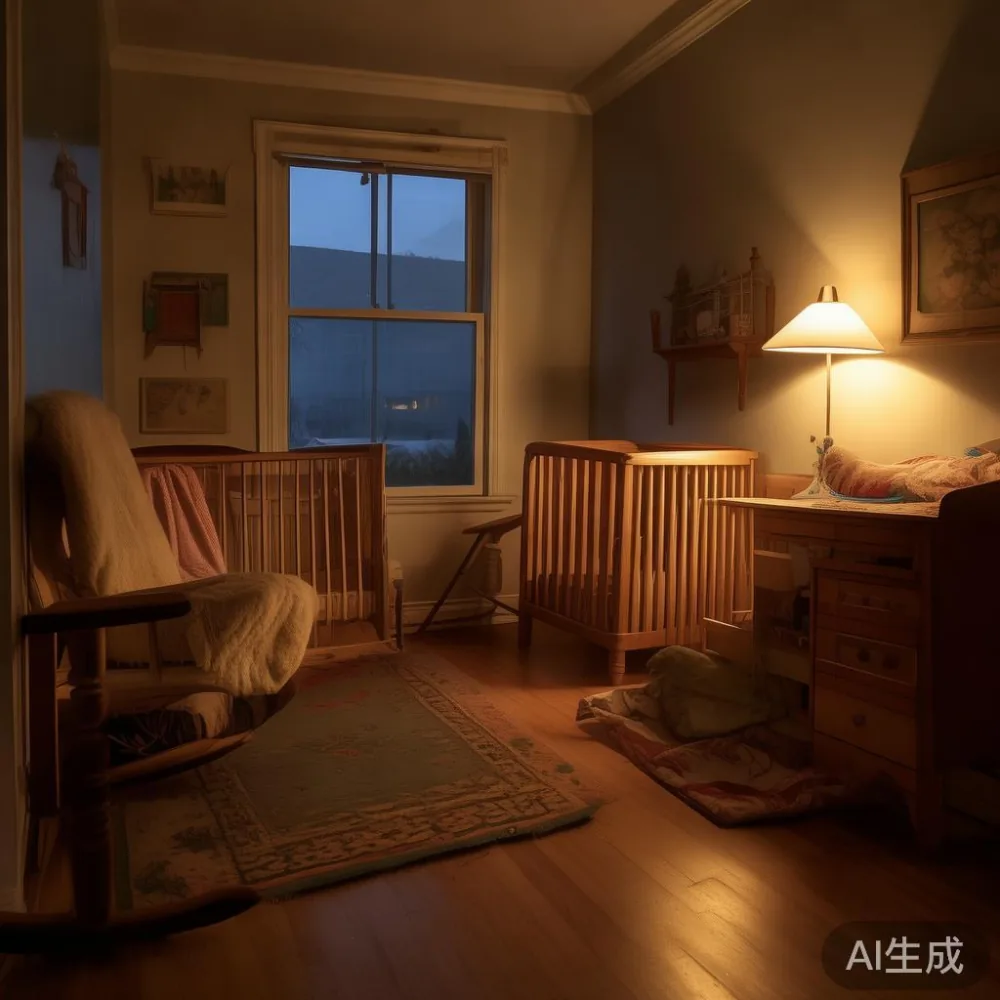
The material of your furniture also plays a significant role. Light-coloured woods like ash or maple reflect more light than dark walnut or mahogany, helping to brighten a room. Glass and acrylic are fantastic materials for small spaces because they are transparent, allowing light to pass through and views to remain unobstructed. Consider a glass-topped marble table for your dining area or a transparent acrylic chair. These pieces provide a functional surface without adding visual clutter. For a nursery furniture set, a light-coloured solid wood crib with a simple, minimalist design will fit much better than a bulky, dark-stained one. The nursery furniture should complement the room's airy feel, not fight for space.
Another strategy is to select furniture that serves multiple purposes. A bed frame with built-in drawers offers storage without requiring a separate dresser. A dining table that can be extended or folded away is perfect for small dining areas. A stylish ottoman that doubles as storage provides a place to sit and hide away blankets or toys. This multi-functional approach is a cornerstone of smart small-space living, allowing you to maintain a clean, uncluttered environment.
How to Style a European Bed in Bedroom?
Styling a European bed in a small Singaporean bedroom requires a blend of elegance and practicality. A typical European bed frame, often with a low profile and minimalist design, is a great starting point. The key is to balance its presence with other elements in the room. Place the bed against the longest wall to create a focal point. To prevent it from looking stark, anchor it with a pair of nightstands. However, instead of large, heavy nightstands, opt for slim, floating shelves or narrow, tapered-leg designs. This keeps the floor area clear and maintains a sense of openness.
For the bedding, stick to a simple colour palette. White, cream, or light grey bedding will reflect light and make the room feel larger. A single, textured throw at the foot of the bed is more impactful than multiple pillows and blankets. Lighting is also important. Install wall-mounted sconces on either side of the bed instead of bedside lamps. This frees up the nightstands entirely, or allows them to be very small, further maximising floor space. The goal is to let the elegant lines of the European bed shine without overwhelming the room, creating a sophisticated yet serene bedroom retreat.
The Power of Vertical Space and Strategic Storage
In a small apartment, the floor is your most valuable real estate, so you must utilise the walls to their full potential. Vertical storage is one of the most effective ways to reduce visual clutter and free up floor space. Tall, narrow bookcases or shelving units draw the eye upwards, creating an illusion of height. Use these units to store books, decorative objects, and even kitchen supplies. A wardrobe that extends from floor to ceiling provides ample storage without taking up extra floor space, making it an ideal choice for a bedroom or walk-in area.
Built-in cabinetry is another excellent solution. While it may require a larger initial investment, custom-built cabinets can be designed to fit the exact dimensions of your wall, leaving no wasted space. They can be designed to match the aesthetic of the room perfectly, whether you prefer a modern, minimalist look or a more classic, French light luxury feel. For example, a built-in cabinet in the living room could house a television, media equipment, and display shelves, all integrated into a single, cohesive unit.
Don't forget the often-overlooked space above doors and windows. Installing shallow shelves here can provide a place for small plants, books, or collectibles. Using the back of doors for hanging organisers or hooks is another simple trick for adding storage. By thinking vertically, you can keep your floors clear and your surfaces uncluttered, which is fundamental to making a small space feel open and airy.
Light, Colour, and Illusion: Tricks of the Trade
Light is a powerful tool in interior design, and it is especially important in small spaces. Maximising natural light should be your first priority. Avoid heavy, dark curtains that block the sun. Instead, opt for light-filtering blinds or sheer curtains that allow light to flood into the room while providing privacy. Mirrors are another indispensable tool for small apartments. Placing a large mirror opposite a window reflects natural light deep into the room, instantly making it feel brighter and more spacious. A mirrored wardrobe door serves a dual purpose, providing storage and creating this expanding effect.
The colour palette of your apartment has a profound psychological impact. Light, neutral colours like white, beige, light grey, and soft pastels make walls feel receding, which enhances the sense of space. A monochromatic colour scheme, using different shades of a single colour, can also create a cohesive and expansive feel. If you love colour, introduce it through small, easily changeable items like cushions, throws, and artwork. A bold-coloured marble table can serve as a stunning focal point without overwhelming the room, especially when surrounded by neutral-toned furniture.
The layout of your furniture is critical. Avoid pushing all furniture against the walls, as this can make a room feel boxy and disconnected. Instead, try floating a sofa in the middle of the room, with a console table placed behind it. This creates a more intimate seating area and leaves the walls clear. Ensure there is enough space to move around comfortably; a good rule of thumb is to leave at least 75 cm of clearance around furniture. This not only improves the flow of the room but also prevents it from feeling cramped.
Investing in Quality for Long-Term Style
In a small apartment, every piece of furniture must earn its place. This means investing in high-quality items that are both beautiful and durable. A cheap, poorly made sofa may seem like a bargain, but it will likely look worn out in a few years, forcing you to replace it and contributing to a cycle of consumption. A well-made solid wood sofa, on the other hand, is an investment that will last for decades. Its timeless design and sturdy construction mean you won't have to worry about replacing it, saving you money and hassle in the long run.
When choosing furniture, consider its longevity and style. Trends come and go, but classic designs endure. A simple, well-proportioned dining table, for example, will never go out of style. Similarly, a high-quality bed frame is a foundation for your bedroom that you will use every day for years. It's worth spending a bit more on a piece that you truly love and that will stand the test of time. This approach aligns with a light luxury philosophy, where the focus is on refined craftsmanship and understated elegance rather than flashy trends.
My personal experience with this philosophy came when I was furnishing my own home. I was tempted by fast-fashion furniture that was on sale, but I decided to wait and save for a solid wood dining table from a brand like midhill. The table cost a significant amount—around SGD 2,800—but its quality is undeniable. The wood grain is beautiful, the construction is flawless, and it has become the centrepiece of my home. Every time I sit at that table, I am reminded that quality is worth the investment. It’s a piece that will not only serve my family for years to come but will also retain its beauty, making my small dining area feel special and complete.
What About Maintenance and Warranty for My Furniture?
A common concern for homeowners, especially in a humid climate like Singapore, is the maintenance of solid wood furniture. Wood can be sensitive to changes in temperature and humidity, which can cause it to expand, contract, or crack. However, choosing a reputable manufacturer that uses high-quality, kiln-dried wood can mitigate these issues. Proper care is also key. Use coasters for drinks, wipe up spills immediately, and periodically polish the wood with a suitable product to keep it looking its best. A good manufacturer will provide clear care instructions to help you maintain your furniture.
Warranty is another critical factor to consider. A warranty is a promise from the manufacturer about the quality and durability of their product. For example, a 10-year structural warranty on a bed frame or wardrobe gives you peace of mind, assuring you that the piece is built to last. It covers defects in materials and workmanship, protecting your investment. Similarly, a lifetime refinishing warranty is a valuable feature. It means that if the finish on your solid wood sofa becomes damaged over time, the manufacturer will refinish it for you, restoring it to its original condition. This kind of long-term commitment is a hallmark of a quality brand.
When purchasing furniture, always check the warranty terms carefully. Understand what is covered and for how long. A brand that offers a comprehensive warranty stands behind its products, which is a strong indicator of quality. This is especially important for larger, more expensive pieces like a dining table or wardrobe, as repairing or replacing them can be costly. Knowing that your purchase is protected allows you to enjoy your beautiful furniture without worrying about future problems.
Where to Shop and Final Considerations
When you're ready to furnish your small Singapore apartment, where you shop matters. Local furniture showrooms in areas like Tampines or Jooon allow you to see and touch the furniture before you buy, which is invaluable for assessing scale and quality. Online retailers offer a wider selection and often more competitive prices. However, be sure to check their delivery policies, especially for large items. Free shipping over a certain amount, like SGD 350, is a common perk that can save you a significant delivery fee, which in Singapore can range from SGD 50 to over SGD 200 depending on the item's size and weight.
Always consider the delivery process. A large wardrobe or sofa may require a specialised delivery team to work through your apartment's lift and corridors. Ask the retailer about their delivery process and whether they offer services like assembly. A 14-day return policy is also a good safety net, allowing you to return an item if it doesn't fit or meet your expectations. Remember to factor in the 9% Goods and Services Tax (GST) on your purchase, as this will be added to the final price.
Ultimately, styling a small apartment is about creating a space that reflects your personal style while respecting its physical limitations. It’s a process of careful planning, smart choices, and a focus on quality over quantity. By selecting furniture with the right scale, utilising vertical space, and playing with light and colour, you can create a home that feels open, elegant, and deeply personal. It’s about making every piece count, ensuring that your small apartment is not just a place to live, but a place to thrive.