Factors Influencing Solid Wood Furniture Pricing in Singapore
Solid wood furniture is often described as a simple material choice: pay for the timber and receive a table, bed, wardrobe or nursery furniture set. In practice, the price of a finished piece is shaped by much more than the board. Wood species, board dimensions, joinery, finish, hardware, design, packaging and delivery all affect the final figure. For Singapore households, where a Tampines HDB flat may have a compact dining zone and a Bedok condo lift can determine whether a large wardrobe arrives intact, those practical details matter as much as appearance.
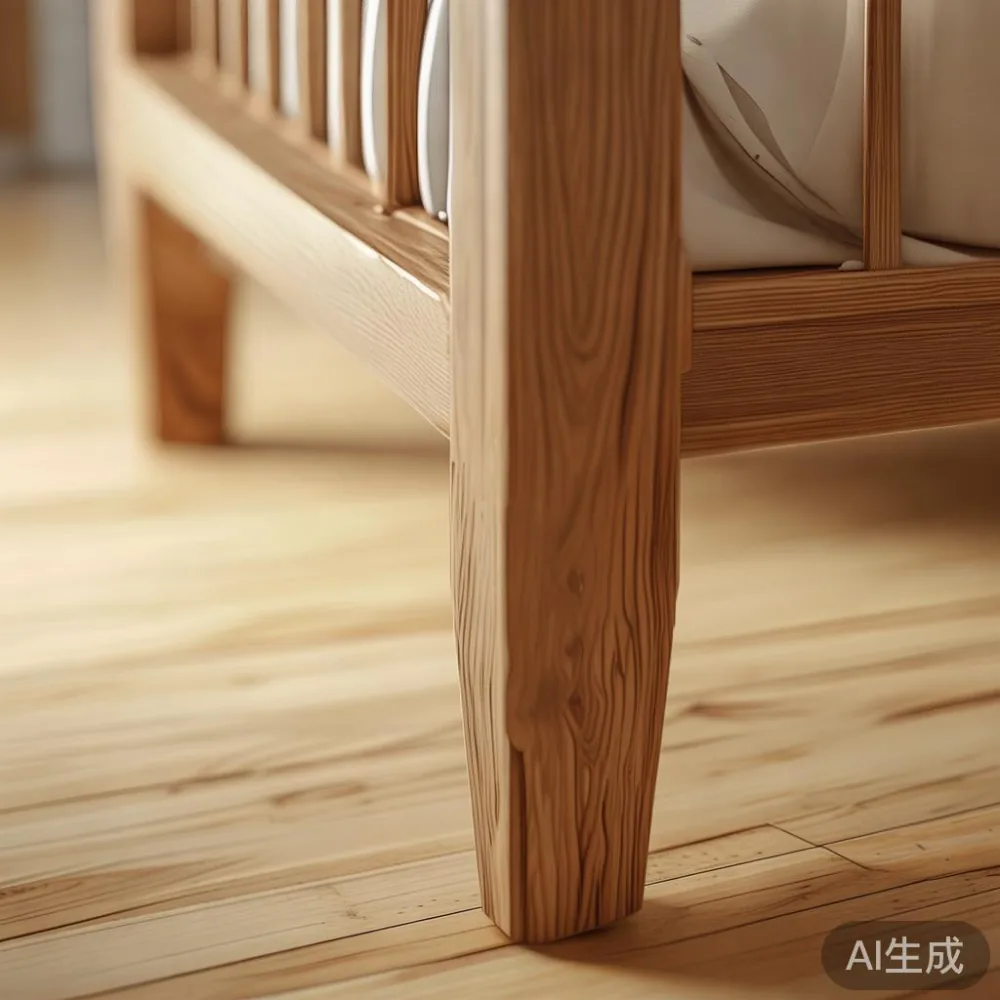
This guide explains where solid wood furniture prices come from, using concrete measurements, weights and Singapore dollars. It also considers how European light luxury, American light luxury and French light luxury affect pricing without making expensive styling synonymous with solid construction.
Why does solid wood furniture cost more than engineered wood?
<The core reason is material yield. A solid oak board that is 220 cm long, 65 cm wide and 22 mm thick weighs roughly 24–28 kg before drying and machining, depending on density. A comparable particleboard panel may weigh about 12–16 kg. More importantly, solid wood must be selected for defects, grain direction and stability; pieces with knots or uneven colour may be reserved for smaller components rather than a broad dining table top.
That said, “solid wood” is not a price category with one fixed cost. Rubberwood, pine, beech, ash, oak and walnut have different raw-material prices, working properties and market demand. A 180 cm dining table made from kiln-dried rubberwood may cost SGD 1,180–1,680, while a similar solid oak table with a more restrained finish may cost SGD 2,680–4,280. A walnut dining table with sculpted edges can reach SGD 4,800 or more.
Engineered wood uses veneers over engineered panels or cross-laminated timber. It can perform well when designed properly, so construction quality should be judged through the product, not merely through its label. A veneer dining table may retail for SGD 980–1,880; a solid oak version may retail for SGD 2,480–3,980. The difference can be justified, but it is not automatically good value.
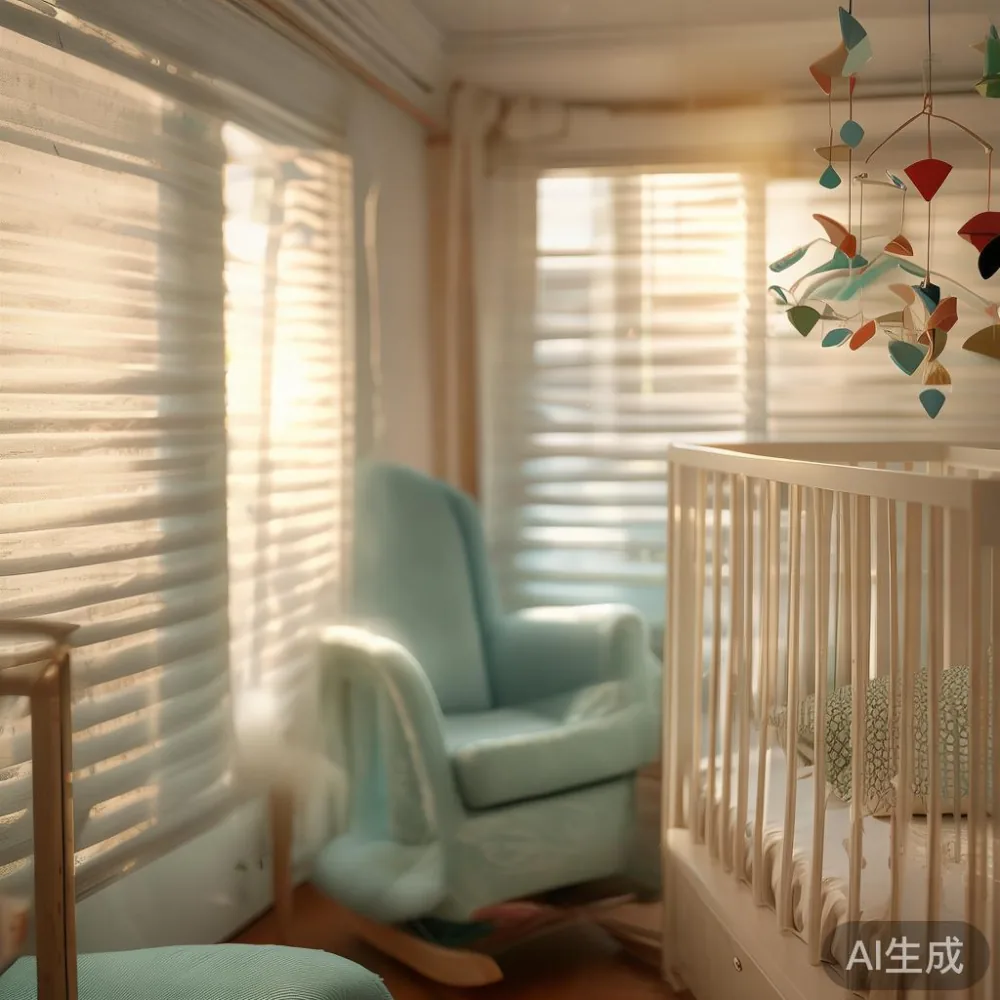
For nursery furniture, the same principle applies at a smaller scale. A 120 cm solid wood cot with fixed sides and 10 mm round bars may cost SGD 680–1,080. A more decorative 140 cm cot with convertible features and a 20 mm frame may cost SGD 1,280–1,980. Buyers should check the mattress fit, rail spacing, finish coating and documented structural warranty rather than assuming a higher price guarantees safer construction.
Which parts of a solid wood piece cost the most?
The board thickness, shaping and joinery usually drive labour. A straight-edged dining table top may require cutting, sanding, finishing and sealing across 6–8 surfaces. Curved corners, tapered legs, sculpted edges and hand-matched grain demand more machine time, inspection and waste. This is why two dining tables using the same timber can differ by SGD 600–1,200 even when their dimensions are identical.
Joinery is another cost centre. Dowelled and glued joints, mortise-and-tenon joints and corner blocks each consume different amounts of time. A solid wood bed frame may use a 40–60 mm side rail, 80–120 mm legs and through-tenon joints at the head and foot. Those components can add SGD 250–650 compared with a simpler frame assembled mainly with dowels and screws.
Hardware is easy to overlook. Commercial-grade hinges, soft-close drawer runners and solid brass pulls cost more than basic zinc-alloy fittings. On a 150 cm wardrobe, the hinge count may be 6–10 and drawer slides may run SGD 18–65 each. On a 120 cm nightstand with 2 drawers, upgrading both slides can add about SGD 50–90. For a solid wood sofa, the timber frame represents only part of the total cost: foam density, fabric, stitching, suspension and labour can account for 35–55% of retail price.
Finish also changes the number. A clear water-based coating may add SGD 60–140 to a piece. Multi-layer stain, hand-rubbed lacquer and edge sealing can add SGD 180–480. A marble table introduces another material comparison: a 130 cm Carrara-style marble top in 20–30 mm thickness may weigh 75–110 kg, so its price includes stone selection, reinforcement, packaging and a delivery method with greater breakage risk.
How does design style influence the price?
Style affects price through complexity, scale and detailing—not through a fashionable label. American light luxury often uses generous proportions, clean profiles and upholstered surfaces. French light luxury leans towards curved edges, upholstered headboards, pale finishes and decorative hardware. Post-modern light luxury may add sculptural geometry, mixed materials or deliberately asymmetric details. Each can be executed responsibly, but none removes the underlying timber and labour costs.
A 200 cm solid wood dining table with a rectangular top and straight legs may cost SGD 2,280–3,580. A round 130 cm version with a pedestal base may cost SGD 2,680–4,180 because the base needs precise balancing. A 180 cm solid wood bed frame may range from SGD 1,280–2,380 for a straightforward platform to SGD 3,280–5,680 for an upholstered or shaped frame. For apartment interiors, design should also solve circulation: a 200 cm table needs about 90–120 cm of pull-out space, while a 180 cm wardrobe projects 55–65 cm into the room.
For those considering European light luxury for guest room schemes, the good news is that restraint can lower cost. A 120 cm solid wood nightstand at SGD 480–760 can look more composed with one drawer and an understated pull than an elaborate model at SGD 1,080. A compact 90–110 cm solid wood sofa, 82–88 cm deep, may cost SGD 2,480–4,380, while a modular or deep-seated version can reach SGD 6,800. Those figures include upholstery and frame construction, so compare complete specifications.
“European light luxury” has become a useful search phrase for 2026 European light luxury furniture, but it describes an aesthetic, not a manufacturing standard. A French-style nightstand can use ordinary hardware and engineered panels. Check the material declaration for each main component, including the back panel, drawer bottom, bed slats and interior dividers. A lighter-looking wardrobe may still be solid wood while using an engineered back for stability; that choice can be sensible and may save 8–15% without weakening the visible frame.
How much should a solid wood bed, wardrobe and nursery set cost in Singapore?
Singapore prices need to account for GST. A displayed price before GST becomes 9% higher at checkout, so SGD 2,000 becomes SGD 2,180 including GST. This distinction matters when comparing quotations from different retailers. Floor protection, delivery to the door and assembly should also be stated separately, especially for HDB homes with narrow lift lobbies.
A practical solid wood bed frame for a Queen mattress in Singapore generally measures about 152 × 190 cm externally, with mattress allowance varying by model. Common retail ranges are SGD 980–1,680 for a straightforward pine or rubberwood frame, SGD 1,680–2,680 for a shaped or panelled solid wood frame, and SGD 2,980–5,200 for a more decorative or upholstered design. A slatted base should list the number of slats, their spacing and the centre support arrangement; “solid wood” alone does not describe the suspension system.
For a 150–180 cm wardrobe, expect around SGD 1,880–3,280 for a basic two-door solid wood carcass, SGD 3,280–5,280 with drawers, mirrors and refined hardware, and above SGD 5,800 for a fitted or highly decorative European-style model. Internal drawers, hanging rails and compartments can add SGD 250–900. When asking how to choose light luxury wardrobe, focus on the usable interior: 45–60 cm is comfortable for most hanging clothes, while a depth of 55–60 cm allows hangers to face forward without striking the door.
A modular nursery set may cost SGD 1,880–3,280. Common items include a 120–140 cm cot, a 70–90 cm changing table, a matching 45–60 cm nightstand and a low storage unit. Check whether the cot converts into a toddler bed, what mattress sizes are supported and whether the changer can remain fixed to a wall. The MIDHILL bed range shows how construction choices carry into adult furniture, while the company’s warranty and refinishing policy provide useful context for long-term ownership.
What should delivery, packaging and warranty add to the price?
A heavy solid wood piece can cost more to deliver than it does to finish. A 180 cm wardrobe may weigh 85–130 kg; a 200 cm dining table may weigh 70–95 kg; a 130 cm marble table may exceed 100 kg. Delivery charges are therefore commonly SGD 80–180 within Singapore for standard furniture, with extra fees possible for stairs, carrying, dismantling or lift reservations. If an item is returned, the reverse journey and inspection add more than a parcel courier would.
Good packaging should be measured, not just claimed. Wardrobes ideally use foam-corner protection, face protection and a rigid base. Dining tables may use a timber-frame crate, corner clamps and a separate hardware packet. A white-glove service that includes unpacking, placement and packaging removal may add SGD 120–260; carrying a wardrobe upstairs may add SGD 100–250, depending on access.
Corridor and lift widths deserve attention before ordering. A 60 cm-wide package can pass through a typical HDB corridor, but a 72–80 cm wardrobe carton may not fit a narrower common corridor or a compact lift door. For a Bedok or Tampines HDB block, obtain the lift door measurement and the shortest turning route. A Punggol condo may have a larger private lift but still have a tight lobby turn. The supplier should verify access and propose a flat-pack or split-panel solution rather than improvise on arrival.
Lead time also affects the quotation. Stocked Singapore deliveries may arrive in 3–7 working days, while made-to-order pieces may take 30–60 days and sea-shipped orders 45–90 days. A custom finish can add another 7–14 days. MIDHILL was established in 2008 and exports to more than 15 countries; its 10-year structural warranty and lifetime refinishing service speak to long-term care. For this category, free delivery above US$350 may not apply automatically to every Singapore order, so the checkout terms should be confirmed rather than assumed.
How do I compare quotations without paying for the wrong features?
Compare like-for-like specifications. For each dining table, record the material, external dimensions, top thickness, leg section, joinery, finish and weight. For each wardrobe, record carcass thickness, back construction, drawer components and interior dimensions. For each nursery furniture item, record safety-related construction, mattress limits and coating type. Then compare the final delivered price, including GST.
One way to test the difference is to separate timber, construction and decoration. Suppose two 150 cm solid wood dining tables cost SGD 2,180 and SGD 3,080. The SGD 900 gap may reflect a 25 mm oak top instead of 20 mm rubberwood, stronger joinery, eased edges and a multi-coat finish. It may also reflect unnecessary visual complexity. A good quotation makes the added value visible.
Ask the seller for exact sample dimensions and a finish swatch. Check how the solid wood sofa, bed frame, dining table, wardrobe, nightstand and marble table feel under load, not only in photographs. For a new solid wood sofa, sit for 10 minutes and check whether the seat feels hollow; for a bed, lie on the mattress for at least 5 minutes to feel centre dips; for a marble table, inspect edge protection and ask about chip repair.
Last month I visited a Singapore showroom and tested several material samples with a moisture meter and a 1 kg block. One oak dining table top measured 21.7 mm, while one showroom piece labelled “wood” had a veneered surface over a 19 mm panel. The difference was visible at the edge. On another table, the drawer runner sagged under about 4 kg before reaching its stop. Neither test replaced a written specification, but both revealed issues that polished photos concealed.
Price is therefore a signal, not a verdict. Solid wood furniture earns its cost when the timber, dimensions, construction, finish and service support the figure. Spend more where joints, stability and repairability matter; economise on a feature that barely appears in daily use. That approach gives Singapore homes furniture suited to their rooms, budgets and years of use rather than furniture chosen only for its label.