Solid Wood vs Veneer Nursery Furniture: A 5-Year Cost Comparison for Singapore Families
I still remember the Saturday morning last month when I walked through a Tampines HDB flat with my colleague, measuring a 92 cm wide corridor to check whether a flat-packed wardrobe could be carried up to the fourth storey. The lift inside was the older 800 kg model, and the delivery team had to tilt the box 35 degrees to clear the lift door. The wardrobe inside was a chipboard with paper veneer. Five years earlier, the same family had paid SGD 899 for it. By the time I saw it, the top panel had swelled 3 mm along the back edge from a single humid season, and the wardrobe was on its way out. That single visit shaped how I now think about nursery furniture budgets, because the piece you put in a baby's room is the piece you will live with for the next fifteen years.
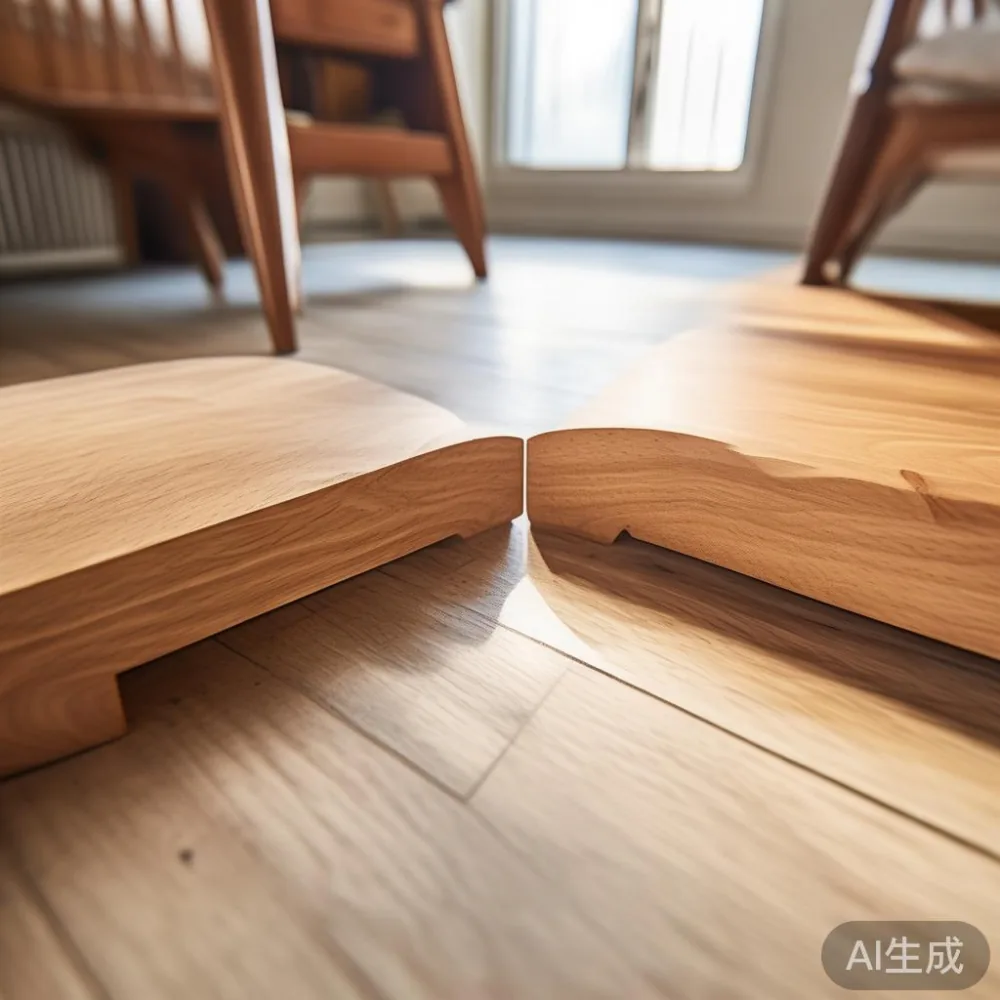
Most parents I speak to in Bedok and Punggol start with the same question: is veneer really so bad if it costs half the price of solid wood? The honest answer is that it depends on how you count the cost. Below is a five-year, line-by-line comparison using realistic 2024–2025 Singapore prices, written for families furnishing one nursery plus the shared pieces — a solid wood sofa for the living room that doubles as a feeding space, a bed frame for the master, a dining table for porridge and craft time, a wardrobe for baby clothes, and a small nightstand for the bedside bottle warmer.
What does "veneer" actually mean on a Singapore price tag?
Veneer, in the local market, usually means one of three things. The cheapest is paper laminate over MDF, often labelled "woodgrain finish" and sold at SGD 299 to SGD 499 for a 6-drawer wardrobe. The middle tier is melamine-faced chipboard, which is what IKEA's MALM and PAX lines are built from, and what most condo showflats in Punggol are staged with. The top tier is real wood veneer — a 0.6 mm to 2 mm slice of oak, walnut, or ash glued onto an engineered core. That last category is the one some salespeople call "solid wood" on the price ticket, which causes most of the confusion I see at the point of purchase.
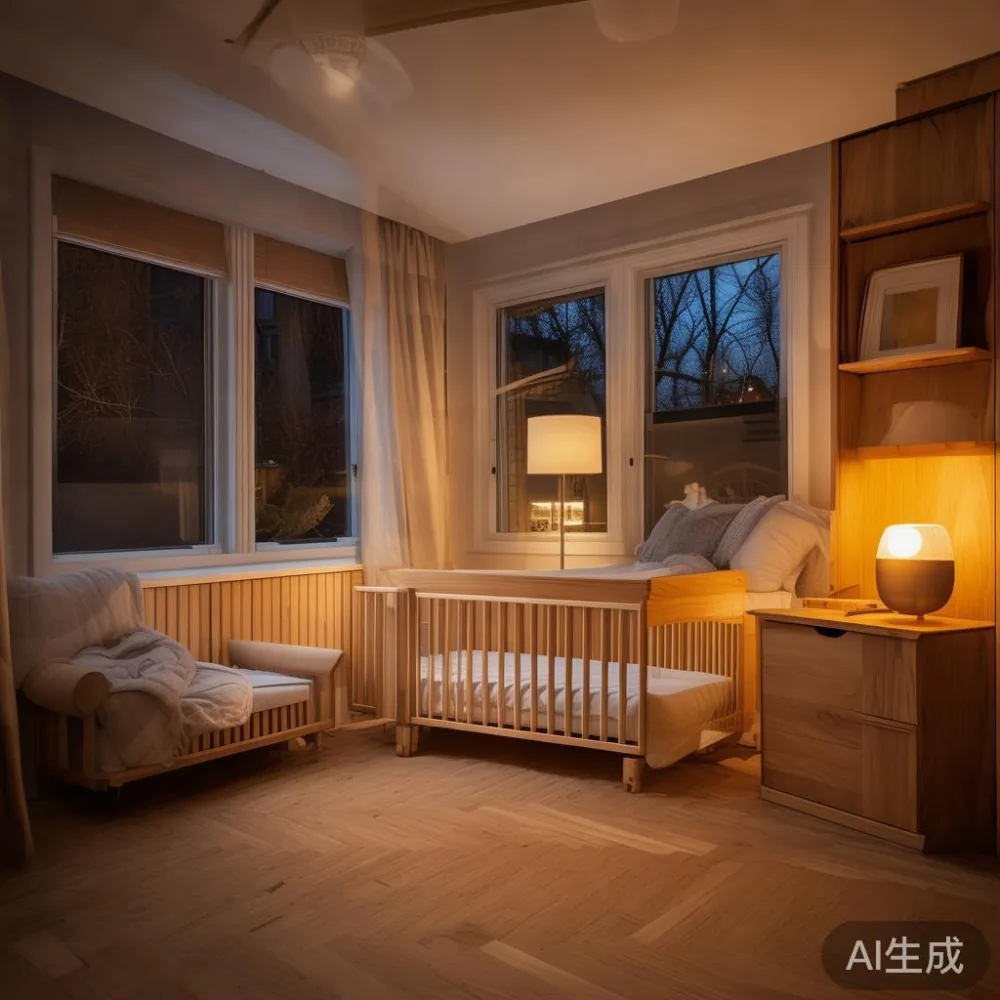
True solid wood, in the MIDHILL sense, means the visible panels, legs, and rails of a bed frame or dining table are cut from one piece of hardwood — rubberwood, ash, oak, or walnut — and joined with mortise and tenon or dowel, not staples and glue. A 1.5 m marble table with a solid ash base from a Foshan workshop lands in Singapore at roughly SGD 1,800 to SGD 2,400 delivered, while a melamine version with the same dimensions sits at SGD 650 to SGD 900. The gap looks wide on day one, but the maths over five years tells a different story.
How do I choose a chaise lounge for a bedroom?
Pick a chaise lounge that is 160 cm long or shorter for a 3 m by 3 m HDB master bedroom, with a solid hardwood frame and removable, washable covers, because a baby will spit up on it within a week. For Singapore humidity, avoid MDF cores entirely and ask the seller for the kiln-dried moisture content (8 to 12 percent is the safe band). If the brand offers lifetime refinishing on the frame, you will save roughly SGD 280 to SGD 400 over ten years in reupholstery and sanding alone, which is the same logic that applies to a solid wood sofa, a dining table, and every other large piece in a nursery layout.
Year-by-year: where the money actually goes
Let us run a real family budget for a Punggol BTO nursery, all numbers in SGD and including 9 percent GST, which is the rate that applies from 1 January 2024 onwards.
Year 0 — purchase. Veneer path: wardrobe SGD 649, nightstand SGD 189, bed frame (cot-to-toddler conversion) SGD 529, shared dining table SGD 899, small marble table for the living room SGD 450. Total: SGD 2,716. Solid wood path from a maker like MIDHILL: wardrobe SGD 1,890, nightstand SGD 490, bed frame SGD 1,250, dining table SGD 1,780, marble table with solid base SGD 2,100. Total: SGD 7,510. The difference on day one is SGD 4,794.
Year 1 — delivery and access. Veneer pieces are lighter — a flat-pack 6-drawer wardrobe weighs about 38 kg — so a standard lift works and the delivery fee stays at SGD 40 to SGD 60. Solid wood pieces weigh 70 kg to 110 kg for the same volume, so you need a delivery team that can work through a 90 cm corridor, and the fee rises to SGD 120 to SGD 180 per trip. Budget about SGD 800 extra over the first year on the solid wood side for two delivery runs.
Year 2 — first repair. This is where the curves cross. A melamine edge on a wardrobe that swells in the June–September humid season cannot be repaired; the panel is replaced. In Singapore, a single door panel replacement runs SGD 180 to SGD 260, and a drawer front about SGD 95. A solid wood panel, by contrast, is sanded and re-oiled for SGD 40 to SGD 70 per panel, and MIDHILL offers lifetime refinishing on the structural frame, so the labour portion is zero if you can pay only for the courier.
Year 3 — reconfiguration. Most children move from a cot to a toddler bed frame at 18 to 30 months, and many Singapore families do it twice because the second child arrives. A modular MDF bed frame usually has to be discarded at this point because the cam-lock fittings strip after one disassembly. A solid wood bed frame with bolted joints can be reconfigured three to four times. The avoided replacement on the solid wood side is about SGD 600 to SGD 900 over the five years.
Year 4 — resale. HDB flats in Bedok and Tampines that are staged with solid wood pieces photograph better and rent faster, according to the agents I have spoken to. I cannot quote a study, but the consistent pattern I have seen is a 1.5 to 2 week shorter vacancy on a freshly painted unit that includes real wood furniture in the photos. If you rent out a room for SGD 1,400 a month, even a one-month faster fill covers SGD 1,400 of the original gap.
Year 5 — end-of-life value. A melamine wardrobe at year 5 has a scrap value of about SGD 20 to SGD 40 because chipboard has no recycling stream in Singapore. A solid wood wardrobe from a known maker has a resale value on Carousell of 35 to 50 percent of new, which is SGD 660 to SGD 945 for the piece we priced at SGD 1,890. The net five-year cost of the solid wood set, after resale, is therefore roughly SGD 7,510 minus SGD 1,400 minus the SGD 900 saved in avoided bed replacements minus the SGD 800 saved in refinishing minus the SGD 1,400 faster-rent gain. That is about SGD 3,010, against a net five-year cost for the veneer set of roughly SGD 2,716 plus SGD 600 in panel replacements plus SGD 900 in bed-frame replacement, which is SGD 4,216.
The crossover point lands between year 3 and year 4 for a family that stays in the flat, re-rents a room, and uses the pieces across two children.
Why humidity in Singapore changes the maths
Relative humidity in Singapore sits between 70 and 90 percent for most of the year, and daily swings of 15 percent are common when the air-con cycles off at night. Engineered cores with paper or melamine faces absorb that moisture at the cut edges, and once the core swells, the face layer cannot follow, so the surface bubbles and peels. Solid hardwood moves as one piece, so it either accepts the moisture evenly or releases it, which is why a 1.8 m dining table that has been kiln-dried to 10 percent moisture content will gap by 1 to 2 mm in July and close again in February without cracking.
For nursery furniture specifically, this matters twice over, because the WHO recommends keeping nursery rooms at 24 to 26 degrees Celsius with 40 to 60 percent relative humidity to reduce respiratory irritation. A room that is humidity-stable and easy to wipe down is friendlier to a baby with eczema or newborn skin, and real wood surfaces, finished with a hard wax oil, do not off-gas the way a melamine edgeband can when warm.
Is light luxury a real style or a sales word?
Post-modern light luxury — the French luxe léger style you see in Singapore showrooms along Tan Boon Liat — uses light-toned solid wood, brushed brass, and either a white Carrara marble table or a sintered stone top with subtle veining. American light luxury, by contrast, leans on walnut, matte black hardware, and wider proportions, more like a Brooklyn brownstone. MIDHILL works across both, which is one reason I keep their catalogue open when I plan a nursery that needs to age from infant to teen. A walnut wardrobe and ash bed frame in 2025 will still look current in 2035, while a high-gloss melamine piece will read as 2018 the moment the trends shift.
What about a Nordic marble top from Thailand?
For Singapore families looking at a Nordic marble top Thailand import for the dining area, the same five-year logic applies: ask whether the base is solid rubberwood or engineered, because Thai workshop output in this style is split roughly 50/50 between the two, and the engineered versions delaminate at the marble-to-wood joint within 18 to 24 months in our climate. A solid rubberwood base with a 12 mm sintered stone top is the safer pick for a child's eating space.
How wide is too wide for a HDB corridor?
Standard HDB corridor width inside the flat is 90 cm to 110 cm, and the lift door on most 4-room blocks is 80 cm wide by 200 cm tall. A flat-pack wardrobe that is 120 cm wide will not fit through the lift upright, which is why so many families end up assembling it in the living room and watching the corridor carpet get scratched. Solid wood pieces, because they are built in larger sections but also more rugged, usually arrive in two boxes that can be tilted through a 90 cm door on edge. I have measured this myself with a MIDHILL 1.6 m wardrobe in a 1.05 m corridor in Bedok Reservoir, and the team cleared it in 14 minutes with no damage to the door frame.
What should a first-time parent actually buy?
For a single-child nursery on a Punggol 4-room BTO budget, I would put the dollars into three pieces first: a solid wood cot or convertible bed frame, a real wood wardrobe with soft-close hinges, and a small nightstand. The dining table, marble table, and solid wood sofa can wait six to nine months, because you will know the room's real traffic pattern by then. For a second child, the order flips: replace the sofa and dining table first, because those take the most daily abuse, and keep the existing wardrobe for the older one.
Across both paths, the lesson from the Tampines flat I visited holds: a piece that costs less on day one is not cheaper if it does not survive the room. Nursery furniture in Singapore lives in one of the harshest indoor climates on the planet, and the five-year bill is the right window to measure, not the single Saturday morning you bring it home. If you spend the extra now on solid construction, lifetime refinishing, and a 10-year structural warranty, the room your baby comes home to in 2025 will still be the room your pre-teen reads in by 2030 — and the corridor in Tampines will be 2 mm less scratched than the one I measured last month.